
Rákóczi Museum
About Rákóczi Museum
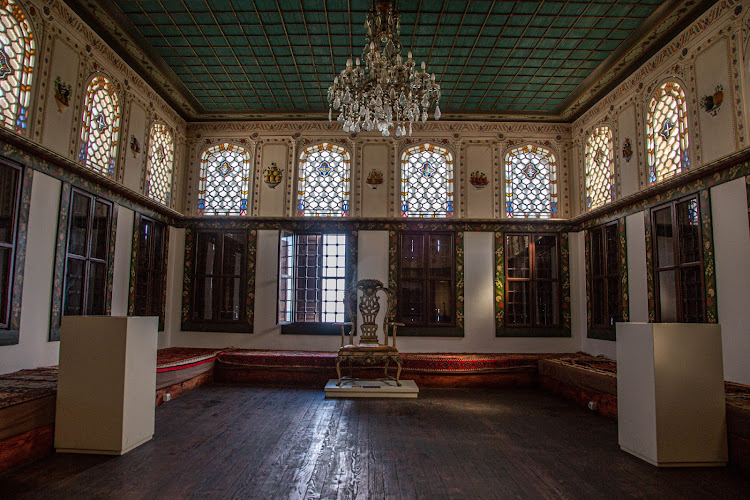
The Rákóczi Museum sits inside a former residence that tells a cross-cultural story between Turkey and Hungary, and it does so in a way that feels personal rather than museum-y. Exhibits combine traditional Turkish artwork with Hungarian memorabilia tied to the Rákóczi family and their historical connections. The building itself is part of the display: creaking wooden floors, narrow staircases, and rooms arranged the way people once lived. Visitors who expect a sterile gallery will be surprised; this place keeps its soul. It feels lived-in, and that helps the objects — garments, letters, portraits, embroidered textiles — speak louder than a mere glass case ever could.
On a practical note: the museum is small but thoughtfully curated. It is especially appealing to travelers who like history told through objects, not just timelines. There are plenty of tactile details in the captions, and staff members are often eager to answer questions — sometimes with a story or two about a particular object. A good chunk of the appeal is the juxtaposition of Ottoman and Hungarian influences in a single house museum, which can spark curiosity in anyone who enjoys the tangled threads of European and Anatolian history.
Some visitors will come for the architecture, others for the family memorabilia and symbolic portraits. Families bring children who enjoy the human-sized rooms and the narrative flow from one chamber to the next. But be mindful: the house was not built with modern accessibility codes in mind. There are stairs and thresholds; that historical authenticity has a cost for mobility. Also, there is no on-site restaurant, so plan ahead if the group plans to stay long or arrives hungry.
Overall, this museum is a compact, intimate stop that rewards slow curiosity. It is not a blockbuster attraction that consumes an entire day, yet it can spark a memorable hour or two — the sort of place that feels like a hidden chapter in a traveler's notebook rather than a headline on a brochure.
Key Features
- Former residence turned museum showcasing Turkish-Hungarian history and the Rákóczi family's memorabilia
- Authentic period rooms with original or period-appropriate furnishings and traditional artwork
- Personal letters, portraits, and family artifacts that provide a human angle on political history
- Small, intimate exhibition spaces ideal for close-up viewing and photography (without flash)
- Child-friendly layout and content that helps young visitors connect with historical narratives
- Free parking available on-site and free street parking nearby for those driving
- Staff members who often provide anecdotal context and local insights to deepen the visit
- Not wheelchair accessible: entrance and restrooms are not adapted for wheelchair users
- No on-site restaurant; visitors should plan food and drink stops before or after the visit
Best Time to Visit
The best window for a pleasant visit runs from late spring through early autumn. The warmer months make walking around the neighborhood enjoyable before or after the museum stop. Mornings on weekdays are quietest; arrive early and the first rooms feel almost private, like flipping through someone else's photo album without interruption. Late afternoons can be busy, especially during local tourist seasons and school holidays, so if one prefers a calmer experience, aim for mid-morning.
For weather-sensitive travelers: avoid the hottest midday hours in high summer if you plan to combine the museum with outdoor sightseeing around Tekirdağ. On a cool, slightly cloudy day, the museum’s wooden interiors and soft lighting are especially atmospheric. Typical visits last between 45 and 90 minutes. That’s long enough to read the labels, take a few photos, and chat with the staff — but not so long that fatigue sets in for kids.
If the trip is planned around a longer stay in the city, a weekday visit also reduces the chance of overlapping with organized tour groups. And while there's a charm in seeing the house filled with other curious souls, some of the museum’s subtleties — like handwritten notes or small textiles — are better appreciated in a quieter setting.
How to Get There
The museum lies within the urban fabric of Tekirdağ, close enough to central neighborhoods to make it a short taxi ride from common transport hubs. Travelers arriving by bus to the city can take a short local taxi or a municipal bus toward the central district, followed by a comfortable walk depending on where they disembark. For people already staying in town, it is often an easy walk from the main squares — but again, watch for those old streets and occasional uneven pavements.
Drivers will find free parking both in a small lot by the museum and on nearby streets, which is a pleasant surprise in an urban area where parking can otherwise be tight. If using public transport, local minibuses and buses serve the broader district; ask the driver or a local vendor for Tekirdağ center stops and then follow local signs or a map app for the last leg. Taxis are plentiful and reasonable for short city distances — a practical choice if one wants to conserve time or avoid walking in the heat.
Cultural travelers who enjoy walking routes can combine the museum with other nearby historic sites and cafes. A common approach is to make the museum the first stop, then stroll toward the waterfront or the city’s older quarters. Again, plan for mobility constraints: several historic streets have steps or cobbles that are charming but not always accommodating.
Tips for Visiting
Plan for a compact, focused experience rather than a long museum crawl. Here are some hands-on tips to make the visit smoother and more rewarding.
- Allow around an hour. Most visitors find 45 to 90 minutes ample to explore the rooms, read interpretive labels, and ask a few questions.
- Arrive early on weekends. Weekends and local holidays can draw larger groups, so early arrival helps avoid crowds and get better photographs.
- Bring small change. Some smaller museums accept cash for tickets and modest purchases; having local currency on hand keeps transactions quick and friendly.
- Mind the stairs. The house is historic and not adapted for wheelchairs. Those with mobility concerns should contact the museum ahead of time to inquire about possible accommodations or to plan an alternative itinerary.
- No restaurant — bring snacks if needed. There is no on-site dining, so family groups may want to pack water and light snacks, especially if visiting with children.
- Engage with the staff. Staff members are often conversational and can point out lesser-known objects or local anecdotes that enrich the visit. Don’t be shy to ask about provenance or an unusual artifact you see.
- Photography. Photography for personal use is typically welcomed, but avoid flash near older textiles and paper documents. If in doubt, ask a staff member.
- Combine it with local stops. The area around the museum rewards slow exploration: small bakeries, local markets, and historic streets provide a fuller cultural picture of the city.
- Kid-friendly tips. The rooms and human-scale displays make the museum accessible to curious children. Consider a small activity: a scavenger hunt list of items to spot can keep youngsters engaged during the visit.
- Respect the space. It is a residence-turned-museum, which means some fragile, personal items are on display. Keep voices low and be careful with bags near exhibits.
Final aside: even though the museum isn't sprawling, it has a way of sticking with people. Travelers often leave with a small mental file — a portrait that captured a gaze, a textile pattern that seemed oddly familiar, or a note in a language that bridged cultures. These small moments are the museum’s strength. So take it slow, ask one good question, and let the rooms do the talking. It’s a compact history lesson with warmth and a few hush-worthy surprises.
Key Features
- Former residence turned museum showcasing Turkish-Hungarian history and the Rákóczi family's memorabilia
- Authentic period rooms with original or period-appropriate furnishings and traditional artwork
- Personal letters, portraits, and family artifacts that provide a human angle on political history
- Small, intimate exhibition spaces ideal for close-up viewing and photography (without flash)
- Child-friendly layout and content that helps young visitors connect with historical narratives
- Free parking available on-site and free street parking nearby for those driving
- Staff members who often provide anecdotal context and local insights to deepen the visit
- Not wheelchair accessible: entrance and restrooms are not adapted for wheelchair users
You Might Also Like

*BDT BELEK DOGA TOUR | Daily Tours, Day Trips and Excursions in Antalya*
1464. Sk. No:55
2006. Sk. No:2
Tours & Activities
GetYourGuide provides this tour inventory. We may earn a commission if you book through it; verify current availability, prices, and terms with the provider.
Visitor Reviews
There are no reviews yet. Be the first one to write one.
Share Your Experience
Have you visited Rákóczi Museum? Help other travelers by leaving a review.