
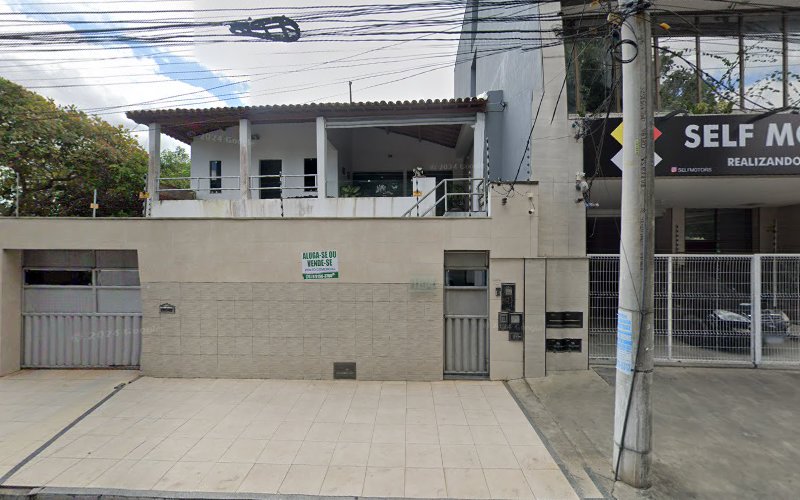
R. Carlos Valadares, 1196 – Centro
About R. Carlos Valadares, 1196 – Centro
Description
Finding yourself in Centro means you've stepped into the beating heart of urban Brazil, where commerce meets culture in unexpected ways. R. Carlos Valadares, 1196 sits right in this mix, offering travelers a genuine glimpse into how locals actually live and work rather than the polished tourist experience you might find elsewhere. I've always believed the best travel moments happen when you stumble into places that weren't necessarily designed for visitors but welcome them anyway. This location represents the authentic pulse of Brazilian city life. The street itself tells stories through its architecture, its people, and the daily rhythms that play out from morning until night. You won't find glossy brochures or tour buses lined up here, which honestly makes it more appealing for those of us who prefer our travel experiences with a bit of grit and realness mixed in. Centro districts across Brazil share certain characteristics - they're typically older parts of the city where historical buildings stand alongside more modern structures, creating this interesting architectural conversation across decades. The atmosphere shifts throughout the day too. Morning brings the rush of people heading to work, midday sees the lunch crowds filling local eateries, and evenings have their own distinct character as businesses wind down. What makes this particular address noteworthy isn't just its physical location but what it represents about Brazilian urban culture. These central areas serve as meeting points where different socioeconomic groups intersect, where street vendors set up next to established shops, and where the old guard of traditional commerce meets newer entrepreneurial energy.Key Features
The defining characteristics of this Centro location include several elements that shape the visitor experience: • Authentic urban Brazilian environment that showcases everyday life rather than tourist-oriented attractions • Central positioning that provides easy access to surrounding neighborhoods and commercial districts • Walking-friendly streets where you can explore on foot and discover hidden gems around every corner • Local commerce including small shops, service providers, and businesses that cater primarily to residents • Architectural diversity reflecting different periods of the city's development and growth • Public transportation connections that make it simple to venture further into the city • Street-level activity throughout business hours with locals going about their daily routines • Opportunities to practice Portuguese and engage with residents who appreciate genuine interest in their community • Nearby dining options ranging from simple lunch counters to more established restaurants serving regional cuisine • Less crowded than major tourist zones, allowing for a more relaxed exploration pace • Proximity to other Centro attractions and historical sites within reasonable walking distance • Real glimpses into Brazilian work culture and commercial practices • Markets and vendors selling everything from produce to household goods at local pricesBest Time to Visit
Timing matters when you're planning to explore Centro areas, and honestly, your experience can vary dramatically depending on when you show up. Weekdays between Tuesday and Thursday typically offer the most authentic experience since that's when local business activity is at its peak. You'll see the area functioning as it normally does, which provides better insight into the neighborhood's true character. Morning hours, particularly between 9 AM and 11 AM, bring an energy that's hard to replicate at other times. People are moving with purpose, shops are opening, and there's this productive buzz in the air. I've found this timing works especially well if you want to photograph street scenes or simply observe daily routines without feeling like you're intruding. Lunch time around noon to 2 PM presents different opportunities. Many Brazilians take their midday meal seriously, and you'll find local restaurants filled with workers from nearby offices and shops. This is actually one of the best times to grab an authentic meal at reasonable prices, though expect some places to be quite busy. Avoid Monday mornings if possible - there's often a slower start to the week, with some businesses operating on adjusted schedules. Similarly, late afternoons after 5 PM see many establishments closing up, particularly on Fridays when people are eager to start their weekends. Seasonal considerations matter too. Brazilian school holidays and major festivals can affect the Centro atmosphere significantly. During December and early January, many businesses operate with reduced staff or modified hours. The weeks leading up to Carnaval also bring a different energy to urban areas. Weather plays a role in planning as well. If you're visiting during the rainy season, afternoon downpours are common, so morning explorations make more sense. But honestly, experiencing a proper tropical rain while taking shelter in a local café isn't the worst way to spend an hour. Saturdays present a mixed bag - some commercial areas stay quite active in the morning but quiet down significantly by early afternoon. Sundays are generally dead in Centro districts, with most businesses closed and streets notably empty.How to Get There
Getting to R. Carlos Valadares, 1196 requires understanding the broader transportation network of the city, and fortunately, Centro locations are typically well-connected. Public transportation represents your most practical option, with bus routes servicing the area extensively throughout the day. If you're staying in a hotel or accommodation elsewhere in the city, ask the staff for specific bus numbers that serve the Centro district. Brazilian bus systems can seem confusing at first, but they're actually quite logical once you understand the numbering patterns. And drivers are usually patient with foreigners trying to figure things out, especially if you make an effort with basic Portuguese phrases. Metro systems, where available, often have stations serving Centro areas. These tend to be the most straightforward option for travelers since routes are clearly marked and announcements help you track your progress. The walk from metro stations to your destination rarely exceeds 10-15 minutes. Rideshare apps have transformed urban transportation in Brazil, making it incredibly easy to reach specific addresses without language barriers or navigation confusion. Simply input the address and you're set. This option costs more than public transit but provides door-to-door service and air conditioning, which matters during hot weather. Taxis remain widely available, though language barriers can pose challenges. Having the address written down clearly helps immensely. Always ensure the meter is running or agree on a price before departure to avoid misunderstandings. For the adventurous, walking from nearby neighborhoods can be rewarding, especially if you enjoy urban exploration. Centro districts are generally safe during business hours, though standard precautions apply. Keep valuables secure, stay aware of your surroundings, and stick to busier streets. Driving yourself is possible but not particularly recommended unless you're familiar with Brazilian traffic patterns and parking situations. Centro areas often have limited parking, one-way streets that confuse GPS systems, and aggressive driving that intimidates newcomers.Tips for Visiting
Successfully navigating R. Carlos Valadares and the surrounding Centro area requires some practical knowledge that guidebooks don't always cover. First off, dress down rather than up. Wearing obviously expensive clothes, jewelry, or accessories marks you as a target for opportunistic theft. Blend in with business casual attire and you'll have a much better experience. Carry cash in small denominations. Many smaller establishments in Centro districts don't accept cards, and breaking large bills can be problematic. Having exact change for buses is also essential since drivers often can't make change for big notes. Learn basic Portuguese phrases before visiting. Even just "bom dia" (good morning), "obrigado/obrigada" (thank you), and "quanto custa?" (how much does it cost?) make interactions smoother and show respect for local culture. People genuinely appreciate the effort, even if your pronunciation is terrible. Keep your phone charged but not constantly visible. You'll want it for photos and navigation, but walking around with an expensive smartphone in hand attracts unwanted attention. Take your pictures quickly and put it away. Eat where locals eat. If you see a lunch counter or simple restaurant packed with people in work clothes, that's your signal that the food is good and fairly priced. Don't be intimidated by Portuguese-only menus - pointing works universally, and you might discover your new favorite dish. Bathroom availability can be tricky in commercial districts. Many shops and restaurants reserve facilities for customers only. Grab a coffee or snack at a café when you need to use the restroom, which is both polite and practical. Stay hydrated, especially if you're visiting during warmer months. Street vendors sell cold drinks throughout Centro areas, though sealed bottles from shops provide safer options if you have a sensitive stomach. Business hours vary but generally run from 9 AM to 6 PM on weekdays, with extended hours on Saturdays and closures on Sundays. Plan your visit accordingly to avoid arriving when everything is shuttered. Watch for motorcycles on streets - they weave through traffic aggressively and often use sidewalks when roads are congested. Keep alert when crossing streets, even at designated crosswalks, since traffic rules are more like suggestions in many Brazilian cities. Engage with shop owners and vendors when appropriate. Brazilians are generally friendly and curious about foreign visitors. A brief conversation can lead to recommendations for nearby attractions, restaurants, or cultural events happening during your stay. Don't compare everything to home. Centro districts have their own logic, pace, and character. Embrace the differences rather than criticizing them, and your experience will be far more rewarding. Finally, allow extra time for everything. Brazilian culture operates on a more relaxed schedule than many visitors expect. Shops that say they open at 9 might not actually be ready for customers until 9:30. Lines move slower. Conversations take longer. Build buffer time into your plans and you won't feel stressed when things don't run with mechanical precision.Key Features
- Central location in Centro, Feira de Santana
- Selection of local Bahian foodstuffs and staples
- Convenient for quick snacks and grocery pickups
- Authentic, local neighborhood atmosphere
- Easy access to public transport and nearby shops
More Details
Updated March 30, 2026
Table of Contents
- Description
- Key Features
- Best Time to Visit
- How to Get There
- Tips for Visiting
- Key Highlights
- Location
- Places to Stay Near R. Carlos Valadares, 1196 - Centro
- Find and Book a Tour
- Explore More Travel Guides
- Nearby Places You Might Like
- Traveler Reviews for R. Carlos Valadares, 1196 – Centro
- Share Your Experience
Description
Finding yourself in Centro means you’ve stepped into the beating heart of urban Brazil, where commerce meets culture in unexpected ways. R. Carlos Valadares, 1196 sits right in this mix, offering travelers a genuine glimpse into how locals actually live and work rather than the polished tourist experience you might find elsewhere. I’ve always believed the best travel moments happen when you stumble into places that weren’t necessarily designed for visitors but welcome them anyway.
This location represents the authentic pulse of Brazilian city life. The street itself tells stories through its architecture, its people, and the daily rhythms that play out from morning until night. You won’t find glossy brochures or tour buses lined up here, which honestly makes it more appealing for those of us who prefer our travel experiences with a bit of grit and realness mixed in.
Centro districts across Brazil share certain characteristics – they’re typically older parts of the city where historical buildings stand alongside more modern structures, creating this interesting architectural conversation across decades. The atmosphere shifts throughout the day too. Morning brings the rush of people heading to work, midday sees the lunch crowds filling local eateries, and evenings have their own distinct character as businesses wind down.
What makes this particular address noteworthy isn’t just its physical location but what it represents about Brazilian urban culture. These central areas serve as meeting points where different socioeconomic groups intersect, where street vendors set up next to established shops, and where the old guard of traditional commerce meets newer entrepreneurial energy.
Key Features
The defining characteristics of this Centro location include several elements that shape the visitor experience:
• Authentic urban Brazilian environment that showcases everyday life rather than tourist-oriented attractions
• Central positioning that provides easy access to surrounding neighborhoods and commercial districts
• Walking-friendly streets where you can explore on foot and discover hidden gems around every corner
• Local commerce including small shops, service providers, and businesses that cater primarily to residents
• Architectural diversity reflecting different periods of the city’s development and growth
• Public transportation connections that make it simple to venture further into the city
• Street-level activity throughout business hours with locals going about their daily routines
• Opportunities to practice Portuguese and engage with residents who appreciate genuine interest in their community
• Nearby dining options ranging from simple lunch counters to more established restaurants serving regional cuisine
• Less crowded than major tourist zones, allowing for a more relaxed exploration pace
• Proximity to other Centro attractions and historical sites within reasonable walking distance
• Real glimpses into Brazilian work culture and commercial practices
• Markets and vendors selling everything from produce to household goods at local prices
Best Time to Visit
Timing matters when you’re planning to explore Centro areas, and honestly, your experience can vary dramatically depending on when you show up. Weekdays between Tuesday and Thursday typically offer the most authentic experience since that’s when local business activity is at its peak. You’ll see the area functioning as it normally does, which provides better insight into the neighborhood’s true character.
Morning hours, particularly between 9 AM and 11 AM, bring an energy that’s hard to replicate at other times. People are moving with purpose, shops are opening, and there’s this productive buzz in the air. I’ve found this timing works especially well if you want to photograph street scenes or simply observe daily routines without feeling like you’re intruding.
Lunch time around noon to 2 PM presents different opportunities. Many Brazilians take their midday meal seriously, and you’ll find local restaurants filled with workers from nearby offices and shops. This is actually one of the best times to grab an authentic meal at reasonable prices, though expect some places to be quite busy.
Avoid Monday mornings if possible – there’s often a slower start to the week, with some businesses operating on adjusted schedules. Similarly, late afternoons after 5 PM see many establishments closing up, particularly on Fridays when people are eager to start their weekends.
Seasonal considerations matter too. Brazilian school holidays and major festivals can affect the Centro atmosphere significantly. During December and early January, many businesses operate with reduced staff or modified hours. The weeks leading up to Carnaval also bring a different energy to urban areas.
Weather plays a role in planning as well. If you’re visiting during the rainy season, afternoon downpours are common, so morning explorations make more sense. But honestly, experiencing a proper tropical rain while taking shelter in a local café isn’t the worst way to spend an hour.
Saturdays present a mixed bag – some commercial areas stay quite active in the morning but quiet down significantly by early afternoon. Sundays are generally dead in Centro districts, with most businesses closed and streets notably empty.
How to Get There
Getting to R. Carlos Valadares, 1196 requires understanding the broader transportation network of the city, and fortunately, Centro locations are typically well-connected. Public transportation represents your most practical option, with bus routes servicing the area extensively throughout the day.
If you’re staying in a hotel or accommodation elsewhere in the city, ask the staff for specific bus numbers that serve the Centro district. Brazilian bus systems can seem confusing at first, but they’re actually quite logical once you understand the numbering patterns. And drivers are usually patient with foreigners trying to figure things out, especially if you make an effort with basic Portuguese phrases.
Metro systems, where available, often have stations serving Centro areas. These tend to be the most straightforward option for travelers since routes are clearly marked and announcements help you track your progress. The walk from metro stations to your destination rarely exceeds 10-15 minutes.
Rideshare apps have transformed urban transportation in Brazil, making it incredibly easy to reach specific addresses without language barriers or navigation confusion. Simply input the address and you’re set. This option costs more than public transit but provides door-to-door service and air conditioning, which matters during hot weather.
Taxis remain widely available, though language barriers can pose challenges. Having the address written down clearly helps immensely. Always ensure the meter is running or agree on a price before departure to avoid misunderstandings.
For the adventurous, walking from nearby neighborhoods can be rewarding, especially if you enjoy urban exploration. Centro districts are generally safe during business hours, though standard precautions apply. Keep valuables secure, stay aware of your surroundings, and stick to busier streets.
Driving yourself is possible but not particularly recommended unless you’re familiar with Brazilian traffic patterns and parking situations. Centro areas often have limited parking, one-way streets that confuse GPS systems, and aggressive driving that intimidates newcomers.
Tips for Visiting
Successfully navigating R. Carlos Valadares and the surrounding Centro area requires some practical knowledge that guidebooks don’t always cover. First off, dress down rather than up. Wearing obviously expensive clothes, jewelry, or accessories marks you as a target for opportunistic theft. Blend in with business casual attire and you’ll have a much better experience.
Carry cash in small denominations. Many smaller establishments in Centro districts don’t accept cards, and breaking large bills can be problematic. Having exact change for buses is also essential since drivers often can’t make change for big notes.
Learn basic Portuguese phrases before visiting. Even just “bom dia” (good morning), “obrigado/obrigada” (thank you), and “quanto custa?” (how much does it cost?) make interactions smoother and show respect for local culture. People genuinely appreciate the effort, even if your pronunciation is terrible.
Keep your phone charged but not constantly visible. You’ll want it for photos and navigation, but walking around with an expensive smartphone in hand attracts unwanted attention. Take your pictures quickly and put it away.
Eat where locals eat. If you see a lunch counter or simple restaurant packed with people in work clothes, that’s your signal that the food is good and fairly priced. Don’t be intimidated by Portuguese-only menus – pointing works universally, and you might discover your new favorite dish.
Bathroom availability can be tricky in commercial districts. Many shops and restaurants reserve facilities for customers only. Grab a coffee or snack at a café when you need to use the restroom, which is both polite and practical.
Stay hydrated, especially if you’re visiting during warmer months. Street vendors sell cold drinks throughout Centro areas, though sealed bottles from shops provide safer options if you have a sensitive stomach.
Business hours vary but generally run from 9 AM to 6 PM on weekdays, with extended hours on Saturdays and closures on Sundays. Plan your visit accordingly to avoid arriving when everything is shuttered.
Watch for motorcycles on streets – they weave through traffic aggressively and often use sidewalks when roads are congested. Keep alert when crossing streets, even at designated crosswalks, since traffic rules are more like suggestions in many Brazilian cities.
Engage with shop owners and vendors when appropriate. Brazilians are generally friendly and curious about foreign visitors. A brief conversation can lead to recommendations for nearby attractions, restaurants, or cultural events happening during your stay.
Don’t compare everything to home. Centro districts have their own logic, pace, and character. Embrace the differences rather than criticizing them, and your experience will be far more rewarding.
Finally, allow extra time for everything. Brazilian culture operates on a more relaxed schedule than many visitors expect. Shops that say they open at 9 might not actually be ready for customers until 9:30. Lines move slower. Conversations take longer. Build buffer time into your plans and you won’t feel stressed when things don’t run with mechanical precision.
Key Highlights
- Central location in Centro, Feira de Santana
- Selection of local Bahian foodstuffs and staples
- Convenient for quick snacks and grocery pickups
- Authentic, local neighborhood atmosphere
- Easy access to public transport and nearby shops
Location
Places to Stay Near R. Carlos Valadares, 1196 - Centro
Find and Book a Tour
Explore More Travel Guides
No reviews found! Be the first to review!
R. Carlos Valadares, 1196 – Centro is a prominent Attractions located in Feira de Santana.
Visit us at: R. Carlos Valadares, 1196 – Centro, Feira de Santana – BA, 44050-192, Brazil.
Traveler Reviews for R. Carlos Valadares, 1196 – Centro
There are no reviews yet. Be the first one to write one.
Have you visited R. Carlos Valadares, 1196 – Centro? Help other travelers by sharing your review.
Nearby Attractions
You Might Also Like
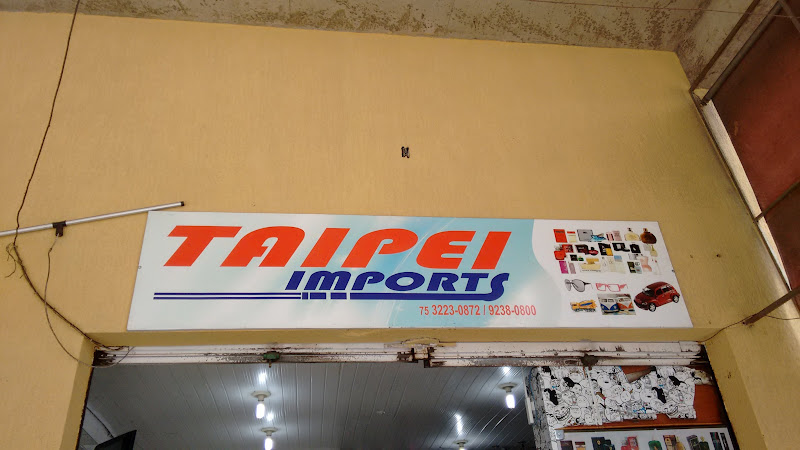
Taipei Imports
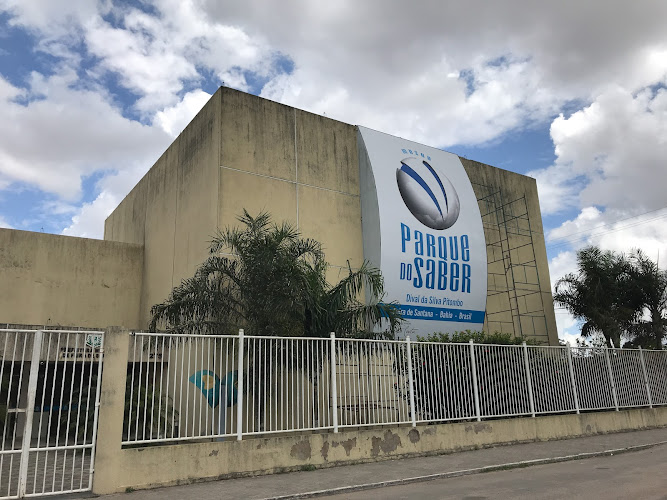
Museu Parque do Saber - Dival da Silva Pitombo
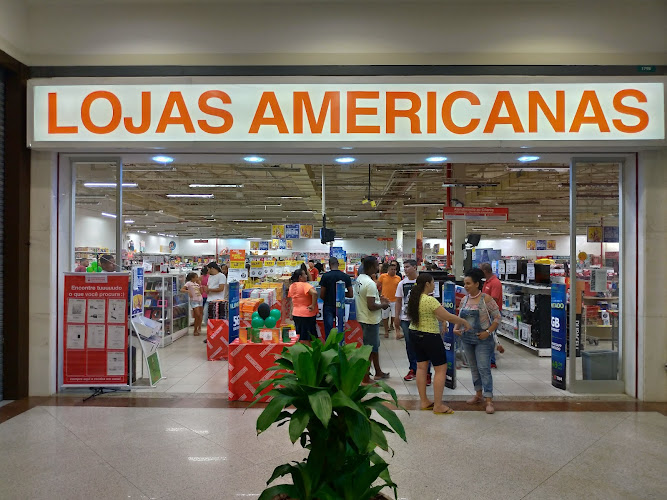
Americanas
Find Accommodations Nearby
Recommended Tours & Activities
Visitor Reviews
There are no reviews yet. Be the first one to write one.
Share Your Experience
Have you visited R. Carlos Valadares, 1196 – Centro? Help other travelers by leaving a review.