
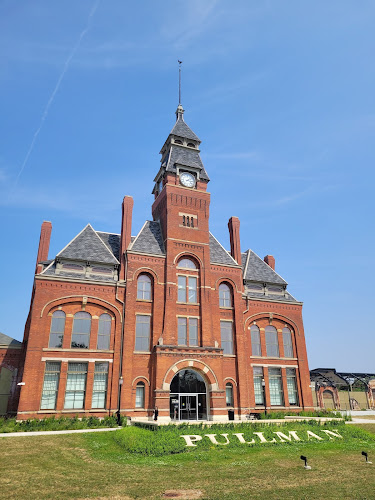
Pullman National Historical Park
About Pullman National Historical Park
Description
Step back in time to one of America's most significant industrial-era communities at Pullman National Historical Park. This remarkable piece of American history stands as a testament to the revolutionary concept of a planned industrial community from the late 1800s. As you walk these historic streets, you'll find yourself surrounded by the beautifully preserved red-brick buildings that once housed the workers of the Pullman Palace Car Company - the folks who crafted those luxurious railroad sleeping cars that changed the face of American travel. But this isn't just about pretty architecture. This place tells a much deeper story about American labor rights, urban planning, and social reform. The park showcases the innovative - though sometimes controversial - vision of George Pullman, who built this town from the ground up to house his workers. You can still see the impressive factory buildings where thousands of employees once crafted those famous Pullman cars, the elegant Hotel Florence (named after Pullman's daughter), and rows of meticulously maintained worker housing that really make you feel like you've traveled back to the 1880s.Key Features
• Historic Administration Clock Tower Building - The crown jewel of the park, featuring distinctive architecture and serving as the former administrative headquarters • Hotel Florence - An elegantly restored 1881 structure that hosted Pullman's distinguished guests • Historic Worker Housing - Remarkably preserved rows of worker homes showcasing different levels of housing based on worker status • Factory Complex - The massive industrial buildings where Pullman's famous sleeping cars were manufactured • Pullman Factory Site - Original grounds where workers assembled the revolutionary sleeping cars • Visitor Center - Located in the historic Administration Building, offering exhibits and educational programs • Historic Greenstone Church - A beautiful architectural landmark that served as the community's spiritual center • Market Hall - Former shopping arcade that exemplifies the self-contained nature of the planned communityBest Time to Visit
Summer and early fall offer the most pleasant conditions for exploring Pullman. The warm weather between June and September makes it perfect for walking tours and outdoor photography. I'd especially recommend visiting during September when the weather cools down a bit and the crowds thin out. Plus, that's when many of the special events and festivals happen. Spring can be lovely too, especially in May when the gardens start blooming, but Chicago weather can be unpredictable. Winter visits have their own charm - the historic buildings look gorgeous under a blanket of snow - but the cold can be pretty intense, and some areas might have limited access.How to Get There
Getting to Pullman is actually pretty straightforward. If you're driving, the park is easily accessible from Interstate 94. But honestly, I prefer taking public transit - it's more environmentally friendly and saves you the hassle of parking. The Metra Electric line from downtown Chicago drops you within walking distance of the park. Several CTA bus routes also serve the area. For out-of-towners flying in, both Midway and O'Hare airports offer good connections to the park via public transportation or car rental services. Just remember to factor in Chicago traffic if you're driving during rush hour - trust me, it can add significant time to your journey.Tips for Visiting
Start your visit at the Administration Building's visitor center - the rangers there are incredibly knowledgeable and can really enhance your experience. I learned so much from chatting with them during my last visit! They'll hook you up with maps and the latest info about guided tours. Wear comfortable walking shoes because you'll be doing quite a bit of walking to really appreciate the site. The streets are historic, and some surfaces can be uneven. Bring a water bottle and snacks since food options in the immediate area can be limited. Photography enthusiasts should plan their visits for early morning or late afternoon when the light hits those red-brick buildings just right. The shadows and warm glow make for some amazing shots. Consider joining a ranger-led tour if possible - they run regularly during peak season and offer fascinating insights you might miss on your own. And don't rush it! Plan at least 2-3 hours to properly explore the site and soak in the history. If you're interested in architecture or industrial history, bring a pair of binoculars to check out the detailed craftsmanship on the building facades. Some of the ornate details are pretty incredible when you look up close. For history buffs, I'd recommend reading up a bit about the 1894 Pullman Strike before your visit - it'll make the experience so much more meaningful. The events that unfolded here changed American labor history forever. And ya know what? Don't forget to check out the neighborhood beyond the park boundaries. The area around Pullman is experiencing a real renaissance, with some cool local businesses and restaurants popping up. It's worth exploring if you've got the time. Lastly, keep in mind that some buildings are still being restored, so portions might be closed off during your visit. Check the park's current conditions before heading out to avoid any disappointment. The ongoing preservation work is actually pretty fascinating to see - it's like watching history being carefully pieced back together!Key Features
- Key Features
- Best Time to Visit
- How to Get There
- Tips for Visiting
More Details
Updated May 15, 2025
Table of Contents
Description
Step back in time to one of America’s most significant industrial-era communities at Pullman National Historical Park. This remarkable piece of American history stands as a testament to the revolutionary concept of a planned industrial community from the late 1800s. As you walk these historic streets, you’ll find yourself surrounded by the beautifully preserved red-brick buildings that once housed the workers of the Pullman Palace Car Company – the folks who crafted those luxurious railroad sleeping cars that changed the face of American travel.
But this isn’t just about pretty architecture. This place tells a much deeper story about American labor rights, urban planning, and social reform. The park showcases the innovative – though sometimes controversial – vision of George Pullman, who built this town from the ground up to house his workers. You can still see the impressive factory buildings where thousands of employees once crafted those famous Pullman cars, the elegant Hotel Florence (named after Pullman’s daughter), and rows of meticulously maintained worker housing that really make you feel like you’ve traveled back to the 1880s.
Key Features
• Historic Administration Clock Tower Building – The crown jewel of the park, featuring distinctive architecture and serving as the former administrative headquarters
• Hotel Florence – An elegantly restored 1881 structure that hosted Pullman’s distinguished guests
• Historic Worker Housing – Remarkably preserved rows of worker homes showcasing different levels of housing based on worker status
• Factory Complex – The massive industrial buildings where Pullman’s famous sleeping cars were manufactured
• Pullman Factory Site – Original grounds where workers assembled the revolutionary sleeping cars
• Visitor Center – Located in the historic Administration Building, offering exhibits and educational programs
• Historic Greenstone Church – A beautiful architectural landmark that served as the community’s spiritual center
• Market Hall – Former shopping arcade that exemplifies the self-contained nature of the planned community
Best Time to Visit
Summer and early fall offer the most pleasant conditions for exploring Pullman. The warm weather between June and September makes it perfect for walking tours and outdoor photography. I’d especially recommend visiting during September when the weather cools down a bit and the crowds thin out. Plus, that’s when many of the special events and festivals happen.
Spring can be lovely too, especially in May when the gardens start blooming, but Chicago weather can be unpredictable. Winter visits have their own charm – the historic buildings look gorgeous under a blanket of snow – but the cold can be pretty intense, and some areas might have limited access.
How to Get There
Getting to Pullman is actually pretty straightforward. If you’re driving, the park is easily accessible from Interstate 94. But honestly, I prefer taking public transit – it’s more environmentally friendly and saves you the hassle of parking. The Metra Electric line from downtown Chicago drops you within walking distance of the park. Several CTA bus routes also serve the area.
For out-of-towners flying in, both Midway and O’Hare airports offer good connections to the park via public transportation or car rental services. Just remember to factor in Chicago traffic if you’re driving during rush hour – trust me, it can add significant time to your journey.
Tips for Visiting
Start your visit at the Administration Building’s visitor center – the rangers there are incredibly knowledgeable and can really enhance your experience. I learned so much from chatting with them during my last visit! They’ll hook you up with maps and the latest info about guided tours.
Wear comfortable walking shoes because you’ll be doing quite a bit of walking to really appreciate the site. The streets are historic, and some surfaces can be uneven. Bring a water bottle and snacks since food options in the immediate area can be limited.
Photography enthusiasts should plan their visits for early morning or late afternoon when the light hits those red-brick buildings just right. The shadows and warm glow make for some amazing shots.
Consider joining a ranger-led tour if possible – they run regularly during peak season and offer fascinating insights you might miss on your own. And don’t rush it! Plan at least 2-3 hours to properly explore the site and soak in the history.
If you’re interested in architecture or industrial history, bring a pair of binoculars to check out the detailed craftsmanship on the building facades. Some of the ornate details are pretty incredible when you look up close.
For history buffs, I’d recommend reading up a bit about the 1894 Pullman Strike before your visit – it’ll make the experience so much more meaningful. The events that unfolded here changed American labor history forever.
And ya know what? Don’t forget to check out the neighborhood beyond the park boundaries. The area around Pullman is experiencing a real renaissance, with some cool local businesses and restaurants popping up. It’s worth exploring if you’ve got the time.
Lastly, keep in mind that some buildings are still being restored, so portions might be closed off during your visit. Check the park’s current conditions before heading out to avoid any disappointment. The ongoing preservation work is actually pretty fascinating to see – it’s like watching history being carefully pieced back together!
Key Highlights
- Key Features
- Best Time to Visit
- How to Get There
- Tips for Visiting
Location
Places to Stay Near Pullman National Historical Park
Find and Book a Tour
Explore More Travel Guides
No reviews found! Be the first to review!
Traveler Reviews for Pullman National Historical Park
There are no reviews yet. Be the first one to write one.
Have you visited Pullman National Historical Park? Help other travelers by sharing your review.
You Might Also Like
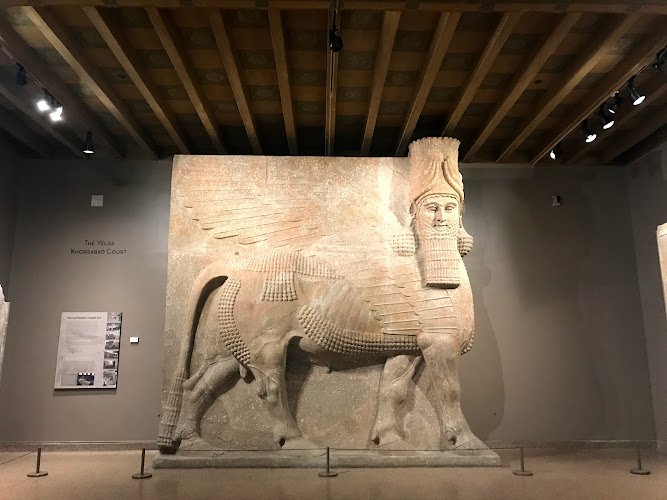
Institute for the Study of Ancient Cultures Museum
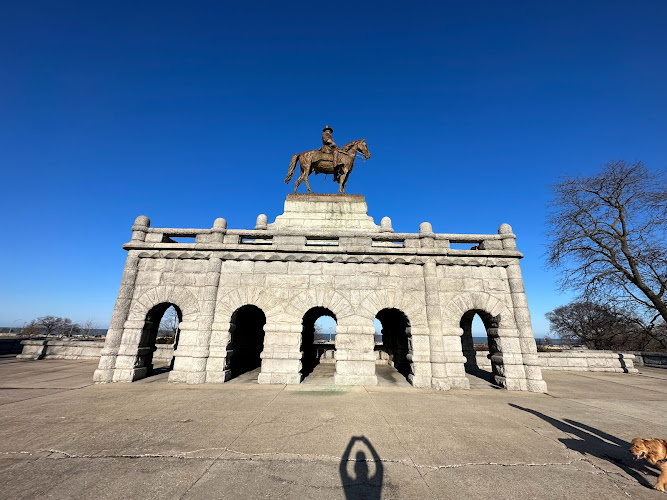
Ulysses S. Grant Monument

The 606
Find Accommodations Nearby
Recommended Tours & Activities
Visitor Reviews
There are no reviews yet. Be the first one to write one.
Share Your Experience
Have you visited Pullman National Historical Park? Help other travelers by leaving a review.