
Pul-e Kheshti Masjid
About Pul-e Kheshti Masjid
Description
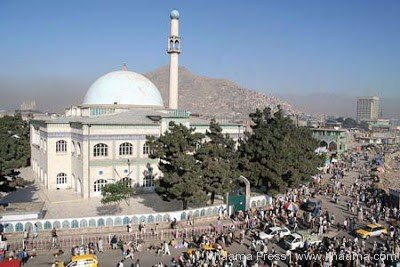
Standing proudly in the heart of old Kabul, the Pul-e Kheshti Masjid is Afghanistan's largest Sunni mosque and a breathtaking example of Islamic architecture. I was immediately struck by its distinctive blue domes and towering minarets when I first laid eyes on it - they seem to pierce the city's skyline like elegant arrows pointing heavenward. The mosque's name literally means "Brick Bridge Mosque," referring to the historic bridge that once crossed the Kabul River nearby.
Built in the 1930s during King Nadir Shah's reign, this magnificent structure has witnessed decades of Kabul's evolving story. The mosque can accommodate thousands of worshippers, and I love how its grand central courtyard fills with people during Friday prayers, creating an atmosphere that's both spiritually moving and culturally fascinating.
Key Features
- Stunning blue domes that dominate Kabul's skyline
- Intricate Islamic calligraphy adorning the interior walls
- Spacious central courtyard perfect for quiet reflection
- Four soaring minarets with detailed architectural designs
- Massive prayer hall that can hold over 10,000 worshippers
- Beautiful marble floors throughout the complex
- Ornate chandeliers illuminating the main prayer space
- Peaceful ablution areas for ritual cleansing
Best Time to Visit
From my experience, the ideal time to visit Pul-e Kheshti Masjid is during the early morning hours or just before sunset. The light at these times creates an almost magical effect on the blue domes and white marble. But honestly? I'd avoid visiting during Friday prayers unless you're there to participate - it gets pretty crowded!
Spring (March to May) and autumn (September to November) offer the most pleasant weather for exploring the mosque and its surroundings. Summer can be intensely hot, while winter brings chilly temperatures and occasional snow, though the mosque looks particularly ethereal when dusted in white.
How to Get There
Getting to Pul-e Kheshti ain't too complicated - it's right in the busy Mandawi market area of old Kabul. Y'know what I found works best? Grab a taxi from anywhere in the city - the drivers all know it, trust me. If you're feeling adventurous like I was on my first visit, you can take a local bus to the Mandawi area, but I gotta warn ya - it can get pretty hectic during rush hour!
The mosque is actually a great landmark for navigation around old Kabul, since those beautiful blue domes are visible from quite a distance. Just keep an eye out for them and you'll find your way there eventually.
Tips for Visiting
Look, I learned some of these the hard way, so lemme save you some trouble! First off, dress respectfully - that means covering shoulders and knees for everyone, and women should bring a headscarf. I always recommend wearing easily removable shoes since you'll need to take them off before entering.
Time your visit around prayer times unless you're planning to participate. The mosque is typically open to visitors outside of prayer times, but it's always good to double-check current conditions. Oh, and bring your camera - but always ask permission before taking photos inside, especially during prayers.
Remember to carry some small bills for donations - while there's no official entrance fee, it's customary to make a small contribution to the mosque's upkeep. And seriously, don't forget to take a moment to just sit quietly in the courtyard - it's an incredible place for peaceful reflection, even amid the bustling city.
As a non-Muslim visitor, you might feel a bit uncertain about protocol - don't worry, I've been there! The caretakers are usually super helpful and will guide you through appropriate behavior. Just be respectful, quiet, and follow the lead of others, and you'll be fine.
One last thing - the surrounding Mandawi market is fantastic for exploring after your mosque visit. The area gets pretty busy though, so keep your belongings close and maybe leave the flashy jewelry at home. Trust me on this one - it's all about blending in and staying aware of your surroundings while soaking in this remarkable piece of Afghan heritage.
Key Features
- Stunning blue domes that dominate Kabul's skyline
- Intricate Islamic calligraphy adorning the interior walls
- Spacious central courtyard perfect for quiet reflection
- Four soaring minarets with detailed architectural designs
- Massive prayer hall that can hold over 10,000 worshippers
- Beautiful marble floors throughout the complex
- Ornate chandeliers illuminating the main prayer space
- Peaceful ablution areas for ritual cleansing
More Details
Updated May 13, 2025
Table of Contents
Description
Standing proudly in the heart of old Kabul, the Pul-e Kheshti Masjid is Afghanistan’s largest Sunni mosque and a breathtaking example of Islamic architecture. I was immediately struck by its distinctive blue domes and towering minarets when I first laid eyes on it – they seem to pierce the city’s skyline like elegant arrows pointing heavenward. The mosque’s name literally means “Brick Bridge Mosque,” referring to the historic bridge that once crossed the Kabul River nearby.
Built in the 1930s during King Nadir Shah’s reign, this magnificent structure has witnessed decades of Kabul’s evolving story. The mosque can accommodate thousands of worshippers, and I love how its grand central courtyard fills with people during Friday prayers, creating an atmosphere that’s both spiritually moving and culturally fascinating.
Key Features
- Stunning blue domes that dominate Kabul’s skyline
- Intricate Islamic calligraphy adorning the interior walls
- Spacious central courtyard perfect for quiet reflection
- Four soaring minarets with detailed architectural designs
- Massive prayer hall that can hold over 10,000 worshippers
- Beautiful marble floors throughout the complex
- Ornate chandeliers illuminating the main prayer space
- Peaceful ablution areas for ritual cleansing
Best Time to Visit
From my experience, the ideal time to visit Pul-e Kheshti Masjid is during the early morning hours or just before sunset. The light at these times creates an almost magical effect on the blue domes and white marble. But honestly? I’d avoid visiting during Friday prayers unless you’re there to participate – it gets pretty crowded!
Spring (March to May) and autumn (September to November) offer the most pleasant weather for exploring the mosque and its surroundings. Summer can be intensely hot, while winter brings chilly temperatures and occasional snow, though the mosque looks particularly ethereal when dusted in white.
How to Get There
Getting to Pul-e Kheshti ain’t too complicated – it’s right in the busy Mandawi market area of old Kabul. Y’know what I found works best? Grab a taxi from anywhere in the city – the drivers all know it, trust me. If you’re feeling adventurous like I was on my first visit, you can take a local bus to the Mandawi area, but I gotta warn ya – it can get pretty hectic during rush hour!
The mosque is actually a great landmark for navigation around old Kabul, since those beautiful blue domes are visible from quite a distance. Just keep an eye out for them and you’ll find your way there eventually.
Tips for Visiting
Look, I learned some of these the hard way, so lemme save you some trouble! First off, dress respectfully – that means covering shoulders and knees for everyone, and women should bring a headscarf. I always recommend wearing easily removable shoes since you’ll need to take them off before entering.
Time your visit around prayer times unless you’re planning to participate. The mosque is typically open to visitors outside of prayer times, but it’s always good to double-check current conditions. Oh, and bring your camera – but always ask permission before taking photos inside, especially during prayers.
Remember to carry some small bills for donations – while there’s no official entrance fee, it’s customary to make a small contribution to the mosque’s upkeep. And seriously, don’t forget to take a moment to just sit quietly in the courtyard – it’s an incredible place for peaceful reflection, even amid the bustling city.
As a non-Muslim visitor, you might feel a bit uncertain about protocol – don’t worry, I’ve been there! The caretakers are usually super helpful and will guide you through appropriate behavior. Just be respectful, quiet, and follow the lead of others, and you’ll be fine.
One last thing – the surrounding Mandawi market is fantastic for exploring after your mosque visit. The area gets pretty busy though, so keep your belongings close and maybe leave the flashy jewelry at home. Trust me on this one – it’s all about blending in and staying aware of your surroundings while soaking in this remarkable piece of Afghan heritage.
Key Highlights
- Stunning blue domes that dominate Kabul's skyline
- Intricate Islamic calligraphy adorning the interior walls
- Spacious central courtyard perfect for quiet reflection
- Four soaring minarets with detailed architectural designs
- Massive prayer hall that can hold over 10,000 worshippers
- Beautiful marble floors throughout the complex
- Ornate chandeliers illuminating the main prayer space
- Peaceful ablution areas for ritual cleansing
Location
Places to Stay Near Pul-e Kheshti Masjid
Find and Book a Tour
Explore More Travel Guides
No reviews found! Be the first to review!
Traveler Reviews for Pul-e Kheshti Masjid
There are no reviews yet. Be the first one to write one.
Have you visited Pul-e Kheshti Masjid? Help other travelers by sharing your review.
You Might Also Like

Kabul Water Park
Bala Hissar Fortress
Shah-Do Shamshira Mosque
Find Accommodations Nearby
Recommended Tours & Activities
Visitor Reviews
There are no reviews yet. Be the first one to write one.
Share Your Experience
Have you visited Pul-e Kheshti Masjid? Help other travelers by leaving a review.