About Puente Roto

Description

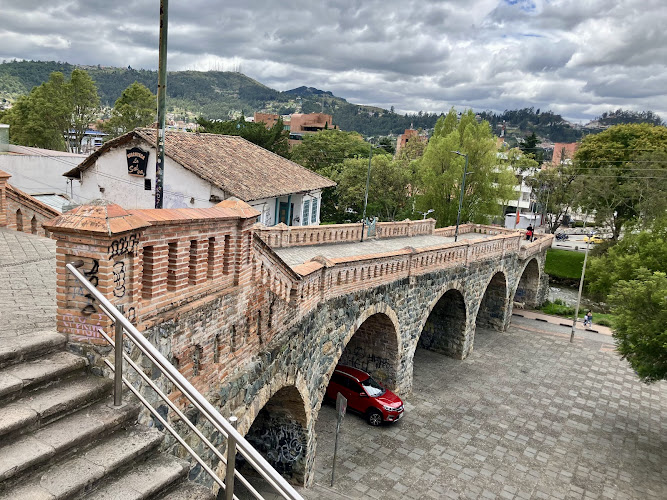
The Puente Roto in Cuenca, Ecuador, is not your average landmark. It’s the remains of what once was a proud 19th-century stone bridge spanning the Tomebamba River. Over time, nature literally took its toll—floodwaters from the fierce río Tomebamba partially destroyed the bridge, leaving behind stunning stone arches and weathered walls that stand as a reminder of history’s weight. What remains now is less about utility and more about atmosphere—a spot where locals, travelers, and photographers gather to soak in the riverside views and capture a piece of the city’s layered story.

Walking along the river here feels almost meditative. There are grassy walkways, charming cafés and restaurants nearby, and always the sound of the river rushing past. You’ll see students sketching, artists standing with their easels, and occasionally families letting their kids run around while they chat and relax. In other words, Puente Roto isn’t just about stone and arches, it’s about life happening around it today. Sure, some folks might joke that it’s just a broken bridge—but honestly, it’s more than that. It’s a free, cultural open-air site where history meets everyday leisure. If you’re someone who loves spaces with character that also offer a great backdrop for photos, this place checks that box.

Of course, not everyone finds it mind-blowing. Some people expect a fully intact, massive structure, and when they arrive, they’re surprised to find partial ruins. But to me, that’s the charm—its imperfections are what make Puente Roto beautiful and unique. It evokes questions: What was it like when the bridge stood tall? How did locals react when floods battered it down centuries ago? And in a city overflowing with perfectly preserved cathedrals and museums, Puente Roto is refreshing for being imperfect yet still standing proud. It has become one of the most photographed spots in the historic area, and honestly, it deserves the attention.

Key Features

  • Remnants of a 19th-century stone bridge partially destroyed by floods, giving it a distinctive appearance
  • Located right along the Tomebamba River with scenic walkways, green lawns, and open spaces
  • Popular riverside recreation area with casual dining and cafés nearby
  • Great photography opportunities, especially for capturing contrasts of water, stone, and city life
  • Relaxed atmosphere where locals gather, making it a cultural touchpoint more than just a ruin
  • Accessible for families with kids, but note that full wheelchair access is limited in the historic area
  • Free to visit, making it a budget-friendly attraction right in the heart of Cuenca

Best Time to Visit

If you ask the locals, mornings and late afternoons are the best times to stroll through Puente Roto. In the morning, the light is softer, ideal for photos when the river glistens under the sun rising over Cuenca’s old city. Afternoons are perfect for lingering with a coffee nearby—you’ll see the whole site come alive with people walking their dogs or families enjoying the riverside lawns. Weekends tend to be busier, adding to the lively urban feel, but if you prefer a more reflective visit, weekdays are generally quieter.

Weather-wise, Cuenca is mild year-round, but the rainy season (usually from November to April) can dramatically change the experience. The Tomebamba River swells, the air smells fresher, and the stones of the bridge glisten darker. It’s dramatic, even romantic, but also worth keeping a light rain jacket handy. In the drier months, the pathways are easier to stroll, and you’re more likely to see street performers or even small art displays spread along the banks.

How to Get There

Puente Roto is set within Cuenca’s historic core, so reaching it is pretty straightforward. If you’re staying within the old town, you can likely walk there in 10–15 minutes from most main squares. The stroll is half the fun, with cobbled streets, colonial houses, and the buzz of local life on every corner. If you aren’t much of a walker, taxis in Cuenca are inexpensive, and most drivers will know exactly where to take you if you say “Puente Roto.”

For the more adventurous, grabbing a rented bicycle is another great way to arrive at the riverside. Cuenca is pretty bike-friendly, and the ride trails along the Tomebamba River offer a wonderful way to approach the bridge. Just keep in mind: the bridge itself is stairs and stone, so the biking part stops nearby.

Tips for Visiting

Visiting Puente Roto may sound straightforward, but a few insider tips can make your experience smoother and more enjoyable:

  • Plan for photos: Lighting is superb in the morning and around golden hour. The uneven stone of the old structure looks magical as the sun hits the river.
  • Bring walking shoes: The riverside paths are well-kept, but if you plan to wander up toward other streets in the area, some are a bit steep or cobbled.
  • Enjoy nearby dining: Don’t just stop for the bridge! Restaurants and small eateries line the riverside, and some offer perfect terrace seating overlooking the arches.
  • Expect simplicity: Remember, it’s not a grandiose ruin like Machu Picchu—it’s a broken bridge. Adjust your expectations, and you’ll likely find it meaningful for its atmosphere rather than its size.
  • Families welcome: Kids tend to enjoy the open grassy areas and the energy of people strolling by. Bring snacks or even a picnic blanket.
  • Mind accessibility: While the main area along the river offers easy paths, the uneven terrain by the bridge itself may not be friendly for wheelchairs or strollers.
  • Combine visits: Since Puente Roto is right in the city, pair your stop with a visit to nearby museums, churches, or a walk further along the Tomebamba River to see how Cuenca balances its historic and modern sides.

Some travelers only spend a quick 10–15 minutes here, snap photos, and move on, while others linger for hours sketching, wandering, or people-watching. Personally, I think the longer you stay, the more you uncover. The way the city hums around the bridge, the way the river keeps tugging at its foundation—it all tells a story of endurance. And really, isn’t that the sort of story we all look for when we travel?

Key Features

  • Remnants of a 19th-century stone bridge partially destroyed by floods, giving it a distinctive appearance
  • Located right along the Tomebamba River with scenic walkways, green lawns, and open spaces
  • Popular riverside recreation area with casual dining and cafés nearby
  • Great photography opportunities, especially for capturing contrasts of water, stone, and city life
  • Relaxed atmosphere where locals gather, making it a cultural touchpoint more than just a ruin
  • Accessible for families with kids, but note that full wheelchair access is limited in the historic area
  • Free to visit, making it a budget-friendly attraction right in the heart of Cuenca

More Details

Updated October 1, 2025


Description

The Puente Roto in Cuenca, Ecuador, is not your average landmark. It’s the remains of what once was a proud 19th-century stone bridge spanning the Tomebamba River. Over time, nature literally took its toll—floodwaters from the fierce río Tomebamba partially destroyed the bridge, leaving behind stunning stone arches and weathered walls that stand as a reminder of history’s weight. What remains now is less about utility and more about atmosphere—a spot where locals, travelers, and photographers gather to soak in the riverside views and capture a piece of the city’s layered story.

Walking along the river here feels almost meditative. There are grassy walkways, charming cafés and restaurants nearby, and always the sound of the river rushing past. You’ll see students sketching, artists standing with their easels, and occasionally families letting their kids run around while they chat and relax. In other words, Puente Roto isn’t just about stone and arches, it’s about life happening around it today. Sure, some folks might joke that it’s just a broken bridge—but honestly, it’s more than that. It’s a free, cultural open-air site where history meets everyday leisure. If you’re someone who loves spaces with character that also offer a great backdrop for photos, this place checks that box.

Of course, not everyone finds it mind-blowing. Some people expect a fully intact, massive structure, and when they arrive, they’re surprised to find partial ruins. But to me, that’s the charm—its imperfections are what make Puente Roto beautiful and unique. It evokes questions: What was it like when the bridge stood tall? How did locals react when floods battered it down centuries ago? And in a city overflowing with perfectly preserved cathedrals and museums, Puente Roto is refreshing for being imperfect yet still standing proud. It has become one of the most photographed spots in the historic area, and honestly, it deserves the attention.

Key Features

  • Remnants of a 19th-century stone bridge partially destroyed by floods, giving it a distinctive appearance
  • Located right along the Tomebamba River with scenic walkways, green lawns, and open spaces
  • Popular riverside recreation area with casual dining and cafés nearby
  • Great photography opportunities, especially for capturing contrasts of water, stone, and city life
  • Relaxed atmosphere where locals gather, making it a cultural touchpoint more than just a ruin
  • Accessible for families with kids, but note that full wheelchair access is limited in the historic area
  • Free to visit, making it a budget-friendly attraction right in the heart of Cuenca

Best Time to Visit

If you ask the locals, mornings and late afternoons are the best times to stroll through Puente Roto. In the morning, the light is softer, ideal for photos when the river glistens under the sun rising over Cuenca’s old city. Afternoons are perfect for lingering with a coffee nearby—you’ll see the whole site come alive with people walking their dogs or families enjoying the riverside lawns. Weekends tend to be busier, adding to the lively urban feel, but if you prefer a more reflective visit, weekdays are generally quieter.

Weather-wise, Cuenca is mild year-round, but the rainy season (usually from November to April) can dramatically change the experience. The Tomebamba River swells, the air smells fresher, and the stones of the bridge glisten darker. It’s dramatic, even romantic, but also worth keeping a light rain jacket handy. In the drier months, the pathways are easier to stroll, and you’re more likely to see street performers or even small art displays spread along the banks.

How to Get There

Puente Roto is set within Cuenca’s historic core, so reaching it is pretty straightforward. If you’re staying within the old town, you can likely walk there in 10–15 minutes from most main squares. The stroll is half the fun, with cobbled streets, colonial houses, and the buzz of local life on every corner. If you aren’t much of a walker, taxis in Cuenca are inexpensive, and most drivers will know exactly where to take you if you say “Puente Roto.”

For the more adventurous, grabbing a rented bicycle is another great way to arrive at the riverside. Cuenca is pretty bike-friendly, and the ride trails along the Tomebamba River offer a wonderful way to approach the bridge. Just keep in mind: the bridge itself is stairs and stone, so the biking part stops nearby.

Tips for Visiting

Visiting Puente Roto may sound straightforward, but a few insider tips can make your experience smoother and more enjoyable:

  • Plan for photos: Lighting is superb in the morning and around golden hour. The uneven stone of the old structure looks magical as the sun hits the river.
  • Bring walking shoes: The riverside paths are well-kept, but if you plan to wander up toward other streets in the area, some are a bit steep or cobbled.
  • Enjoy nearby dining: Don’t just stop for the bridge! Restaurants and small eateries line the riverside, and some offer perfect terrace seating overlooking the arches.
  • Expect simplicity: Remember, it’s not a grandiose ruin like Machu Picchu—it’s a broken bridge. Adjust your expectations, and you’ll likely find it meaningful for its atmosphere rather than its size.
  • Families welcome: Kids tend to enjoy the open grassy areas and the energy of people strolling by. Bring snacks or even a picnic blanket.
  • Mind accessibility: While the main area along the river offers easy paths, the uneven terrain by the bridge itself may not be friendly for wheelchairs or strollers.
  • Combine visits: Since Puente Roto is right in the city, pair your stop with a visit to nearby museums, churches, or a walk further along the Tomebamba River to see how Cuenca balances its historic and modern sides.

Some travelers only spend a quick 10–15 minutes here, snap photos, and move on, while others linger for hours sketching, wandering, or people-watching. Personally, I think the longer you stay, the more you uncover. The way the city hums around the bridge, the way the river keeps tugging at its foundation—it all tells a story of endurance. And really, isn’t that the sort of story we all look for when we travel?

Key Highlights

  • Remnants of a 19th-century stone bridge partially destroyed by floods, giving it a distinctive appearance
  • Located right along the Tomebamba River with scenic walkways, green lawns, and open spaces
  • Popular riverside recreation area with casual dining and cafés nearby
  • Great photography opportunities, especially for capturing contrasts of water, stone, and city life
  • Relaxed atmosphere where locals gather, making it a cultural touchpoint more than just a ruin
  • Accessible for families with kids, but note that full wheelchair access is limited in the historic area
  • Free to visit, making it a budget-friendly attraction right in the heart of Cuenca

Location

Places to Stay Near Puente Roto

Find and Book a Tour

Explore More Travel Guides

No reviews found! Be the first to review!

Traveler Reviews for Puente Roto

There are no reviews yet. Be the first one to write one.

Share Your Experience

Have you visited Puente Roto? Help other travelers by sharing your review.

Find Accommodations Nearby

Recommended Tours & Activities

Visitor Reviews

There are no reviews yet. Be the first one to write one.

Share Your Experience

Have you visited Puente Roto? Help other travelers by leaving a review.