
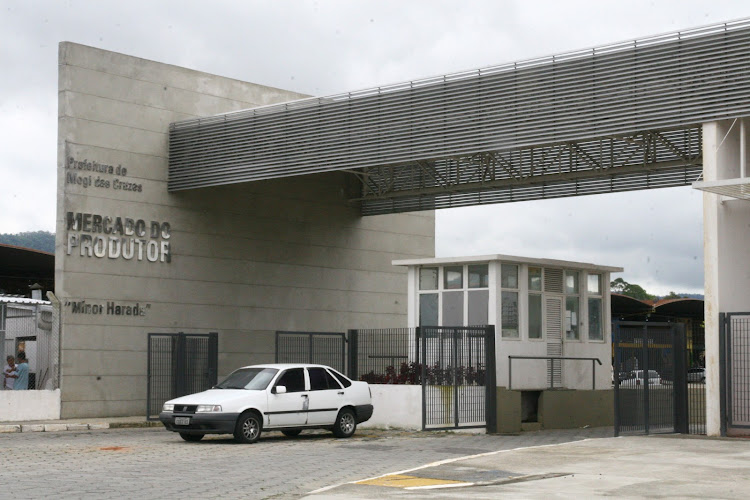
Producer Market
About Producer Market
Description
The Producer Market stands as a bustling wholesale vegetable and produce hub that's become something of an unexpected destination for travelers who want to experience authentic local commerce beyond the typical tourist circuit. I've always found that some of the most memorable travel experiences happen in places like this—where locals actually shop and where the rhythm of daily life unfolds without pretense. This isn't your polished farmers market with artisan cheeses and craft vendors. Instead, you're stepping into a working wholesale operation where restaurants, small grocers, and savvy shoppers come to source fresh fruits and vegetables at prices that'll make you wonder why you've been paying what you have back home. The scale here is impressive, with vendors moving serious quantities of produce throughout the day. What makes this place particularly interesting for travelers is that it offers a genuine glimpse into the region's food supply chain. You'll see boxes stacked high, forklifts zipping around, and negotiations happening in rapid-fire exchanges between buyers and sellers. It's raw, real, and honestly refreshing when so many travel experiences feel curated for Instagram these days. The market has adapted well to accommodate various visitors while maintaining its primary function as a wholesale operation. And yes, before you ask—they've made sure the facility is accessible to everyone, which isn't always a given in these working market environments. The management clearly understands that opening their doors to retail customers and curious travelers doesn't mean compromising on basic amenities and comfort.Key Features
The Producer Market delivers several standout characteristics that make it worth adding to your itinerary: • Wholesale pricing available to individual shoppers, not just bulk buyers—meaning you can actually take advantage of the same deals restaurants get if you're willing to buy reasonable quantities • Comprehensive wheelchair accessibility throughout the facility, including entrance points, parking areas, and restroom facilities, making it one of the more inclusive market experiences you'll find • Modern payment systems that accept credit cards, debit cards, and NFC mobile payments, so you won't need to carry cash around a busy market environment • Clean, maintained restroom facilities on-site, which honestly deserves mention because not all markets get this right • An impressive variety of seasonal produce that changes throughout the year, reflecting what's actually growing locally and regionally • Early morning operations when the market is at its most energetic, with vendors setting up and the day's first transactions creating an electric atmosphere • Cultural immersion opportunities as you observe and participate in authentic commercial interactions that haven't been sanitized for tourists • Photography opportunities that capture the textures, colors, and human elements of a working market—though be respectful and ask before photographing vendors • Educational value in understanding how food distribution actually works from farm to table, which changes how you think about your mealsBest Time to Visit
Timing really matters when you're planning a trip to the Producer Market, and I can't stress this enough. The experience you'll have at 6 AM versus 2 PM is dramatically different. Early morning visits, particularly between 5 AM and 8 AM, offer the most authentic experience. Yeah, I know—that's painfully early when you're on vacation. But this is when the market pulses with real energy. Vendors are fresh, inventory is at its peak, and you'll witness the serious buyers doing their thing. I remember dragging myself out of bed at an ungodly hour to visit a similar market once, and despite my initial grumbling, it ended up being a highlight of that trip. There's something almost meditative about watching a place wake up and get to work. Mid-morning through early afternoon works if you're not a morning person or if you're traveling with kids who need their sleep. You'll still find good selection and activity, though the frantic energy will have settled somewhat. The advantage here is that vendors might be more willing to chat and answer questions since the rush has passed. Seasonally speaking, late spring through early fall typically brings the greatest variety of local produce. Summer months explode with options—tomatoes in more varieties than you knew existed, stone fruits, berries, and vegetables of every description. But don't dismiss winter visits entirely. Root vegetables, hardy greens, and citrus fruits create their own appeal, and the market takes on a different character when it's not packed to the gills. Weekdays generally offer better experiences than weekends. The wholesale operations run strongest during the work week, and you'll avoid whatever weekend crowds might show up. Tuesday through Thursday seem to hit the sweet spot in most produce markets I've visited. Weather considerations matter too. If it's a covered facility, rain won't affect your visit much, but extreme heat can make navigating a busy market exhausting. Check the forecast and plan accordingly—comfortable temperatures make browsing much more enjoyable.How to Get There
Getting to the Producer Market requires a bit of planning since these wholesale operations aren't typically located in downtown tourist districts. They need space for loading docks, parking lots, and warehouse-style buildings, which means they're usually situated in commercial or industrial areas. Driving yourself is honestly the most practical option. You'll want your own vehicle anyway if you end up buying produce—and trust me, the prices might tempt you into purchases you hadn't planned. The parking lot accommodates various vehicle sizes and includes designated accessible parking spots near the entrance. Navigation apps will get you there without much trouble, though you might want to save the location offline in case cell service gets spotty in industrial areas. Ride-sharing services work perfectly fine if you're not renting a car. Just be aware that finding a driver for the return trip during early morning hours might take longer than usual. Also, if you buy anything substantial, you'll need to manage carrying it, which could get awkward. Public transportation is hit or miss depending on the local transit system. Some cities run bus routes to commercial districts that would get you reasonably close, but you might face a walk of several blocks. Early morning public transit can be infrequent too. Check schedules carefully if you're going this route—literally. Taxi services remain an option, though they'll cost more than ride-sharing. The advantage is that drivers familiar with the area will know exactly where the market is and the best entrance to use. If you're staying at a hotel with a concierge, ask them about transportation options. Sometimes local tour operators run market tours that include transportation, which could solve multiple problems at once while adding context through a guide's knowledge.Tips for Visiting
Let me share some practical wisdom that'll help you make the most of your Producer Market experience, learned from both successful visits and a few mistakes I'd rather not repeat. Dress practically, not fashionably. Wear comfortable shoes with good traction because market floors can be wet or slippery. Layers work better than a single jacket since temperatures inside large warehouse-style buildings can vary. Leave your nice clothes at the hotel—this is a working environment where you might brush against crates or squeeze past stacked boxes. Bring cash even though the market accepts cards. Some individual vendors might prefer cash for smaller purchases, and you'll have more negotiating flexibility. But the acceptance of modern payment methods means you're not stuck if you forget to hit the ATM. Start with a walkthrough before buying anything. The market is likely bigger than you think, and the best deals or most interesting items might be at the far end. I once bought a flat of strawberries at the first stall I saw, then found better quality for less money three aisles over. Learn from my impatience. Don't be intimidated by the wholesale atmosphere. Yes, some vendors are conducting serious business with restaurant buyers, but most welcome retail customers too. Ask questions, show genuine interest, and people generally respond positively. The worst they can say is that they only sell in bulk quantities you can't manage. Bring reusable bags or a cooler if you're buying perishables. The market may provide boxes, but having your own carrying solution makes life easier. A small cooler in your car becomes essential if you're buying items that need refrigeration and you're not heading straight back to your accommodation. Learn basic produce selection skills before you go. Knowing how to identify ripe melons, fresh herbs, or quality vegetables means you'll get better value. Vendors appreciate customers who understand what they're looking at. Visit the restroom before you start shopping. Once you're deep into the market with your hands full, backtracking becomes annoying. Be respectful of working buyers and operational flow. You're essentially a guest in their workplace. Don't block aisles, keep your group together, and watch for forklifts and hand trucks. Sample when offered, but don't expect it. This isn't a farmers market with tasting stations. When vendors do offer samples, it's a generous gesture worth acknowledging. Consider the logistics of your purchases. Can you actually use five pounds of cilantro before it goes bad? Will those beautiful but delicate tomatoes survive in your suitcase? Think practically, even when prices tempt you toward excess. Take photos respectfully and ask permission when photographing people. Vendors are working, not performing, and deserve basic courtesy regarding their image. Leave room in your schedule. A quick thirty-minute stop can easily stretch to two hours when you're engaged and exploring. And honestly, that's when the best experiences happen—when you're not rushing through to check a box on your itinerary.Key Features
- Key Features
- Best Time to Visit
- How to Get There
- Tips for Visiting
More Details
Updated January 5, 2026
Table of Contents
Description
The Producer Market stands as a bustling wholesale vegetable and produce hub that’s become something of an unexpected destination for travelers who want to experience authentic local commerce beyond the typical tourist circuit. I’ve always found that some of the most memorable travel experiences happen in places like this—where locals actually shop and where the rhythm of daily life unfolds without pretense.
This isn’t your polished farmers market with artisan cheeses and craft vendors. Instead, you’re stepping into a working wholesale operation where restaurants, small grocers, and savvy shoppers come to source fresh fruits and vegetables at prices that’ll make you wonder why you’ve been paying what you have back home. The scale here is impressive, with vendors moving serious quantities of produce throughout the day.
What makes this place particularly interesting for travelers is that it offers a genuine glimpse into the region’s food supply chain. You’ll see boxes stacked high, forklifts zipping around, and negotiations happening in rapid-fire exchanges between buyers and sellers. It’s raw, real, and honestly refreshing when so many travel experiences feel curated for Instagram these days.
The market has adapted well to accommodate various visitors while maintaining its primary function as a wholesale operation. And yes, before you ask—they’ve made sure the facility is accessible to everyone, which isn’t always a given in these working market environments. The management clearly understands that opening their doors to retail customers and curious travelers doesn’t mean compromising on basic amenities and comfort.
Key Features
The Producer Market delivers several standout characteristics that make it worth adding to your itinerary:
• Wholesale pricing available to individual shoppers, not just bulk buyers—meaning you can actually take advantage of the same deals restaurants get if you’re willing to buy reasonable quantities
• Comprehensive wheelchair accessibility throughout the facility, including entrance points, parking areas, and restroom facilities, making it one of the more inclusive market experiences you’ll find
• Modern payment systems that accept credit cards, debit cards, and NFC mobile payments, so you won’t need to carry cash around a busy market environment
• Clean, maintained restroom facilities on-site, which honestly deserves mention because not all markets get this right
• An impressive variety of seasonal produce that changes throughout the year, reflecting what’s actually growing locally and regionally
• Early morning operations when the market is at its most energetic, with vendors setting up and the day’s first transactions creating an electric atmosphere
• Cultural immersion opportunities as you observe and participate in authentic commercial interactions that haven’t been sanitized for tourists
• Photography opportunities that capture the textures, colors, and human elements of a working market—though be respectful and ask before photographing vendors
• Educational value in understanding how food distribution actually works from farm to table, which changes how you think about your meals
Best Time to Visit
Timing really matters when you’re planning a trip to the Producer Market, and I can’t stress this enough. The experience you’ll have at 6 AM versus 2 PM is dramatically different.
Early morning visits, particularly between 5 AM and 8 AM, offer the most authentic experience. Yeah, I know—that’s painfully early when you’re on vacation. But this is when the market pulses with real energy. Vendors are fresh, inventory is at its peak, and you’ll witness the serious buyers doing their thing. I remember dragging myself out of bed at an ungodly hour to visit a similar market once, and despite my initial grumbling, it ended up being a highlight of that trip. There’s something almost meditative about watching a place wake up and get to work.
Mid-morning through early afternoon works if you’re not a morning person or if you’re traveling with kids who need their sleep. You’ll still find good selection and activity, though the frantic energy will have settled somewhat. The advantage here is that vendors might be more willing to chat and answer questions since the rush has passed.
Seasonally speaking, late spring through early fall typically brings the greatest variety of local produce. Summer months explode with options—tomatoes in more varieties than you knew existed, stone fruits, berries, and vegetables of every description. But don’t dismiss winter visits entirely. Root vegetables, hardy greens, and citrus fruits create their own appeal, and the market takes on a different character when it’s not packed to the gills.
Weekdays generally offer better experiences than weekends. The wholesale operations run strongest during the work week, and you’ll avoid whatever weekend crowds might show up. Tuesday through Thursday seem to hit the sweet spot in most produce markets I’ve visited.
Weather considerations matter too. If it’s a covered facility, rain won’t affect your visit much, but extreme heat can make navigating a busy market exhausting. Check the forecast and plan accordingly—comfortable temperatures make browsing much more enjoyable.
How to Get There
Getting to the Producer Market requires a bit of planning since these wholesale operations aren’t typically located in downtown tourist districts. They need space for loading docks, parking lots, and warehouse-style buildings, which means they’re usually situated in commercial or industrial areas.
Driving yourself is honestly the most practical option. You’ll want your own vehicle anyway if you end up buying produce—and trust me, the prices might tempt you into purchases you hadn’t planned. The parking lot accommodates various vehicle sizes and includes designated accessible parking spots near the entrance. Navigation apps will get you there without much trouble, though you might want to save the location offline in case cell service gets spotty in industrial areas.
Ride-sharing services work perfectly fine if you’re not renting a car. Just be aware that finding a driver for the return trip during early morning hours might take longer than usual. Also, if you buy anything substantial, you’ll need to manage carrying it, which could get awkward.
Public transportation is hit or miss depending on the local transit system. Some cities run bus routes to commercial districts that would get you reasonably close, but you might face a walk of several blocks. Early morning public transit can be infrequent too. Check schedules carefully if you’re going this route—literally.
Taxi services remain an option, though they’ll cost more than ride-sharing. The advantage is that drivers familiar with the area will know exactly where the market is and the best entrance to use.
If you’re staying at a hotel with a concierge, ask them about transportation options. Sometimes local tour operators run market tours that include transportation, which could solve multiple problems at once while adding context through a guide’s knowledge.
Tips for Visiting
Let me share some practical wisdom that’ll help you make the most of your Producer Market experience, learned from both successful visits and a few mistakes I’d rather not repeat.
Dress practically, not fashionably. Wear comfortable shoes with good traction because market floors can be wet or slippery. Layers work better than a single jacket since temperatures inside large warehouse-style buildings can vary. Leave your nice clothes at the hotel—this is a working environment where you might brush against crates or squeeze past stacked boxes.
Bring cash even though the market accepts cards. Some individual vendors might prefer cash for smaller purchases, and you’ll have more negotiating flexibility. But the acceptance of modern payment methods means you’re not stuck if you forget to hit the ATM.
Start with a walkthrough before buying anything. The market is likely bigger than you think, and the best deals or most interesting items might be at the far end. I once bought a flat of strawberries at the first stall I saw, then found better quality for less money three aisles over. Learn from my impatience.
Don’t be intimidated by the wholesale atmosphere. Yes, some vendors are conducting serious business with restaurant buyers, but most welcome retail customers too. Ask questions, show genuine interest, and people generally respond positively. The worst they can say is that they only sell in bulk quantities you can’t manage.
Bring reusable bags or a cooler if you’re buying perishables. The market may provide boxes, but having your own carrying solution makes life easier. A small cooler in your car becomes essential if you’re buying items that need refrigeration and you’re not heading straight back to your accommodation.
Learn basic produce selection skills before you go. Knowing how to identify ripe melons, fresh herbs, or quality vegetables means you’ll get better value. Vendors appreciate customers who understand what they’re looking at.
Visit the restroom before you start shopping. Once you’re deep into the market with your hands full, backtracking becomes annoying.
Be respectful of working buyers and operational flow. You’re essentially a guest in their workplace. Don’t block aisles, keep your group together, and watch for forklifts and hand trucks.
Sample when offered, but don’t expect it. This isn’t a farmers market with tasting stations. When vendors do offer samples, it’s a generous gesture worth acknowledging.
Consider the logistics of your purchases. Can you actually use five pounds of cilantro before it goes bad? Will those beautiful but delicate tomatoes survive in your suitcase? Think practically, even when prices tempt you toward excess.
Take photos respectfully and ask permission when photographing people. Vendors are working, not performing, and deserve basic courtesy regarding their image.
Leave room in your schedule. A quick thirty-minute stop can easily stretch to two hours when you’re engaged and exploring. And honestly, that’s when the best experiences happen—when you’re not rushing through to check a box on your itinerary.
Key Highlights
- Key Features
- Best Time to Visit
- How to Get There
- Tips for Visiting
Location
Places to Stay Near Producer Market
Find and Book a Tour
Explore More Travel Guides
No reviews found! Be the first to review!
Traveler Reviews for Producer Market
There are no reviews yet. Be the first one to write one.
Have you visited Producer Market? Help other travelers by sharing your review.
You Might Also Like

Parque das Neblinas

Buxixo
Orquidário Oriental
Find Accommodations Nearby
Recommended Tours & Activities
Visitor Reviews
There are no reviews yet. Be the first one to write one.
Share Your Experience
Have you visited Producer Market? Help other travelers by leaving a review.