About Orquidário Oriental

Description

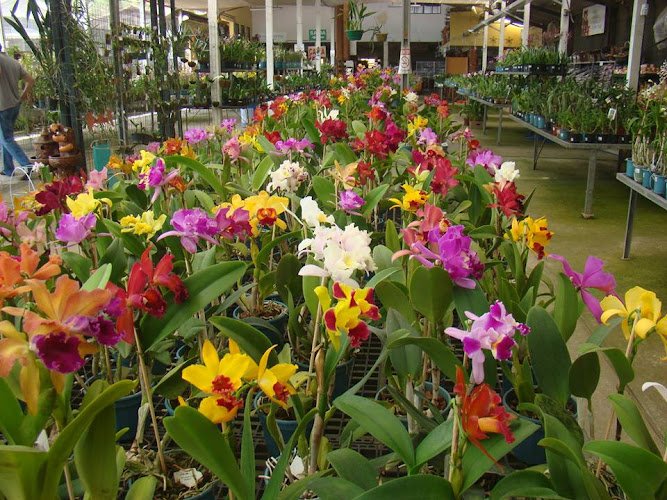
Orquidário Oriental stands as one of those places that sneaks up on you in the best possible way. When you first hear about an orchid farm, you might think it's just another garden to tick off a list—but this place has a way of surprising visitors with its genuine charm and the sheer dedication behind every bloom. The facility operates as both a working orchid farm and a public attraction, which gives it an authenticity you won't find at your typical botanical garden. The people who run this place actually live and breathe orchids, and it shows in every corner of the property. You're not just walking through some manufactured tourist experience here. Instead, you're stepping into a real operation where cultivation happens daily, where new hybrids are developed, and where the passion for these remarkable plants is absolutely palpable. What makes Orquidário Oriental particularly special is how it bridges the gap between serious horticulture and accessible education. I've been to plenty of orchid shows where everything feels untouchable and overly precious, but this farm manages to be both professional and welcoming at the same time. The grounds spread across a generous area, giving visitors plenty of space to wander without feeling rushed or crowded. And honestly, you'll probably want that time because there's genuinely a lot to absorb here. The collection itself ranges from common varieties that beginners might recognize to rare specimens that'll make even seasoned orchid enthusiasts stop in their tracks. But beyond just the plants themselves, the farm offers insight into the cultivation process. You get to see different growing environments, understand the specific conditions various orchid types need, and appreciate just how much science and art goes into producing these flowers. Accessibility is something Orquidário Oriental takes seriously, which isn't always the case with agricultural tourism sites. The pathways accommodate wheelchairs, parking areas are designed with accessibility in mind, and facilities throughout the property follow inclusive design principles. It's refreshing to find a place that recognizes not everyone experiences spaces in the same way.

Key Features

The Orquidário Oriental offers several distinctive elements that set it apart from other botanical attractions: • Extensive orchid collection spanning hundreds of species and cultivated varieties, displayed in dedicated growing houses that replicate different climate conditions from around the world • Educational greenhouse tours where visitors can observe the propagation and cultivation techniques used by professional growers, including tissue culture labs and growing benches arranged by orchid type • Full accessibility features throughout the entire facility, including wheelchair-friendly paths, adapted restrooms, accessible seating areas, and designated parking spaces close to entrance points • On-site nursery and shop where visitors can purchase orchids to take home, along with growing supplies, specialized potting media, and care instructions tailored to local conditions • Seasonal blooming displays that change throughout the year, ensuring that return visitors encounter different specimens at peak flowering regardless of when they visit • Photography opportunities in carefully maintained display areas that showcase orchids in naturalistic settings rather than rigid rows • Expert staff availability who can answer technical questions about orchid care, troubleshoot common growing problems, and recommend varieties suitable for different skill levels • Demonstration areas showing proper mounting techniques, potting methods, and the specific tools used in professional orchid cultivation

Best Time to Visit

Here's the thing about orchid farms—they're not like wildflower meadows where timing is everything. Orquidário Oriental maintains controlled growing environments that keep plants flowering throughout the year, which means you're not going to show up to bare stems and disappointment regardless of the season. That said, certain periods do offer advantages. The cooler months tend to bring more blooms overall, as many orchid varieties are triggered to flower by temperature drops. If you're visiting during what passes for winter in the region, you'll likely encounter the most spectacular displays. Spring also delivers strong blooming periods, particularly for Cattleya varieties and their hybrids. But let me be honest with you—summer visits have their own appeal. The facility is generally less crowded during warmer months, which means you'll have more space to explore at your own pace and better access to staff who might have more time for detailed conversations about cultivation techniques. And yes, the greenhouses get warm, but most visitors find that manageable with appropriate planning. Weekday mornings represent the sweet spot for visits regardless of season. You'll avoid weekend crowds, get the best natural light for photography, and catch the staff when they're doing their daily maintenance rounds. I've always found that watching professionals actually work with plants teaches you more than any formal tour could. Weather considerations matter less here than at outdoor attractions since much of the collection stays under cover. Rainy days actually make fine visiting times—the humidity makes the orchids look particularly lustrous, and you'll be protected from the elements throughout most of your visit. If you're specifically interested in purchasing plants to take home, timing your visit for when you'll have several days of moderate temperatures ahead helps ensure your new orchids survive the journey and settle into their new environment successfully.

How to Get There

Reaching Orquidário Oriental requires some planning, but it's definitely manageable for travelers using various transportation methods. The farm sits in a location that's accessible but not exactly downtown, which actually contributes to its appeal—you get that sense of escaping to somewhere special without needing to trek into wilderness. For those renting cars, GPS navigation works reliably to get you right to the entrance. The drive takes you through some interesting areas that give you a feel for the surrounding region. Parking on-site is straightforward, with clearly marked spaces including those designated accessible spots near the entrance. The lot accommodates a decent number of vehicles, though weekends can fill up during peak visiting hours. Taxi and ride-share services know the location well, making this a practical option if you're staying in nearby accommodations. Just factor in that you'll need to arrange return transportation since this isn't an area where you'll simply flag down passing vehicles. Most visitors spend between two to four hours exploring, so plan your pickup accordingly. Public transportation reaches within a reasonable distance, though it typically requires some walking from the nearest stop. For visitors with mobility considerations, this might not be the ideal approach. But if you're comfortable with a bit of a walk and enjoy experiencing local transport, it's certainly feasible. The entrance area itself is well-marked, so you won't spend time wandering around wondering if you're in the right place. Signage guides you from the parking area through to ticketing and into the main viewing areas.

Tips for Visiting

Alright, here's what I wish someone had told me before visiting orchid farms in general, and what specifically helps at Orquidário Oriental. First off, bring your camera but forget about getting Instagram-perfect shots if you're rushing. These flowers deserve slow, patient photography. The lighting inside growing houses can be tricky—natural light filtered through shade cloth creates beautiful conditions but requires adjusting your exposure settings. Early morning offers the clearest light through the greenhouse panels. Wear comfortable shoes that you don't mind getting a bit dirty or wet. The paths are maintained, but you're walking through a working farm where irrigation happens and where puddles form. Those cute sandals might seem appropriate for flower-viewing, but you'll be happier in closed-toe walking shoes. Temperature regulation matters more than you might expect. Yes, it's a greenhouse environment, so it gets warm. But different growing houses maintain different conditions—some areas are significantly warmer and more humid than others. Dress in layers you can adjust, and definitely bring water. The facility has amenities, but staying hydrated helps you enjoy the full experience without wilting before the orchids do. If you're genuinely interested in orchid cultivation, don't be shy about asking questions. The staff here actually knows their subject matter, and most of them love talking about the plants. You'll learn infinitely more by engaging in conversation than by just reading the identification labels. Ask about blooming cycles, growing challenges, and which varieties might work for your specific conditions at home. For potential buyers, resist the urge to purchase plants the moment you walk in. Complete your tour first, take notes on varieties that catch your attention, then return to the sales area with a thoughtful list. This prevents impulse purchases of orchids that might not suit your growing conditions or experience level. And seriously, ask about care requirements before buying—orchids have reputations for being difficult, but the right variety for your situation can actually be quite forgiving. Timing your visit for weekday mornings gives you advantages beyond just smaller crowds. Staff members are typically doing their cultivation work during these hours, which means you might catch repotting demonstrations, watering routines, or other behind-the-scenes activities that aren't officially part of any tour. Photography etiquette deserves mention because I've seen people get so caught up in getting shots that they disrupt other visitors or damage plants. Be aware of your surroundings, keep tripods close to pathways, and never touch or move plants for better angles. The displays are arranged intentionally, and respecting that arrangement ensures everyone gets to enjoy the experience. Bring cash if you're planning to make purchases. While the facility accepts various payment methods, having cash on hand never hurts, especially if you're buying multiple plants or supplies. Some smaller transactions might process more quickly with cash anyway. Finally, manage your expectations about what constitutes a "good" orchid display. Every flower won't be perfect, and that's actually part of the authentic experience here. You're seeing plants at various stages of their blooming cycle, which gives you realistic expectations for growing orchids yourself. Those flawless displays at commercial shows represent peak moments captured for competition—real cultivation involves flowers at different stages, and that's perfectly fine.

Key Features

  • Extensive orchid collection including exotic and native species
  • Large greenhouse and laboratory infrastructure (approx. 20,000 m²)
  • High-volume production (hundreds of thousands of plants and seedlings annually)
  • Educational value with cultivation insights and staff expertise
  • Scenic, rural setting ideal for photography and quiet walks

More Details

Updated January 5, 2026

Description

Orquidário Oriental stands as one of those places that sneaks up on you in the best possible way. When you first hear about an orchid farm, you might think it’s just another garden to tick off a list—but this place has a way of surprising visitors with its genuine charm and the sheer dedication behind every bloom.

The facility operates as both a working orchid farm and a public attraction, which gives it an authenticity you won’t find at your typical botanical garden. The people who run this place actually live and breathe orchids, and it shows in every corner of the property. You’re not just walking through some manufactured tourist experience here. Instead, you’re stepping into a real operation where cultivation happens daily, where new hybrids are developed, and where the passion for these remarkable plants is absolutely palpable.

What makes Orquidário Oriental particularly special is how it bridges the gap between serious horticulture and accessible education. I’ve been to plenty of orchid shows where everything feels untouchable and overly precious, but this farm manages to be both professional and welcoming at the same time. The grounds spread across a generous area, giving visitors plenty of space to wander without feeling rushed or crowded. And honestly, you’ll probably want that time because there’s genuinely a lot to absorb here.

The collection itself ranges from common varieties that beginners might recognize to rare specimens that’ll make even seasoned orchid enthusiasts stop in their tracks. But beyond just the plants themselves, the farm offers insight into the cultivation process. You get to see different growing environments, understand the specific conditions various orchid types need, and appreciate just how much science and art goes into producing these flowers.

Accessibility is something Orquidário Oriental takes seriously, which isn’t always the case with agricultural tourism sites. The pathways accommodate wheelchairs, parking areas are designed with accessibility in mind, and facilities throughout the property follow inclusive design principles. It’s refreshing to find a place that recognizes not everyone experiences spaces in the same way.

Key Features

The Orquidário Oriental offers several distinctive elements that set it apart from other botanical attractions:

Extensive orchid collection spanning hundreds of species and cultivated varieties, displayed in dedicated growing houses that replicate different climate conditions from around the world

Educational greenhouse tours where visitors can observe the propagation and cultivation techniques used by professional growers, including tissue culture labs and growing benches arranged by orchid type

Full accessibility features throughout the entire facility, including wheelchair-friendly paths, adapted restrooms, accessible seating areas, and designated parking spaces close to entrance points

On-site nursery and shop where visitors can purchase orchids to take home, along with growing supplies, specialized potting media, and care instructions tailored to local conditions

Seasonal blooming displays that change throughout the year, ensuring that return visitors encounter different specimens at peak flowering regardless of when they visit

Photography opportunities in carefully maintained display areas that showcase orchids in naturalistic settings rather than rigid rows

Expert staff availability who can answer technical questions about orchid care, troubleshoot common growing problems, and recommend varieties suitable for different skill levels

Demonstration areas showing proper mounting techniques, potting methods, and the specific tools used in professional orchid cultivation

Best Time to Visit

Here’s the thing about orchid farms—they’re not like wildflower meadows where timing is everything. Orquidário Oriental maintains controlled growing environments that keep plants flowering throughout the year, which means you’re not going to show up to bare stems and disappointment regardless of the season.

That said, certain periods do offer advantages. The cooler months tend to bring more blooms overall, as many orchid varieties are triggered to flower by temperature drops. If you’re visiting during what passes for winter in the region, you’ll likely encounter the most spectacular displays. Spring also delivers strong blooming periods, particularly for Cattleya varieties and their hybrids.

But let me be honest with you—summer visits have their own appeal. The facility is generally less crowded during warmer months, which means you’ll have more space to explore at your own pace and better access to staff who might have more time for detailed conversations about cultivation techniques. And yes, the greenhouses get warm, but most visitors find that manageable with appropriate planning.

Weekday mornings represent the sweet spot for visits regardless of season. You’ll avoid weekend crowds, get the best natural light for photography, and catch the staff when they’re doing their daily maintenance rounds. I’ve always found that watching professionals actually work with plants teaches you more than any formal tour could.

Weather considerations matter less here than at outdoor attractions since much of the collection stays under cover. Rainy days actually make fine visiting times—the humidity makes the orchids look particularly lustrous, and you’ll be protected from the elements throughout most of your visit.

If you’re specifically interested in purchasing plants to take home, timing your visit for when you’ll have several days of moderate temperatures ahead helps ensure your new orchids survive the journey and settle into their new environment successfully.

How to Get There

Reaching Orquidário Oriental requires some planning, but it’s definitely manageable for travelers using various transportation methods. The farm sits in a location that’s accessible but not exactly downtown, which actually contributes to its appeal—you get that sense of escaping to somewhere special without needing to trek into wilderness.

For those renting cars, GPS navigation works reliably to get you right to the entrance. The drive takes you through some interesting areas that give you a feel for the surrounding region. Parking on-site is straightforward, with clearly marked spaces including those designated accessible spots near the entrance. The lot accommodates a decent number of vehicles, though weekends can fill up during peak visiting hours.

Taxi and ride-share services know the location well, making this a practical option if you’re staying in nearby accommodations. Just factor in that you’ll need to arrange return transportation since this isn’t an area where you’ll simply flag down passing vehicles. Most visitors spend between two to four hours exploring, so plan your pickup accordingly.

Public transportation reaches within a reasonable distance, though it typically requires some walking from the nearest stop. For visitors with mobility considerations, this might not be the ideal approach. But if you’re comfortable with a bit of a walk and enjoy experiencing local transport, it’s certainly feasible.

The entrance area itself is well-marked, so you won’t spend time wandering around wondering if you’re in the right place. Signage guides you from the parking area through to ticketing and into the main viewing areas.

Tips for Visiting

Alright, here’s what I wish someone had told me before visiting orchid farms in general, and what specifically helps at Orquidário Oriental.

First off, bring your camera but forget about getting Instagram-perfect shots if you’re rushing. These flowers deserve slow, patient photography. The lighting inside growing houses can be tricky—natural light filtered through shade cloth creates beautiful conditions but requires adjusting your exposure settings. Early morning offers the clearest light through the greenhouse panels.

Wear comfortable shoes that you don’t mind getting a bit dirty or wet. The paths are maintained, but you’re walking through a working farm where irrigation happens and where puddles form. Those cute sandals might seem appropriate for flower-viewing, but you’ll be happier in closed-toe walking shoes.

Temperature regulation matters more than you might expect. Yes, it’s a greenhouse environment, so it gets warm. But different growing houses maintain different conditions—some areas are significantly warmer and more humid than others. Dress in layers you can adjust, and definitely bring water. The facility has amenities, but staying hydrated helps you enjoy the full experience without wilting before the orchids do.

If you’re genuinely interested in orchid cultivation, don’t be shy about asking questions. The staff here actually knows their subject matter, and most of them love talking about the plants. You’ll learn infinitely more by engaging in conversation than by just reading the identification labels. Ask about blooming cycles, growing challenges, and which varieties might work for your specific conditions at home.

For potential buyers, resist the urge to purchase plants the moment you walk in. Complete your tour first, take notes on varieties that catch your attention, then return to the sales area with a thoughtful list. This prevents impulse purchases of orchids that might not suit your growing conditions or experience level. And seriously, ask about care requirements before buying—orchids have reputations for being difficult, but the right variety for your situation can actually be quite forgiving.

Timing your visit for weekday mornings gives you advantages beyond just smaller crowds. Staff members are typically doing their cultivation work during these hours, which means you might catch repotting demonstrations, watering routines, or other behind-the-scenes activities that aren’t officially part of any tour.

Photography etiquette deserves mention because I’ve seen people get so caught up in getting shots that they disrupt other visitors or damage plants. Be aware of your surroundings, keep tripods close to pathways, and never touch or move plants for better angles. The displays are arranged intentionally, and respecting that arrangement ensures everyone gets to enjoy the experience.

Bring cash if you’re planning to make purchases. While the facility accepts various payment methods, having cash on hand never hurts, especially if you’re buying multiple plants or supplies. Some smaller transactions might process more quickly with cash anyway.

Finally, manage your expectations about what constitutes a “good” orchid display. Every flower won’t be perfect, and that’s actually part of the authentic experience here. You’re seeing plants at various stages of their blooming cycle, which gives you realistic expectations for growing orchids yourself. Those flawless displays at commercial shows represent peak moments captured for competition—real cultivation involves flowers at different stages, and that’s perfectly fine.

Key Highlights

  • Extensive orchid collection including exotic and native species
  • Large greenhouse and laboratory infrastructure (approx. 20,000 m²)
  • High-volume production (hundreds of thousands of plants and seedlings annually)
  • Educational value with cultivation insights and staff expertise
  • Scenic, rural setting ideal for photography and quiet walks

Location

Places to Stay Near Orquidário Oriental

Find and Book a Tour

Explore More Travel Guides

No reviews found! Be the first to review!

Traveler Reviews for Orquidário Oriental

There are no reviews yet. Be the first one to write one.

Share Your Experience

Have you visited Orquidário Oriental? Help other travelers by sharing your review.

Nearby Attractions

Parque Centenário (Mogi das Cruzes) — urban park for a relaxed city stroll Santuário de Santa Cruz do Bom Jesus — local religious and historical site Serra do Itapety trails / rural scenic viewpoints

Find Accommodations Nearby

Recommended Tours & Activities

Visitor Reviews

There are no reviews yet. Be the first one to write one.

Share Your Experience

Have you visited Orquidário Oriental? Help other travelers by leaving a review.