

Prayer Mountain Hanwa
About Prayer Mountain Hanwa
Description
Prayer Mountain Hanwa sits quietly on the edge of everyday life, the kind of place people don’t just stumble upon unless they’re looking for something deeper. It is known primarily as a Christian historical landmark, but that label only tells part of the story. This is a place where faith, time, and ordinary human struggle have rubbed shoulders for years. And honestly, that’s what travelers tend to remember most.
The mountain has long been used as a prayer ground, especially by Christian groups seeking solitude, fasting periods, retreats, and spiritual reflection. It’s not polished or overly curated. And that’s part of its charm. You won’t find fancy visitor centers or perfectly paved walkways. Instead, there’s open land, rocky paths, quiet corners, and the kind of stillness that makes even restless people pause. The air feels different up there, or maybe that’s just what happens when noise fades and thoughts get louder.
From a traveler’s point of view, Prayer Mountain Hanwa offers something unusual. It’s not about sightseeing in the usual sense. You don’t come here ticking off photo spots. You come to slow down. Some visitors arrive with clear spiritual intentions, others with curiosity, and a few just because they heard it’s peaceful. And it manages to accommodate all of that without trying too hard.
The site has a reputation that’s mostly positive, but not blindly so. Some people find it deeply moving, while others leave feeling it’s too quiet or too basic. That’s fair. This isn’t entertainment tourism. It’s reflective tourism. And if you’re open to that, the experience can linger with you longer than expected. I remember visiting a similar prayer ground years ago, thinking I’d stay for thirty minutes. I stayed for three hours, mostly just sitting and watching clouds drift by. Prayer Mountain Hanwa has that same pull.
Families do visit, and yes, children are welcome. But parents should know this is not a playground-style attraction. Kids who enjoy nature walks, open spaces, and calm environments tend to do better here. Teenagers, surprisingly, often find it grounding, especially if they’ve never experienced that level of quiet before. And for solo travelers, the mountain can feel like a safe place to gather thoughts without pressure.
Key Features
- Recognized Christian prayer ground with historical religious significance
- Natural elevated terrain offering quiet and wide views of the surrounding area
- Open spaces suitable for personal prayer, group retreats, and fasting programs
- Simple, uncommercialized environment that feels authentic and undisturbed
- Good for children who are comfortable with outdoor, low-noise settings
- Frequently used by churches and faith-based organizations for spiritual activities
- A sense of safety and community presence, especially during organized events
One thing that doesn’t get talked about much is how the mountain changes depending on who else is there. On quiet days, it feels almost monastic. On busier days, especially during church programs, there’s a soft hum of voices, singing, and movement. Neither version is better, just different. And both can be meaningful in their own way.
Best Time to Visit
Timing matters more here than at most historical landmarks. The best time to visit Prayer Mountain Hanwa is early in the morning or late afternoon. Morning visits offer cool air, fewer people, and a sense of beginning. There’s something about starting a day up there that feels grounding, even if you’re not particularly religious. Late afternoons, on the other hand, come with softer light and a natural winding-down energy.
Seasonally, dry months tend to be more comfortable. The paths are easier to walk, and the open areas are more accessible. During rainy periods, the mountain can still be visited, but expect muddy ground and slower movement. Some people actually prefer that, saying the rain adds to the reflective mood. Personally, I’m torn. I love the smell of wet earth, but I also dislike slipping on rocks. So, choose based on your comfort level.
If you’re hoping for solitude, weekdays are usually quieter. Weekends and religious holidays often bring organized groups. That can be beautiful to witness, especially if you enjoy communal prayer or singing. But if you’re craving silence, plan accordingly. And just a heads-up: extended prayer programs can run for hours or even days, so the atmosphere can be quite intense at times. Not overwhelming, but intense in that focused, inward-looking way.
How to Get There
Getting to Prayer Mountain Hanwa is fairly straightforward, though it does require a bit of local awareness. Travelers typically reach the general Hanwa area first and then make their way toward the mountain using local directions. This is one of those places where asking people nearby actually helps. Locals are familiar with the mountain and usually willing to point you in the right direction.
Public transport can take you close, but not always right to the base. From there, you may need to walk a short distance. That walk is part of the experience, honestly. It gives you time to transition mentally from the busy world into a quieter headspace. For those driving, parking is informal. Nothing fancy. Just be mindful of where you leave your vehicle and follow any guidance from locals or organizers if there’s an event happening.
And here’s a small personal note: whenever I visit places like this, I avoid rushing. If you arrive flustered, you carry that energy with you. Build in buffer time. Let the journey be part of the visit. It sounds a bit poetic, I know, but it actually makes a difference.
Tips for Visiting
First tip, and it’s a big one: dress modestly. This isn’t about strict rules being enforced, but about respect. Most visitors are there for spiritual reasons, and dressing appropriately helps you blend in and feel comfortable. Comfortable shoes are also essential. The terrain is natural, not manicured.
Bring water and maybe a light snack, especially if you plan to stay for a while. There aren’t shops on the mountain itself, and once you’re settled, you won’t want to leave just because you’re thirsty. Phones are okay, but use them sparingly. Many people come here specifically to disconnect, and excessive phone use can feel oddly out of place.
If you’re visiting with children, talk to them beforehand about what to expect. Frame it as an adventure in nature or a quiet exploration. That mindset helps. I’ve seen kids do really well here when they know it’s not about running around but about observing and being calm.
Respect ongoing prayers and activities. Even if you’re just there to look around, be mindful of groups using the space. A little courtesy goes a long way. And if you’re unsure where you’re allowed to go, just ask. People are generally kind about it.
Lastly, manage your expectations. Prayer Mountain Hanwa is not flashy. It doesn’t try to impress you. It invites you instead. And invitations can be declined or accepted. If you go in expecting a dramatic transformation, you might be disappointed. But if you go open, curious, and unhurried, you may leave with a sense of calm that sneaks up on you later, maybe days after your visit.
For travelers looking to experience a quieter side of historical landmarks, one rooted in faith and reflection rather than spectacle, Prayer Mountain Hanwa offers something rare. It asks very little from you. Just time, respect, and a willingness to listen to your own thoughts. And sometimes, that’s exactly what a journey should give.
Key Features
- Recognized Christian prayer ground with historical religious significance
- Natural elevated terrain offering quiet and wide views of the surrounding area
- Open spaces suitable for personal prayer, group retreats, and fasting programs
- Simple, uncommercialized environment that feels authentic and undisturbed
- Good for children who are comfortable with outdoor, low-noise settings
- Frequently used by churches and faith-based organizations for spiritual activities
- A sense of safety and community presence, especially during organized events
More Details
Updated January 1, 2026
Table of Contents
Description
Prayer Mountain Hanwa sits quietly on the edge of everyday life, the kind of place people don’t just stumble upon unless they’re looking for something deeper. It is known primarily as a Christian historical landmark, but that label only tells part of the story. This is a place where faith, time, and ordinary human struggle have rubbed shoulders for years. And honestly, that’s what travelers tend to remember most.
The mountain has long been used as a prayer ground, especially by Christian groups seeking solitude, fasting periods, retreats, and spiritual reflection. It’s not polished or overly curated. And that’s part of its charm. You won’t find fancy visitor centers or perfectly paved walkways. Instead, there’s open land, rocky paths, quiet corners, and the kind of stillness that makes even restless people pause. The air feels different up there, or maybe that’s just what happens when noise fades and thoughts get louder.
From a traveler’s point of view, Prayer Mountain Hanwa offers something unusual. It’s not about sightseeing in the usual sense. You don’t come here ticking off photo spots. You come to slow down. Some visitors arrive with clear spiritual intentions, others with curiosity, and a few just because they heard it’s peaceful. And it manages to accommodate all of that without trying too hard.
The site has a reputation that’s mostly positive, but not blindly so. Some people find it deeply moving, while others leave feeling it’s too quiet or too basic. That’s fair. This isn’t entertainment tourism. It’s reflective tourism. And if you’re open to that, the experience can linger with you longer than expected. I remember visiting a similar prayer ground years ago, thinking I’d stay for thirty minutes. I stayed for three hours, mostly just sitting and watching clouds drift by. Prayer Mountain Hanwa has that same pull.
Families do visit, and yes, children are welcome. But parents should know this is not a playground-style attraction. Kids who enjoy nature walks, open spaces, and calm environments tend to do better here. Teenagers, surprisingly, often find it grounding, especially if they’ve never experienced that level of quiet before. And for solo travelers, the mountain can feel like a safe place to gather thoughts without pressure.
Key Features
- Recognized Christian prayer ground with historical religious significance
- Natural elevated terrain offering quiet and wide views of the surrounding area
- Open spaces suitable for personal prayer, group retreats, and fasting programs
- Simple, uncommercialized environment that feels authentic and undisturbed
- Good for children who are comfortable with outdoor, low-noise settings
- Frequently used by churches and faith-based organizations for spiritual activities
- A sense of safety and community presence, especially during organized events
One thing that doesn’t get talked about much is how the mountain changes depending on who else is there. On quiet days, it feels almost monastic. On busier days, especially during church programs, there’s a soft hum of voices, singing, and movement. Neither version is better, just different. And both can be meaningful in their own way.
Best Time to Visit
Timing matters more here than at most historical landmarks. The best time to visit Prayer Mountain Hanwa is early in the morning or late afternoon. Morning visits offer cool air, fewer people, and a sense of beginning. There’s something about starting a day up there that feels grounding, even if you’re not particularly religious. Late afternoons, on the other hand, come with softer light and a natural winding-down energy.
Seasonally, dry months tend to be more comfortable. The paths are easier to walk, and the open areas are more accessible. During rainy periods, the mountain can still be visited, but expect muddy ground and slower movement. Some people actually prefer that, saying the rain adds to the reflective mood. Personally, I’m torn. I love the smell of wet earth, but I also dislike slipping on rocks. So, choose based on your comfort level.
If you’re hoping for solitude, weekdays are usually quieter. Weekends and religious holidays often bring organized groups. That can be beautiful to witness, especially if you enjoy communal prayer or singing. But if you’re craving silence, plan accordingly. And just a heads-up: extended prayer programs can run for hours or even days, so the atmosphere can be quite intense at times. Not overwhelming, but intense in that focused, inward-looking way.
How to Get There
Getting to Prayer Mountain Hanwa is fairly straightforward, though it does require a bit of local awareness. Travelers typically reach the general Hanwa area first and then make their way toward the mountain using local directions. This is one of those places where asking people nearby actually helps. Locals are familiar with the mountain and usually willing to point you in the right direction.
Public transport can take you close, but not always right to the base. From there, you may need to walk a short distance. That walk is part of the experience, honestly. It gives you time to transition mentally from the busy world into a quieter headspace. For those driving, parking is informal. Nothing fancy. Just be mindful of where you leave your vehicle and follow any guidance from locals or organizers if there’s an event happening.
And here’s a small personal note: whenever I visit places like this, I avoid rushing. If you arrive flustered, you carry that energy with you. Build in buffer time. Let the journey be part of the visit. It sounds a bit poetic, I know, but it actually makes a difference.
Tips for Visiting
First tip, and it’s a big one: dress modestly. This isn’t about strict rules being enforced, but about respect. Most visitors are there for spiritual reasons, and dressing appropriately helps you blend in and feel comfortable. Comfortable shoes are also essential. The terrain is natural, not manicured.
Bring water and maybe a light snack, especially if you plan to stay for a while. There aren’t shops on the mountain itself, and once you’re settled, you won’t want to leave just because you’re thirsty. Phones are okay, but use them sparingly. Many people come here specifically to disconnect, and excessive phone use can feel oddly out of place.
If you’re visiting with children, talk to them beforehand about what to expect. Frame it as an adventure in nature or a quiet exploration. That mindset helps. I’ve seen kids do really well here when they know it’s not about running around but about observing and being calm.
Respect ongoing prayers and activities. Even if you’re just there to look around, be mindful of groups using the space. A little courtesy goes a long way. And if you’re unsure where you’re allowed to go, just ask. People are generally kind about it.
Lastly, manage your expectations. Prayer Mountain Hanwa is not flashy. It doesn’t try to impress you. It invites you instead. And invitations can be declined or accepted. If you go in expecting a dramatic transformation, you might be disappointed. But if you go open, curious, and unhurried, you may leave with a sense of calm that sneaks up on you later, maybe days after your visit.
For travelers looking to experience a quieter side of historical landmarks, one rooted in faith and reflection rather than spectacle, Prayer Mountain Hanwa offers something rare. It asks very little from you. Just time, respect, and a willingness to listen to your own thoughts. And sometimes, that’s exactly what a journey should give.
Key Highlights
- Recognized Christian prayer ground with historical religious significance
- Natural elevated terrain offering quiet and wide views of the surrounding area
- Open spaces suitable for personal prayer, group retreats, and fasting programs
- Simple, uncommercialized environment that feels authentic and undisturbed
- Good for children who are comfortable with outdoor, low-noise settings
- Frequently used by churches and faith-based organizations for spiritual activities
- A sense of safety and community presence, especially during organized events
Location
Places to Stay Near Prayer Mountain Hanwa
Find and Book a Tour
Explore More Travel Guides
No reviews found! Be the first to review!
Traveler Reviews for Prayer Mountain Hanwa
There are no reviews yet. Be the first one to write one.
Have you visited Prayer Mountain Hanwa? Help other travelers by sharing your review.
You Might Also Like
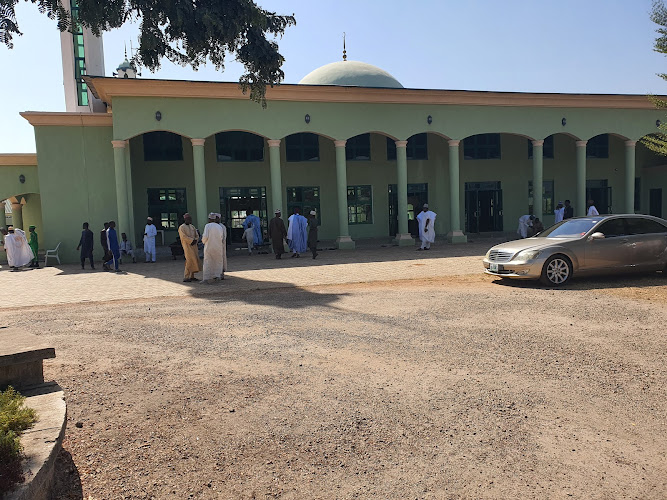
ITN Mosque, Zaria

Ahmadu Bello University
GALLAH HERBARIUM AND BOTANICAL SERVICES
Find Accommodations Nearby
Recommended Tours & Activities
Visitor Reviews
There are no reviews yet. Be the first one to write one.
Share Your Experience
Have you visited Prayer Mountain Hanwa? Help other travelers by leaving a review.