

Prairie Sunset Trail
About Prairie Sunset Trail
Description
The Prairie Sunset Trail offers visitors a genuine slice of authentic grassland beauty that's becoming increasingly rare across the Midwest. This nature preserve and walking trail gives travelers the chance to experience what early settlers saw when they first crossed these lands - rolling prairies, native wildflowers, and horizons that seem to stretch forever. And honestly, there's something almost therapeutic about walking through tallgrass prairie when you've been cooped up in cities or stuck on highways for too long. I remember the first time I visited a prairie preserve like this one, expecting it to be boring compared to mountain trails or coastal walks. Boy, was I wrong. The subtle beauty of prairie landscapes has this way of growing on you, and before you know it, you're stopping every few feet to look at another wildflower or watch the grass ripple like ocean waves in the wind. The Prairie Sunset Trail delivers exactly this kind of experience, though it's gotten its name for good reason - the sunsets here are absolutely spectacular when conditions are right. This isn't a challenging hike by any stretch, which makes it perfect for families, casual walkers, and anyone who wants to enjoy nature without feeling like they need to train for it first. The trail meanders through preserved prairie habitat where native grasses and flowers have been carefully maintained, giving visitors an educational glimpse into ecosystems that once covered millions of acres but have now mostly disappeared under agriculture and development.Key Features
The Prairie Sunset Trail stands out for several distinctive characteristics that make it worth adding to your travel itinerary: • Authentic tallgrass prairie habitat with native plant species that bloom in rotating waves throughout the warmer months, creating an ever-changing landscape • Family-friendly terrain that accommodates children of various ages and fitness levels without requiring special equipment or advanced hiking skills • Dog-friendly policy allowing four-legged companions to join the adventure, making it ideal for travelers who don't want to leave their pets behind • Educational opportunities to learn about prairie ecology, native grasses, and the wildlife that depends on these increasingly rare ecosystems • Panoramic sunset views that photographers and nature lovers consistently praise, especially during clear evenings when the sky puts on a colorful show • Relatively uncrowded conditions compared to more famous trails, offering a peaceful escape from tourist-heavy destinations • Accessible walking paths that most visitors can navigate comfortably, though the preserve maintains its natural character • Seasonal wildflower displays including species like purple coneflower, black-eyed susans, and prairie blazing star that attract butterflies and other pollinators • Opportunities for bird watching, as prairie preserves support species that can't survive in heavily developed areas • Free or low-cost access that won't break your travel budget while still delivering a memorable outdoor experienceBest Time to Visit
Timing your visit to the Prairie Sunset Trail can make a huge difference in what you experience. The trail is technically open year-round, but each season offers something different - and some seasons are definitely better than others depending on what you're hoping to see. Late spring through early fall represents the prime window for most visitors. From May through September, the prairie comes alive with successive waves of wildflower blooms. Early summer brings one set of flowers, mid-summer another, and late summer yet another display. If you're into wildflowers or photography, planning your visit around these bloom times makes sense. Local nature preserve organizations often post bloom updates, which can help you time things perfectly. But here's the thing about prairie landscapes - they're beautiful in ways that aren't always obvious. I've talked to visitors who showed up in late fall expecting disappointment and instead found themselves mesmerized by golden grasses backlit by low autumn sun. The texture and color of dormant prairie in October and November has its own appeal, especially for photographers looking for something different. Summer weekends naturally attract the most visitors, particularly families with kids out of school. If crowds bother you (and let's be honest, sometimes we travel specifically to get away from crowds), consider visiting on weekdays or during shoulder seasons. Early mornings also tend to be quieter, plus you'll catch better light for photos and possibly see more wildlife before human activity picks up. For sunset viewing - since that's literally in the trail's name - you'll want to check sunset times for your visit date and plan to be on the trail at least 30-45 minutes before the sun actually goes down. The best colors often appear in the minutes immediately after sunset, and you don't want to miss that because you started too late. Winter visits are possible but require more preparation. Snow can make the trail harder to navigate, and obviously you'll need appropriate clothing. But if you're the adventurous type who doesn't mind cold weather, winter prairie has a stark beauty that most people never see.How to Get There
Getting to the Prairie Sunset Trail requires some basic planning since nature preserves aren't usually located in the middle of cities with easy public transportation access. Most visitors arrive by personal vehicle, which offers the most flexibility for timing your visit around sunset or other factors. The preserve is accessible by car, and you'll want to use GPS navigation to get precise directions based on your starting point. The area doesn't have the kind of heavy signage you'd find at major national parks, so paying attention to your navigation device becomes important. Don't be one of those travelers who assumes they'll "just find it" - prairie country can be confusing if you're not familiar with rural roads. Parking facilities are available at the trailhead, though they're typically modest in size compared to major tourist attractions. This usually isn't a problem since the trail doesn't get overwhelmed with visitors, but arriving during popular times might mean a slightly fuller parking area. The parking situation is generally casual and straightforward - you won't need to worry about parking meters or complicated fee systems. For travelers coming from out of town, the nearest accommodations and services will be in surrounding communities. Planning your visit as part of a broader road trip makes sense for many people. The trail works well as a stopping point between larger destinations or as a peaceful outdoor activity to balance out city touring. Road conditions leading to the preserve are typically good, though weather can be a factor. Heavy rain might make unpaved access roads muddy, and winter weather could create challenging driving conditions. Checking local weather and road conditions before heading out is just smart travel planning. If you're not comfortable driving or don't have access to a vehicle, your options become more limited. Ride-sharing services might be available depending on the area, though coverage in rural locations can be spotty. Some visitors arrange for local guides or tour operators who handle transportation, though this is more common for international travelers or those with specific accessibility needs.Tips for Visiting
Making the most of your Prairie Sunset Trail experience involves some practical preparation that'll help you avoid common mistakes. And believe me, I've made enough trail-visiting mistakes over the years to know what works and what doesn't. First off, dress appropriately for prairie hiking. This means long pants rather than shorts if you want to avoid tick exposure and grass scratches. Ticks can be present in prairie environments, particularly during warmer months, so wearing light-colored long pants makes it easier to spot them. Tucking pants into socks looks dorky but works. After your hike, do a thorough tick check - just do it. Prairie preserves are natural areas, and ticks are part of that ecosystem. Footwear matters less than you might think since the trail isn't particularly challenging. Comfortable walking shoes or light hiking shoes work fine. You don't need heavy boots unless conditions are muddy. Some visitors even walk it in sturdy sneakers without problems. Bring water, especially during summer months when prairie sun can be intense without much shade. There's typically no drinking water available on the trail itself, and prairie hiking in July heat without adequate hydration is no fun. A small backpack with water bottles makes sense. Sunscreen and hats deserve your attention too. Prairies don't offer the shade you'd find in forest trails, so you're more exposed to sun. Sunburn can sneak up on you even on partly cloudy days. If you're bringing your dog - and the trail welcomes them - keep them leashed and under control. Prairie preserves often have ground-nesting birds and other wildlife that can be disturbed by off-leash dogs. Plus, leashes protect your dog from wandering into areas where they might encounter wildlife or plants that could cause problems. For families with kids, the trail offers great opportunities for nature education. Bringing a simple wildflower identification guide or downloading a plant identification app can turn the walk into an engaging learning experience. Kids often enjoy the challenge of identifying different plants and spotting butterflies or birds. Photography enthusiasts should plan for those sunset shots by arriving early and scouting locations. The best sunset photos often require some trial and error with positioning. Wide-angle lenses capture the expansive prairie landscape well, though telephoto lenses can isolate interesting wildflower details. Insect repellent might be necessary during certain seasons, particularly early summer when mosquitoes can be active. The open prairie usually has fewer mosquitoes than wetland trails, but it varies. Leave no trace principles apply here as much as anywhere. Pack out everything you bring in, stay on established trails to avoid damaging native vegetation, and resist the temptation to pick wildflowers. Those flowers support pollinators and provide seeds for future plant generations. Check weather forecasts before heading out, not just for rain but for severe weather. Prairie areas can be exposed during thunderstorms, and you don't want to be the tallest object on flat terrain when lightning starts. If storms are forecast, reschedule your visit. Finally, manage your expectations appropriately. This isn't a dramatic mountain trail or a waterfall hike - it's a prairie walk that rewards patient observation and appreciation for subtle beauty. Visitors who come expecting Instagram-worthy drama at every turn might initially feel underwhelmed, but those who take time to notice details usually leave satisfied.Key Features
- Converted rails-to-trails crushed-rock surface ideal for walking, running and biking
- Approximately 12–15 miles connecting Garden Plain, Goddard and Wichita with multiple trailheads
- Native tallgrass prairie, creek corridors and seasonal wildflower displays
- Historic railroad trestles and low-water bridges that evoke the trail’s rail heritage
- Accessible entry points at Garden Plain, Goddard and 111th St W with street-crossing access
More Details
Updated March 30, 2026
Table of Contents
Description
The Prairie Sunset Trail offers visitors a genuine slice of authentic grassland beauty that’s becoming increasingly rare across the Midwest. This nature preserve and walking trail gives travelers the chance to experience what early settlers saw when they first crossed these lands – rolling prairies, native wildflowers, and horizons that seem to stretch forever. And honestly, there’s something almost therapeutic about walking through tallgrass prairie when you’ve been cooped up in cities or stuck on highways for too long.
I remember the first time I visited a prairie preserve like this one, expecting it to be boring compared to mountain trails or coastal walks. Boy, was I wrong. The subtle beauty of prairie landscapes has this way of growing on you, and before you know it, you’re stopping every few feet to look at another wildflower or watch the grass ripple like ocean waves in the wind. The Prairie Sunset Trail delivers exactly this kind of experience, though it’s gotten its name for good reason – the sunsets here are absolutely spectacular when conditions are right.
This isn’t a challenging hike by any stretch, which makes it perfect for families, casual walkers, and anyone who wants to enjoy nature without feeling like they need to train for it first. The trail meanders through preserved prairie habitat where native grasses and flowers have been carefully maintained, giving visitors an educational glimpse into ecosystems that once covered millions of acres but have now mostly disappeared under agriculture and development.
Key Features
The Prairie Sunset Trail stands out for several distinctive characteristics that make it worth adding to your travel itinerary:
• Authentic tallgrass prairie habitat with native plant species that bloom in rotating waves throughout the warmer months, creating an ever-changing landscape
• Family-friendly terrain that accommodates children of various ages and fitness levels without requiring special equipment or advanced hiking skills
• Dog-friendly policy allowing four-legged companions to join the adventure, making it ideal for travelers who don’t want to leave their pets behind
• Educational opportunities to learn about prairie ecology, native grasses, and the wildlife that depends on these increasingly rare ecosystems
• Panoramic sunset views that photographers and nature lovers consistently praise, especially during clear evenings when the sky puts on a colorful show
• Relatively uncrowded conditions compared to more famous trails, offering a peaceful escape from tourist-heavy destinations
• Accessible walking paths that most visitors can navigate comfortably, though the preserve maintains its natural character
• Seasonal wildflower displays including species like purple coneflower, black-eyed susans, and prairie blazing star that attract butterflies and other pollinators
• Opportunities for bird watching, as prairie preserves support species that can’t survive in heavily developed areas
• Free or low-cost access that won’t break your travel budget while still delivering a memorable outdoor experience
Best Time to Visit
Timing your visit to the Prairie Sunset Trail can make a huge difference in what you experience. The trail is technically open year-round, but each season offers something different – and some seasons are definitely better than others depending on what you’re hoping to see.
Late spring through early fall represents the prime window for most visitors. From May through September, the prairie comes alive with successive waves of wildflower blooms. Early summer brings one set of flowers, mid-summer another, and late summer yet another display. If you’re into wildflowers or photography, planning your visit around these bloom times makes sense. Local nature preserve organizations often post bloom updates, which can help you time things perfectly.
But here’s the thing about prairie landscapes – they’re beautiful in ways that aren’t always obvious. I’ve talked to visitors who showed up in late fall expecting disappointment and instead found themselves mesmerized by golden grasses backlit by low autumn sun. The texture and color of dormant prairie in October and November has its own appeal, especially for photographers looking for something different.
Summer weekends naturally attract the most visitors, particularly families with kids out of school. If crowds bother you (and let’s be honest, sometimes we travel specifically to get away from crowds), consider visiting on weekdays or during shoulder seasons. Early mornings also tend to be quieter, plus you’ll catch better light for photos and possibly see more wildlife before human activity picks up.
For sunset viewing – since that’s literally in the trail’s name – you’ll want to check sunset times for your visit date and plan to be on the trail at least 30-45 minutes before the sun actually goes down. The best colors often appear in the minutes immediately after sunset, and you don’t want to miss that because you started too late.
Winter visits are possible but require more preparation. Snow can make the trail harder to navigate, and obviously you’ll need appropriate clothing. But if you’re the adventurous type who doesn’t mind cold weather, winter prairie has a stark beauty that most people never see.
How to Get There
Getting to the Prairie Sunset Trail requires some basic planning since nature preserves aren’t usually located in the middle of cities with easy public transportation access. Most visitors arrive by personal vehicle, which offers the most flexibility for timing your visit around sunset or other factors.
The preserve is accessible by car, and you’ll want to use GPS navigation to get precise directions based on your starting point. The area doesn’t have the kind of heavy signage you’d find at major national parks, so paying attention to your navigation device becomes important. Don’t be one of those travelers who assumes they’ll “just find it” – prairie country can be confusing if you’re not familiar with rural roads.
Parking facilities are available at the trailhead, though they’re typically modest in size compared to major tourist attractions. This usually isn’t a problem since the trail doesn’t get overwhelmed with visitors, but arriving during popular times might mean a slightly fuller parking area. The parking situation is generally casual and straightforward – you won’t need to worry about parking meters or complicated fee systems.
For travelers coming from out of town, the nearest accommodations and services will be in surrounding communities. Planning your visit as part of a broader road trip makes sense for many people. The trail works well as a stopping point between larger destinations or as a peaceful outdoor activity to balance out city touring.
Road conditions leading to the preserve are typically good, though weather can be a factor. Heavy rain might make unpaved access roads muddy, and winter weather could create challenging driving conditions. Checking local weather and road conditions before heading out is just smart travel planning.
If you’re not comfortable driving or don’t have access to a vehicle, your options become more limited. Ride-sharing services might be available depending on the area, though coverage in rural locations can be spotty. Some visitors arrange for local guides or tour operators who handle transportation, though this is more common for international travelers or those with specific accessibility needs.
Tips for Visiting
Making the most of your Prairie Sunset Trail experience involves some practical preparation that’ll help you avoid common mistakes. And believe me, I’ve made enough trail-visiting mistakes over the years to know what works and what doesn’t.
First off, dress appropriately for prairie hiking. This means long pants rather than shorts if you want to avoid tick exposure and grass scratches. Ticks can be present in prairie environments, particularly during warmer months, so wearing light-colored long pants makes it easier to spot them. Tucking pants into socks looks dorky but works. After your hike, do a thorough tick check – just do it. Prairie preserves are natural areas, and ticks are part of that ecosystem.
Footwear matters less than you might think since the trail isn’t particularly challenging. Comfortable walking shoes or light hiking shoes work fine. You don’t need heavy boots unless conditions are muddy. Some visitors even walk it in sturdy sneakers without problems.
Bring water, especially during summer months when prairie sun can be intense without much shade. There’s typically no drinking water available on the trail itself, and prairie hiking in July heat without adequate hydration is no fun. A small backpack with water bottles makes sense.
Sunscreen and hats deserve your attention too. Prairies don’t offer the shade you’d find in forest trails, so you’re more exposed to sun. Sunburn can sneak up on you even on partly cloudy days.
If you’re bringing your dog – and the trail welcomes them – keep them leashed and under control. Prairie preserves often have ground-nesting birds and other wildlife that can be disturbed by off-leash dogs. Plus, leashes protect your dog from wandering into areas where they might encounter wildlife or plants that could cause problems.
For families with kids, the trail offers great opportunities for nature education. Bringing a simple wildflower identification guide or downloading a plant identification app can turn the walk into an engaging learning experience. Kids often enjoy the challenge of identifying different plants and spotting butterflies or birds.
Photography enthusiasts should plan for those sunset shots by arriving early and scouting locations. The best sunset photos often require some trial and error with positioning. Wide-angle lenses capture the expansive prairie landscape well, though telephoto lenses can isolate interesting wildflower details.
Insect repellent might be necessary during certain seasons, particularly early summer when mosquitoes can be active. The open prairie usually has fewer mosquitoes than wetland trails, but it varies.
Leave no trace principles apply here as much as anywhere. Pack out everything you bring in, stay on established trails to avoid damaging native vegetation, and resist the temptation to pick wildflowers. Those flowers support pollinators and provide seeds for future plant generations.
Check weather forecasts before heading out, not just for rain but for severe weather. Prairie areas can be exposed during thunderstorms, and you don’t want to be the tallest object on flat terrain when lightning starts. If storms are forecast, reschedule your visit.
Finally, manage your expectations appropriately. This isn’t a dramatic mountain trail or a waterfall hike – it’s a prairie walk that rewards patient observation and appreciation for subtle beauty. Visitors who come expecting Instagram-worthy drama at every turn might initially feel underwhelmed, but those who take time to notice details usually leave satisfied.
Key Highlights
- Converted rails-to-trails crushed-rock surface ideal for walking, running and biking
- Approximately 12–15 miles connecting Garden Plain, Goddard and Wichita with multiple trailheads
- Native tallgrass prairie, creek corridors and seasonal wildflower displays
- Historic railroad trestles and low-water bridges that evoke the trail’s rail heritage
- Accessible entry points at Garden Plain, Goddard and 111th St W with street-crossing access
Location
Places to Stay Near Prairie Sunset Trail
Find and Book a Tour
Explore More Travel Guides
No reviews found! Be the first to review!
Prairie Sunset Trail is a prominent attractions located in Wichita.
Visit us at: Rails to Trail Bike / walking trail, Wichita, KS 67235.
Traveler Reviews for Prairie Sunset Trail
There are no reviews yet. Be the first one to write one.
Have you visited Prairie Sunset Trail? Help other travelers by sharing your review.
Nearby Attractions
You Might Also Like

Kansas Firefighters Museum

Exploration Place
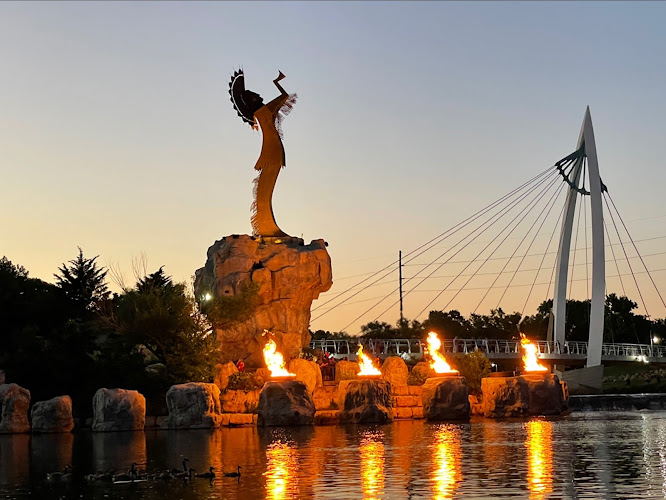
The Keeper of the Plains
Find Accommodations Nearby
Recommended Tours & Activities
Visitor Reviews
There are no reviews yet. Be the first one to write one.
Share Your Experience
Have you visited Prairie Sunset Trail? Help other travelers by leaving a review.