
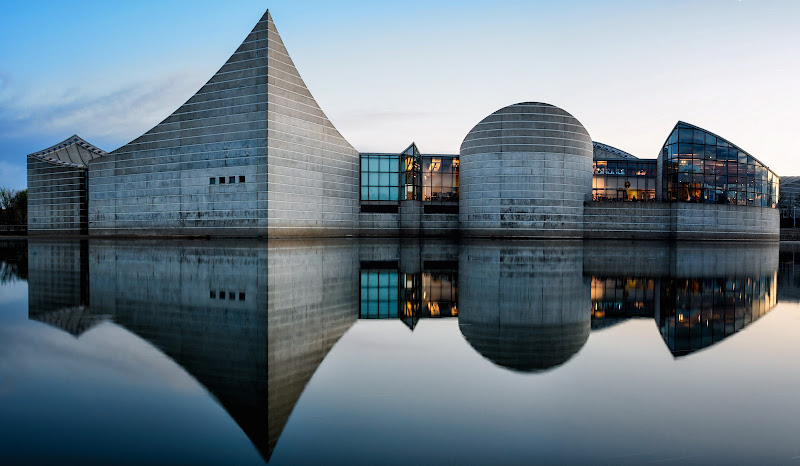
Exploration Place
About Exploration Place
Description
The Exploration Place stands as one of those rare destinations where science stops being something you learned from textbooks and becomes an actual experience you can touch, question, and play with. Located along the Arkansas River, this science and children's museum has been making curious minds even more curious since it opened its doors. And honestly? It's not just for kids, despite what you might think when you first hear "children's museum." I've always believed that the best museums are the ones where you forget you're supposed to be learning because you're too busy having fun. That's exactly what happens here. The facility brings together interactive exhibits, planetarium shows, live performances, and hands-on discovery programs that make you wonder why your science classes in school couldn't have been this engaging. The building itself stretches across multiple levels, each packed with different themes and activities that'll have you wandering from one discovery to the next. What really sets this place apart is how it manages to balance educational content with genuine entertainment. You're not going to find yourself reading plaques on walls for hours—though there's plenty of information available if that's your thing. Instead, you'll be pressing buttons, pulling levers, watching live demonstrations, and probably getting a little messy in the process. The staff actually encourages touching things, which is refreshing after visiting so many "look but don't touch" museums throughout the years. The theater component adds another dimension to the experience, screening everything from IMAX-style documentaries to educational films that transport you to different corners of the universe. But the live shows are where things get really interesting. These aren't just demonstrations—they're performances that mix science with showmanship in ways that stick with you long after you've left.Key Features
The Exploration Place packs quite a punch when it comes to offerings and amenities. Here's what makes this destination worth your time:- Hands-on science exhibits that cover everything from physics and biology to technology and space exploration, letting visitors of all ages actively participate rather than just observe
- Full-service planetarium and theater presenting educational films and immersive shows that take you beyond Earth's atmosphere and into the cosmos
- Live science demonstrations and performances throughout the day, featuring everything from explosive chemistry experiments to fascinating physics displays
- Interactive discovery programs designed for both children and adults, because learning doesn't stop when you turn eighteen
- Complete accessibility features including wheelchair accessible entrances, parking, restrooms, seating areas, and even wheelchair rentals for those who need them
- On-site cafe where you can grab a bite without having to leave the premises and lose your parking spot
- Well-stocked gift shop featuring educational toys, science kits, books, and unique souvenirs that are actually worth buying
- Family-friendly amenities such as changing tables, a dedicated nursing room, and gender-neutral restrooms that show thoughtful planning
- Free parking right on-site, which is honestly a huge deal when you're traveling with kids or just don't want to deal with parking hassles
- WiFi access throughout the facility for those who can't resist sharing their experiences on social media in real-time
- Climate-controlled indoor environment perfect for those days when the weather outside isn't cooperating with your travel plans
Best Time to Visit
Timing your visit to the Exploration Place can make the difference between a pleasant experience and feeling like you're navigating a sea of field trip groups. Based on visitor patterns, weekday mornings during the school year tend to be your sweet spot—assuming you don't have your own kids in school, of course. The crowds thin out significantly between 10 AM and noon on Tuesdays through Thursdays. Summer months bring larger crowds since kids are out of school and families are actively looking for activities. But here's the thing: the museum is designed to handle crowds pretty well, so even during peak times, you won't feel like you're fighting for space at every exhibit. Still, if you prefer a more relaxed atmosphere where you can take your time without little ones rushing past you, aim for late September through early November or late February through April. Weekend mornings right when doors open offer another strategic window. You'll beat the afternoon rush and have about an hour or two of relatively peaceful exploration before the crowds build. Weekend afternoons, particularly Saturday afternoons, tend to be the busiest times—something to avoid if you're not a fan of crowds. Weather plays an interesting role in attendance patterns too. Rainy days and extremely hot summer afternoons see spikes in visitors since families seek indoor activities. Conversely, those beautiful spring days when everyone wants to be outside? Perfect time to visit the museum. Special events and traveling exhibits can throw a wrench in these patterns, so checking the museum's calendar before you go is smart planning. Some of their special presentations and shows draw significant crowds, while others provide unique experiences worth timing your visit around.How to Get There
Getting to the Exploration Place is straightforward enough that you won't need a GPS degree to figure it out, though having navigation certainly helps. The museum sits along the Arkansas River in Wichita, Kansas, making it a central destination that's easy to reach from multiple directions. If you're flying in, Wichita Dwight D. Eisenhower National Airport is your closest option, located about fifteen minutes away depending on traffic. Rental cars are available at the airport, and honestly, having your own vehicle gives you the most flexibility for exploring the area. The drive from the airport takes you through parts of Wichita that give you a decent feel for the city before you arrive. For those driving from out of town, Interstate 135 and Interstate 35 are your main arteries into Wichita. From I-135, you'll take the downtown exits and follow signs toward the river area. The museum provides clear signage once you're in the general vicinity, and the building itself is distinctive enough that you'll spot it as you approach. The free on-site parking lot is genuinely convenient—no hunting for street parking or feeding meters throughout your visit. The lot connects directly to the museum entrance, and the walk from your car to the door takes maybe two minutes. They've also designated accessible parking spots close to the entrance for visitors who need them. Public transportation options exist through Wichita Transit, though schedules can be limited compared to larger metropolitan areas. If you're relying on buses, plan your return trip carefully since you don't want to get stuck waiting around after you've exhausted yourself exploring exhibits. Ride-sharing services like Uber and Lyft operate in Wichita and can drop you right at the entrance, though you'll want to arrange your pickup in advance since immediate availability isn't always guaranteed in this market.Tips for Visiting
After considering what makes a visit here successful, there are definitely some insider strategies worth knowing before you go. First off, plan for at least three to four hours minimum—you can easily spend longer, but that's a comfortable timeframe to see most exhibits without feeling rushed. I've seen people try to speed through in an hour, and they always look stressed and miss half the good stuff. Check the show schedule before you arrive or immediately when you get there. The planetarium presentations and live demonstrations happen at specific times, and missing them means missing some of the best parts of the experience. Build your visit around these scheduled events rather than just wandering randomly. Come prepared to interact with exhibits—wear comfortable clothes and closed-toe shoes since you'll be moving around constantly. The hands-on nature of many displays means you might get a little dirty or disheveled, which is part of the fun. Dress layers too, because indoor temperatures can vary between sections of the museum. The cafe serves decent food, but prices are what you'd expect at a museum—higher than outside options. Bringing snacks for kids is allowed and honestly recommended, especially if you've got picky eaters who won't touch museum cafe offerings. Stay hydrated too; all that excitement and walking around builds up thirst quickly. Don't skip the gift shop entirely. Yeah, museum shops can be overpriced souvenir traps, but this one actually stocks educational items and science kits that are worth considering, especially if you're looking for gifts that encourage learning. If you're visiting with young children, make use of those changing tables and nursing rooms—they're there for a reason and well-maintained. The staff is generally accommodating if you need assistance or have questions, so don't hesitate to ask. Photography is typically allowed throughout the museum, though flash photography might be restricted in certain areas like the theater. Capture those moments of discovery, but also remember to actually experience things rather than viewing everything through your phone screen. Consider membership if you're local or planning multiple visits. The numbers often work out favorably compared to paying admission each time, plus members frequently get perks like early access to new exhibits and discounts at the gift shop and cafe. Budget a little extra time for the areas that catch your interest most. Not every exhibit will fascinate every visitor equally, and that's perfectly fine. Spend your time where you're genuinely engaged rather than trying to see everything at surface level. Finally, manage expectations appropriately. This is a mid-sized science museum, not the Smithsonian. What it lacks in massive scale it makes up for in accessibility and interactivity. Approach it with curiosity rather than comparison, and you'll have a much better experience appreciating what's actually there rather than what isn't.Key Features
- Key Features
- Best Time to Visit
- How to Get There
- Tips for Visiting
More Details
Updated March 30, 2026
Table of Contents
Description
The Exploration Place stands as one of those rare destinations where science stops being something you learned from textbooks and becomes an actual experience you can touch, question, and play with. Located along the Arkansas River, this science and children’s museum has been making curious minds even more curious since it opened its doors. And honestly? It’s not just for kids, despite what you might think when you first hear “children’s museum.”
I’ve always believed that the best museums are the ones where you forget you’re supposed to be learning because you’re too busy having fun. That’s exactly what happens here. The facility brings together interactive exhibits, planetarium shows, live performances, and hands-on discovery programs that make you wonder why your science classes in school couldn’t have been this engaging. The building itself stretches across multiple levels, each packed with different themes and activities that’ll have you wandering from one discovery to the next.
What really sets this place apart is how it manages to balance educational content with genuine entertainment. You’re not going to find yourself reading plaques on walls for hours—though there’s plenty of information available if that’s your thing. Instead, you’ll be pressing buttons, pulling levers, watching live demonstrations, and probably getting a little messy in the process. The staff actually encourages touching things, which is refreshing after visiting so many “look but don’t touch” museums throughout the years.
The theater component adds another dimension to the experience, screening everything from IMAX-style documentaries to educational films that transport you to different corners of the universe. But the live shows are where things get really interesting. These aren’t just demonstrations—they’re performances that mix science with showmanship in ways that stick with you long after you’ve left.
Key Features
The Exploration Place packs quite a punch when it comes to offerings and amenities. Here’s what makes this destination worth your time:
- Hands-on science exhibits that cover everything from physics and biology to technology and space exploration, letting visitors of all ages actively participate rather than just observe
- Full-service planetarium and theater presenting educational films and immersive shows that take you beyond Earth’s atmosphere and into the cosmos
- Live science demonstrations and performances throughout the day, featuring everything from explosive chemistry experiments to fascinating physics displays
- Interactive discovery programs designed for both children and adults, because learning doesn’t stop when you turn eighteen
- Complete accessibility features including wheelchair accessible entrances, parking, restrooms, seating areas, and even wheelchair rentals for those who need them
- On-site cafe where you can grab a bite without having to leave the premises and lose your parking spot
- Well-stocked gift shop featuring educational toys, science kits, books, and unique souvenirs that are actually worth buying
- Family-friendly amenities such as changing tables, a dedicated nursing room, and gender-neutral restrooms that show thoughtful planning
- Free parking right on-site, which is honestly a huge deal when you’re traveling with kids or just don’t want to deal with parking hassles
- WiFi access throughout the facility for those who can’t resist sharing their experiences on social media in real-time
- Climate-controlled indoor environment perfect for those days when the weather outside isn’t cooperating with your travel plans
Best Time to Visit
Timing your visit to the Exploration Place can make the difference between a pleasant experience and feeling like you’re navigating a sea of field trip groups. Based on visitor patterns, weekday mornings during the school year tend to be your sweet spot—assuming you don’t have your own kids in school, of course. The crowds thin out significantly between 10 AM and noon on Tuesdays through Thursdays.
Summer months bring larger crowds since kids are out of school and families are actively looking for activities. But here’s the thing: the museum is designed to handle crowds pretty well, so even during peak times, you won’t feel like you’re fighting for space at every exhibit. Still, if you prefer a more relaxed atmosphere where you can take your time without little ones rushing past you, aim for late September through early November or late February through April.
Weekend mornings right when doors open offer another strategic window. You’ll beat the afternoon rush and have about an hour or two of relatively peaceful exploration before the crowds build. Weekend afternoons, particularly Saturday afternoons, tend to be the busiest times—something to avoid if you’re not a fan of crowds.
Weather plays an interesting role in attendance patterns too. Rainy days and extremely hot summer afternoons see spikes in visitors since families seek indoor activities. Conversely, those beautiful spring days when everyone wants to be outside? Perfect time to visit the museum.
Special events and traveling exhibits can throw a wrench in these patterns, so checking the museum’s calendar before you go is smart planning. Some of their special presentations and shows draw significant crowds, while others provide unique experiences worth timing your visit around.
How to Get There
Getting to the Exploration Place is straightforward enough that you won’t need a GPS degree to figure it out, though having navigation certainly helps. The museum sits along the Arkansas River in Wichita, Kansas, making it a central destination that’s easy to reach from multiple directions.
If you’re flying in, Wichita Dwight D. Eisenhower National Airport is your closest option, located about fifteen minutes away depending on traffic. Rental cars are available at the airport, and honestly, having your own vehicle gives you the most flexibility for exploring the area. The drive from the airport takes you through parts of Wichita that give you a decent feel for the city before you arrive.
For those driving from out of town, Interstate 135 and Interstate 35 are your main arteries into Wichita. From I-135, you’ll take the downtown exits and follow signs toward the river area. The museum provides clear signage once you’re in the general vicinity, and the building itself is distinctive enough that you’ll spot it as you approach.
The free on-site parking lot is genuinely convenient—no hunting for street parking or feeding meters throughout your visit. The lot connects directly to the museum entrance, and the walk from your car to the door takes maybe two minutes. They’ve also designated accessible parking spots close to the entrance for visitors who need them.
Public transportation options exist through Wichita Transit, though schedules can be limited compared to larger metropolitan areas. If you’re relying on buses, plan your return trip carefully since you don’t want to get stuck waiting around after you’ve exhausted yourself exploring exhibits.
Ride-sharing services like Uber and Lyft operate in Wichita and can drop you right at the entrance, though you’ll want to arrange your pickup in advance since immediate availability isn’t always guaranteed in this market.
Tips for Visiting
After considering what makes a visit here successful, there are definitely some insider strategies worth knowing before you go. First off, plan for at least three to four hours minimum—you can easily spend longer, but that’s a comfortable timeframe to see most exhibits without feeling rushed. I’ve seen people try to speed through in an hour, and they always look stressed and miss half the good stuff.
Check the show schedule before you arrive or immediately when you get there. The planetarium presentations and live demonstrations happen at specific times, and missing them means missing some of the best parts of the experience. Build your visit around these scheduled events rather than just wandering randomly.
Come prepared to interact with exhibits—wear comfortable clothes and closed-toe shoes since you’ll be moving around constantly. The hands-on nature of many displays means you might get a little dirty or disheveled, which is part of the fun. Dress layers too, because indoor temperatures can vary between sections of the museum.
The cafe serves decent food, but prices are what you’d expect at a museum—higher than outside options. Bringing snacks for kids is allowed and honestly recommended, especially if you’ve got picky eaters who won’t touch museum cafe offerings. Stay hydrated too; all that excitement and walking around builds up thirst quickly.
Don’t skip the gift shop entirely. Yeah, museum shops can be overpriced souvenir traps, but this one actually stocks educational items and science kits that are worth considering, especially if you’re looking for gifts that encourage learning.
If you’re visiting with young children, make use of those changing tables and nursing rooms—they’re there for a reason and well-maintained. The staff is generally accommodating if you need assistance or have questions, so don’t hesitate to ask.
Photography is typically allowed throughout the museum, though flash photography might be restricted in certain areas like the theater. Capture those moments of discovery, but also remember to actually experience things rather than viewing everything through your phone screen.
Consider membership if you’re local or planning multiple visits. The numbers often work out favorably compared to paying admission each time, plus members frequently get perks like early access to new exhibits and discounts at the gift shop and cafe.
Budget a little extra time for the areas that catch your interest most. Not every exhibit will fascinate every visitor equally, and that’s perfectly fine. Spend your time where you’re genuinely engaged rather than trying to see everything at surface level.
Finally, manage expectations appropriately. This is a mid-sized science museum, not the Smithsonian. What it lacks in massive scale it makes up for in accessibility and interactivity. Approach it with curiosity rather than comparison, and you’ll have a much better experience appreciating what’s actually there rather than what isn’t.
Key Highlights
- Key Features
- Best Time to Visit
- How to Get There
- Tips for Visiting
Location
Places to Stay Near Exploration Place
Find and Book a Tour
Explore More Travel Guides
No reviews found! Be the first to review!
Exploration Place is a prominent museums located in Wichita.
Visit us at: 300 N McLean Blvd, Wichita, KS 67203.
Traveler Reviews for Exploration Place
There are no reviews yet. Be the first one to write one.
Have you visited Exploration Place? Help other travelers by sharing your review.
You Might Also Like

All Star Adventures
Mid-America All-Indian Museum

Fountains at WaterWalk
Find Accommodations Nearby
Recommended Tours & Activities
Visitor Reviews
There are no reviews yet. Be the first one to write one.
Share Your Experience
Have you visited Exploration Place? Help other travelers by leaving a review.