
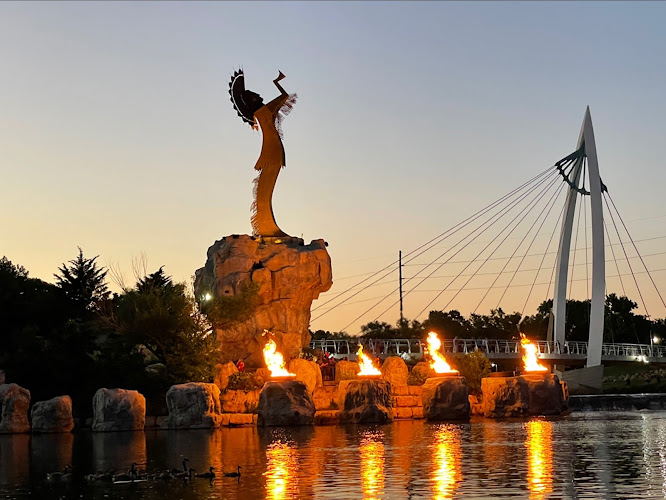
The Keeper of the Plains
About The Keeper of the Plains
Description
Standing guard over the Arkansas and Little Arkansas rivers in Wichita, Kansas, the Keeper of the Plains has become one of the most recognizable landmarks in the entire Midwest. This isn't just another roadside attraction—it's a powerful 44-foot steel sculpture that commands attention and respect from anyone who sees it. Created by Native American artist Blackbear Bosin in 1974, this magnificent statue represents a Plains Indian warrior gazing out over the land with outstretched arms, seemingly blessing the waters below. I'll be honest, when you first catch sight of the Keeper rising above the river confluence, it takes your breath away a little. There's something about the scale and positioning that makes you stop and really think about the significance of this place. The statue weighs around 9,000 pounds and sits atop a 30-foot pedestal, making the total height an impressive sight against the Kansas sky. What makes this place truly special isn't just the sculpture itself—it's the entire surrounding area that's been developed into a meaningful cultural and recreational space. The sculpture was originally created for the U.S. Department of the Interior's bicentennial celebration, and it's since become the symbol of Wichita itself. You'll see it on everything from city logos to local business signs. But unlike some tourist attractions that feel commercialized or overdone, the Keeper maintains its dignity and spiritual presence. The confluence of the two rivers here has held significance for Native peoples for thousands of years, and Bosin's work honors that heritage in a way that feels authentic rather than exploitative. Every evening from April through October, something magical happens here. The Ring of Fire ceremony lights up around the base of the statue, with flames shooting 30 feet into the air from fire pits positioned around the plaza. And let me tell you, seeing those flames reflected in the water below while the steel warrior stands silhouetted against the sunset—that's an experience you won't forget anytime soon.Key Features
The Keeper of the Plains offers visitors several distinctive elements that make it worth the trip:- The 44-foot steel sculpture by renowned Native American artist Blackbear Bosin creates an unforgettable silhouette against the Kansas sky
- Two pedestrian bridges—the Mid-America All-Indian Center Bridge and the Keeper Plaza Bridge—provide scenic walking routes to reach the statue from either riverbank
- The Ring of Fire ceremony illuminates the plaza with dramatic flame effects during evening hours in warmer months, typically lighting at 9 PM
- A plaza area at the base features the Medicine Wheel design embedded in the concrete, representing the four directions sacred to many Native American traditions
- Interpretive displays and educational signage throughout the site explain the cultural significance and history of the area
- The Arkansas River path system extends for miles in both directions, perfect for walking, jogging, or cycling
- Wheelchair accessible pathways and parking make the site welcoming to visitors of all mobility levels
- Free parking and no admission fees mean this impressive attraction won't strain your travel budget
- The confluence viewing area provides a peaceful spot to watch the two rivers merge—a sight that's been drawing people to this spot for millennia
- Photography opportunities abound, especially during golden hour and when the Ring of Fire is lit
Best Time to Visit
Timing your visit to the Keeper of the Plains can really make a difference in your experience. The absolute best time to visit is during the late spring through early fall months when the Ring of Fire ceremony operates regularly. From April through October, those evening fire displays transform the site from impressive to absolutely spectacular. Plan to arrive about an hour before the scheduled lighting time so you can explore the area in daylight, then watch as dusk falls and the flames ignite. Summer evenings are popular—and for good reason—but they can get crowded, especially on weekends. If you're someone who prefers a more contemplative experience without fighting for photography spots, consider visiting on a weekday evening or during the shoulder seasons of April-May or September-October. The weather's usually pleasant during those months too, without the intense heat that can hit Kansas in July and August. But here's the thing: the Keeper is actually worth visiting year-round. I know plenty of folks who swear by winter visits when snow dusts the sculpture and the plaza, creating this stark, beautiful contrast. The site is open 24/7, so you can visit at sunrise if you're an early riser—and trust me, watching the sun come up behind that steel warrior is pretty incredible. Plus, winter visits mean you'll have the place mostly to yourself. For photographers, golden hour is your friend here. The light about an hour before sunset creates amazing shadows and highlights on the steel surface. And if you're lucky enough to visit during a dramatic weather day—those big Kansas skies with towering clouds—you'll get some truly memorable shots. The Ring of Fire typically lights at 9 PM during the operating season, but check current schedules before you go because times can vary. The ceremony lasts about 15 minutes, and it's repeated twice each evening. Some special occasions feature additional lightings, so keep an eye out for those if you're planning around specific dates.How to Get There
Getting to the Keeper of the Plains is refreshingly straightforward, especially compared to some tourist attractions that seem designed to confuse visitors. The site sits right in downtown Wichita where the Arkansas and Little Arkansas rivers meet, making it accessible from pretty much anywhere in the city. If you're driving—which most visitors are—you've got several parking options. The main parking area sits on the east side near the Mid-America All-Indian Center, and it's completely free. There's also parking available on the west side of the Arkansas River near Veterans Memorial Park. Both lots are paved and well-maintained, with designated accessible parking spaces close to the pathways. From either parking area, you'll walk across one of the two pedestrian bridges to reach the plaza where the statue stands. These bridges are architectural attractions themselves, with sweeping curves and great river views. The walks aren't long—maybe 5-10 minutes depending on your pace—and they're completely flat and accessible. If you're staying in downtown Wichita, the Keeper is definitely walkable from many hotels. The Wichita River Trail system connects to the site, so if you're up for a longer walk or bike ride, you can approach from either direction along the river. The trail is well-marked and maintained, making it easy to navigate even if you're new to the area. For visitors using rideshare services, have your driver drop you at the Mid-America All-Indian Center address for the closest access point. The cell phone reception is good here, so calling for a pickup after your visit shouldn't be a problem. Public transportation in Wichita isn't as extensive as in larger cities, but the Q-Line does serve the downtown area. Check the current routes and schedules if you're planning to use public transit, as service can be limited in the evenings when you'd want to catch the Ring of Fire ceremony.Tips for Visiting
After talking to countless visitors and spending time at the Keeper myself, I've picked up some practical advice that'll help you make the most of your visit. First off, dress for walking and weather. Those pedestrian bridges can catch some serious wind coming off the plains, so bring a jacket even if the forecast looks mild. And wear comfortable shoes—you'll want to explore the entire plaza area and probably walk along the river paths a bit. Bring your camera or make sure your phone is charged. This is one of those places where everyone becomes a photographer, and rightfully so. The sculpture photographs well from dozens of angles, and you'll want to capture both daytime and evening shots if you're staying for the Ring of Fire. A tripod helps for evening photography, but it's not essential if your camera or phone has decent low-light capabilities. Here's something people don't always think about: there are no restroom facilities right at the plaza. Plan accordingly, especially if you're visiting with kids. The Mid-America All-Indian Center nearby has facilities during their operating hours, so time your visit to coordinate with that if needed. Speaking of kids, this is genuinely a good spot for families. Children are usually fascinated by the scale of the sculpture and the fire ceremony. The plaza area is open and safe for kids to explore, though obviously keep them supervised near the water's edge. The interpretive signs provide good educational opportunities to talk about Native American culture and local history. Don't rush your visit. Sure, you can walk up, snap some photos, and leave in 20 minutes. But you'd be missing the point. Spend time sitting on the plaza, watching the rivers meet, reading the interpretive materials. If you're there for the Ring of Fire, arrive early enough to find a good viewing spot and soak in the atmosphere as darkness falls. Weather in Kansas can change fast, so check forecasts and be prepared. Summer thunderstorms can pop up quickly, and while they're often spectacular to watch from a safe distance, you don't want to be standing on an exposed river plaza during lightning. Winter visits require warm layers—that wind off the plains doesn't mess around. The lighting can be tough for photography during midday when harsh overhead sun creates strong shadows. Early morning or late afternoon provides much better light quality. For the Ring of Fire shots, experiment with different exposures and positions—the flames are bright and can fool your camera's meter. One more thing that really enhances the experience: consider visiting the Mid-America All-Indian Center Museum before or after seeing the sculpture. It provides context about Blackbear Bosin's work and Native American history in the region that deepens your appreciation of the Keeper. They charge a small admission fee, but it's worth it for the understanding you'll gain. Finally, be respectful. This isn't just a photo op—it's a meaningful cultural monument. The site holds spiritual significance for many Native Americans, and visitors should approach it with appropriate reverence. Keep noise levels reasonable, especially during the fire ceremony, and dispose of any trash properly. The site's beauty and accessibility depend on everyone doing their part to maintain it.Key Features
- 44-foot Cor-Ten steel sculpture by Blackbear Bosin
- Confluence of the Arkansas and Little Arkansas rivers — scenic riverfront setting
- Interpretive displays about local Native American tribes
- Nightly Ring of Fire light ceremony (seasonal/scheduled)
- Adjacent walking trails, viewing platforms, and picnic areas
More Details
Updated January 18, 2026
Table of Contents
Description
Standing guard over the Arkansas and Little Arkansas rivers in Wichita, Kansas, the Keeper of the Plains has become one of the most recognizable landmarks in the entire Midwest. This isn’t just another roadside attraction—it’s a powerful 44-foot steel sculpture that commands attention and respect from anyone who sees it. Created by Native American artist Blackbear Bosin in 1974, this magnificent statue represents a Plains Indian warrior gazing out over the land with outstretched arms, seemingly blessing the waters below.
I’ll be honest, when you first catch sight of the Keeper rising above the river confluence, it takes your breath away a little. There’s something about the scale and positioning that makes you stop and really think about the significance of this place. The statue weighs around 9,000 pounds and sits atop a 30-foot pedestal, making the total height an impressive sight against the Kansas sky. What makes this place truly special isn’t just the sculpture itself—it’s the entire surrounding area that’s been developed into a meaningful cultural and recreational space.
The sculpture was originally created for the U.S. Department of the Interior’s bicentennial celebration, and it’s since become the symbol of Wichita itself. You’ll see it on everything from city logos to local business signs. But unlike some tourist attractions that feel commercialized or overdone, the Keeper maintains its dignity and spiritual presence. The confluence of the two rivers here has held significance for Native peoples for thousands of years, and Bosin’s work honors that heritage in a way that feels authentic rather than exploitative.
Every evening from April through October, something magical happens here. The Ring of Fire ceremony lights up around the base of the statue, with flames shooting 30 feet into the air from fire pits positioned around the plaza. And let me tell you, seeing those flames reflected in the water below while the steel warrior stands silhouetted against the sunset—that’s an experience you won’t forget anytime soon.
Key Features
The Keeper of the Plains offers visitors several distinctive elements that make it worth the trip:
- The 44-foot steel sculpture by renowned Native American artist Blackbear Bosin creates an unforgettable silhouette against the Kansas sky
- Two pedestrian bridges—the Mid-America All-Indian Center Bridge and the Keeper Plaza Bridge—provide scenic walking routes to reach the statue from either riverbank
- The Ring of Fire ceremony illuminates the plaza with dramatic flame effects during evening hours in warmer months, typically lighting at 9 PM
- A plaza area at the base features the Medicine Wheel design embedded in the concrete, representing the four directions sacred to many Native American traditions
- Interpretive displays and educational signage throughout the site explain the cultural significance and history of the area
- The Arkansas River path system extends for miles in both directions, perfect for walking, jogging, or cycling
- Wheelchair accessible pathways and parking make the site welcoming to visitors of all mobility levels
- Free parking and no admission fees mean this impressive attraction won’t strain your travel budget
- The confluence viewing area provides a peaceful spot to watch the two rivers merge—a sight that’s been drawing people to this spot for millennia
- Photography opportunities abound, especially during golden hour and when the Ring of Fire is lit
Best Time to Visit
Timing your visit to the Keeper of the Plains can really make a difference in your experience. The absolute best time to visit is during the late spring through early fall months when the Ring of Fire ceremony operates regularly. From April through October, those evening fire displays transform the site from impressive to absolutely spectacular. Plan to arrive about an hour before the scheduled lighting time so you can explore the area in daylight, then watch as dusk falls and the flames ignite.
Summer evenings are popular—and for good reason—but they can get crowded, especially on weekends. If you’re someone who prefers a more contemplative experience without fighting for photography spots, consider visiting on a weekday evening or during the shoulder seasons of April-May or September-October. The weather’s usually pleasant during those months too, without the intense heat that can hit Kansas in July and August.
But here’s the thing: the Keeper is actually worth visiting year-round. I know plenty of folks who swear by winter visits when snow dusts the sculpture and the plaza, creating this stark, beautiful contrast. The site is open 24/7, so you can visit at sunrise if you’re an early riser—and trust me, watching the sun come up behind that steel warrior is pretty incredible. Plus, winter visits mean you’ll have the place mostly to yourself.
For photographers, golden hour is your friend here. The light about an hour before sunset creates amazing shadows and highlights on the steel surface. And if you’re lucky enough to visit during a dramatic weather day—those big Kansas skies with towering clouds—you’ll get some truly memorable shots.
The Ring of Fire typically lights at 9 PM during the operating season, but check current schedules before you go because times can vary. The ceremony lasts about 15 minutes, and it’s repeated twice each evening. Some special occasions feature additional lightings, so keep an eye out for those if you’re planning around specific dates.
How to Get There
Getting to the Keeper of the Plains is refreshingly straightforward, especially compared to some tourist attractions that seem designed to confuse visitors. The site sits right in downtown Wichita where the Arkansas and Little Arkansas rivers meet, making it accessible from pretty much anywhere in the city.
If you’re driving—which most visitors are—you’ve got several parking options. The main parking area sits on the east side near the Mid-America All-Indian Center, and it’s completely free. There’s also parking available on the west side of the Arkansas River near Veterans Memorial Park. Both lots are paved and well-maintained, with designated accessible parking spaces close to the pathways.
From either parking area, you’ll walk across one of the two pedestrian bridges to reach the plaza where the statue stands. These bridges are architectural attractions themselves, with sweeping curves and great river views. The walks aren’t long—maybe 5-10 minutes depending on your pace—and they’re completely flat and accessible.
If you’re staying in downtown Wichita, the Keeper is definitely walkable from many hotels. The Wichita River Trail system connects to the site, so if you’re up for a longer walk or bike ride, you can approach from either direction along the river. The trail is well-marked and maintained, making it easy to navigate even if you’re new to the area.
For visitors using rideshare services, have your driver drop you at the Mid-America All-Indian Center address for the closest access point. The cell phone reception is good here, so calling for a pickup after your visit shouldn’t be a problem.
Public transportation in Wichita isn’t as extensive as in larger cities, but the Q-Line does serve the downtown area. Check the current routes and schedules if you’re planning to use public transit, as service can be limited in the evenings when you’d want to catch the Ring of Fire ceremony.
Tips for Visiting
After talking to countless visitors and spending time at the Keeper myself, I’ve picked up some practical advice that’ll help you make the most of your visit. First off, dress for walking and weather. Those pedestrian bridges can catch some serious wind coming off the plains, so bring a jacket even if the forecast looks mild. And wear comfortable shoes—you’ll want to explore the entire plaza area and probably walk along the river paths a bit.
Bring your camera or make sure your phone is charged. This is one of those places where everyone becomes a photographer, and rightfully so. The sculpture photographs well from dozens of angles, and you’ll want to capture both daytime and evening shots if you’re staying for the Ring of Fire. A tripod helps for evening photography, but it’s not essential if your camera or phone has decent low-light capabilities.
Here’s something people don’t always think about: there are no restroom facilities right at the plaza. Plan accordingly, especially if you’re visiting with kids. The Mid-America All-Indian Center nearby has facilities during their operating hours, so time your visit to coordinate with that if needed.
Speaking of kids, this is genuinely a good spot for families. Children are usually fascinated by the scale of the sculpture and the fire ceremony. The plaza area is open and safe for kids to explore, though obviously keep them supervised near the water’s edge. The interpretive signs provide good educational opportunities to talk about Native American culture and local history.
Don’t rush your visit. Sure, you can walk up, snap some photos, and leave in 20 minutes. But you’d be missing the point. Spend time sitting on the plaza, watching the rivers meet, reading the interpretive materials. If you’re there for the Ring of Fire, arrive early enough to find a good viewing spot and soak in the atmosphere as darkness falls.
Weather in Kansas can change fast, so check forecasts and be prepared. Summer thunderstorms can pop up quickly, and while they’re often spectacular to watch from a safe distance, you don’t want to be standing on an exposed river plaza during lightning. Winter visits require warm layers—that wind off the plains doesn’t mess around.
The lighting can be tough for photography during midday when harsh overhead sun creates strong shadows. Early morning or late afternoon provides much better light quality. For the Ring of Fire shots, experiment with different exposures and positions—the flames are bright and can fool your camera’s meter.
One more thing that really enhances the experience: consider visiting the Mid-America All-Indian Center Museum before or after seeing the sculpture. It provides context about Blackbear Bosin’s work and Native American history in the region that deepens your appreciation of the Keeper. They charge a small admission fee, but it’s worth it for the understanding you’ll gain.
Finally, be respectful. This isn’t just a photo op—it’s a meaningful cultural monument. The site holds spiritual significance for many Native Americans, and visitors should approach it with appropriate reverence. Keep noise levels reasonable, especially during the fire ceremony, and dispose of any trash properly. The site’s beauty and accessibility depend on everyone doing their part to maintain it.
Key Highlights
- 44-foot Cor-Ten steel sculpture by Blackbear Bosin
- Confluence of the Arkansas and Little Arkansas rivers — scenic riverfront setting
- Interpretive displays about local Native American tribes
- Nightly Ring of Fire light ceremony (seasonal/scheduled)
- Adjacent walking trails, viewing platforms, and picnic areas
Location
Places to Stay Near The Keeper of the Plains
Find and Book a Tour
Explore More Travel Guides
No reviews found! Be the first to review!
Traveler Reviews for The Keeper of the Plains
There are no reviews yet. Be the first one to write one.
Have you visited The Keeper of the Plains? Help other travelers by sharing your review.
Nearby Attractions
You Might Also Like

Great Plains Nature Center

Prairie Sunset Trail
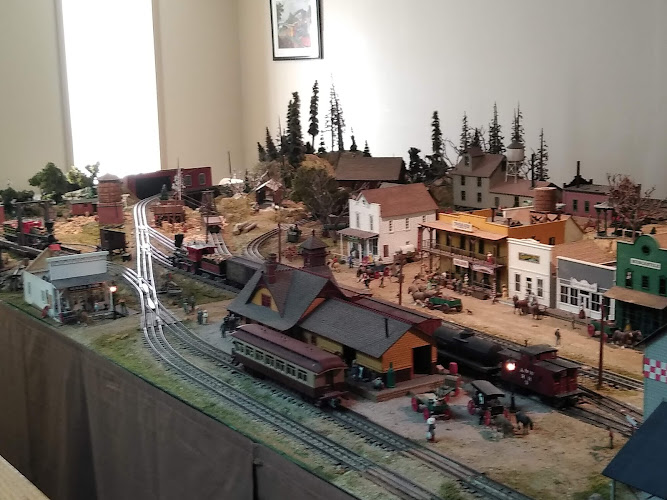
Wichita Toy Train Club & Museum
Find Accommodations Nearby
Recommended Tours & Activities
Visitor Reviews
There are no reviews yet. Be the first one to write one.
Share Your Experience
Have you visited The Keeper of the Plains? Help other travelers by leaving a review.