
Poughkeepsie
About Poughkeepsie
Description
Poughkeepsie sits right along the Hudson River, and if you’ve ever taken a train north from New York City and stared out the window hoping for something interesting, this is where your eyes usually perk up. It’s the county seat of Dutchess County, but don’t let that official-sounding label fool you. Poughkeepsie feels more like a lived-in river town with layers of history, ambition, and a few rough edges that somehow make it more honest.
The city itself has a population just north of thirty thousand, but it functions as a hub for a much larger region. The surrounding metro area pushes past 700,000 residents, and you feel that energy in the steady flow of commuters, students, artists, hikers, and weekend explorers. It’s not polished like a brochure town, and honestly, that’s part of the appeal. Poughkeepsie doesn’t perform for tourists. It just goes about its business, and visitors get to drop in and experience it as-is.
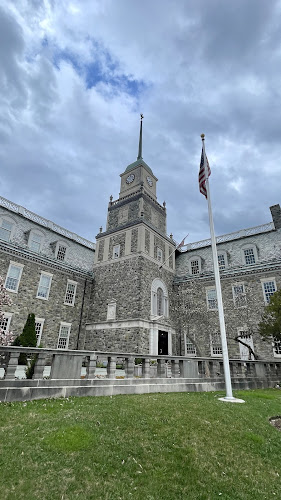
Historically, this place matters. Poughkeepsie was once the second capital of New York State, and that political past still lingers in the architecture and layout of the city. Old brick buildings rub shoulders with newer developments, and you’ll see grand civic structures a few blocks away from modest storefronts that have clearly survived a few economic cycles. Walking around, there’s this constant reminder that the city has reinvented itself more than once. Some reinventions stuck, others… well, you can see the attempts.
What tends to surprise travelers is how much nature sneaks into daily life here. The Hudson River isn’t just scenery; it shapes how people move, relax, and think. On any given morning, you’ll find locals jogging along the waterfront, students reading on benches, and photographers waiting for the light to hit the water just right. And yes, that light can be ridiculously good, especially in fall. I remember standing there one October afternoon thinking I’d only stay ten minutes. An hour later, I was still there, hands freezing, completely distracted by the river.
Poughkeepsie also has a strong educational and cultural presence, thanks in part to nearby colleges and long-standing arts organizations. That gives the city a slightly intellectual undertone, but it never turns pretentious. Conversations in coffee shops jump from local politics to hiking trails to which diner still makes pancakes the old way. For travelers, that mix makes it easy to feel less like an outsider and more like someone temporarily borrowing the city.
Key Features
- Direct access to the Hudson River with walkable waterfront paths
- Historic downtown streets mixed with newer redevelopment zones
- Proximity to major colleges, adding a youthful and curious energy
- Gateway to the Hudson Valley’s hiking trails, wineries, and scenic drives
- Architectural landmarks tied to New York State history
- Seasonal festivals, markets, and small-scale cultural events
- Easy rail access from New York City for day trips or long weekends
Best Time to Visit
The honest answer? Fall. If you’re planning a trip and can swing late September through October, do it. The Hudson Valley shows off during autumn, and Poughkeepsie is right in the middle of that show. Daytime temperatures hover in the comfortable zone, nights get crisp, and the trees along the river and nearby hills turn dramatic. It’s the kind of scenery that makes even non-photographers start taking photos like they know what they’re doing.
Spring comes in second. April and May bring blooming trees, longer days, and a sense of the city waking up after winter. Some attractions run limited hours early in the season, but that also means fewer crowds. And fewer crowds means you can actually hear the river, which sounds cheesy until you’re standing there and realize how calming it is.
Summer is busy, especially on weekends. You’ll see families, cyclists, and plenty of day-trippers. It can get humid, no sugarcoating that, but the river breeze helps. Plus, summer events and outdoor dining make the city feel social and alive. Winter, on the other hand, is quieter. Cold, sometimes gray, but quiet in a way that appeals to travelers who like introspection, empty trails, and the feeling of having a place mostly to themselves.
How to Get There
Poughkeepsie is surprisingly easy to reach, which explains why so many people use it as a launching point for Hudson Valley adventures. By train, it’s a straight shot from New York City, and the ride itself is part of the experience. The tracks hug the Hudson for long stretches, and you’ll want a window seat. Trust me on that.
Driving works just as well, especially if you plan to explore beyond the city limits. Major highways connect Poughkeepsie to the rest of the region, and once you’re off the highway, the roads get scenic fast. Rolling hills, old stone walls, farms that look like they’ve been there forever. It’s an easy transition from urban to rural, sometimes within a few minutes.
For travelers coming from farther away, regional airports serve the area, though many people opt to fly into larger hubs and travel north by car or train. That final leg into Poughkeepsie is where the stress tends to drop. The pace changes, the views open up, and suddenly you’re not checking your phone every two seconds.
Tips for Visiting
First tip: give Poughkeepsie more than a few hours. It’s tempting to treat it as a quick stop, especially if you’re passing through. But the city rewards slow exploration. Walk instead of drive when you can. Take the long way along the river. Sit down somewhere without a plan. Some of my favorite memories here came from wandering with no agenda and stumbling into conversations or views I didn’t expect.
Second, talk to locals. People here are generally straightforward and happy to share opinions, sometimes very strong ones. Ask where they actually eat, not where they send visitors. You’ll get better food and better stories. And yes, you might hear a mini rant about development projects or parking. Let it happen. It’s part of the charm.
If you’re into outdoor activities, bring proper shoes. Even if you’re not planning a hike, you’ll likely end up walking more than you think. The terrain changes, sidewalks turn into paths, and before you know it, you’re climbing a gentle hill to see what’s at the top. Spoiler: usually a view worth the effort.
Weather shifts quickly along the river, so layers matter. I’ve been there on days that started warm and ended with a sharp wind that made me wish I’d packed better. Learn from my mistake. And don’t let a little drizzle scare you off; the city has a moody side that shows up beautifully in light rain.
Finally, manage expectations. Poughkeepsie isn’t flashy, and it doesn’t try to be. Some areas show wear, some projects feel unfinished, and not every block is postcard-perfect. But that’s also why it feels real. Travelers who enjoy places with personality, history, and a bit of grit tend to leave with a deeper appreciation. You might not fall in love instantly, but the city has a way of growing on you. And sometimes, those are the places you remember the longest.
Key Features
- Direct access to the Hudson River with walkable waterfront paths
- Historic downtown streets mixed with newer redevelopment zones
- Proximity to major colleges, adding a youthful and curious energy
- Gateway to the Hudson Valley’s hiking trails, wineries, and scenic drives
- Architectural landmarks tied to New York State history
- Seasonal festivals, markets, and small-scale cultural events
- Easy rail access from New York City for day trips or long weekends
More Details
Updated December 31, 2025
Table of Contents
Description
Poughkeepsie sits right along the Hudson River, and if you’ve ever taken a train north from New York City and stared out the window hoping for something interesting, this is where your eyes usually perk up. It’s the county seat of Dutchess County, but don’t let that official-sounding label fool you. Poughkeepsie feels more like a lived-in river town with layers of history, ambition, and a few rough edges that somehow make it more honest.
The city itself has a population just north of thirty thousand, but it functions as a hub for a much larger region. The surrounding metro area pushes past 700,000 residents, and you feel that energy in the steady flow of commuters, students, artists, hikers, and weekend explorers. It’s not polished like a brochure town, and honestly, that’s part of the appeal. Poughkeepsie doesn’t perform for tourists. It just goes about its business, and visitors get to drop in and experience it as-is.
Historically, this place matters. Poughkeepsie was once the second capital of New York State, and that political past still lingers in the architecture and layout of the city. Old brick buildings rub shoulders with newer developments, and you’ll see grand civic structures a few blocks away from modest storefronts that have clearly survived a few economic cycles. Walking around, there’s this constant reminder that the city has reinvented itself more than once. Some reinventions stuck, others… well, you can see the attempts.
What tends to surprise travelers is how much nature sneaks into daily life here. The Hudson River isn’t just scenery; it shapes how people move, relax, and think. On any given morning, you’ll find locals jogging along the waterfront, students reading on benches, and photographers waiting for the light to hit the water just right. And yes, that light can be ridiculously good, especially in fall. I remember standing there one October afternoon thinking I’d only stay ten minutes. An hour later, I was still there, hands freezing, completely distracted by the river.
Poughkeepsie also has a strong educational and cultural presence, thanks in part to nearby colleges and long-standing arts organizations. That gives the city a slightly intellectual undertone, but it never turns pretentious. Conversations in coffee shops jump from local politics to hiking trails to which diner still makes pancakes the old way. For travelers, that mix makes it easy to feel less like an outsider and more like someone temporarily borrowing the city.
Key Features
- Direct access to the Hudson River with walkable waterfront paths
- Historic downtown streets mixed with newer redevelopment zones
- Proximity to major colleges, adding a youthful and curious energy
- Gateway to the Hudson Valley’s hiking trails, wineries, and scenic drives
- Architectural landmarks tied to New York State history
- Seasonal festivals, markets, and small-scale cultural events
- Easy rail access from New York City for day trips or long weekends
Best Time to Visit
The honest answer? Fall. If you’re planning a trip and can swing late September through October, do it. The Hudson Valley shows off during autumn, and Poughkeepsie is right in the middle of that show. Daytime temperatures hover in the comfortable zone, nights get crisp, and the trees along the river and nearby hills turn dramatic. It’s the kind of scenery that makes even non-photographers start taking photos like they know what they’re doing.
Spring comes in second. April and May bring blooming trees, longer days, and a sense of the city waking up after winter. Some attractions run limited hours early in the season, but that also means fewer crowds. And fewer crowds means you can actually hear the river, which sounds cheesy until you’re standing there and realize how calming it is.
Summer is busy, especially on weekends. You’ll see families, cyclists, and plenty of day-trippers. It can get humid, no sugarcoating that, but the river breeze helps. Plus, summer events and outdoor dining make the city feel social and alive. Winter, on the other hand, is quieter. Cold, sometimes gray, but quiet in a way that appeals to travelers who like introspection, empty trails, and the feeling of having a place mostly to themselves.
How to Get There
Poughkeepsie is surprisingly easy to reach, which explains why so many people use it as a launching point for Hudson Valley adventures. By train, it’s a straight shot from New York City, and the ride itself is part of the experience. The tracks hug the Hudson for long stretches, and you’ll want a window seat. Trust me on that.
Driving works just as well, especially if you plan to explore beyond the city limits. Major highways connect Poughkeepsie to the rest of the region, and once you’re off the highway, the roads get scenic fast. Rolling hills, old stone walls, farms that look like they’ve been there forever. It’s an easy transition from urban to rural, sometimes within a few minutes.
For travelers coming from farther away, regional airports serve the area, though many people opt to fly into larger hubs and travel north by car or train. That final leg into Poughkeepsie is where the stress tends to drop. The pace changes, the views open up, and suddenly you’re not checking your phone every two seconds.
Tips for Visiting
First tip: give Poughkeepsie more than a few hours. It’s tempting to treat it as a quick stop, especially if you’re passing through. But the city rewards slow exploration. Walk instead of drive when you can. Take the long way along the river. Sit down somewhere without a plan. Some of my favorite memories here came from wandering with no agenda and stumbling into conversations or views I didn’t expect.
Second, talk to locals. People here are generally straightforward and happy to share opinions, sometimes very strong ones. Ask where they actually eat, not where they send visitors. You’ll get better food and better stories. And yes, you might hear a mini rant about development projects or parking. Let it happen. It’s part of the charm.
If you’re into outdoor activities, bring proper shoes. Even if you’re not planning a hike, you’ll likely end up walking more than you think. The terrain changes, sidewalks turn into paths, and before you know it, you’re climbing a gentle hill to see what’s at the top. Spoiler: usually a view worth the effort.
Weather shifts quickly along the river, so layers matter. I’ve been there on days that started warm and ended with a sharp wind that made me wish I’d packed better. Learn from my mistake. And don’t let a little drizzle scare you off; the city has a moody side that shows up beautifully in light rain.
Finally, manage expectations. Poughkeepsie isn’t flashy, and it doesn’t try to be. Some areas show wear, some projects feel unfinished, and not every block is postcard-perfect. But that’s also why it feels real. Travelers who enjoy places with personality, history, and a bit of grit tend to leave with a deeper appreciation. You might not fall in love instantly, but the city has a way of growing on you. And sometimes, those are the places you remember the longest.
Key Highlights
- Direct access to the Hudson River with walkable waterfront paths
- Historic downtown streets mixed with newer redevelopment zones
- Proximity to major colleges, adding a youthful and curious energy
- Gateway to the Hudson Valley’s hiking trails, wineries, and scenic drives
- Architectural landmarks tied to New York State history
- Seasonal festivals, markets, and small-scale cultural events
- Easy rail access from New York City for day trips or long weekends
Location
Places to Stay Near Poughkeepsie
Find and Book a Tour
Explore More Travel Guides
No reviews found! Be the first to review!
Traveler Reviews for Poughkeepsie
There are no reviews yet. Be the first one to write one.
Have you visited Poughkeepsie? Help other travelers by sharing your review.
Find Accommodations Nearby
Recommended Tours & Activities
Visitor Reviews
There are no reviews yet. Be the first one to write one.
Share Your Experience
Have you visited Poughkeepsie? Help other travelers by leaving a review.