

Port Vila
About Port Vila
Description
Port Vila, perched along the shimmering harbor of Efate Island, is the kind of place that sneaks up on you. At first glance, it feels small and unassuming—just a cluster of colorful market stalls, a few boats bobbing in the bay, and locals chatting under the shade of palm trees. But give it a day or two, and suddenly you’re caught up in its rhythm. The air smells faintly of salt and tropical fruit, and there’s this easygoing warmth that makes you forget what day it is.
As the capital of Vanuatu, Port Vila is where everything happens—though “happens” in a very island-time sort of way. It’s a patchwork of cultures, with French bakeries sitting beside kava bars, and Australian expats mingling with Ni-Vanuatu families who’ve lived here for generations. You’ll find the National Museum of Vanuatu tucked inside the Cultural Centre, displaying ancient slit-gong drums and outrigger canoes that tell the story of the islands long before cruise ships and resorts arrived. And if you’re into diving, snorkeling, or just floating in warm turquoise water, this town is your launchpad to some of the most unspoiled reefs in the South Pacific.
I remember wandering through the local market one humid morning—my shirt sticking to my back, the smell of fresh taro and coconuts heavy in the air. A woman handed me a piece of laplap (a traditional dish made from grated yam and coconut milk), and I swear I’ve been chasing that flavor ever since. It’s that kind of place: simple moments stick with you. Port Vila doesn’t try to impress—it just quietly wins you over.
Key Features
- Local Markets: Bustling with color, sound, and the scent of tropical fruit, the Port Vila Market is the heart of the town. You’ll find everything from handmade baskets to fresh papayas and island spices.
- National Museum of Vanuatu: A small but fascinating museum showcasing traditional artifacts, including ancient drums, masks, and canoes that reveal the islands’ deep cultural roots.
- Mele Cascades: A short drive from town, this multi-tiered waterfall is surrounded by rainforest and offers natural rock pools perfect for a refreshing dip.
- Water Adventures: Diving, snorkeling, kayaking, and sailing are all easily accessible. The coral reefs around Efate are teeming with marine life and shipwrecks waiting to be explored.
- Local Cuisine: From coconut crab to French pastries, Port Vila’s food scene is a delightful mix of island flavors and European flair.
- Kava Bars: For the curious, trying kava (a traditional local drink) is a must. It’s earthy, calming, and best enjoyed while chatting with locals as the sun sets over the harbor.
Best Time to Visit
Honestly, Port Vila is one of those places that’s good pretty much year-round, but if you want the sweet spot, aim for May to October. That’s the dry season, when the humidity drops a little and the skies seem permanently blue. The sea is calm, perfect for snorkeling or a lazy boat ride to nearby islands like Hideaway or Iririki. I once visited in July, and the evenings were cool enough to sit outside with a glass of local Tusker beer without breaking a sweat. Pure bliss.
The wet season, from November to April, brings heavier rain and the occasional tropical cyclone. But the rain doesn’t ruin the fun—it just changes the vibe. Everything turns a deeper shade of green, waterfalls swell, and the air feels alive. If you don’t mind a few showers, you’ll find fewer tourists and better deals on accommodation. And sometimes, that quiet, rain-slicked version of Port Vila feels even more magical.
How to Get There
Getting to Port Vila is easier than most people think. Bauerfield International Airport sits just a few kilometers from town, and flights arrive regularly from Australia, New Zealand, and Fiji. If you’re coming from Sydney or Brisbane, you’re looking at about a three-hour flight—barely enough time to finish a movie before you’re landing over turquoise water.
Once you arrive, taxis and minibuses are everywhere. They don’t run on strict schedules, but that’s part of the charm. You just wave one down, hop in, and off you go. The roads can be a little bumpy, but the views make up for it—lush hills on one side, the ocean glittering on the other. Some travelers rent scooters or cars to explore Efate at their own pace, which I’d recommend if you like a bit of adventure. Just remember: they drive on the right-hand side here, and the occasional chicken might wander onto the road.
Tips for Visiting
First things first: slow down. Port Vila isn’t a place to rush through. Take your time wandering, talk to the locals, and don’t be afraid to get a little lost. The best moments often happen when you’re not following a plan.
1. Bring cash. While some hotels and restaurants accept cards, many smaller shops and market stalls deal only in cash (the local currency is the Vatu). ATMs are available, but they can run out on weekends or holidays.
2. Respect local customs. Ni-Vanuatu people are friendly and welcoming, but modesty is appreciated—especially outside the main tourist areas. When visiting villages, always ask before taking photos.
3. Try the kava, but go easy. It’s not like your usual drink. It numbs your mouth and relaxes you fast, so sip slowly and enjoy the experience. Locals will appreciate your interest in their traditions.
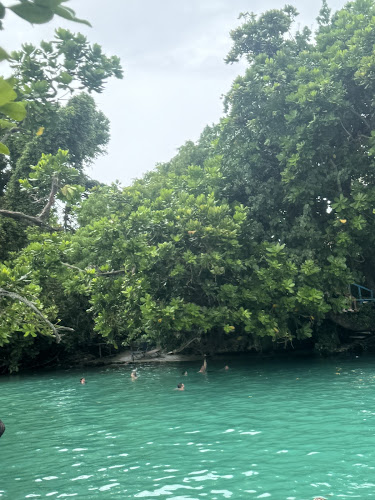
4. Explore beyond town. Port Vila is lovely, but Efate has so much more—hidden beaches, blue holes, and tiny roadside eateries serving the freshest seafood you’ll ever taste. Rent a car or join a local tour to see the island’s quieter corners.
5. Don’t skip the waterfalls. Mele Cascades is the most famous, but there are smaller, lesser-known falls tucked away in the jungle. Ask locals where to go—they’ll point you toward places most tourists miss.
6. Pack reef-safe sunscreen and insect repellent. You’ll spend a lot of time outdoors, and protecting both your skin and the coral reefs is just good travel karma.
7. Embrace the pace. Things move on “island time.” Buses might be late, shops might close early, and sometimes the Wi-Fi just gives up. But honestly, that’s the beauty of it. You’re not here to rush—you’re here to breathe.
When I think back on my time in Port Vila, what stands out isn’t just the scenery—it’s the feeling. The laughter of kids splashing in the shallows, the slow sway of boats in the harbor, the way the sunset paints everything gold for a few fleeting minutes. It’s a place that doesn’t shout for attention; it simply invites you to stay a little longer. And if you do, you’ll understand why so many travelers come here “just for a weekend” and end up staying for weeks.
So pack light, bring an open heart, and let Port Vila do what it does best—remind you how good it feels to just be.
Key Features
- Key Features
- Best Time to Visit
- How to Get There
- Tips for Visiting
More Details
Updated October 8, 2025
Table of Contents
Description
Port Vila, perched along the shimmering harbor of Efate Island, is the kind of place that sneaks up on you. At first glance, it feels small and unassuming—just a cluster of colorful market stalls, a few boats bobbing in the bay, and locals chatting under the shade of palm trees. But give it a day or two, and suddenly you’re caught up in its rhythm. The air smells faintly of salt and tropical fruit, and there’s this easygoing warmth that makes you forget what day it is.
As the capital of Vanuatu, Port Vila is where everything happens—though “happens” in a very island-time sort of way. It’s a patchwork of cultures, with French bakeries sitting beside kava bars, and Australian expats mingling with Ni-Vanuatu families who’ve lived here for generations. You’ll find the National Museum of Vanuatu tucked inside the Cultural Centre, displaying ancient slit-gong drums and outrigger canoes that tell the story of the islands long before cruise ships and resorts arrived. And if you’re into diving, snorkeling, or just floating in warm turquoise water, this town is your launchpad to some of the most unspoiled reefs in the South Pacific.
I remember wandering through the local market one humid morning—my shirt sticking to my back, the smell of fresh taro and coconuts heavy in the air. A woman handed me a piece of laplap (a traditional dish made from grated yam and coconut milk), and I swear I’ve been chasing that flavor ever since. It’s that kind of place: simple moments stick with you. Port Vila doesn’t try to impress—it just quietly wins you over.
Key Features
- Local Markets: Bustling with color, sound, and the scent of tropical fruit, the Port Vila Market is the heart of the town. You’ll find everything from handmade baskets to fresh papayas and island spices.
- National Museum of Vanuatu: A small but fascinating museum showcasing traditional artifacts, including ancient drums, masks, and canoes that reveal the islands’ deep cultural roots.
- Mele Cascades: A short drive from town, this multi-tiered waterfall is surrounded by rainforest and offers natural rock pools perfect for a refreshing dip.
- Water Adventures: Diving, snorkeling, kayaking, and sailing are all easily accessible. The coral reefs around Efate are teeming with marine life and shipwrecks waiting to be explored.
- Local Cuisine: From coconut crab to French pastries, Port Vila’s food scene is a delightful mix of island flavors and European flair.
- Kava Bars: For the curious, trying kava (a traditional local drink) is a must. It’s earthy, calming, and best enjoyed while chatting with locals as the sun sets over the harbor.
Best Time to Visit
Honestly, Port Vila is one of those places that’s good pretty much year-round, but if you want the sweet spot, aim for May to October. That’s the dry season, when the humidity drops a little and the skies seem permanently blue. The sea is calm, perfect for snorkeling or a lazy boat ride to nearby islands like Hideaway or Iririki. I once visited in July, and the evenings were cool enough to sit outside with a glass of local Tusker beer without breaking a sweat. Pure bliss.
The wet season, from November to April, brings heavier rain and the occasional tropical cyclone. But the rain doesn’t ruin the fun—it just changes the vibe. Everything turns a deeper shade of green, waterfalls swell, and the air feels alive. If you don’t mind a few showers, you’ll find fewer tourists and better deals on accommodation. And sometimes, that quiet, rain-slicked version of Port Vila feels even more magical.
How to Get There
Getting to Port Vila is easier than most people think. Bauerfield International Airport sits just a few kilometers from town, and flights arrive regularly from Australia, New Zealand, and Fiji. If you’re coming from Sydney or Brisbane, you’re looking at about a three-hour flight—barely enough time to finish a movie before you’re landing over turquoise water.
Once you arrive, taxis and minibuses are everywhere. They don’t run on strict schedules, but that’s part of the charm. You just wave one down, hop in, and off you go. The roads can be a little bumpy, but the views make up for it—lush hills on one side, the ocean glittering on the other. Some travelers rent scooters or cars to explore Efate at their own pace, which I’d recommend if you like a bit of adventure. Just remember: they drive on the right-hand side here, and the occasional chicken might wander onto the road.
Tips for Visiting
First things first: slow down. Port Vila isn’t a place to rush through. Take your time wandering, talk to the locals, and don’t be afraid to get a little lost. The best moments often happen when you’re not following a plan.
1. Bring cash. While some hotels and restaurants accept cards, many smaller shops and market stalls deal only in cash (the local currency is the Vatu). ATMs are available, but they can run out on weekends or holidays.
2. Respect local customs. Ni-Vanuatu people are friendly and welcoming, but modesty is appreciated—especially outside the main tourist areas. When visiting villages, always ask before taking photos.
3. Try the kava, but go easy. It’s not like your usual drink. It numbs your mouth and relaxes you fast, so sip slowly and enjoy the experience. Locals will appreciate your interest in their traditions.
4. Explore beyond town. Port Vila is lovely, but Efate has so much more—hidden beaches, blue holes, and tiny roadside eateries serving the freshest seafood you’ll ever taste. Rent a car or join a local tour to see the island’s quieter corners.
5. Don’t skip the waterfalls. Mele Cascades is the most famous, but there are smaller, lesser-known falls tucked away in the jungle. Ask locals where to go—they’ll point you toward places most tourists miss.
6. Pack reef-safe sunscreen and insect repellent. You’ll spend a lot of time outdoors, and protecting both your skin and the coral reefs is just good travel karma.
7. Embrace the pace. Things move on “island time.” Buses might be late, shops might close early, and sometimes the Wi-Fi just gives up. But honestly, that’s the beauty of it. You’re not here to rush—you’re here to breathe.
When I think back on my time in Port Vila, what stands out isn’t just the scenery—it’s the feeling. The laughter of kids splashing in the shallows, the slow sway of boats in the harbor, the way the sunset paints everything gold for a few fleeting minutes. It’s a place that doesn’t shout for attention; it simply invites you to stay a little longer. And if you do, you’ll understand why so many travelers come here “just for a weekend” and end up staying for weeks.
So pack light, bring an open heart, and let Port Vila do what it does best—remind you how good it feels to just be.
Key Highlights
- Key Features
- Best Time to Visit
- How to Get There
- Tips for Visiting
Location
Places to Stay Near Port Vila
Find and Book a Tour
Explore More Travel Guides
No reviews found! Be the first to review!
Traveler Reviews for Port Vila
There are no reviews yet. Be the first one to write one.
Have you visited Port Vila? Help other travelers by sharing your review.
You Might Also Like
Vanuatu efate port vila
Vila Hope Tours & Transfers

Oceanwalker Vanuatu
Find Accommodations Nearby
Recommended Tours & Activities
Visitor Reviews
There are no reviews yet. Be the first one to write one.
Share Your Experience
Have you visited Port Vila? Help other travelers by leaving a review.