
Vanuatu National Museum
About Vanuatu National Museum
Description
The National Museum of Vanuatu is one of those places that quietly surprises you. It’s not a massive, modern museum with shiny glass walls or digital screens everywhere — and honestly, that’s its charm. Located in Port Vila, this museum sits right at the heart of Vanuatu’s cultural identity. It’s part of the Vanuatu Cultural Centre, which has long been a hub for preserving the stories, art, and traditions of the islands. What makes it stand out is how it doesn’t just display culture behind glass — it lives and breathes it.
Inside, you’ll find an intimate collection of local artifacts that tell the story of the Ni-Vanuatu people — from ancient tools and ceremonial masks to intricate carvings and traditional costumes. But what really draws people in are the sand-drawing demonstrations. If you’ve never seen sand drawing before, it’s mesmerizing. A local artist uses their finger to trace complex geometric patterns in fine sand, often telling a story as they go. It’s both art and storytelling rolled into one, and it’s recognized by UNESCO as an intangible cultural heritage. Watching it feels almost meditative.
Now, I’ve been to quite a few museums across the Pacific, and most lean heavily on European-style exhibits — glass cases, plaques, and all that. But here, the approach feels more personal. The museum rejects the typical “don’t touch” vibe of Western museology. Instead, you’re encouraged to engage, ask questions, and talk to the guides. They’re often locals who grew up surrounded by these traditions, and their stories bring the exhibits to life in a way no text panel ever could.
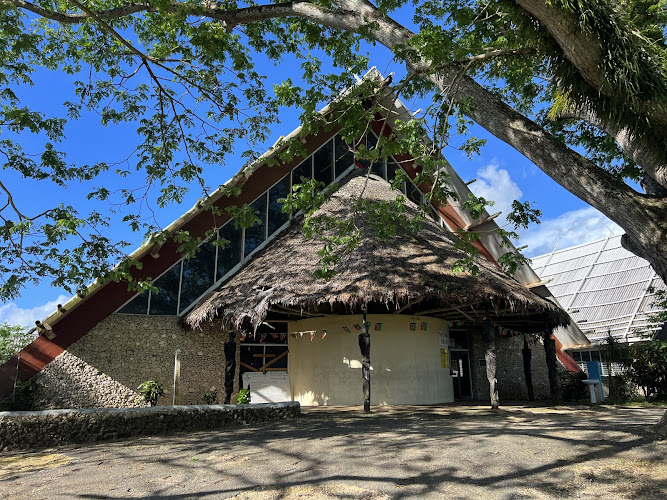
The building itself is worth mentioning. It’s designed in a traditional Melanesian style, with a thatched roof and open spaces that let the tropical breeze flow through. It feels authentic — not staged or overly polished. And while it’s modest in size, it packs a lot of heart. Some visitors might expect a grander setup, but most walk away feeling they’ve experienced something real and deeply human.
Key Features
- Authentic local cultural artifacts, including masks, carvings, tools, and traditional attire.
- Live sand-drawing demonstrations by local artists — a rare and fascinating experience.
- Photo displays showcasing the diverse communities and traditions across Vanuatu’s islands.
- Occasional live performances featuring traditional music and dance.
- Wheelchair-accessible entrance and parking for visitors with mobility needs.
- Onsite restrooms and shaded outdoor areas for a comfortable visit.
- Friendly, knowledgeable guides who share personal stories and cultural insights.
- Family-friendly environment — kids are welcome and often captivated by the interactive displays.
Best Time to Visit
Vanuatu enjoys a tropical climate year-round, but if you’re planning to make the most of your visit, the dry season from May to October is ideal. The weather is warm but not too humid, and you’ll avoid the heavier rains that can roll through during the wet months. I’ve visited in both seasons, and while the museum is open rain or shine, it’s just nicer wandering around when the air isn’t thick with humidity.
Mornings tend to be quieter, which makes it easier to chat with the staff and linger at the exhibits. If you go in the afternoon, you might catch a live demonstration or a school group visit — both of which add a bit of energy to the experience. And if you’re already exploring Port Vila, it’s easy to fit into your day since it’s centrally located and doesn’t require hours to explore.
How to Get There
Getting to the National Museum of Vanuatu is straightforward if you’re staying in Port Vila. Most hotels and guesthouses are just a short drive away. You can grab a local bus or minivan — they’re inexpensive and run frequently around town. Just tell the driver you’re heading to the Cultural Centre, and they’ll know exactly where to drop you off.
If you prefer walking, it’s about a 15–20 minute stroll from the city center, depending on where you’re staying. Along the way, you’ll pass through local markets and small shops that are worth a peek. Taxis are also easy to find, though it’s always a good idea to agree on the fare before you hop in. The roads are well-marked, and the museum itself is hard to miss — the traditional building stands out among the more modern surroundings.
Tips for Visiting
First off, take your time. This isn’t the kind of museum you rush through. The more you slow down and engage with the guides, the more you’ll get out of it. They love sharing stories — not just about the artifacts, but about how traditions are kept alive today. If you’re lucky, you might even be invited to try your hand at a sand drawing or learn a few local words in Bislama, the national language.
Bring some cash for the entrance fee, as not all places in Vanuatu accept cards. It’s a small fee, but it goes directly toward maintaining the museum and supporting local cultural programs. Photography is usually allowed, but always ask first — some exhibits or performances have restrictions out of respect for cultural sensitivities.
There’s no restaurant onsite, so grab a bite before or after your visit. There are plenty of cafes and small eateries nearby where you can try local dishes like lap lap (a root vegetable pudding) or fresh seafood. And don’t forget your water bottle — it can get warm, especially around midday.
If you’re traveling with kids, this is a great spot to introduce them to Pacific Island culture in a hands-on way. The exhibits are engaging, and the staff are patient with curious little ones. For solo travelers or couples, it’s a peaceful place to reflect and learn about the deeper layers of Vanuatu’s identity beyond the beaches and resorts.
One personal tip: linger near the sand-drawing area even after the main demonstration ends. Sometimes, the artists will chat casually with visitors, explaining how each pattern connects to local legends or family histories. It’s those unscripted moments that make the experience truly special.
In short, the National Museum of Vanuatu might not be the flashiest attraction in Port Vila, but it’s one of the most meaningful. It offers a genuine glimpse into the spirit of the islands — a mix of history, art, and living tradition that you can feel, not just see. Whether you’re an art lover, a culture buff, or just curious about the world, this little museum leaves a lasting impression. And honestly, that’s what travel should be about.
Key Features
- Authentic local cultural artifacts, including masks, carvings, tools, and traditional attire.
- Live sand-drawing demonstrations by local artists — a rare and fascinating experience.
- Photo displays showcasing the diverse communities and traditions across Vanuatu’s islands.
- Occasional live performances featuring traditional music and dance.
- Wheelchair-accessible entrance and parking for visitors with mobility needs.
- Onsite restrooms and shaded outdoor areas for a comfortable visit.
- Friendly, knowledgeable guides who share personal stories and cultural insights.
- Family-friendly environment — kids are welcome and often captivated by the interactive displays.
More Details
Updated October 8, 2025
Table of Contents
Description
The National Museum of Vanuatu is one of those places that quietly surprises you. It’s not a massive, modern museum with shiny glass walls or digital screens everywhere — and honestly, that’s its charm. Located in Port Vila, this museum sits right at the heart of Vanuatu’s cultural identity. It’s part of the Vanuatu Cultural Centre, which has long been a hub for preserving the stories, art, and traditions of the islands. What makes it stand out is how it doesn’t just display culture behind glass — it lives and breathes it.
Inside, you’ll find an intimate collection of local artifacts that tell the story of the Ni-Vanuatu people — from ancient tools and ceremonial masks to intricate carvings and traditional costumes. But what really draws people in are the sand-drawing demonstrations. If you’ve never seen sand drawing before, it’s mesmerizing. A local artist uses their finger to trace complex geometric patterns in fine sand, often telling a story as they go. It’s both art and storytelling rolled into one, and it’s recognized by UNESCO as an intangible cultural heritage. Watching it feels almost meditative.
Now, I’ve been to quite a few museums across the Pacific, and most lean heavily on European-style exhibits — glass cases, plaques, and all that. But here, the approach feels more personal. The museum rejects the typical “don’t touch” vibe of Western museology. Instead, you’re encouraged to engage, ask questions, and talk to the guides. They’re often locals who grew up surrounded by these traditions, and their stories bring the exhibits to life in a way no text panel ever could.
The building itself is worth mentioning. It’s designed in a traditional Melanesian style, with a thatched roof and open spaces that let the tropical breeze flow through. It feels authentic — not staged or overly polished. And while it’s modest in size, it packs a lot of heart. Some visitors might expect a grander setup, but most walk away feeling they’ve experienced something real and deeply human.
Key Features
- Authentic local cultural artifacts, including masks, carvings, tools, and traditional attire.
- Live sand-drawing demonstrations by local artists — a rare and fascinating experience.
- Photo displays showcasing the diverse communities and traditions across Vanuatu’s islands.
- Occasional live performances featuring traditional music and dance.
- Wheelchair-accessible entrance and parking for visitors with mobility needs.
- Onsite restrooms and shaded outdoor areas for a comfortable visit.
- Friendly, knowledgeable guides who share personal stories and cultural insights.
- Family-friendly environment — kids are welcome and often captivated by the interactive displays.
Best Time to Visit
Vanuatu enjoys a tropical climate year-round, but if you’re planning to make the most of your visit, the dry season from May to October is ideal. The weather is warm but not too humid, and you’ll avoid the heavier rains that can roll through during the wet months. I’ve visited in both seasons, and while the museum is open rain or shine, it’s just nicer wandering around when the air isn’t thick with humidity.
Mornings tend to be quieter, which makes it easier to chat with the staff and linger at the exhibits. If you go in the afternoon, you might catch a live demonstration or a school group visit — both of which add a bit of energy to the experience. And if you’re already exploring Port Vila, it’s easy to fit into your day since it’s centrally located and doesn’t require hours to explore.
How to Get There
Getting to the National Museum of Vanuatu is straightforward if you’re staying in Port Vila. Most hotels and guesthouses are just a short drive away. You can grab a local bus or minivan — they’re inexpensive and run frequently around town. Just tell the driver you’re heading to the Cultural Centre, and they’ll know exactly where to drop you off.
If you prefer walking, it’s about a 15–20 minute stroll from the city center, depending on where you’re staying. Along the way, you’ll pass through local markets and small shops that are worth a peek. Taxis are also easy to find, though it’s always a good idea to agree on the fare before you hop in. The roads are well-marked, and the museum itself is hard to miss — the traditional building stands out among the more modern surroundings.
Tips for Visiting
First off, take your time. This isn’t the kind of museum you rush through. The more you slow down and engage with the guides, the more you’ll get out of it. They love sharing stories — not just about the artifacts, but about how traditions are kept alive today. If you’re lucky, you might even be invited to try your hand at a sand drawing or learn a few local words in Bislama, the national language.
Bring some cash for the entrance fee, as not all places in Vanuatu accept cards. It’s a small fee, but it goes directly toward maintaining the museum and supporting local cultural programs. Photography is usually allowed, but always ask first — some exhibits or performances have restrictions out of respect for cultural sensitivities.
There’s no restaurant onsite, so grab a bite before or after your visit. There are plenty of cafes and small eateries nearby where you can try local dishes like lap lap (a root vegetable pudding) or fresh seafood. And don’t forget your water bottle — it can get warm, especially around midday.
If you’re traveling with kids, this is a great spot to introduce them to Pacific Island culture in a hands-on way. The exhibits are engaging, and the staff are patient with curious little ones. For solo travelers or couples, it’s a peaceful place to reflect and learn about the deeper layers of Vanuatu’s identity beyond the beaches and resorts.
One personal tip: linger near the sand-drawing area even after the main demonstration ends. Sometimes, the artists will chat casually with visitors, explaining how each pattern connects to local legends or family histories. It’s those unscripted moments that make the experience truly special.
In short, the National Museum of Vanuatu might not be the flashiest attraction in Port Vila, but it’s one of the most meaningful. It offers a genuine glimpse into the spirit of the islands — a mix of history, art, and living tradition that you can feel, not just see. Whether you’re an art lover, a culture buff, or just curious about the world, this little museum leaves a lasting impression. And honestly, that’s what travel should be about.
Key Highlights
- Authentic local cultural artifacts, including masks, carvings, tools, and traditional attire.
- Live sand-drawing demonstrations by local artists — a rare and fascinating experience.
- Photo displays showcasing the diverse communities and traditions across Vanuatu’s islands.
- Occasional live performances featuring traditional music and dance.
- Wheelchair-accessible entrance and parking for visitors with mobility needs.
- Onsite restrooms and shaded outdoor areas for a comfortable visit.
- Friendly, knowledgeable guides who share personal stories and cultural insights.
- Family-friendly environment — kids are welcome and often captivated by the interactive displays.
Location
Places to Stay Near Vanuatu National Museum
Find and Book a Tour
Explore More Travel Guides
No reviews found! Be the first to review!
Traveler Reviews for Vanuatu National Museum
There are no reviews yet. Be the first one to write one.
Have you visited Vanuatu National Museum? Help other travelers by sharing your review.
You Might Also Like
Feiawa Park

Tana Russet Plaza
Vila Hope Tours & Transfers
Find Accommodations Nearby
Recommended Tours & Activities
Visitor Reviews
There are no reviews yet. Be the first one to write one.
Share Your Experience
Have you visited Vanuatu National Museum? Help other travelers by leaving a review.