
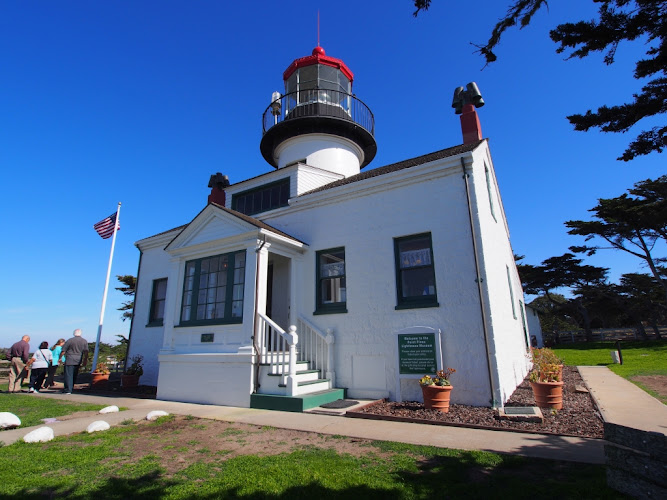
Point Pinos Lighthouse (1855)
About Point Pinos Lighthouse (1855)
Description
Point Pinos Lighthouse has this quiet, almost nostalgic charm that instantly pulls you in. Standing proudly since 1855, it’s the oldest continuously operating lighthouse on the West Coast of the United States, and honestly, you can feel the weight of history in the salty air around it. The place isn’t just about a beacon flashing across the Pacific—it’s about stories, endurance, and a slice of California’s maritime past that somehow still feels alive today.
When you walk up the path and see that whitewashed Victorian-era building against the wind-swept coast, it’s easy to imagine sailors from centuries past watching for that same light. The original Fresnel lens still works, which is rare and kind of magical if you’re into old-world engineering. The docents here—many of them locals who’ve lived in the area for decades—don’t just recite facts. They tell tales of shipwrecks, storms, and even the first female lighthouse keeper on the Pacific coast. You leave feeling like you’ve stepped into a living storybook rather than a museum.
It’s not a huge site, but that’s part of its charm. The rooms are small, cozy even, with period furnishings that make you half-expect someone in a long Victorian dress to come bustling through the doorway. And outside, the Monterey Bay breeze carries the tang of the sea and the cries of gulls. It’s peaceful, but not in a sleepy way—more like a quiet reminder of how much history can hide in plain sight.
To be totally honest, if you’re expecting a flashy, interactive museum with digital displays, this isn’t it. But if you appreciate authenticity, craftsmanship, and a bit of soul, Point Pinos Lighthouse hits the mark. It’s one of those places that doesn’t need to shout to be heard. It just stands there, steady and sure, like it always has.
Key Features
- Oldest continuously operating lighthouse on the West Coast, first lit in 1855
- Original Fresnel lens still in use and beautifully maintained
- Victorian-era keeper’s quarters open for tours
- Knowledgeable docents sharing authentic local stories
- Panoramic coastal views of Monterey Bay and the Pacific Ocean
- Small museum exhibits highlighting maritime history and navigation
- Wheelchair accessible parking and restrooms available onsite
- Family-friendly environment that’s both educational and relaxing
What really makes this lighthouse special is how it blends history with a sense of calm. You can explore the building, wander the grounds, then just sit on a bench and watch the waves crash against the rocks. It’s the kind of place where time slows down a little, and that’s something travelers don’t get enough of these days.
Best Time to Visit
If you ask me, the best time to visit Point Pinos Lighthouse is during spring or early fall. The weather around then is just right—not too foggy, not too windy. You get those crisp, clear mornings when the light cuts across the water in that cinematic way that makes photographers lose their minds. Summer can be lovely too, but it tends to bring more crowds, and the coastal fog sometimes rolls in thick enough to hide the view.
Winter has its own charm, though. There’s something hauntingly beautiful about standing near the cliffs with the waves pounding below and the lighthouse beam slicing through the mist. If you’re into moody coastal vibes (and maybe a bit of solitude), that’s your season. Just bring a jacket—and maybe a thermos of coffee. It gets chilly fast.
Weekdays are generally quieter than weekends, so if you prefer a more personal experience, aim for a Tuesday or Wednesday. The docents often have more time to chat then, and those conversations can be the highlight of your visit. They know every quirk and hidden story about the place, and they love sharing it.
How to Get There
Reaching the lighthouse is straightforward, and the drive itself is pretty scenic. It’s located in Pacific Grove, just a short hop from Monterey and Carmel-by-the-Sea. If you’re coming from Highway 1, you’ll wind through tree-lined roads and coastal neighborhoods that feel straight out of an old postcard. Parking is free and easy, which is a relief given how tight parking can be at some California attractions.
Public transportation options are limited, so having a car is your best bet. But honestly, half the fun is the drive—rolling past cypress trees, glimpsing the ocean, maybe stopping for a quick bite at one of the local cafes before heading up to the lighthouse. If you’re using a GPS, it’ll lead you right to the entrance. Just keep an eye out for the small sign; it’s easy to miss if you’re chatting or distracted by the view (which, trust me, is easy to do).
Once you arrive, the grounds are compact and easy to explore on foot. There are paved paths for accessibility, and the parking lot includes designated wheelchair spaces. Everything feels manageable and welcoming, even for families with young kids or older travelers.
Tips for Visiting
Here’s the thing about Point Pinos Lighthouse—it’s a simple pleasure, but it rewards those who take their time. So don’t rush it. Plan to spend at least an hour wandering through the rooms, chatting with the docents, and soaking in the views. You’ll notice little details you might miss if you breeze through—the worn wood on the staircase, the old logbooks, the smell of salt and polish in the air.
Bring a light jacket, even in summer. The Pacific breeze doesn’t play around, and it can get surprisingly cool, especially in the late afternoon. Comfortable shoes are a must too, since the terrain around the lighthouse includes some uneven paths and rocky spots worth exploring.
If you’re into photography, come early or late in the day. The golden light at sunrise or sunset makes the whole place glow, and you’ll get those postcard-worthy shots without much editing. And for families, this spot is a great way to introduce kids to history in a way that feels real and tangible. They can see the old lamps, climb the steps, and imagine what life was like when the keeper had to wind the mechanism by hand every night.
One small tip: take a moment outside after your tour. Sit on the bench near the edge of the property and just watch the horizon. You’ll probably see pelicans gliding by or maybe even a sea otter bobbing in the kelp beds below. It’s a quiet reminder that this place isn’t just a relic—it’s part of a living, breathing coastline that’s still shaping stories today.
And if you’re like me, you’ll find yourself thinking about how remarkable it is that this lighthouse has been doing its job for over 160 years. Through wars, earthquakes, fog, and everything else the Pacific can throw at it, that little light keeps shining. There’s something comforting about that—a steady glow in a world that changes too fast.
So, whether you’re a history buff, a photographer, or just someone who loves the sea, Point Pinos Lighthouse is worth the stop. It’s not loud or flashy, but it’s real. And sometimes, that’s exactly what you need.
Key Features
- Oldest continuously operating lighthouse on the West Coast, first lit in 1855
- Original Fresnel lens still in use and beautifully maintained
- Victorian-era keeper’s quarters open for tours
- Knowledgeable docents sharing authentic local stories
- Panoramic coastal views of Monterey Bay and the Pacific Ocean
- Small museum exhibits highlighting maritime history and navigation
- Wheelchair accessible parking and restrooms available onsite
- Family-friendly environment that’s both educational and relaxing
More Details
Updated November 7, 2025
Table of Contents Point Pinos Lighthouse has this quiet, almost nostalgic charm that instantly pulls you in. Standing proudly since 1855, it’s the oldest continuously operating lighthouse on the West Coast of the United States, and honestly, you can feel the weight of history in the salty air around it. The place isn’t just about a beacon flashing across the Pacific—it’s about stories, endurance, and a slice of California’s maritime past that somehow still feels alive today. When you walk up the path and see that whitewashed Victorian-era building against the wind-swept coast, it’s easy to imagine sailors from centuries past watching for that same light. The original Fresnel lens still works, which is rare and kind of magical if you’re into old-world engineering. The docents here—many of them locals who’ve lived in the area for decades—don’t just recite facts. They tell tales of shipwrecks, storms, and even the first female lighthouse keeper on the Pacific coast. You leave feeling like you’ve stepped into a living storybook rather than a museum. It’s not a huge site, but that’s part of its charm. The rooms are small, cozy even, with period furnishings that make you half-expect someone in a long Victorian dress to come bustling through the doorway. And outside, the Monterey Bay breeze carries the tang of the sea and the cries of gulls. It’s peaceful, but not in a sleepy way—more like a quiet reminder of how much history can hide in plain sight. To be totally honest, if you’re expecting a flashy, interactive museum with digital displays, this isn’t it. But if you appreciate authenticity, craftsmanship, and a bit of soul, Point Pinos Lighthouse hits the mark. It’s one of those places that doesn’t need to shout to be heard. It just stands there, steady and sure, like it always has. What really makes this lighthouse special is how it blends history with a sense of calm. You can explore the building, wander the grounds, then just sit on a bench and watch the waves crash against the rocks. It’s the kind of place where time slows down a little, and that’s something travelers don’t get enough of these days. If you ask me, the best time to visit Point Pinos Lighthouse is during spring or early fall. The weather around then is just right—not too foggy, not too windy. You get those crisp, clear mornings when the light cuts across the water in that cinematic way that makes photographers lose their minds. Summer can be lovely too, but it tends to bring more crowds, and the coastal fog sometimes rolls in thick enough to hide the view. Winter has its own charm, though. There’s something hauntingly beautiful about standing near the cliffs with the waves pounding below and the lighthouse beam slicing through the mist. If you’re into moody coastal vibes (and maybe a bit of solitude), that’s your season. Just bring a jacket—and maybe a thermos of coffee. It gets chilly fast. Weekdays are generally quieter than weekends, so if you prefer a more personal experience, aim for a Tuesday or Wednesday. The docents often have more time to chat then, and those conversations can be the highlight of your visit. They know every quirk and hidden story about the place, and they love sharing it. Reaching the lighthouse is straightforward, and the drive itself is pretty scenic. It’s located in Pacific Grove, just a short hop from Monterey and Carmel-by-the-Sea. If you’re coming from Highway 1, you’ll wind through tree-lined roads and coastal neighborhoods that feel straight out of an old postcard. Parking is free and easy, which is a relief given how tight parking can be at some California attractions. Public transportation options are limited, so having a car is your best bet. But honestly, half the fun is the drive—rolling past cypress trees, glimpsing the ocean, maybe stopping for a quick bite at one of the local cafes before heading up to the lighthouse. If you’re using a GPS, it’ll lead you right to the entrance. Just keep an eye out for the small sign; it’s easy to miss if you’re chatting or distracted by the view (which, trust me, is easy to do). Once you arrive, the grounds are compact and easy to explore on foot. There are paved paths for accessibility, and the parking lot includes designated wheelchair spaces. Everything feels manageable and welcoming, even for families with young kids or older travelers. Here’s the thing about Point Pinos Lighthouse—it’s a simple pleasure, but it rewards those who take their time. So don’t rush it. Plan to spend at least an hour wandering through the rooms, chatting with the docents, and soaking in the views. You’ll notice little details you might miss if you breeze through—the worn wood on the staircase, the old logbooks, the smell of salt and polish in the air. Bring a light jacket, even in summer. The Pacific breeze doesn’t play around, and it can get surprisingly cool, especially in the late afternoon. Comfortable shoes are a must too, since the terrain around the lighthouse includes some uneven paths and rocky spots worth exploring. If you’re into photography, come early or late in the day. The golden light at sunrise or sunset makes the whole place glow, and you’ll get those postcard-worthy shots without much editing. And for families, this spot is a great way to introduce kids to history in a way that feels real and tangible. They can see the old lamps, climb the steps, and imagine what life was like when the keeper had to wind the mechanism by hand every night. One small tip: take a moment outside after your tour. Sit on the bench near the edge of the property and just watch the horizon. You’ll probably see pelicans gliding by or maybe even a sea otter bobbing in the kelp beds below. It’s a quiet reminder that this place isn’t just a relic—it’s part of a living, breathing coastline that’s still shaping stories today. And if you’re like me, you’ll find yourself thinking about how remarkable it is that this lighthouse has been doing its job for over 160 years. Through wars, earthquakes, fog, and everything else the Pacific can throw at it, that little light keeps shining. There’s something comforting about that—a steady glow in a world that changes too fast. So, whether you’re a history buff, a photographer, or just someone who loves the sea, Point Pinos Lighthouse is worth the stop. It’s not loud or flashy, but it’s real. And sometimes, that’s exactly what you need.Description
Key Features
Best Time to Visit
How to Get There
Tips for Visiting
Key Highlights
- Oldest continuously operating lighthouse on the West Coast, first lit in 1855
- Original Fresnel lens still in use and beautifully maintained
- Victorian-era keeper’s quarters open for tours
- Knowledgeable docents sharing authentic local stories
- Panoramic coastal views of Monterey Bay and the Pacific Ocean
- Small museum exhibits highlighting maritime history and navigation
- Wheelchair accessible parking and restrooms available onsite
- Family-friendly environment that’s both educational and relaxing
Location
Places to Stay Near Point Pinos Lighthouse (1855)
Find and Book a Tour
Explore More Travel Guides
No reviews found! Be the first to review!
Traveler Reviews for Point Pinos Lighthouse (1855)
There are no reviews yet. Be the first one to write one.
Have you visited Point Pinos Lighthouse (1855)? Help other travelers by sharing your review.
You Might Also Like
Find Accommodations Nearby
Recommended Tours & Activities
Visitor Reviews
There are no reviews yet. Be the first one to write one.
Share Your Experience
Have you visited Point Pinos Lighthouse (1855)? Help other travelers by leaving a review.