
НЧ
About НЧ
Key Features
More Details
Updated September 16, 2025
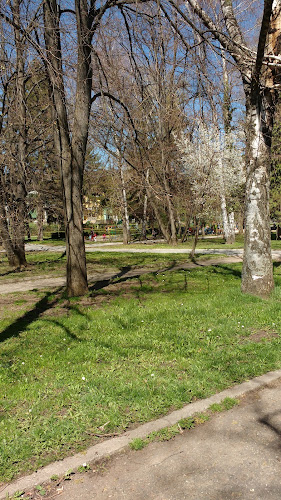
НЧ (Narodno Chitalishte) in Pernik is a 19th-century community cultural center that hosts a public library, local history exhibits, and regular folk music and dance events. Visitors can explore archival photographs and artifacts documenting Pernik’s mining and carnival traditions, and attend workshops on Bulgarian folk crafts led by local artisans. The building’s preserved period architecture and its role as an active meeting place for community initiatives make it a good spot to experience contemporary local culture grounded in regional history.
Table of Contents
Key Highlights
Library and reading room: A calm space with Bulgarian literature, children’s books, and periodicals. It’s an easy stop if you want a quiet break during your Pernik city stroll.
Performance hall: A modest stage used for community theater, concerts, and school events. If a show is on, schedules are usually posted on the foyer board.
Folk dance rehearsals: You can often hear the syncopated drum and accordion lines from a dance studio. Adult and youth groups practice “horo” steps several evenings a week.
Choral and music groups: Choir practices and instrument lessons are common, from traditional songs to piano or guitar basics.
Cultural workshops: Around winter, look for kukeri mask-making demonstrations and crafts tied to the Surva season, a signature tradition in Pernik.
Exhibitions: Pop-up displays of photographs, costumes, and local history materials—especially around major holidays or festivals.
Community programs: Language clubs, children’s activities, and seasonal events that bring neighbors together.
Noticeboard with schedules: The best place to see what’s on today—rehearsal times, small concerts, public classes, and holiday programming.
Central location: Situated in Tsentar at ul. “Rozova dolina” 6, an easy walk from the central square and other Pernik sights.
Location
Places to Stay Near НЧ
Find and Book a Tour
Explore More Travel Guides
No reviews found! Be the first to review!
Description
If you’re curious about everyday culture in Bulgaria beyond museums and big-name attractions, spend an hour or two at НЧ on ul. “Rozova dolina” 6 in Tsentar, Pernik. НЧ stands for “Narodno Chitalishte,” the community cultural center that has anchored Bulgarian towns for over a century. It’s where locals rehearse folk dances, choirs meet after work, kids learn instruments, and readers browse shelves of Bulgarian literature and newspapers. I walked in on a weekday afternoon and felt that unmistakable chitalishte rhythm: a quiet library on one side, a drum beat from a dance studio on the other, and a bulletin board thick with posters for upcoming events.
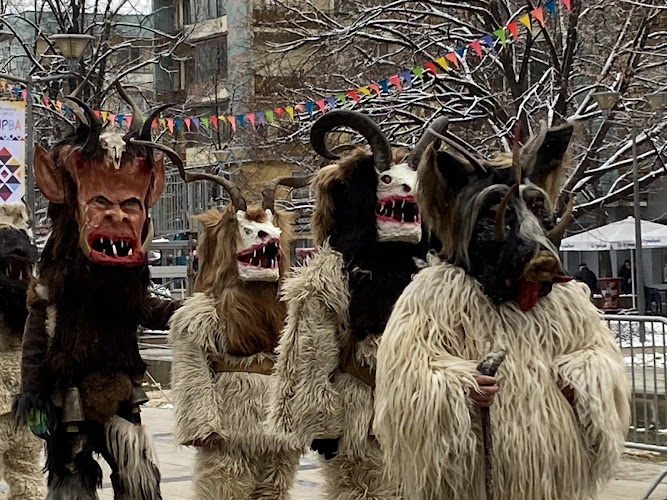
Pernik is famous for Surva—the winter festival of masquerade games with elaborate, bell-laden “kukeri” masks—and you feel that energy at this address even outside festival days. The foyer displayed masks and photos from past parades, and on my visit a corner table had bits of leather, tassels, and bells laid out from a craft session. While not a museum, the space doubles as a living archive of local traditions. If you’re traveling from Sofia, this is an easy day trip and a direct path into Pernik’s cultural heartbeat.
The building itself is practical rather than ornate—typical of many chitalishte—yet full of personality. Sunlight falls across old tiles, the library doors creak a little, and the stage curtains show a gentle fade from years of community plays and school performances. There’s a warmth here that comes from constant use. People greet the librarian by first name, and the custodian answers questions about rehearsal times like a concierge. That’s part of the appeal: you’re not just a visitor; you’re stepping into a place that locals rely on daily.
One of the things I appreciate about this НЧ is how approachable it feels if you don’t speak Bulgarian. The signage is mostly in Bulgarian, but staff and visitors tend to be patient, and someone usually knows a bit of English. I’ve had luck pointing to a poster or using a translation app to ask about tonight’s schedule. Often, you can sit at the back of a rehearsal—quietly, without photographing children—and watch a set of Bulgarian “horo” steps come together. It’s the kind of travel moment that sticks with you far more than a checklist sight.
Because it’s right in Tsentar, the city center, you can easily combine a visit with a walk around the main square, a coffee at a nearby café, or a quick look at local shops. If you come around late afternoon, you’re likely to catch rehearsals, which tend to pick up after school and work. Mornings are quieter, ideal for browsing the library shelves or flipping through local newspapers if you want a window into Pernik life.
For anyone mapping out “things to do in Pernik,” don’t overlook a chitalishte. НЧ on Rozova dolina Street might not appear in glossy brochures, but it delivers exactly what many of us look for in travel: context, community, and a chance to be part of a real place for a little while.
Key Features
- Library and reading room: A calm space with Bulgarian literature, children’s books, and periodicals. It’s an easy stop if you want a quiet break during your Pernik city stroll.
- Performance hall: A modest stage used for community theater, concerts, and school events. If a show is on, schedules are usually posted on the foyer board.
- Folk dance rehearsals: You can often hear the syncopated drum and accordion lines from a dance studio. Adult and youth groups practice “horo” steps several evenings a week.
- Choral and music groups: Choir practices and instrument lessons are common, from traditional songs to piano or guitar basics.
- Cultural workshops: Around winter, look for kukeri mask-making demonstrations and crafts tied to the Surva season, a signature tradition in Pernik.
- Exhibitions: Pop-up displays of photographs, costumes, and local history materials—especially around major holidays or festivals.
- Community programs: Language clubs, children’s activities, and seasonal events that bring neighbors together.
- Noticeboard with schedules: The best place to see what’s on today—rehearsal times, small concerts, public classes, and holiday programming.
- Central location: Situated in Tsentar at ul. “Rozova dolina” 6, an easy walk from the central square and other Pernik sights.
Best Time to Visit
The experience at a Bulgarian chitalishte depends on the hour and the season. If your goal is to see activity, aim for late afternoon into early evening on weekdays. I’ve found the 4–7 p.m. window is when dance groups warm up, choirs gather, and the place feels busiest. Saturday mornings can be lively with kids’ programs and recitals, while Sundays are often quieter or closed depending on the schedule.
Seasonally, late January is prime time due to Surva, when Pernik’s masquerade energy spills across the city. Even if the main festival events happen outdoors, the spirit carries into cultural centers. You may find displays, rehearsals, or prep sessions leading up to festival days. December brings holiday concerts and school performances, while spring often features folklore showcases around St. George’s Day and the May cultural calendar.
Summer is a mixed bag. June can be full of end-of-year school performances. In July and especially August, many groups take a summer break or reduce their schedule. If you visit in August, expect a calmer vibe, with the library open but fewer rehearsals. Autumn restarts the program cycle; September and October are great months to catch the rhythm of regular classes and events.
If you prefer quiet, visit in the late morning on a weekday for a peaceful browse and a chat with the librarians. If you’re chasing that “real-life culture” buzz, come after school lets out. I like to time my visit to overlap both: a calm half-hour in the library, then a peek at rehearsals once the place wakes up.
How to Get There
НЧ is in Tsentar, Pernik’s central district, at ul. “Rozova dolina” 6. From the city’s main square it’s a short walk, and the route is flat and easy. If you’re already exploring central Pernik, you won’t need more than a few minutes to reach the building.
From Sofia, the simplest route is by train. Frequent regional trains run from Sofia Central Station to Pernik and typically take around 30–45 minutes depending on the service. From Pernik’s station, you can walk to Tsentar in about 15–20 minutes or catch a short taxi ride. If you prefer buses, intercity services also connect Sofia and Pernik throughout the day; once in Pernik, get off near the center and walk.
Driving from Sofia is straightforward via the Struma motorway toward Pernik. Traffic can be busy at rush hour, but outside peak times the drive is quick. Parking near Rozova dolina Street is street-based; check signs for local rules and consider that spaces fill up during events or weekday afternoons. If you’re not comfortable navigating one-way streets in city centers, a taxi from the station is inexpensive and saves time.
Public transport within Pernik is practical for short hops, with buses that pass through the center. If you’re new in town, I find it easiest to use landmarks: make your way to the central square and walk from there. The building is not tucked away—once you’re on Rozova dolina Street, you’ll spot the cultural center exterior with typical community signage and poster boards out front.
Tips for Visiting
Here’s what made my visit smooth and what I’d recommend if you’re planning to explore this piece of Pernik culture.
- Arrive late afternoon for activity: Rehearsals pick up after school and work. If you arrive earlier, enjoy the library first.
- Check the foyer board: Daily schedules and one-off events are posted near the entrance. I snap a quick photo to translate and plan.
- Be discreet during rehearsals: Stand at the back, keep noise down, and avoid photographing children or anyone who hasn’t given permission.
- Bring small cash: Admission to small events, donations, or craft materials are often cash-only and inexpensive.
- Language help: A translation app goes a long way. Simple phrases and pointing to the schedule are usually enough to get you where you need to be.
- Footwear and comfort: If you’re invited to join a “horo” step, try it—wear comfortable shoes. Sometimes studios ask you to swap to clean soles.
- Seasonal expectations: August can be quiet with reduced programs. Late January and early spring bring more events tied to festivals and holidays.
- Respect the library rules: Keep voices low, return materials where you found them, and ask before taking any books outside the room.
- Accessibility: Older buildings may have steps at the entrance or between floors. If mobility is a concern, take a look when you arrive and ask staff for the easiest route inside.
- Support the center: If there’s a donation box, consider a small contribution. Chitalishte centers thrive on community support and it helps keep programs running.
- Combine with a city stroll: Because НЧ sits in Tsentar on ul. “Rozova dolina” 6, you can plan coffee, errands, and a relaxed walk around central Pernik before or after.
If you’re building a Pernik travel itinerary that leans into authentic cultural experiences, this stop is a smart addition. It’s not a polished attraction, and that’s exactly why it feels so rewarding. You see how traditions are kept alive: step by step in a dance hall, line by line in a choir rehearsal, and page by page in a community library.
On my last visit, a group of teens was working through a tricky rhythm while an older dancer counted out steps in an easy cadence. In the library, a grandmother and grandchild picked out a book together. That contrast—energetic practice next to quiet learning—sums up what a Bulgarian chitalishte does best. НЧ in Pernik gives you a front-row seat to everyday culture, right in the center of town, and it’s an easy, meaningful way to deepen your understanding of Bulgaria in just an hour or two.
Traveler Reviews for НЧ
There are no reviews yet. Be the first one to write one.
Have you visited НЧ? Help other travelers by sharing your review.
You Might Also Like
Surva Festival
Regional History Museum Pernik
Teddy
Find Accommodations Nearby
Recommended Tours & Activities
Visitor Reviews
There are no reviews yet. Be the first one to write one.
Share Your Experience
Have you visited НЧ? Help other travelers by leaving a review.