
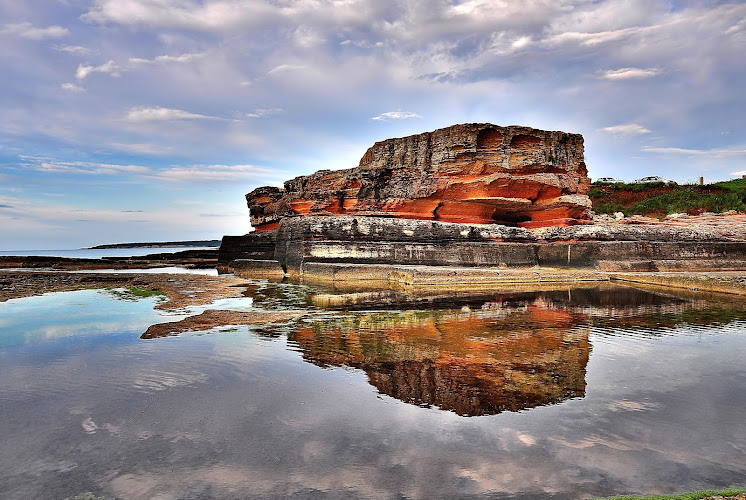
Pink Rocks
About Pink Rocks
Description
The Pink Rocks, tucked along the rugged coastline of Kefken, are one of those places that feel both ancient and alive at the same time. The moment you step onto the rocky path that winds toward the sea, you can sense the history carved into every curve of the stone. These rocks aren’t just pink by name — they truly shimmer with a soft rose hue that changes with the light. On sunny afternoons, they almost glow, while at sunset, they turn into a deep, burnt coral color that photographers can’t resist. It’s no wonder this spot has become a favorite for both locals and travelers who crave a mix of nature, sea air, and a bit of quiet reflection. I remember the first time I stumbled upon it — I wasn’t even planning to stop. I was driving through the Kocaeli coast, windows down, music up, and someone at a roadside café told me, “You have to see the pink stones.” I thought it was just a figure of speech. But when I finally saw them, I understood why people talk about them like an old friend. There’s something oddly calming about sitting on those rocks, watching the waves crash below, and realizing these stones have been here for centuries, shaped by both human hands and the relentless sea. The area itself is a nature preserve, so it’s not overly developed — which is part of its charm. You’ll find a few trails for hiking, some open spots perfect for picnics, and plenty of corners to sit and just breathe. It’s not the easiest place to access for everyone, especially since the terrain can be uneven, but that’s what keeps it feeling wild and authentic.
Key Features
- Ancient pink stone formations that date back centuries, once part of an old quarry.
- Rocky coastal setting with panoramic sea views ideal for photography and quiet contemplation.
- Popular swimming areas where the water is clear and surprisingly calm on most summer days.
- Natural hiking paths that weave through cliffs and coastal vegetation.
- Picnic-friendly zones where you can enjoy a meal with the sound of waves echoing around you.
- Limited accessibility for wheelchairs due to uneven terrain and rocky surfaces.
- Peaceful atmosphere, especially in the early morning or late afternoon when crowds thin out.
What makes the Pink Rocks stand out is how they blend human history with raw natural beauty. The quarry marks are still visible on some surfaces — little chisel lines that tell stories of ancient workers who once carved these stones for construction. And yet, nature has reclaimed the place beautifully. Moss creeps into cracks, seabirds nest in crevices, and the sea has polished the edges smooth over time. It’s that mix of human touch and natural erosion that gives the rocks their character.
Best Time to Visit
If you ask me, the best time to visit the Pink Rocks is late spring or early autumn. The weather is just right — warm enough to swim, but not so hot that you feel like melting on the rocks. Summer can be lovely, of course, but it also brings bigger crowds and less parking space. And trust me, there’s nothing worse than trying to find a quiet spot when everyone else had the same idea. Early mornings are magical here. The light hits the stones at a low angle, and everything turns golden-pink. If you’re into photography, this is your moment. Late afternoon is another sweet spot — the sun dips low, the sea breeze picks up, and the whole place feels like it’s exhaling after a long day. Winter visits can be moody but beautiful in their own way. The waves crash harder, the air smells sharper, and you might have the entire place to yourself. Just dress warmly and watch your step — the rocks can get slippery when wet.
How to Get There
Getting to the Pink Rocks isn’t complicated, but it’s not exactly a straight shot either. The drive winds through small coastal roads lined with pine trees and glimpses of the sea. If you’re coming from Istanbul, it’s a few hours’ drive — perfect for a day trip if you start early. Public transportation options are limited, so having your own car or joining a local tour is your best bet. Once you reach the village nearby, there’s a small parking area where most visitors leave their cars. From there, it’s a short walk — maybe ten minutes — along a rocky path that hugs the shoreline. The walk itself is part of the experience. You’ll hear the waves long before you see them, and then suddenly, the pink stone cliffs come into view, glowing against the blue water. I’d say wear sturdy shoes. I made the mistake of going in sandals once, and let’s just say my toes didn’t thank me. The path can be uneven, and the rocks near the water can get slick. But if you take your time, it’s an easy, rewarding walk.
Tips for Visiting
There are a few things I wish someone had told me before my first visit. So, here’s a bit of practical advice mixed with personal lessons learned the hard way:
- Go early or late: Midday can get crowded, especially on weekends. Early morning light is softer and perfect for photos, while evenings are peaceful and less busy.
- Bring water and snacks: There aren’t many facilities nearby, so it’s smart to pack your own. A simple picnic on the rocks feels like the ultimate seaside luxury.
- Mind the tides: The sea can rise quickly, especially after windy days. Keep an eye on where you set up your things if you’re close to the water.
- Wear comfortable shoes: The terrain is rocky and uneven. Flip-flops might look cute, but your ankles will hate you for it.
- Respect the environment: It’s a nature preserve, so leave no trash behind. The beauty of the place depends on everyone keeping it clean.
- Take your time: Don’t rush through. Sit, listen to the waves, and maybe even dip your feet in the water. It’s not just a sightseeing spot — it’s a place to slow down.
- Check the weather: Windy days can make the sea rough, and rain can make the rocks slippery. A clear day makes all the difference.
One of my favorite memories here was watching a small group of kids jumping into the sea from the lower rocks, laughing like they didn’t have a care in the world. Their parents were sitting nearby, sipping tea from thermoses, chatting quietly as the sun went down. That’s the kind of place the Pink Rocks are — simple, genuine, and full of small, beautiful moments. And maybe that’s what keeps people coming back. It’s not about luxury or fancy amenities. It’s about standing on those ancient stones, feeling the sea spray on your face, and realizing that some places don’t need to change to stay special. The Pink Rocks remind you that beauty can be raw, imperfect, and utterly unforgettable.
Key Features
- Ancient pink stone formations that date back centuries, once part of an old quarry.
- Rocky coastal setting with panoramic sea views ideal for photography and quiet contemplation.
- Popular swimming areas where the water is clear and surprisingly calm on most summer days.
- Natural hiking paths that weave through cliffs and coastal vegetation.
- Picnic-friendly zones where you can enjoy a meal with the sound of waves echoing around you.
- Limited accessibility for wheelchairs due to uneven terrain and rocky surfaces.
- Peaceful atmosphere, especially in the early morning or late afternoon when crowds thin out.
More Details
Updated November 9, 2025
Table of Contents
Description
The Pink Rocks, tucked along the rugged coastline of Kefken, are one of those places that feel both ancient and alive at the same time. The moment you step onto the rocky path that winds toward the sea, you can sense the history carved into every curve of the stone. These rocks aren’t just pink by name — they truly shimmer with a soft rose hue that changes with the light. On sunny afternoons, they almost glow, while at sunset, they turn into a deep, burnt coral color that photographers can’t resist. It’s no wonder this spot has become a favorite for both locals and travelers who crave a mix of nature, sea air, and a bit of quiet reflection.
I remember the first time I stumbled upon it — I wasn’t even planning to stop. I was driving through the Kocaeli coast, windows down, music up, and someone at a roadside café told me, “You have to see the pink stones.” I thought it was just a figure of speech. But when I finally saw them, I understood why people talk about them like an old friend. There’s something oddly calming about sitting on those rocks, watching the waves crash below, and realizing these stones have been here for centuries, shaped by both human hands and the relentless sea.
The area itself is a nature preserve, so it’s not overly developed — which is part of its charm. You’ll find a few trails for hiking, some open spots perfect for picnics, and plenty of corners to sit and just breathe. It’s not the easiest place to access for everyone, especially since the terrain can be uneven, but that’s what keeps it feeling wild and authentic.
Key Features
- Ancient pink stone formations that date back centuries, once part of an old quarry.
- Rocky coastal setting with panoramic sea views ideal for photography and quiet contemplation.
- Popular swimming areas where the water is clear and surprisingly calm on most summer days.
- Natural hiking paths that weave through cliffs and coastal vegetation.
- Picnic-friendly zones where you can enjoy a meal with the sound of waves echoing around you.
- Limited accessibility for wheelchairs due to uneven terrain and rocky surfaces.
- Peaceful atmosphere, especially in the early morning or late afternoon when crowds thin out.
What makes the Pink Rocks stand out is how they blend human history with raw natural beauty. The quarry marks are still visible on some surfaces — little chisel lines that tell stories of ancient workers who once carved these stones for construction. And yet, nature has reclaimed the place beautifully. Moss creeps into cracks, seabirds nest in crevices, and the sea has polished the edges smooth over time. It’s that mix of human touch and natural erosion that gives the rocks their character.
Best Time to Visit
If you ask me, the best time to visit the Pink Rocks is late spring or early autumn. The weather is just right — warm enough to swim, but not so hot that you feel like melting on the rocks. Summer can be lovely, of course, but it also brings bigger crowds and less parking space. And trust me, there’s nothing worse than trying to find a quiet spot when everyone else had the same idea.
Early mornings are magical here. The light hits the stones at a low angle, and everything turns golden-pink. If you’re into photography, this is your moment. Late afternoon is another sweet spot — the sun dips low, the sea breeze picks up, and the whole place feels like it’s exhaling after a long day.
Winter visits can be moody but beautiful in their own way. The waves crash harder, the air smells sharper, and you might have the entire place to yourself. Just dress warmly and watch your step — the rocks can get slippery when wet.
How to Get There
Getting to the Pink Rocks isn’t complicated, but it’s not exactly a straight shot either. The drive winds through small coastal roads lined with pine trees and glimpses of the sea. If you’re coming from Istanbul, it’s a few hours’ drive — perfect for a day trip if you start early. Public transportation options are limited, so having your own car or joining a local tour is your best bet.
Once you reach the village nearby, there’s a small parking area where most visitors leave their cars. From there, it’s a short walk — maybe ten minutes — along a rocky path that hugs the shoreline. The walk itself is part of the experience. You’ll hear the waves long before you see them, and then suddenly, the pink stone cliffs come into view, glowing against the blue water.
I’d say wear sturdy shoes. I made the mistake of going in sandals once, and let’s just say my toes didn’t thank me. The path can be uneven, and the rocks near the water can get slick. But if you take your time, it’s an easy, rewarding walk.
Tips for Visiting
There are a few things I wish someone had told me before my first visit. So, here’s a bit of practical advice mixed with personal lessons learned the hard way:
- Go early or late: Midday can get crowded, especially on weekends. Early morning light is softer and perfect for photos, while evenings are peaceful and less busy.
- Bring water and snacks: There aren’t many facilities nearby, so it’s smart to pack your own. A simple picnic on the rocks feels like the ultimate seaside luxury.
- Mind the tides: The sea can rise quickly, especially after windy days. Keep an eye on where you set up your things if you’re close to the water.
- Wear comfortable shoes: The terrain is rocky and uneven. Flip-flops might look cute, but your ankles will hate you for it.
- Respect the environment: It’s a nature preserve, so leave no trash behind. The beauty of the place depends on everyone keeping it clean.
- Take your time: Don’t rush through. Sit, listen to the waves, and maybe even dip your feet in the water. It’s not just a sightseeing spot — it’s a place to slow down.
- Check the weather: Windy days can make the sea rough, and rain can make the rocks slippery. A clear day makes all the difference.
One of my favorite memories here was watching a small group of kids jumping into the sea from the lower rocks, laughing like they didn’t have a care in the world. Their parents were sitting nearby, sipping tea from thermoses, chatting quietly as the sun went down. That’s the kind of place the Pink Rocks are — simple, genuine, and full of small, beautiful moments.
And maybe that’s what keeps people coming back. It’s not about luxury or fancy amenities. It’s about standing on those ancient stones, feeling the sea spray on your face, and realizing that some places don’t need to change to stay special. The Pink Rocks remind you that beauty can be raw, imperfect, and utterly unforgettable.
Key Highlights
- Ancient pink stone formations that date back centuries, once part of an old quarry.
- Rocky coastal setting with panoramic sea views ideal for photography and quiet contemplation.
- Popular swimming areas where the water is clear and surprisingly calm on most summer days.
- Natural hiking paths that weave through cliffs and coastal vegetation.
- Picnic-friendly zones where you can enjoy a meal with the sound of waves echoing around you.
- Limited accessibility for wheelchairs due to uneven terrain and rocky surfaces.
- Peaceful atmosphere, especially in the early morning or late afternoon when crowds thin out.
Location
Places to Stay Near Pink Rocks
Find and Book a Tour
Explore More Travel Guides
No reviews found! Be the first to review!
Traveler Reviews for Pink Rocks
There are no reviews yet. Be the first one to write one.
Have you visited Pink Rocks? Help other travelers by sharing your review.
You Might Also Like

800 Yıllık Tabakhane
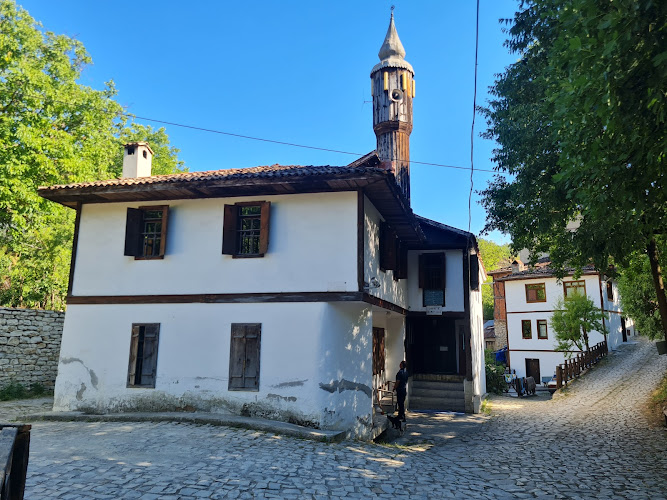
Lütfiye Cami
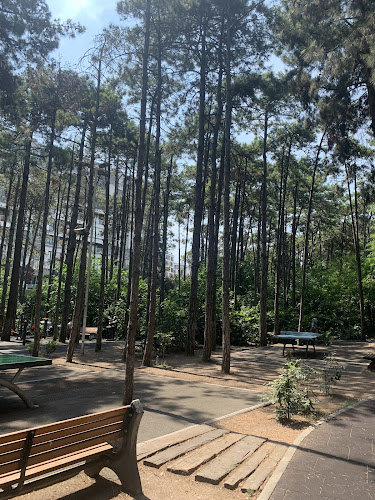
Beylikdüzü Park
Find Accommodations Nearby
Recommended Tours & Activities
Visitor Reviews
There are no reviews yet. Be the first one to write one.
Share Your Experience
Have you visited Pink Rocks? Help other travelers by leaving a review.