
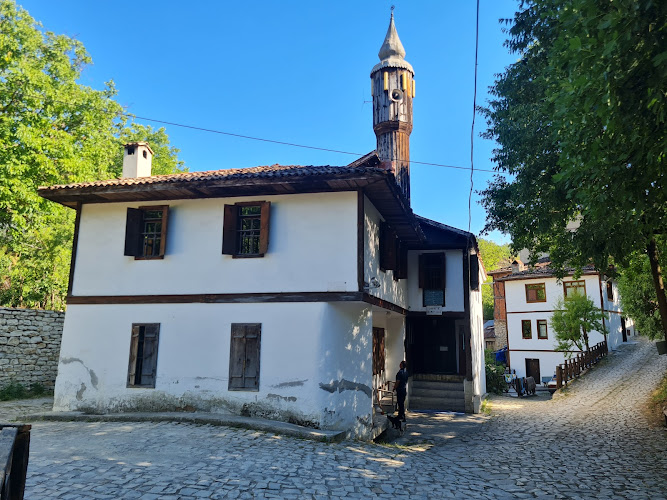
Lütfiye Cami
About Lütfiye Cami
The Lütfiye Cami, affectionately known by locals as "Kaçak Cami" (which translates to "Fugitive Mosque"), stands as one of Safranbolu's most intriguing religious monuments. This 137-year-old mosque represents a fascinating chapter in Ottoman architectural history, tucked away in what many consider the hidden gem section of the UNESCO World Heritage city.
What makes this mosque particularly captivating is its unique positioning along a gentle brook that meanders through the lower district of Safranbolu. The flowing water creates a serene soundtrack that accompanies visitors as they explore this remarkable structure. And honestly, there's something almost magical about discovering a mosque where the sound of running water mingles with the call to prayer.
The mosque's nickname "Kaçak" comes with its own story - one that adds layers of intrigue to your visit. Local historians suggest the name references the mosque's somewhat rebellious construction story, though the exact details have become part of Safranbolu's rich oral tradition. What we do know for certain is that this mosque has served the community faithfully for over a century, maintaining its architectural integrity while adapting to modern needs.
The structure showcases typical late Ottoman mosque architecture, but with distinctive regional influences that reflect Safranbolu's position as a crucial stop along historical trade routes. The prayer hall accommodates worshippers comfortably, while the surrounding grounds provide peaceful spaces for reflection and contemplation.
Key Features
Visitors to Lütfiye Cami will discover several remarkable features that distinguish this mosque from others in the region:
- Streamside Location: The mosque's position alongside a natural brook creates an exceptionally peaceful atmosphere that's rare among urban religious sites
- Historic Stone Bridges: Small decorative bridges connect the mosque grounds to nearby traditional houses, creating picture-perfect scenes
- Well-Preserved Interior: The prayer hall maintains original Ottoman-era decorative elements and architectural details
- Traditional Ablution Facilities: The mosque features historic washing areas where the natural water flow has been incorporated into the design
- Scenic Pathway Access: A charming walkway follows the stream, offering multiple vantage points for photography
- Original Minaret: The slender minaret showcases classic proportions and stonework typical of 19th-century Anatolian mosque architecture
- Courtyard Garden: Small but beautifully maintained green spaces complement the natural brook setting
- Restroom Facilities: Modern amenities have been thoughtfully integrated without compromising the historic character
Best Time to Visit
Planning your visit to Lütfiye Cami requires considering both practical and atmospheric factors. The mosque welcomes visitors throughout the year, but certain seasons offer distinct advantages that can enhance your experience significantly.
Spring emerges as perhaps the ideal season for exploring this hidden corner of Safranbolu. From April through early June, the brook runs at its most robust, creating that distinctive sound environment that makes this mosque so special. The surrounding vegetation comes alive during these months, and you'll find the small gardens around the mosque grounds particularly photogenic. Plus, spring weather in Safranbolu tends to be mild and comfortable for walking the stone pathways.
Summer visits work well, especially during early morning hours or late afternoon. The brook provides natural cooling, making the mosque grounds noticeably more comfortable than other parts of the city during hot days. However, I'd suggest avoiding midday visits in July and August when the sun can be quite intense.
Autumn brings its own charm to Lütfiye Cami. September through November offers excellent photography opportunities as the changing leaves create beautiful contrasts against the mosque's stone architecture. The brook maintains good water flow during these months, and the cooler temperatures make extended exploration more enjoyable.
Winter visits can be equally rewarding, particularly when light snow dusts the mosque and surrounding bridges. The contrast between the dark stone architecture and white snow creates striking visual compositions. But be prepared for potentially icy conditions along the stream pathway.
Regarding daily timing, early morning visits (around 9-10 AM) often provide the most peaceful experience, with optimal lighting for photography and fewer crowds. Late afternoon visits (4-5 PM) offer different lighting angles that can be equally beautiful, especially during golden hour.
How to Get There
Reaching Lütfiye Cami requires a bit of local knowledge, as it's tucked away from the main tourist circuits that most visitors follow through Safranbolu. This relative obscurity is actually part of its appeal - you'll feel like you're discovering something that many tourists miss entirely.
From Safranbolu's historic center, the mosque lies in what locals call the lower district, accessible via a pleasant downhill walk that takes approximately 10-15 minutes. Start from the main square near the Tourist Information Office and head toward the traditional residential area. The route itself becomes part of the experience as you pass authentic Ottoman houses and catch glimpses of the brook system that eventually leads to the mosque.
If you're staying in Safranbolu's historic district, walking remains the most practical and enjoyable approach. The pathway winds through narrow streets lined with traditional architecture, offering photo opportunities and cultural immersion that you'd miss by taking motorized transport.
For those with mobility concerns, it's worth noting that the final approach to the mosque involves some uneven stone pathways and a gentle descent toward the brook. While not particularly challenging, these paths require attention and appropriate footwear.
Parking near the mosque is extremely limited, which actually helps preserve the peaceful atmosphere. If you must drive, consider parking in the main historic district and walking the short distance - this also allows you to explore other attractions along the way.
Public transportation doesn't directly serve this area, but local dolmuş (shared taxi) services can drop you in the general vicinity. From there, asking locals for directions to "Kaçak Cami" will typically yield helpful guidance and sometimes interesting stories about the mosque's history.
Tips for Visiting
Making the most of your Lütfiye Cami experience requires some insider knowledge that guidebooks often overlook. Having spent considerable time exploring Safranbolu's religious sites, I've learned that this particular mosque rewards visitors who come prepared and approach it with appropriate respect and curiosity.
First and foremost, dress modestly as you would for any active religious site. Women should bring head coverings, and both men and women should ensure their arms and legs are covered. The mosque does accommodate tourists, but remember that it serves an active congregation who appreciate visitors showing cultural sensitivity.
Footwear deserves special attention for this location. The stone pathways along the brook can become slippery, especially after rain or in early morning when dew is present. Sturdy walking shoes with good grip will make your exploration much more enjoyable and safer. And since you'll be removing shoes before entering the mosque itself, slip-on styles can be particularly convenient.
Photography enthusiasts should bring equipment suitable for varying light conditions. The interplay between the mosque's stone architecture, flowing water, and changing natural light creates compelling opportunities throughout the day. Early morning mist rising from the brook can create particularly atmospheric shots, while late afternoon sun filtering through trees offers different creative possibilities.
Don't rush your visit - this isn't a location that reveals all its charms immediately. Take time to walk the complete perimeter, cross the small bridges, and listen to the water flow. Many visitors miss the subtle details that make this mosque special because they treat it as just another photo stop.
Bring a small bottle of water, especially during warmer months. While the brook provides a cooling effect, the walk from central Safranbolu and exploration of the grounds can work up a thirst. The restroom facilities are available, but having your own refreshments allows for more leisurely exploration.
Consider timing your visit around prayer times if you're interested in experiencing the mosque's active religious function. The call to prayer echoing off the surrounding stone buildings and mixing with the brook's sound creates a truly memorable acoustic experience. Just be respectful and maintain appropriate distance during actual prayer services.
Finally, engage with local residents if the opportunity arises naturally. The neighborhood around Lütfiye Cami maintains strong community connections, and residents often have fascinating stories about the mosque's role in local life. These conversations can provide insights that transform your visit from simple sightseeing into genuine cultural exchange.
Key Features
- Constructed in 1878–1879 (inscription and historical records)
- Built on an arch spanning the Akçasu Stream, giving a floating appearance
- Original wooden interior elements including carved ceiling and mahfil
- Known locally as "Kaçak Cami" with an intriguing local story
- Compact, photogenic waterside setting within Safranbolu’s UNESCO area
Nearby Attractions
You Might Also Like

*BDT BELEK DOGA TOUR | Daily Tours, Day Trips and Excursions in Antalya*
1464. Sk. No:55
2006. Sk. No:2
Tours & Activities
GetYourGuide provides this tour inventory. We may earn a commission if you book through it; verify current availability, prices, and terms with the provider.
Visitor Reviews
There are no reviews yet. Be the first one to write one.
Share Your Experience
Have you visited Lütfiye Cami? Help other travelers by leaving a review.