

Pik Karakol
About Pik Karakol
Description
If I could close my eyes and teleport you somewhere bold and wild, I might just pick Pik Karakol. Out in the eastern corner of Kyrgyzstan, where the mountains keep their secrets close and the air bites at your skin in that all-too-honest way, stands this striking 5,216-meter giant. It looks almost too dramatic—like a white fang rising above the lush green Alpine valleys and glaciers chomping around its lower flanks. I remember the first time a friend showed me a picture of the summit: gray crags, snow gleaming fierce under an endless blue, not another soul in sight. Immediately, I knew, this is a peak for those hungry for real adventure.
Pik Karakol isn’t for the lazy or the selfie-obsessed. If you want a gondola and a latte at the summit, turn around. But if you crave challenging hiking, a real sense of remoteness, and a few moments of heartbeat-thudding awe, Karakol delivers—tenfold. The region is loaded with stories; locals will tell you about Soviet-era hikers and the rare alpine flowers tucked into impossible crevasses. What always gets me is how the mountain seems to change character by the hour: clouds billow in, colors shift, and the silence is thunderous. You feel tiny in the best possible way.
The slopes are rugged but beautiful, laced with scree, wild rivers, and marmots whistling somewhere you can’t quite see. And while it’s gaining traction in the trekking world (Kyrgyzstan is still an underdog for most hikers—let’s be honest), you’re rarely going to battle crowds here. Honestly, I think it’s one of the most overlooked peaks in Central Asia. You could spend days (maybe weeks) traversing the approaches around Karakol’s base, meeting horse herders, camping beside emerald glacial lakes, or just stargazing like you haven't since summer camp. Purists might opt for a technical climb, but there’s no shame in just admiring it from one of the valleys below, trust me.
Key Features
- Majestic Altitude: Standing tall at 5,216 meters (17,113 ft), Pik Karakol is the highest and most iconic peak in the Terskey Alatau range.
- Pristine Wilderness: Largely untouched by mass tourism, the area is wild, remote, and feels like the edge of the world. You won’t see any plastic bottles or busloads of sightseers clogging up your view—I love that.
- Incredible Scenery: Expect staggering contrasts: snow-covered peaks, turquoise glacial lakes like Ala-Kul, spiky ridgelines, and fields of alpine wildflowers.
- Adventurous Climbing Routes: The southern and western slopes are popular with experienced climbers for technical ascents, while lower valleys offer more mellow treks for mortals like me.
- Kyrgyz Culture: On the way, you’ll cross paths with shepherds grazing their flocks, yurt camps, and the easy hospitality of people who’ve lived with these mountains for centuries.
- Stargazing Paradise: With clear high-alpine air and zero light pollution, nights at the foot of Pik Karakol are nothing short of magic—bring a good sleeping bag and spend hours counting constellations.
- Unpredictable Weather: Be ready for four seasons in a single day. I’ve lost count of how many times I’ve started a hike in sunshine and ended up pushing through sleet by afternoon.
- Unique Wildlife: Watch for golden eagles, ibex, and—if you’re extremely lucky—the elusive snow leopard (though, in all my years, I still haven't managed a sighting).
Best Time to Visit
Look, the mountains here aren’t forgiving, but when you time it right, Pik Karakol is absolutely stunning. The classic window for trekking and climbing runs from late June through September. That’s when the snow melts back, the valleys erupt in wildflowers, and the sun actually sticks around. July and August see the warmest days—“warm” in the Kyrgyz highlands means pleasantly cool for hiking, but you’ll still want a jacket after dark.
If you’re the type that loves crisp air and fewer people (who doesn’t?), sliding your trip into early September is gold. Fall colors roll in, and the crowds thin out—though, like I said, Karakol never feels overrun. Just don’t gamble with late autumn or spring unless you know your way around snowfields and have the gear to match. Winters? Best left to advanced mountaineers, or perhaps another life where you’ve leveled up your ice-climbing skills and have relatives worrying about your safety.
How to Get There
Reaching Pik Karakol is half the adventure, if I’m being honest. You’ll want to start in the city of Karakol itself—a delightfully quirky city on the shores of Issyk-Kul Lake, east of Bishkek. From Karakol, there are a handful of approaches, but the most common route is via the Karakol Valley. You can pick up a 4WD ride (trust me, your tailbone will thank you for not using a sedan) heading south, into the heart of the Terskey Alatau mountains—think bumpy tracks, dodging cows, and the freshest air you’ve tasted in ages.
Once you hit the trailhead—often near the Karakol gorge—you’re on your own two feet. The hike into the valley is pure eye candy: birch forests, icy rivers, roar of waterfalls, and maybe some yak herders, if you’re lucky. Those with cash to spare can hire a donkey or horse, which honestly adds a lot of charm (and spares your knees for the way back down). Trekking to the base camps is do-able for anyone with reasonable fitness, but hitting the summit is where technical skills come into play. For those not looking to summit but still wanting that mountain magic, there are spectacular viewpoints and side trails—Ala-Kul Lake is an absolute must if you ask me.
The roads themselves? Let's just say they're “improvised” in some places; part of the story, though. You might be washing dust off your legs in a glacial stream after, but you’ll have earned bragging rights for life.
Tips for Visiting
Alright, real talk—here’s what I’d tell a good friend planning their first trip to Pik Karakol:
- Prepare for Anything: Mountain weather in Kyrgyzstan is like a moody cat—one moment it’s purring, the next it’s biting. Bring gear for sun, rain, and sudden chills, even in “summer.” Dry socks are your friend, always.
- Hire a Guide: Unless you’re a pro with GPS, topo maps, and survival skills, a local guide is a game-changer. Not just for safety—they’ll open up stories and landscapes you’d probably miss alone.
- Acclimatize Slowly: The peak is over 5,000 meters. Take time in the lower valleys first, enjoy a few nights at mid-elevation, and don’t rush the climb—you want memories, not altitude sickness nightmares.
- Respect Local Culture: Kyrgyz shepherds are the friendliest folks I’ve met, but always ask before snapping photos and try the kumis (fermented mare’s milk)—it’s an acquired taste, but worth the brag at home.
- Go Light, Go Far: If you’re trekking, pack light. Save your knees, trust me! Essentials only: rain gear, headlamp, first aid, and layers. It’s a remote region—don’t expect shops or cell service.
- Wild Camping Etiquette: Leave the valleys cleaner than you found. Carry out all trash, bury waste away from water, and don’t chop wood from living trees (locals use dung for fuel for a reason).
- Plan for Power Cuts: A few yurt camps offer phone charging, but outages happen. Bring a power bank, and a good old-fashioned book for those long, candle-lit nights.
- Travel Insurance, Always: Accidents happen, and getting help in the backcountry is no joke. Make sure you’re covered for high-altitude trekking and climbing.
- Cash is King: There’s no ATM in the wilderness (wouldn’t that be odd?). Pay for guides, horses, and any yurt stays in cash—small bills are easiest.
- Connect with Other Travelers: Honestly, some of my best nights have been around a smoky campfire here, swapping stories with climbers from all over the planet. The camaraderie is real, and you won’t get it at a fancy hotel.
So if you’re craving that mix of wild, raw mountain landscape, epic adventure stories, and the sense you’ve discovered a place few people back home have even heard of—Pik Karakol really does deliver. You’ll come back with stronger legs, a wider
Key Features
- Key Features
- Best Time to Visit
- How to Get There
- Tips for Visiting
More Details
Updated June 9, 2025
Table of Contents
Description
If I could close my eyes and teleport you somewhere bold and wild, I might just pick Pik Karakol. Out in the eastern corner of Kyrgyzstan, where the mountains keep their secrets close and the air bites at your skin in that all-too-honest way, stands this striking 5,216-meter giant. It looks almost too dramatic—like a white fang rising above the lush green Alpine valleys and glaciers chomping around its lower flanks. I remember the first time a friend showed me a picture of the summit: gray crags, snow gleaming fierce under an endless blue, not another soul in sight. Immediately, I knew, this is a peak for those hungry for real adventure.
Pik Karakol isn’t for the lazy or the selfie-obsessed. If you want a gondola and a latte at the summit, turn around. But if you crave challenging hiking, a real sense of remoteness, and a few moments of heartbeat-thudding awe, Karakol delivers—tenfold. The region is loaded with stories; locals will tell you about Soviet-era hikers and the rare alpine flowers tucked into impossible crevasses. What always gets me is how the mountain seems to change character by the hour: clouds billow in, colors shift, and the silence is thunderous. You feel tiny in the best possible way.
The slopes are rugged but beautiful, laced with scree, wild rivers, and marmots whistling somewhere you can’t quite see. And while it’s gaining traction in the trekking world (Kyrgyzstan is still an underdog for most hikers—let’s be honest), you’re rarely going to battle crowds here. Honestly, I think it’s one of the most overlooked peaks in Central Asia. You could spend days (maybe weeks) traversing the approaches around Karakol’s base, meeting horse herders, camping beside emerald glacial lakes, or just stargazing like you haven’t since summer camp. Purists might opt for a technical climb, but there’s no shame in just admiring it from one of the valleys below, trust me.
Key Features
- Majestic Altitude: Standing tall at 5,216 meters (17,113 ft), Pik Karakol is the highest and most iconic peak in the Terskey Alatau range.
- Pristine Wilderness: Largely untouched by mass tourism, the area is wild, remote, and feels like the edge of the world. You won’t see any plastic bottles or busloads of sightseers clogging up your view—I love that.
- Incredible Scenery: Expect staggering contrasts: snow-covered peaks, turquoise glacial lakes like Ala-Kul, spiky ridgelines, and fields of alpine wildflowers.
- Adventurous Climbing Routes: The southern and western slopes are popular with experienced climbers for technical ascents, while lower valleys offer more mellow treks for mortals like me.
- Kyrgyz Culture: On the way, you’ll cross paths with shepherds grazing their flocks, yurt camps, and the easy hospitality of people who’ve lived with these mountains for centuries.
- Stargazing Paradise: With clear high-alpine air and zero light pollution, nights at the foot of Pik Karakol are nothing short of magic—bring a good sleeping bag and spend hours counting constellations.
- Unpredictable Weather: Be ready for four seasons in a single day. I’ve lost count of how many times I’ve started a hike in sunshine and ended up pushing through sleet by afternoon.
- Unique Wildlife: Watch for golden eagles, ibex, and—if you’re extremely lucky—the elusive snow leopard (though, in all my years, I still haven’t managed a sighting).
Best Time to Visit
Look, the mountains here aren’t forgiving, but when you time it right, Pik Karakol is absolutely stunning. The classic window for trekking and climbing runs from late June through September. That’s when the snow melts back, the valleys erupt in wildflowers, and the sun actually sticks around. July and August see the warmest days—“warm” in the Kyrgyz highlands means pleasantly cool for hiking, but you’ll still want a jacket after dark.
If you’re the type that loves crisp air and fewer people (who doesn’t?), sliding your trip into early September is gold. Fall colors roll in, and the crowds thin out—though, like I said, Karakol never feels overrun. Just don’t gamble with late autumn or spring unless you know your way around snowfields and have the gear to match. Winters? Best left to advanced mountaineers, or perhaps another life where you’ve leveled up your ice-climbing skills and have relatives worrying about your safety.
How to Get There
Reaching Pik Karakol is half the adventure, if I’m being honest. You’ll want to start in the city of Karakol itself—a delightfully quirky city on the shores of Issyk-Kul Lake, east of Bishkek. From Karakol, there are a handful of approaches, but the most common route is via the Karakol Valley. You can pick up a 4WD ride (trust me, your tailbone will thank you for not using a sedan) heading south, into the heart of the Terskey Alatau mountains—think bumpy tracks, dodging cows, and the freshest air you’ve tasted in ages.
Once you hit the trailhead—often near the Karakol gorge—you’re on your own two feet. The hike into the valley is pure eye candy: birch forests, icy rivers, roar of waterfalls, and maybe some yak herders, if you’re lucky. Those with cash to spare can hire a donkey or horse, which honestly adds a lot of charm (and spares your knees for the way back down). Trekking to the base camps is do-able for anyone with reasonable fitness, but hitting the summit is where technical skills come into play. For those not looking to summit but still wanting that mountain magic, there are spectacular viewpoints and side trails—Ala-Kul Lake is an absolute must if you ask me.
The roads themselves? Let’s just say they’re “improvised” in some places; part of the story, though. You might be washing dust off your legs in a glacial stream after, but you’ll have earned bragging rights for life.
Tips for Visiting
Alright, real talk—here’s what I’d tell a good friend planning their first trip to Pik Karakol:
- Prepare for Anything: Mountain weather in Kyrgyzstan is like a moody cat—one moment it’s purring, the next it’s biting. Bring gear for sun, rain, and sudden chills, even in “summer.” Dry socks are your friend, always.
- Hire a Guide: Unless you’re a pro with GPS, topo maps, and survival skills, a local guide is a game-changer. Not just for safety—they’ll open up stories and landscapes you’d probably miss alone.
- Acclimatize Slowly: The peak is over 5,000 meters. Take time in the lower valleys first, enjoy a few nights at mid-elevation, and don’t rush the climb—you want memories, not altitude sickness nightmares.
- Respect Local Culture: Kyrgyz shepherds are the friendliest folks I’ve met, but always ask before snapping photos and try the kumis (fermented mare’s milk)—it’s an acquired taste, but worth the brag at home.
- Go Light, Go Far: If you’re trekking, pack light. Save your knees, trust me! Essentials only: rain gear, headlamp, first aid, and layers. It’s a remote region—don’t expect shops or cell service.
- Wild Camping Etiquette: Leave the valleys cleaner than you found. Carry out all trash, bury waste away from water, and don’t chop wood from living trees (locals use dung for fuel for a reason).
- Plan for Power Cuts: A few yurt camps offer phone charging, but outages happen. Bring a power bank, and a good old-fashioned book for those long, candle-lit nights.
- Travel Insurance, Always: Accidents happen, and getting help in the backcountry is no joke. Make sure you’re covered for high-altitude trekking and climbing.
- Cash is King: There’s no ATM in the wilderness (wouldn’t that be odd?). Pay for guides, horses, and any yurt stays in cash—small bills are easiest.
- Connect with Other Travelers: Honestly, some of my best nights have been around a smoky campfire here, swapping stories with climbers from all over the planet. The camaraderie is real, and you won’t get it at a fancy hotel.
So if you’re craving that mix of wild, raw mountain landscape, epic adventure stories, and the sense you’ve discovered a place few people back home have even heard of—Pik Karakol really does deliver. You’ll come back with stronger legs, a wider
Key Highlights
- Key Features
- Best Time to Visit
- How to Get There
- Tips for Visiting
Location
Places to Stay Near Pik Karakol
Find and Book a Tour
Explore More Travel Guides
No reviews found! Be the first to review!
Traveler Reviews for Pik Karakol
There are no reviews yet. Be the first one to write one.
Have you visited Pik Karakol? Help other travelers by sharing your review.
You Might Also Like
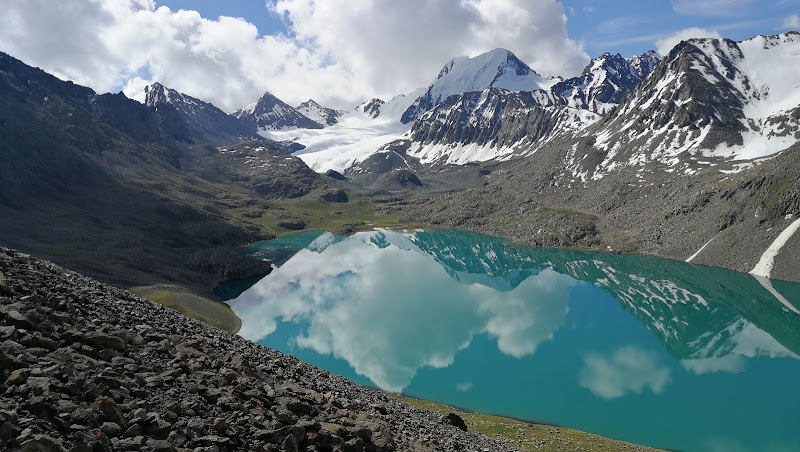
Ala-Kul Lake
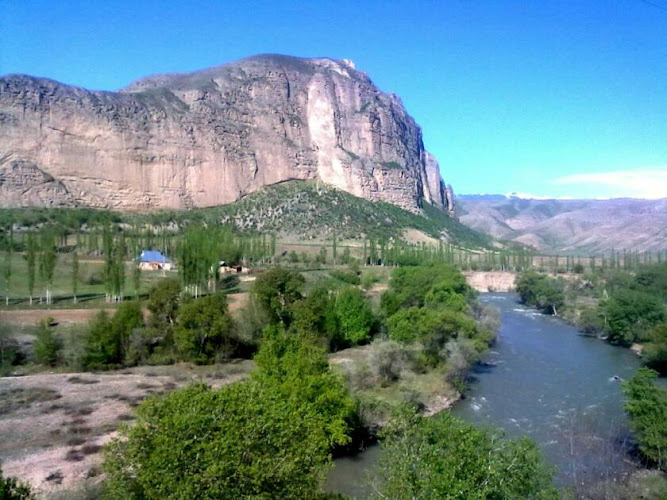
Talas Region

Tash Rabat
Find Accommodations Nearby
Recommended Tours & Activities
Visitor Reviews
There are no reviews yet. Be the first one to write one.
Share Your Experience
Have you visited Pik Karakol? Help other travelers by leaving a review.