Description
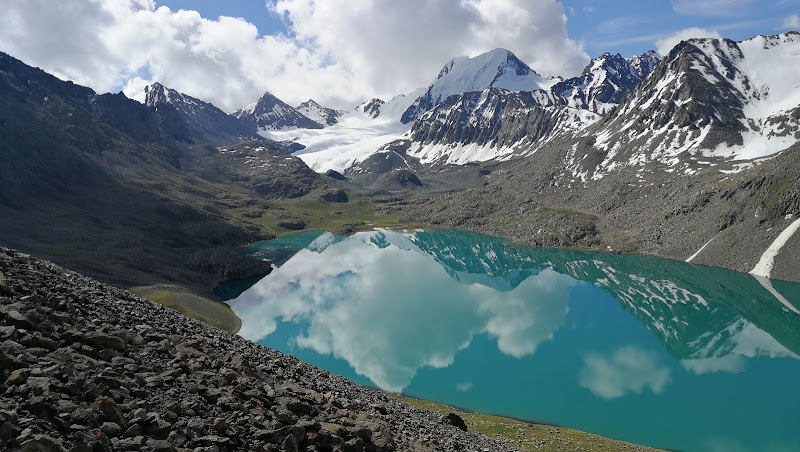
If you’ve ever dreamed of standing in front of water so turquoise it seems almost fake, surrounded by rugged mountains and total, utter silence (well, except your heavy breathing from the hike), Ala-Kul Lake is the place your adventurous soul’s been bugging you to visit. This high-altitude lake in Kyrgyzstan is dramatic, wild, and way more jaw-dropping in real life than any filtered Instagram post you’ll see.
Cut into a rocky bowl about 3,560 meters above sea level, Ala-Kul is flat-out astonishing—and also a tad mysterious. There’s no road. No ice cream vendor plopped by the shore. It demands effort. If you want a lake you stumble on after a short bus ride, Ala-Kul is not for you! But if you love the thrill of rarity and want actual bragging rights, keep reading.
The first time I saw Ala-Kul, I honestly stopped in my tracks. My knees went kind of wonky, mostly from the climb, but also from the sight—the palette of green-ish blue, backed by snow and black knuckles of mountain. It’s an alpine lake, after all. Nobody quite agrees on the exact depth, but its shifting, glacier-fed colors almost seem to change with the clouds. And yeah, it’s freezing. Don’t even think about a casual swim unless you like feeling your toes go numb in literal seconds.
But what steals the show? The complete absence of crowds. Unlike Lake Issyk-Kul, which (admittedly) has its charm and a lot of suntanned folks floating in the water, Ala-Kul feels remote, like you stumbled into a lost world. If solitude, fresh air, and the occasional marmot count for something in your travel plans, this lake is your gold medal.
Key Features
- Stunning Altitude: Ala-Kul sits at a breathtaking elevation—3,560m above sea level—smack in the heart of the Terskey Alatau Range.
- Dramatic Colors: The water’s shade jumps between deep emerald and intense turquoise, depending on the light, clouds, and your angle. Sometimes it just doesn’t look real.
- Exclusive Trekking Experience: There is no road—only footpaths. Getting there means a day or two of hiking (and honestly, quite a few “are we there yet?” moments).
- Glacial Origins: Fed by melting snow and glacier runoff, the lake stays icy cold all year. Brave souls dip a toe in, but skinny-dipping legends rarely last more than 10 seconds.
- 360-degree Mountain Views: The panorama from the lakeside is, no joke, epic. If there was a power ranking of best picnic views on Earth, Ala-Kul makes the top ten.
- Wildlife Spotting: Look out and up—you might see golden eagles, marmots, or even the odd ibex along the ridges.
- Serenity—Authentic and Loud: Forget cars and city buzz; here, the loudest thing is the wind whipping over the passes and, occasionally, your own boots crunching the stones.
- Nearness to Karakol: The lake is accessible as an extension of the famous Karakol trekking circuit, meaning you get the double benefit of mountain villages and untamed wilderness.
- Camping Potential: There are unofficial campsites (really just flat spots to pitch your tent), perfect for those who appreciate a starry sky minus the light pollution.
- Photographer’s Playground: The shifting weather brings a moody, dramatic backdrop—clouds rolling in, sometimes a midday rainbow, or piercing beams of sunlight through gaps in the peaks.
Best Time to Visit
I’ll cut to the chase—timing is everything. Ala-Kul is not a lake for year-round dips or even picnics, unless you count eating frozen nuts in January a fun time (I don’t). The best window? Late June to mid-September. That’s when the snow clears enough from the passes so regular, fairly bold hikers (not just elite mountaineers) can make it through without drama. Earlier, you might find snowfields that turn your hike into a slip-n-slide. Later, well, snow comes back, and with it, some good old-fashioned danger.
I’ve seen folks try for May or October, rolling the dice on the weather, but it’s basically Russian roulette with hiking boots. In July and August, daytime temps hover around 10-15°C (so bring layers), and at night it can drop below freezing, even in summer. That said, wildflowers bloom, the air is crisp, and the lake does that dazzling color change thing every hour or two. You won’t regret sticking to these months for a safe, show-stopping experience.
How to Get There
This adventure starts in Karakol—you’ll want to stock up, caffeinate, and maybe second-guess all your packing choices here. There are a couple of main routes to the lake, but let me break it down the way I wish someone had told me:
- Via Karakol Gorge: Most hikers go this way. Grab a taxi or shared transport to the Karakol Valley, then follow the marked trail up and up (and up)—it’s about 16-18 km one-way. You’ll pass yurts, grazing livestock, forest, then bare alpine ridge.
- Via Altyn Arashan Gorge: A popular alternative is starting (or finishing) in Altyn Arashan, home to hot springs and cozy guesthouses. Trekkers often do the lake as part of a multi-day loop, which—trust me—feels like a “choose your own adventure” book come to life.
You’ll need two to three days if you want to really enjoy it, not just march through. Most people overnight in tents at the lake or in the valleys. Don’t expect luxury: there are some simple huts and camps in Altyn Arashan, but otherwise, you’re back to basics—water filtered from streams, food you carried up, and that well-earned sleep under the stars.
Getting to Karakol itself is straightforward, as there are regular marshrutkas (shared minivans) from Bishkek (the capital). From Karakol, routes are sometimes marked, sometimes not—GPS navigation apps, old-fashioned paper maps, and chats with seasoned locals are pure gold.
Tips for Visiting
-
Pack for Four Seasons: Weather can pivot from blazing sun to sleet in half an hour. Bring a rain jacket, layers, hat, and gloves, even in August. I’ve watched people shiver in shorts while snow flurried down.
-
Acclimatize: You’re hiking high. Don’t underestimate altitude sickness. Take it slow, hydrate often, and, if possible, spend a night at a lower elevation before the main push.
-
Navigation: Trail markers appear, then vanish. Download offline maps, and if you’re bad with directions (like me, honest confession), a local guide is a fantastic investment—not just for safety but for neat side stories about the area.
-
Food & Water: All your snacks and meals must come with you—no stores between Karakol and the lake. Bring a water filter or purification tablets, as you’ll be filling up from streams fed by that icy glacial melt.
-
Leave No Trace: Seriously, don’t leave trash or food scraps. The area’s wild beauty depends on us all being responsible. I’ve carried out other people’s litter more than once—a mildly annoying but necessary act.
-
Respect Local Customs: You’ll cross pastures and sometimes yurts—always ask before taking photos or wandering up to herders’ homes. Most are welcoming and might even offer tea.
-
Campsite Selection: Pick flat, sheltered ground (the wind is no joke). Don’t camp too close to the water. And always check for rocks before unrolling your sleeping mat (ouch).
-
Physical Readiness: The hike is demanding—expect several steep ascents and a challenging final pass. Practice hikes before you go will save you a heap of pain.
-
<strong