

Petroleum Museum, Miri, Sarawak.
About Petroleum Museum, Miri, Sarawak.
Description
The Petroleum Museum in Miri, Sarawak is presented as a focused, quietly proud tribute to the century-long story of oil in this corner of Malaysia. Perched on Canada Hill and curated by Jabatan Muzium Sarawak, the museum frames local petroleum history through a compact set of galleries, interactive exhibits, and an iconic tower that once stood beside the well known as the first commercial oil well in Malaysia. Visitors interested in industrial heritage, energy history, or simply curious about how a small town helped launch a national industry will find the museum both informative and oddly intimate—not a massive science centre, but a place with character and clear purpose.
Inside, the layout moves from the origins of oil exploration in the region to the practical machinery and rigs that shaped the area. There are life-sized replicas, scale models of oil rigs and drilling equipment, and hands-on displays intended to demystify terms such as drilling rig, reservoir and crude separation. The museum leans into tactile learning: levers to push, panels to flip, and simple science demonstrations that work well for families and school groups. It does that job better than many attractively shiny but sterile institutions—there is an earnestness here, an effort to explain technical processes in plain language.
One of the museum's strengths is context. Rather than presenting technology in isolation, the exhibits tie the petroleum story to Miri's local development, to labour and community life, and to the broader petroleum industry in Sarawak and Malaysia. Interpretive boards and photographs document early days on Canada Hill, the lives of workers, and the landscape before and after oil development. For history buffs this local anchoring matters; it turns abstract facts about barrels and rigs into human stories about towns, families, and the shifting economy.
The historic tower remains a highlight. From the top, the view offers a different way to appreciate the museum's subject: the stretch of coastline, the outline of Miri city, and—on a clear day—the south China Sea glimmering beyond. The tower itself is part monument, part museum piece; climbing it gives a small but satisfying sense of connection to the first oil well and the era that followed. Many visitors make a quiet pilgrimage here, camera in hand, and linger longer than planned simply because the view slows them down.
Accessibility has been thoughtfully addressed. The entrance is wheelchair accessible, the parking area can accommodate mobility needs, and there are accessible restrooms. That practical attention is not flashy but it is important, especially for travellers who plan around mobility or family needs. Families will also notice the child-friendly aspects: the interactive exhibits and easy-to-understand explanations make this a surprisingly good stop for kids who like to press buttons and explore cause-and-effect displays.
On the practical side, the museum keeps things simple, and sometimes that simplicity feels like both a virtue and a limitation. There is a restroom on site, but no restaurant or extensive on-site dining options, so visitors often pair a stop here with lunch in the city centre or a picnic on Canada Hill. The museum is not sprawling; exhibits are concentrated, and a typical visit rarely lasts more than an hour or two, depending on how deeply one reads the placards and how many photos one takes from the tower. Still, that compact nature means it is an easy add-on for a half-day in Miri, or a quick cultural stop before or after exploring nearby attractions.
Visitors should expect a mixed—but fair—overall experience. Many praise the museum for its clear storytelling, the charm of the tower, and the way it preserves a local industrial heritage that might otherwise be overlooked. Others find the collection limited in scale and wish for more multimedia displays or longer, guided tours. Both perspectives are valid. The museum's mission is not to rival large national museums; it is to record and interpret Miri's petroleum beginnings. In that narrower mission it often succeeds, especially for those who arrive curious rather than expecting a blockbuster attraction.
There are small, delightful details that often surprise visitors. Old photographs capture the early days of the oil town in black-and-white grain; tools and workwear tell stories about the people who laboured on rigs; and descriptive panels occasionally include archival anecdotes that feel almost conversational. One panel, for instance, summarizes how local geography and early explorers led to the first drilled wells—there is a slow build of understanding as a visitor moves through the rooms. It feels like being guided by someone who genuinely wants to share the story, not someone who merely wants to tick boxes on a tourism map.
For photographers and those who enjoy a contemplative moment, Canada Hill is quietly rewarding. The tower, the view, and the surrounding greenery make for pleasing compositions at golden hour. The author remembers arriving late in the afternoon on a humid day, climbing the tower and staying up there as the light softened; it was one of those small travel moments that stick with you because it combines a sense of place with a personal pause. Not every visit will produce such a scene, but the opportunity is there.
Educational groups and researchers will find the museum's exhibits useful as a primer. The display on drilling techniques and the mock-ups of rig parts are clear starting points for deeper study. Meanwhile casual visitors get enough context to appreciate why Miri earned a special spot in Malaysia's petroleum narrative. The museum also serves a heritage function: it preserves fragments of an industry that reshaped landscapes and livelihoods, and it does so with restraint rather than spectacle.
Practicalities that matter to travellers are straightforward here. The museum is easiest to combine with other attractions on or near Canada Hill; it lends itself to a short itinerary that might include a city stroll, a meal, and a relaxed afternoon. Entry is generally uncomplicated, and staff tend to be helpful, ready to answer questions and point out notable display items. The tone inside is low-key and respectful—this is museum work that values information over flash.
For those who care about authenticity, the Petroleum Museum offers something real: local history told by a local institution. It does not overpromise, and for that reason it often leaves a better long-term impression than places that oversell. Yes, the museum is modest in size and resources. But it fills a niche: it documents the oil heritage of Miri, it interprets technical subjects plainly, and it preserves a tower and view that connect visitors to the early days of the region's petroleum story.
In short, the Petroleum Museum in Miri, Sarawak is worth visiting for travellers who appreciate history with a functional edge—industrial stories, neat models, and a small tower with a meaningful view. It is especially good for families, educational visits, and travellers who prefer low-key cultural stops that still deliver substance. The experience is earnest, sometimes quietly moving, and anchored to Canada Hill in a way that makes a visit feel like time well spent rather than an obligatory tick on an itinerary. If the reader wants to understand why Miri matters in Malaysia's oil story, the museum is one of the clearest, most accessible places to begin.
Key Features
More Details
Updated August 30, 2025
Table of Contents
Description
The Petroleum Museum in Miri, Sarawak is presented as a focused, quietly proud tribute to the century-long story of oil in this corner of Malaysia. Perched on Canada Hill and curated by Jabatan Muzium Sarawak, the museum frames local petroleum history through a compact set of galleries, interactive exhibits, and an iconic tower that once stood beside the well known as the first commercial oil well in Malaysia. Visitors interested in industrial heritage, energy history, or simply curious about how a small town helped launch a national industry will find the museum both informative and oddly intimate—not a massive science centre, but a place with character and clear purpose.
Inside, the layout moves from the origins of oil exploration in the region to the practical machinery and rigs that shaped the area. There are life-sized replicas, scale models of oil rigs and drilling equipment, and hands-on displays intended to demystify terms such as drilling rig, reservoir and crude separation. The museum leans into tactile learning: levers to push, panels to flip, and simple science demonstrations that work well for families and school groups. It does that job better than many attractively shiny but sterile institutions—there is an earnestness here, an effort to explain technical processes in plain language.
One of the museum’s strengths is context. Rather than presenting technology in isolation, the exhibits tie the petroleum story to Miri’s local development, to labour and community life, and to the broader petroleum industry in Sarawak and Malaysia. Interpretive boards and photographs document early days on Canada Hill, the lives of workers, and the landscape before and after oil development. For history buffs this local anchoring matters; it turns abstract facts about barrels and rigs into human stories about towns, families, and the shifting economy.
The historic tower remains a highlight. From the top, the view offers a different way to appreciate the museum’s subject: the stretch of coastline, the outline of Miri city, and—on a clear day—the south China Sea glimmering beyond. The tower itself is part monument, part museum piece; climbing it gives a small but satisfying sense of connection to the first oil well and the era that followed. Many visitors make a quiet pilgrimage here, camera in hand, and linger longer than planned simply because the view slows them down.
Accessibility has been thoughtfully addressed. The entrance is wheelchair accessible, the parking area can accommodate mobility needs, and there are accessible restrooms. That practical attention is not flashy but it is important, especially for travellers who plan around mobility or family needs. Families will also notice the child-friendly aspects: the interactive exhibits and easy-to-understand explanations make this a surprisingly good stop for kids who like to press buttons and explore cause-and-effect displays.
On the practical side, the museum keeps things simple, and sometimes that simplicity feels like both a virtue and a limitation. There is a restroom on site, but no restaurant or extensive on-site dining options, so visitors often pair a stop here with lunch in the city centre or a picnic on Canada Hill. The museum is not sprawling; exhibits are concentrated, and a typical visit rarely lasts more than an hour or two, depending on how deeply one reads the placards and how many photos one takes from the tower. Still, that compact nature means it is an easy add-on for a half-day in Miri, or a quick cultural stop before or after exploring nearby attractions.
Visitors should expect a mixed—but fair—overall experience. Many praise the museum for its clear storytelling, the charm of the tower, and the way it preserves a local industrial heritage that might otherwise be overlooked. Others find the collection limited in scale and wish for more multimedia displays or longer, guided tours. Both perspectives are valid. The museum’s mission is not to rival large national museums; it is to record and interpret Miri’s petroleum beginnings. In that narrower mission it often succeeds, especially for those who arrive curious rather than expecting a blockbuster attraction.
There are small, delightful details that often surprise visitors. Old photographs capture the early days of the oil town in black-and-white grain; tools and workwear tell stories about the people who laboured on rigs; and descriptive panels occasionally include archival anecdotes that feel almost conversational. One panel, for instance, summarizes how local geography and early explorers led to the first drilled wells—there is a slow build of understanding as a visitor moves through the rooms. It feels like being guided by someone who genuinely wants to share the story, not someone who merely wants to tick boxes on a tourism map.
For photographers and those who enjoy a contemplative moment, Canada Hill is quietly rewarding. The tower, the view, and the surrounding greenery make for pleasing compositions at golden hour. The author remembers arriving late in the afternoon on a humid day, climbing the tower and staying up there as the light softened; it was one of those small travel moments that stick with you because it combines a sense of place with a personal pause. Not every visit will produce such a scene, but the opportunity is there.
Educational groups and researchers will find the museum’s exhibits useful as a primer. The display on drilling techniques and the mock-ups of rig parts are clear starting points for deeper study. Meanwhile casual visitors get enough context to appreciate why Miri earned a special spot in Malaysia’s petroleum narrative. The museum also serves a heritage function: it preserves fragments of an industry that reshaped landscapes and livelihoods, and it does so with restraint rather than spectacle.
Practicalities that matter to travellers are straightforward here. The museum is easiest to combine with other attractions on or near Canada Hill; it lends itself to a short itinerary that might include a city stroll, a meal, and a relaxed afternoon. Entry is generally uncomplicated, and staff tend to be helpful, ready to answer questions and point out notable display items. The tone inside is low-key and respectful—this is museum work that values information over flash.
For those who care about authenticity, the Petroleum Museum offers something real: local history told by a local institution. It does not overpromise, and for that reason it often leaves a better long-term impression than places that oversell. Yes, the museum is modest in size and resources. But it fills a niche: it documents the oil heritage of Miri, it interprets technical subjects plainly, and it preserves a tower and view that connect visitors to the early days of the region’s petroleum story.
In short, the Petroleum Museum in Miri, Sarawak is worth visiting for travellers who appreciate history with a functional edge—industrial stories, neat models, and a small tower with a meaningful view. It is especially good for families, educational visits, and travellers who prefer low-key cultural stops that still deliver substance. The experience is earnest, sometimes quietly moving, and anchored to Canada Hill in a way that makes a visit feel like time well spent rather than an obligatory tick on an itinerary. If the reader wants to understand why Miri matters in Malaysia’s oil story, the museum is one of the clearest, most accessible places to begin.
Key Highlights
Petroleum Museum, Miri, Sarawak.
Location
Places to Stay Near Petroleum Museum, Miri, Sarawak.
Find and Book a Tour
Explore More Travel Guides
No reviews found! Be the first to review!
Traveler Reviews for Petroleum Museum, Miri, Sarawak.
There are no reviews yet. Be the first one to write one.
Have you visited Petroleum Museum, Miri, Sarawak.? Help other travelers by sharing your review.
You Might Also Like
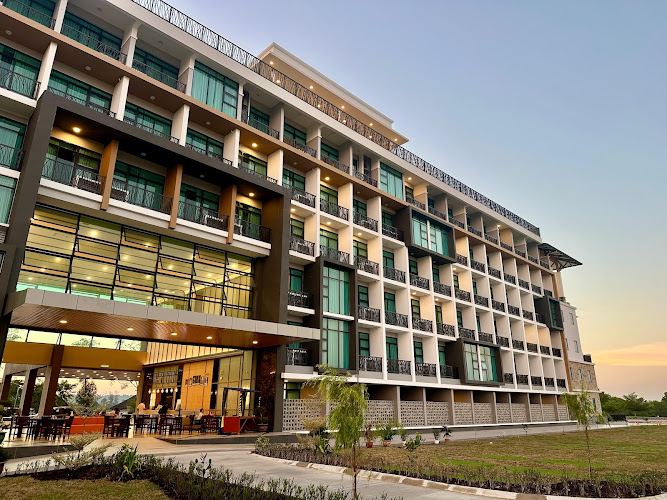
Eastwood Valley Golf & Country Club
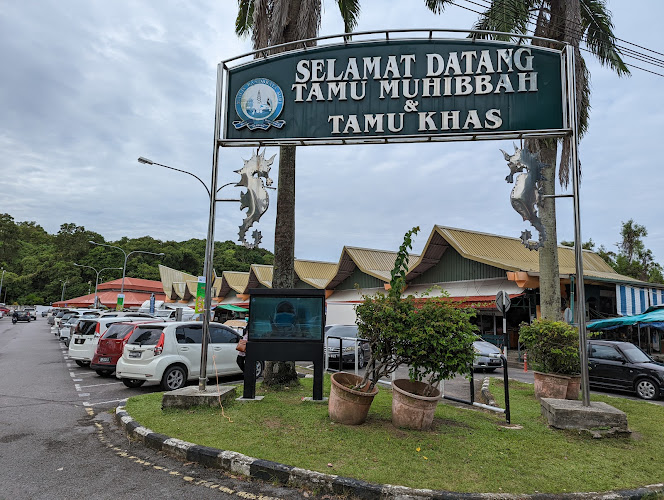
Tamu Muhibbah
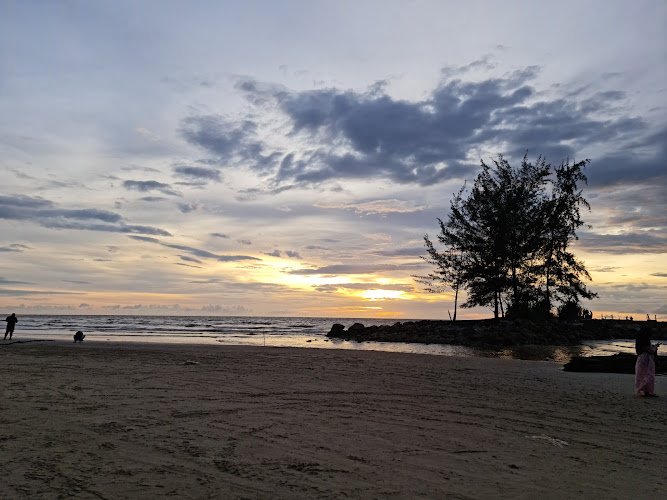
Tanjong Lobang Beach
Find Accommodations Nearby
Recommended Tours & Activities
Visitor Reviews
There are no reviews yet. Be the first one to write one.
Share Your Experience
Have you visited Petroleum Museum, Miri, Sarawak.? Help other travelers by leaving a review.