

Peoria Riverfront Museum
About Peoria Riverfront Museum
Description
The Peoria Riverfront Museum is a well-rounded destination where art, science, and live performance collide in a way that feels intentional rather than thrown together. Housed in a modern building along the riverfront in Peoria, Illinois, the museum presents rotating art exhibits, hands-on science displays, a sculpture garden, a dome planetarium, and a giant-screen theater. Visitors can float from contemporary paintings to interactive science stations, then finish the visit under a laser-lit sky show — all in the same afternoon. It’s one of those spots that rewards both the casual passerby and the repeat local who keeps coming back for the new exhibits.
What stands out is the blend: many museums lean hard toward either art or science, but this place angles for both. The planetarium is a true crowd-pleaser, with shows aimed at kids but rich enough for adults who still like the wonder of seeing constellations projected on a curved dome. The large-screen theater (yes, the kind that feels cinematic in a different way) showcases nature documentaries and specialty films that benefit from the extra scale. Meanwhile, the sculpture garden offers a quiet outdoor counterpoint — a spot to sit, sip a coffee, and let the brain unpack what it just absorbed inside.
Visitors will find the museum accessible and user-friendly. There are guided tours available for those who want context without reading every wall label, and the onsite staff often stage live performances or speaker events that add an unpredictable spark to a visit. It doesn’t pretend to be larger than it is; rather, it uses its focused scale to put on exhibits with real depth and, occasionally, delightful surprise. Admission is charged, and while some shows — especially planetarium programs or giant-screen films — may require additional fees or timed tickets, the staff are generally clear about what costs extra and what’s included.
Key Features
- Planetarium: A full-dome planetarium with family-friendly shows and special programs for star enthusiasts.
- Giant-Screen Theater: Large-format films, often nature documentaries and space features that leverage the scale for impact.
- Art Exhibits: Rotating galleries featuring local and regional artists alongside curated national shows.
- Sculpture Garden: Outdoor installations along the riverfront offering a calm stroll and photo opportunities.
- Live Performances: Occasional music, lectures, theater pieces, and community events — schedules rotate seasonally.
- Guided Tours: Onsite tours led by museum educators that add depth to exhibits (check daily schedules).
- Family-Friendly Amenities: Changing tables, kid-friendly exhibits, and programs that engage younger visitors.
- Accessibility: Wheelchair-accessible entrance, parking, and restrooms make the museum welcoming to most mobility needs.
- Gift Shop: A compact shop with locally themed items, science kits, and exhibition catalogs — useful for a meaningful souvenir.
- Parking: Several free options including a parking garage, surface lots, and street parking near the museum.
Best Time to Visit
The best time to visit depends on priorities. For quieter galleries and shorter lines at the planetarium, weekday mornings right after opening are ideal. Those who can swing a Tuesday or Wednesday will often have galleries to themselves for stretches, which is a rare treat if the goal is to linger. Weekends, especially late spring through early fall, bring families and tourists — lively, but expect lines at popular planetarium shows.
Seasonally, there’s charm in every quarter. Spring and fall offer comfortable weather for combining an indoor museum visit with a stroll through the sculpture garden and riverfront. Summer can be busy, as traveling families and school groups visit, but the museum runs extra programming for kids then, so if a child-focused visit is the goal, that’s prime time. Winter visits have a cozy advantage: fewer crowds, and the planetarium shows feel especially atmospheric when it’s gray outside.
Special events and traveling exhibits can change the dynamic quickly. If a headline exhibit or live performance is on the calendar, plan farther ahead — those draw extra crowds and sometimes require timed-entry tickets. Conversely, if there’s a lesser-known local exhibit on display, one might catch a more intimate experience and even meet a curator during a guided talk.
How to Get There
The museum sits on Peoria’s riverfront, so getting there visually is part of the appeal — approach by foot from the pedestrian paths along the river and the walk itself becomes part of the day. For drivers, on-site options include a free parking garage and surface lots nearby; street parking is also available although it can be scarce during special events. Because parking is usually free, many visitors find it easier to drive than to hunt public transit schedules.
Public transit serves the area, and local bus routes stop within walking distance of the museum. Travelers who plan to use transit should allow extra time, especially if they intend to catch a timed show at the planetarium or theater. Ride-share and taxi services also drop off close to the entrance, which is handy when traveling with kids or bulky items from the gift shop.
For visitors staying in downtown Peoria, the museum is typically a 10–20 minute walk from many hotels along the river, depending on exact location. Biking is common in the warmer months, and there are bicycle racks around the museum grounds. If someone is making a day of multiple riverfront stops — restaurants, park, other attractions — walking or biking affords the best chance to enjoy the riverside scenery between destinations.
Tips for Visiting
Plan ahead for timed shows. Planetarium and giant-screen film programs often have scheduled showings and can sell out on weekends or during special exhibits. Buying tickets for those particular programs in advance (or arriving 30–45 minutes early) reduces stress. A little patience goes a long way: lines move, staff are friendly, and there’s usually a helpful volunteer who’ll steer visitors to quieter galleries while they wait.
Bring layers. The planetarium dome and the theater both enjoy cool, dim conditions by design, which is great for focus but chilly if someone is wearing short sleeves. Also, galleries can vary in temperature depending on conservation needs for specific exhibits. A lightweight sweater tucked into a bag can save the day.
Take advantage of guided tours and staff talks. The museum offers tours and periodic curator talks that explain the why behind exhibits — and trust that context makes the experience richer. One regular visitor mentioned that a 20-minute docent-led tour transformed a confusing installation into something memorable; that’s the kind of small thing that often gets overlooked but pays off.
Expect good family facilities but plan meal breaks. There is no full-service restaurant inside the museum, so families should pack snacks or plan to eat nearby. The gift shop is handy for quick treats like postcards, small toys, or themed educational items for kids. Changing tables and family restrooms are available, which makes visits with infants and toddlers much easier than some museums of similar size.
Allow time for the sculpture garden. It’s tempting to rush straight from gallery to planetarium, but the outdoor spaces are a nice palate cleanser — particularly after an immersive film. Even a fifteen-minute walk among the pieces helps reset before heading back inside for another exhibit or a show.
Accessibility matters here. The museum advertises wheelchair-accessible entrances and restrooms, plus accessible parking. Visitors with mobility concerns should feel fairly comfortable planning a visit, though it’s wise to call ahead if specific accommodations are needed for a group or event. Staff are used to accommodating different needs and can advise on elevator access, seating in the planetarium, and other logistical details.
Watch for live performances and community events. These can be delightful surprises — sometimes a short concert or a guest lecture appears on the calendar that turns an ordinary visit into a special one. Since schedules rotate, checking the museum’s posted calendar before a visit will reveal any must-see happenings. Also, those weekday afternoons when a school group is in residence? They often come with live demonstrations that other visitors can enjoy, too.
Be mindful of crowd flow. Popular exhibits and the planetarium line can create pinch points near restrooms and stairways; if someone wants a quieter experience, aim for off-peak hours or head to less-trafficked exhibits first. Conversely, if the goal is to soak in atmosphere and people-watch (it’s okay to admit that), then a busy Saturday can be a pleasing place to be.
Don’t overlook the gift shop for unique local finds. The selection tends to reflect the museum’s mix of art and science: books on natural history, locally made crafts, and educational toys. It’s a small space but curated — perfect for a thoughtful souvenir without the typical tourist trinkets.
Finally, allow room for serendipity. The best museum days often involve an unexpected talk, a temporary exhibit that surprises, or simply a slow hour where the visitor gets entirely absorbed in a single piece. The Peoria Riverfront Museum rewards those who wander deliberately; it’s not about checking everything off a list, but about discovering one or two things that stick with you long after you leave the riverbank.
Key Features
- Giant-screen digital theater for documentary and immersive films
- Dome planetarium with astronomy and space shows
- Interactive Discovery Worlds and hands-on science exhibits
- Illinois River Encounter highlighting regional natural and industrial history
- Rotating art exhibitions and traveling national exhibits
More Details
Updated August 30, 2025
Table of Contents
Description
The Peoria Riverfront Museum is a well-rounded destination where art, science, and live performance collide in a way that feels intentional rather than thrown together. Housed in a modern building along the riverfront in Peoria, Illinois, the museum presents rotating art exhibits, hands-on science displays, a sculpture garden, a dome planetarium, and a giant-screen theater. Visitors can float from contemporary paintings to interactive science stations, then finish the visit under a laser-lit sky show — all in the same afternoon. It’s one of those spots that rewards both the casual passerby and the repeat local who keeps coming back for the new exhibits.
What stands out is the blend: many museums lean hard toward either art or science, but this place angles for both. The planetarium is a true crowd-pleaser, with shows aimed at kids but rich enough for adults who still like the wonder of seeing constellations projected on a curved dome. The large-screen theater (yes, the kind that feels cinematic in a different way) showcases nature documentaries and specialty films that benefit from the extra scale. Meanwhile, the sculpture garden offers a quiet outdoor counterpoint — a spot to sit, sip a coffee, and let the brain unpack what it just absorbed inside.
Visitors will find the museum accessible and user-friendly. There are guided tours available for those who want context without reading every wall label, and the onsite staff often stage live performances or speaker events that add an unpredictable spark to a visit. It doesn’t pretend to be larger than it is; rather, it uses its focused scale to put on exhibits with real depth and, occasionally, delightful surprise. Admission is charged, and while some shows — especially planetarium programs or giant-screen films — may require additional fees or timed tickets, the staff are generally clear about what costs extra and what’s included.
Key Features
- Planetarium: A full-dome planetarium with family-friendly shows and special programs for star enthusiasts.
- Giant-Screen Theater: Large-format films, often nature documentaries and space features that leverage the scale for impact.
- Art Exhibits: Rotating galleries featuring local and regional artists alongside curated national shows.
- Sculpture Garden: Outdoor installations along the riverfront offering a calm stroll and photo opportunities.
- Live Performances: Occasional music, lectures, theater pieces, and community events — schedules rotate seasonally.
- Guided Tours: Onsite tours led by museum educators that add depth to exhibits (check daily schedules).
- Family-Friendly Amenities: Changing tables, kid-friendly exhibits, and programs that engage younger visitors.
- Accessibility: Wheelchair-accessible entrance, parking, and restrooms make the museum welcoming to most mobility needs.
- Gift Shop: A compact shop with locally themed items, science kits, and exhibition catalogs — useful for a meaningful souvenir.
- Parking: Several free options including a parking garage, surface lots, and street parking near the museum.
Best Time to Visit
The best time to visit depends on priorities. For quieter galleries and shorter lines at the planetarium, weekday mornings right after opening are ideal. Those who can swing a Tuesday or Wednesday will often have galleries to themselves for stretches, which is a rare treat if the goal is to linger. Weekends, especially late spring through early fall, bring families and tourists — lively, but expect lines at popular planetarium shows.
Seasonally, there’s charm in every quarter. Spring and fall offer comfortable weather for combining an indoor museum visit with a stroll through the sculpture garden and riverfront. Summer can be busy, as traveling families and school groups visit, but the museum runs extra programming for kids then, so if a child-focused visit is the goal, that’s prime time. Winter visits have a cozy advantage: fewer crowds, and the planetarium shows feel especially atmospheric when it’s gray outside.
Special events and traveling exhibits can change the dynamic quickly. If a headline exhibit or live performance is on the calendar, plan farther ahead — those draw extra crowds and sometimes require timed-entry tickets. Conversely, if there’s a lesser-known local exhibit on display, one might catch a more intimate experience and even meet a curator during a guided talk.
How to Get There
The museum sits on Peoria’s riverfront, so getting there visually is part of the appeal — approach by foot from the pedestrian paths along the river and the walk itself becomes part of the day. For drivers, on-site options include a free parking garage and surface lots nearby; street parking is also available although it can be scarce during special events. Because parking is usually free, many visitors find it easier to drive than to hunt public transit schedules.
Public transit serves the area, and local bus routes stop within walking distance of the museum. Travelers who plan to use transit should allow extra time, especially if they intend to catch a timed show at the planetarium or theater. Ride-share and taxi services also drop off close to the entrance, which is handy when traveling with kids or bulky items from the gift shop.
For visitors staying in downtown Peoria, the museum is typically a 10–20 minute walk from many hotels along the river, depending on exact location. Biking is common in the warmer months, and there are bicycle racks around the museum grounds. If someone is making a day of multiple riverfront stops — restaurants, park, other attractions — walking or biking affords the best chance to enjoy the riverside scenery between destinations.
Tips for Visiting
Plan ahead for timed shows. Planetarium and giant-screen film programs often have scheduled showings and can sell out on weekends or during special exhibits. Buying tickets for those particular programs in advance (or arriving 30–45 minutes early) reduces stress. A little patience goes a long way: lines move, staff are friendly, and there’s usually a helpful volunteer who’ll steer visitors to quieter galleries while they wait.
Bring layers. The planetarium dome and the theater both enjoy cool, dim conditions by design, which is great for focus but chilly if someone is wearing short sleeves. Also, galleries can vary in temperature depending on conservation needs for specific exhibits. A lightweight sweater tucked into a bag can save the day.
Take advantage of guided tours and staff talks. The museum offers tours and periodic curator talks that explain the why behind exhibits — and trust that context makes the experience richer. One regular visitor mentioned that a 20-minute docent-led tour transformed a confusing installation into something memorable; that’s the kind of small thing that often gets overlooked but pays off.
Expect good family facilities but plan meal breaks. There is no full-service restaurant inside the museum, so families should pack snacks or plan to eat nearby. The gift shop is handy for quick treats like postcards, small toys, or themed educational items for kids. Changing tables and family restrooms are available, which makes visits with infants and toddlers much easier than some museums of similar size.
Allow time for the sculpture garden. It’s tempting to rush straight from gallery to planetarium, but the outdoor spaces are a nice palate cleanser — particularly after an immersive film. Even a fifteen-minute walk among the pieces helps reset before heading back inside for another exhibit or a show.
Accessibility matters here. The museum advertises wheelchair-accessible entrances and restrooms, plus accessible parking. Visitors with mobility concerns should feel fairly comfortable planning a visit, though it’s wise to call ahead if specific accommodations are needed for a group or event. Staff are used to accommodating different needs and can advise on elevator access, seating in the planetarium, and other logistical details.
Watch for live performances and community events. These can be delightful surprises — sometimes a short concert or a guest lecture appears on the calendar that turns an ordinary visit into a special one. Since schedules rotate, checking the museum’s posted calendar before a visit will reveal any must-see happenings. Also, those weekday afternoons when a school group is in residence? They often come with live demonstrations that other visitors can enjoy, too.
Be mindful of crowd flow. Popular exhibits and the planetarium line can create pinch points near restrooms and stairways; if someone wants a quieter experience, aim for off-peak hours or head to less-trafficked exhibits first. Conversely, if the goal is to soak in atmosphere and people-watch (it’s okay to admit that), then a busy Saturday can be a pleasing place to be.
Don’t overlook the gift shop for unique local finds. The selection tends to reflect the museum’s mix of art and science: books on natural history, locally made crafts, and educational toys. It’s a small space but curated — perfect for a thoughtful souvenir without the typical tourist trinkets.
Finally, allow room for serendipity. The best museum days often involve an unexpected talk, a temporary exhibit that surprises, or simply a slow hour where the visitor gets entirely absorbed in a single piece. The Peoria Riverfront Museum rewards those who wander deliberately; it’s not about checking everything off a list, but about discovering one or two things that stick with you long after you leave the riverbank.
Key Highlights
- Giant-screen digital theater for documentary and immersive films
- Dome planetarium with astronomy and space shows
- Interactive Discovery Worlds and hands-on science exhibits
- Illinois River Encounter highlighting regional natural and industrial history
- Rotating art exhibitions and traveling national exhibits
Location
Places to Stay Near Peoria Riverfront Museum
Find and Book a Tour
Explore More Travel Guides
No reviews found! Be the first to review!
Traveler Reviews for Peoria Riverfront Museum
There are no reviews yet. Be the first one to write one.
Have you visited Peoria Riverfront Museum? Help other travelers by sharing your review.
Nearby Attractions
You Might Also Like
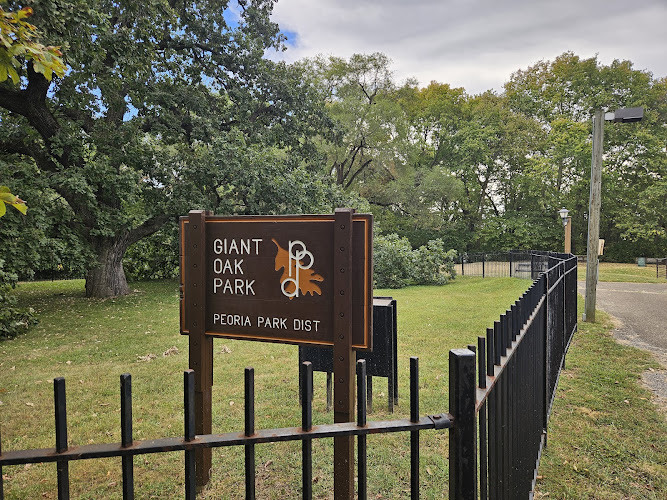
Giant Oak Park
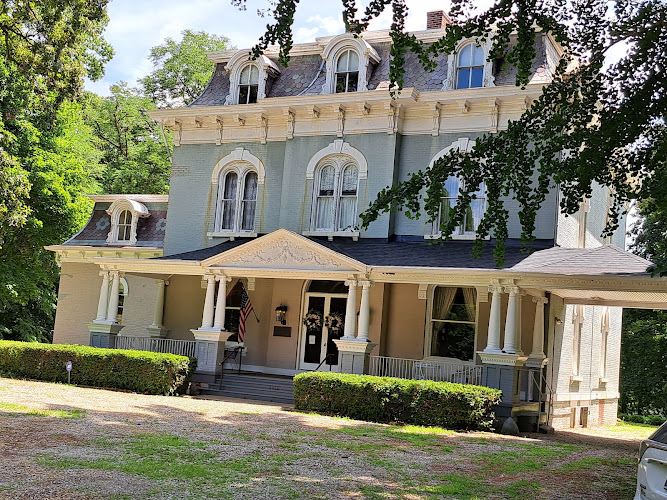
Pettengill-Morron House Museum

Peoria Riverfront Park
Find Accommodations Nearby
Recommended Tours & Activities
Visitor Reviews
There are no reviews yet. Be the first one to write one.
Share Your Experience
Have you visited Peoria Riverfront Museum? Help other travelers by leaving a review.