
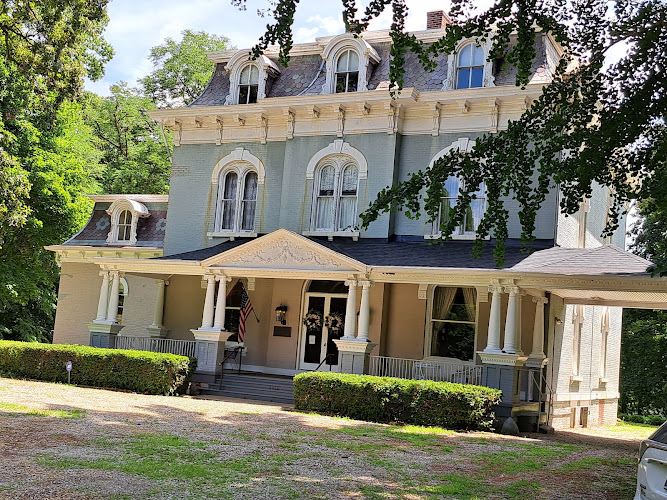
Pettengill-Morron House Museum
About Pettengill-Morron House Museum
Description
The Pettengill-Morron House Museum stands as one of Peoria's most intimate windows into 19th-century domestic life. Visitors will find a restored historic house museum that showcases period rooms, carefully conserved architectural details, and interpretive tours that tell stories about everyday life, civic leadership, and the changing face of an American river city. It is a living example of historic preservation: not a sterile display behind glass, but a home that still seems to breathe with the echoes of conversations, footsteps, and family traditions.
Interpreters and volunteers at the museum focus on social history, material culture, and the practical rhythms of the past—the kinds of things that make history feel human. Rather than only listing dates and names, the guides emphasize daily rituals: how a family prepared for winter, how children played, the importance of a well-tended parlor for social standing, and how technological changes—like gas lighting or early plumbing—slowly altered household life. That emphasis on the everyday is what makes the Pettengill-Morron House Museum especially appealing to travelers who want a tactile, relatable encounter with history.
In terms of atmosphere, expect a comfortable and approachable vibe. Docents are known for being friendly (and occasionally delightfully opinionated), and they welcome questions from all ages. The museum offers tours that are tailored to general audiences and families, with enough detail to satisfy history buffs while remaining accessible to younger visitors. Practical amenities are in place: restrooms are available on site, and the venue is considered family-friendly—good for kids who might enjoy the role-playing angles of a historic home tour or the tactile aspects of select artifacts.
Many visitors remark on the authenticity of the furnishings and the sense that the house retains much of its original character. It’s not a sprawling national monument; it’s a neighborhood historic site with a strong local personality. That makes it especially satisfying for travelers who prefer offbeat cultural stops over big-ticket attractions. And if a visitor’s timeline is tight, it’s the sort of place that rewards a focused 60 to 90 minute visit, though lingering is encouraged—some rooms tempt guests to sit, stare, and imagine what a winter evening felt like a century ago.
Key Features
- Guided tours led by knowledgeable docents who emphasize social history and daily life.
- Well-preserved period rooms and original or period-appropriate furnishings that convey 19th-century domestic life.
- Family-friendly programming and exhibits—this place is good for kids and encourages questions and curiosity.
- On-site restrooms to make a museum stop easier for families and travelers on the go.
- Hands-on educational opportunities during some special events—craft demonstrations, themed tours, and seasonal activities.
- Small-group tour sizes that make the experience personal and conversational, not auditorium-style.
- Volunteer-driven interpretation that gives the site a warm, local personality—staff often share regional stories and lesser-known anecdotes.
- Location within Peoria that makes it an easy add-on to a downtown cultural itinerary or a day exploring the riverfront.
Best Time to Visit
The Pettengill-Morron House Museum is most enjoyable in the shoulder seasons—spring and fall—when Peoria weather is comfortable for walking between downtown sites and the museum's neighborhood feels lively. Tours during these months are popular; weekday mornings tend to be quieter, which is ideal for travelers seeking a calm, reflective experience. Weekends can be busier, especially when the museum runs special programming or partners with local festivals.
Summer brings more tourists overall, and families with school-age children will often plan visits during summer vacation. If traveling with kids, late morning or early afternoon tours usually fit best into a day of sightseeing. Winter visits are quieter and can be especially atmospheric—period decorations or holiday programming add a layer of charm—though hours may be reduced on certain holidays, so checking the schedule in advance is wise.
For photographers and designers, the late-afternoon light filtering through tall windows offers beautiful interior lighting, but do be mindful of any photography policies posted by the museum (and ask a docent if unsure). For researchers or serious history buffs, plan ahead to coincide with special exhibits, talks, or volunteer-guided thematic tours that explore topics in more depth.
How to Get There
The museum is located within Peoria’s historic neighborhoods, making it convenient to pair with other downtown attractions. Most travelers arrive by car, rideshare, or taxi; Peoria’s road network is straightforward for visitors, and wayfinding signage in the city generally points toward core cultural districts. Street parking and nearby public lots are common options—some visitors prefer to bundle parking into a broader downtown plan and walk between stops.
Public transportation can be a practical choice for those staying in central Peoria. Local bus routes serve the downtown area; riders should consult the regional transit schedule for the best route. For out-of-towners driving in, Peoria’s relatively compact downtown means travel times are usually short from hotels near the riverfront or central business district.
Travelers coming from farther away often fly into the region and then use rental cars or rideshare services to reach the city. If planning a day of cultural stops, it's convenient to park once and explore on foot—there’s a concentration of museums, dining options, and riverfront paths that pair well with a museum visit.
Tips for Visiting
Plan for a focused visit. Most guests spend roughly an hour at the house, but the experience stretches naturally to 90 minutes if the group lingers, asks questions, and explores details. The guides often share little personal anecdotes or neighborhood lore that don’t appear in brochures—those are worth hearing, so don’t rush off when the formal tour ends.
Book a tour when possible. The museum offers guided tours and those are the main way to fully appreciate the site. Tours are often scheduled, and while walk-ins can sometimes be accommodated, reserving a spot (or calling ahead to confirm times) is a smart move—especially on weekends or during special events.
Bring kids and prepare a few prompts. The house is kid-friendly, but younger children sometimes need a little help engaging. Encourage them to look for specific things (a patterned wallpaper, an unusual metal hinge, or a detail on a fireplace mantel). Turning the visit into a small scavenger hunt keeps energy up and makes the history tangible.
Respect photography rules and fragile objects. The museum’s artifacts and fabrics are often sensitive to light and handling. If photography is allowed, use non-flash settings; if it’s not, a quick sketch or jotting down favorite details is a fine alternative. And yes, people do still enjoy paper-and-pen notes—old school but effective.
Ask about accessibility and practicalities up front. While the museum is welcoming, older homes sometimes present challenges—staircases, narrow doorways, or thresholds. If mobility is a concern, a call ahead will save time and help staff prepare. Also, note that there is no on-site restaurant—so plan meals accordingly. Nearby downtown dining makes it easy to combine a museum stop with a nice lunch or coffee afterward.
Talk to the volunteers. This is one of those small cultural gems where the human element matters. Volunteers and docents often have long personal connections to the house and the neighborhood; they’ll share stories that don’t make it into guidebooks. Those anecdotes—about neighbors, preservation efforts, or quirky objects—tend to be the memorable bits that travelers mention later.
Consider timing and combinations. The Pettengill-Morron House Museum pairs well with a half-day of exploration: a morning museum visit followed by a riverside walk or an afternoon sampling small local museums nearby. If a visitor wants a quieter experience, weekday mornings are best; if a social outing is desired, check the museum’s calendar for special tours, speaker events, or collaborations with local history groups.
Finally, leave room for curiosity. The house rewards slow looking. A doorknob, a seam in upholstery, a layered wallpaper pattern—those small things open up conversations about materials, trade, and daily life. Travelers who savor details tend to get the most out of the visit. And if the guide tosses in a playful aside about a haunted attic or a long-ago neighbor who baked the best pies, lean in—those little stories are half the fun of visiting a lived-in historic home.
Overall, the Pettengill-Morron House Museum is for travelers who appreciate close-up, human-scale history. It’s not about grand narratives alone; it’s about people, routines, and the things they left behind. For anyone curious about Peoria’s past, domestic architecture, or how local communities preserve their stories, a visit here is a rewarding, conversational stop on a Midwestern cultural itinerary.
Key Features
- Guided tours led by knowledgeable docents who emphasize social history and daily life.
- Well-preserved period rooms and original or period-appropriate furnishings that convey 19th-century domestic life.
- Family-friendly programming and exhibits—this place is good for kids and encourages questions and curiosity.
- On-site restrooms to make a museum stop easier for families and travelers on the go.
- Hands-on educational opportunities during some special events—craft demonstrations, themed tours, and seasonal activities.
- Small-group tour sizes that make the experience personal and conversational, not auditorium-style.
- Volunteer-driven interpretation that gives the site a warm, local personality—staff often share regional stories and lesser-known anecdotes.
- Location within Peoria that makes it an easy add-on to a downtown cultural itinerary or a day exploring the riverfront.
More Details
Updated August 30, 2025
Table of Contents
Description
The Pettengill-Morron House Museum stands as one of Peoria’s most intimate windows into 19th-century domestic life. Visitors will find a restored historic house museum that showcases period rooms, carefully conserved architectural details, and interpretive tours that tell stories about everyday life, civic leadership, and the changing face of an American river city. It is a living example of historic preservation: not a sterile display behind glass, but a home that still seems to breathe with the echoes of conversations, footsteps, and family traditions.
Interpreters and volunteers at the museum focus on social history, material culture, and the practical rhythms of the past—the kinds of things that make history feel human. Rather than only listing dates and names, the guides emphasize daily rituals: how a family prepared for winter, how children played, the importance of a well-tended parlor for social standing, and how technological changes—like gas lighting or early plumbing—slowly altered household life. That emphasis on the everyday is what makes the Pettengill-Morron House Museum especially appealing to travelers who want a tactile, relatable encounter with history.
In terms of atmosphere, expect a comfortable and approachable vibe. Docents are known for being friendly (and occasionally delightfully opinionated), and they welcome questions from all ages. The museum offers tours that are tailored to general audiences and families, with enough detail to satisfy history buffs while remaining accessible to younger visitors. Practical amenities are in place: restrooms are available on site, and the venue is considered family-friendly—good for kids who might enjoy the role-playing angles of a historic home tour or the tactile aspects of select artifacts.
Many visitors remark on the authenticity of the furnishings and the sense that the house retains much of its original character. It’s not a sprawling national monument; it’s a neighborhood historic site with a strong local personality. That makes it especially satisfying for travelers who prefer offbeat cultural stops over big-ticket attractions. And if a visitor’s timeline is tight, it’s the sort of place that rewards a focused 60 to 90 minute visit, though lingering is encouraged—some rooms tempt guests to sit, stare, and imagine what a winter evening felt like a century ago.
Key Features
- Guided tours led by knowledgeable docents who emphasize social history and daily life.
- Well-preserved period rooms and original or period-appropriate furnishings that convey 19th-century domestic life.
- Family-friendly programming and exhibits—this place is good for kids and encourages questions and curiosity.
- On-site restrooms to make a museum stop easier for families and travelers on the go.
- Hands-on educational opportunities during some special events—craft demonstrations, themed tours, and seasonal activities.
- Small-group tour sizes that make the experience personal and conversational, not auditorium-style.
- Volunteer-driven interpretation that gives the site a warm, local personality—staff often share regional stories and lesser-known anecdotes.
- Location within Peoria that makes it an easy add-on to a downtown cultural itinerary or a day exploring the riverfront.
Best Time to Visit
The Pettengill-Morron House Museum is most enjoyable in the shoulder seasons—spring and fall—when Peoria weather is comfortable for walking between downtown sites and the museum’s neighborhood feels lively. Tours during these months are popular; weekday mornings tend to be quieter, which is ideal for travelers seeking a calm, reflective experience. Weekends can be busier, especially when the museum runs special programming or partners with local festivals.
Summer brings more tourists overall, and families with school-age children will often plan visits during summer vacation. If traveling with kids, late morning or early afternoon tours usually fit best into a day of sightseeing. Winter visits are quieter and can be especially atmospheric—period decorations or holiday programming add a layer of charm—though hours may be reduced on certain holidays, so checking the schedule in advance is wise.
For photographers and designers, the late-afternoon light filtering through tall windows offers beautiful interior lighting, but do be mindful of any photography policies posted by the museum (and ask a docent if unsure). For researchers or serious history buffs, plan ahead to coincide with special exhibits, talks, or volunteer-guided thematic tours that explore topics in more depth.
How to Get There
The museum is located within Peoria’s historic neighborhoods, making it convenient to pair with other downtown attractions. Most travelers arrive by car, rideshare, or taxi; Peoria’s road network is straightforward for visitors, and wayfinding signage in the city generally points toward core cultural districts. Street parking and nearby public lots are common options—some visitors prefer to bundle parking into a broader downtown plan and walk between stops.
Public transportation can be a practical choice for those staying in central Peoria. Local bus routes serve the downtown area; riders should consult the regional transit schedule for the best route. For out-of-towners driving in, Peoria’s relatively compact downtown means travel times are usually short from hotels near the riverfront or central business district.
Travelers coming from farther away often fly into the region and then use rental cars or rideshare services to reach the city. If planning a day of cultural stops, it’s convenient to park once and explore on foot—there’s a concentration of museums, dining options, and riverfront paths that pair well with a museum visit.
Tips for Visiting
Plan for a focused visit. Most guests spend roughly an hour at the house, but the experience stretches naturally to 90 minutes if the group lingers, asks questions, and explores details. The guides often share little personal anecdotes or neighborhood lore that don’t appear in brochures—those are worth hearing, so don’t rush off when the formal tour ends.
Book a tour when possible. The museum offers guided tours and those are the main way to fully appreciate the site. Tours are often scheduled, and while walk-ins can sometimes be accommodated, reserving a spot (or calling ahead to confirm times) is a smart move—especially on weekends or during special events.
Bring kids and prepare a few prompts. The house is kid-friendly, but younger children sometimes need a little help engaging. Encourage them to look for specific things (a patterned wallpaper, an unusual metal hinge, or a detail on a fireplace mantel). Turning the visit into a small scavenger hunt keeps energy up and makes the history tangible.
Respect photography rules and fragile objects. The museum’s artifacts and fabrics are often sensitive to light and handling. If photography is allowed, use non-flash settings; if it’s not, a quick sketch or jotting down favorite details is a fine alternative. And yes, people do still enjoy paper-and-pen notes—old school but effective.
Ask about accessibility and practicalities up front. While the museum is welcoming, older homes sometimes present challenges—staircases, narrow doorways, or thresholds. If mobility is a concern, a call ahead will save time and help staff prepare. Also, note that there is no on-site restaurant—so plan meals accordingly. Nearby downtown dining makes it easy to combine a museum stop with a nice lunch or coffee afterward.
Talk to the volunteers. This is one of those small cultural gems where the human element matters. Volunteers and docents often have long personal connections to the house and the neighborhood; they’ll share stories that don’t make it into guidebooks. Those anecdotes—about neighbors, preservation efforts, or quirky objects—tend to be the memorable bits that travelers mention later.
Consider timing and combinations. The Pettengill-Morron House Museum pairs well with a half-day of exploration: a morning museum visit followed by a riverside walk or an afternoon sampling small local museums nearby. If a visitor wants a quieter experience, weekday mornings are best; if a social outing is desired, check the museum’s calendar for special tours, speaker events, or collaborations with local history groups.
Finally, leave room for curiosity. The house rewards slow looking. A doorknob, a seam in upholstery, a layered wallpaper pattern—those small things open up conversations about materials, trade, and daily life. Travelers who savor details tend to get the most out of the visit. And if the guide tosses in a playful aside about a haunted attic or a long-ago neighbor who baked the best pies, lean in—those little stories are half the fun of visiting a lived-in historic home.
Overall, the Pettengill-Morron House Museum is for travelers who appreciate close-up, human-scale history. It’s not about grand narratives alone; it’s about people, routines, and the things they left behind. For anyone curious about Peoria’s past, domestic architecture, or how local communities preserve their stories, a visit here is a rewarding, conversational stop on a Midwestern cultural itinerary.
Key Highlights
- Guided tours led by knowledgeable docents who emphasize social history and daily life.
- Well-preserved period rooms and original or period-appropriate furnishings that convey 19th-century domestic life.
- Family-friendly programming and exhibits—this place is good for kids and encourages questions and curiosity.
- On-site restrooms to make a museum stop easier for families and travelers on the go.
- Hands-on educational opportunities during some special events—craft demonstrations, themed tours, and seasonal activities.
- Small-group tour sizes that make the experience personal and conversational, not auditorium-style.
- Volunteer-driven interpretation that gives the site a warm, local personality—staff often share regional stories and lesser-known anecdotes.
- Location within Peoria that makes it an easy add-on to a downtown cultural itinerary or a day exploring the riverfront.
Location
Places to Stay Near Pettengill-Morron House Museum
Find and Book a Tour
Explore More Travel Guides
No reviews found! Be the first to review!
Traveler Reviews for Pettengill-Morron House Museum
There are no reviews yet. Be the first one to write one.
Have you visited Pettengill-Morron House Museum? Help other travelers by sharing your review.
You Might Also Like
Laura Bradley Park
Lakeview Park

Glen Oak Park
Find Accommodations Nearby
Recommended Tours & Activities
Visitor Reviews
There are no reviews yet. Be the first one to write one.
Share Your Experience
Have you visited Pettengill-Morron House Museum? Help other travelers by leaving a review.