
Pelit Chocolate Museum
About Pelit Chocolate Museum
Description
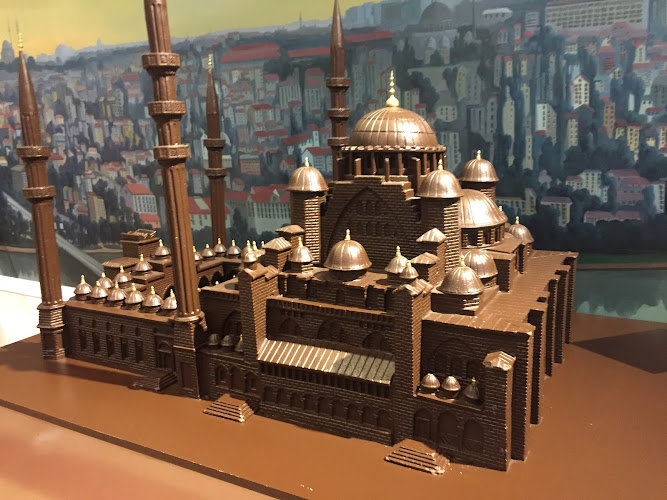
The Pelit Chocolate Museum is one of those places that sounds a little gimmicky on paper, and then somehow manages to surprise even the most skeptical traveler. It is a working chocolate factory and a museum rolled into one, and yes, everything that matters inside is made of chocolate. Not plastic. Not wax. Real chocolate. Tons of it. The museum showcases hundreds of figures, scenes, and landmarks sculpted with an almost obsessive level of detail, all created by Pelit’s in-house chocolate artists.
The experience leans heavily on visual storytelling. Visitors walk through themed sections that reference history, culture, architecture, and famous personalities. Some sculptures are playful and cartoonish, others surprisingly serious. There are moments where you catch yourself stepping closer, just to check if that column or statue is actually edible. It is. Mostly. But don’t touch. The staff are polite about it, but they’ve clearly seen things.
What makes this place stand out isn’t just the novelty of chocolate statues, though that alone is impressive. It’s the scale. Several tons of chocolate have been used here, kept at a carefully controlled temperature so nothing melts into a tragic cocoa puddle. The smell hits first. Rich, sweet, slightly bitter in places. For anyone who grew up associating chocolate with comfort or celebration, that scent does half the work emotionally.
The museum is popular with families, and it shows in the layout. Wide paths, clear signage, places to sit, and enough visual stimulation to keep kids engaged without overwhelming adults. But it’s not only for children. Adults who enjoy craftsmanship, food culture, or industrial art will find plenty to appreciate. And travelers interested in Turkey’s modern brands get a behind-the-scenes look at how a local chocolate company turned its factory into a cultural attraction.
That said, expectations matter. Some visitors walk in imagining a massive, world-class museum and leave slightly underwhelmed. Others come in expecting a quick stop and end up staying much longer than planned. It lands somewhere in between. Not perfect. But memorable. And honestly, how many museums let you end the visit with dessert?
Key Features
- Large-scale chocolate sculptures depicting historical figures, famous landmarks, and cultural scenes
- A factory-museum concept that blends art, food production, and brand history
- Climate-controlled exhibition halls to preserve chocolate artwork year-round
- Onsite restaurant and café serving chocolate-based desserts and meals
- Free parking and easy access for families and groups
- Wheelchair-accessible entrance, restrooms, and parking areas
- Kid-friendly layout with changing tables and open walking spaces
- Opportunities to observe chocolate-making processes in action
Best Time to Visit
The Pelit Chocolate Museum can technically be visited any time of year, and that’s part of its appeal. It’s fully indoors, climate-controlled, and blissfully immune to rain, heatwaves, or cold snaps. Still, some times are better than others, especially if you value personal space and photos without strangers drifting into every frame.
Weekday mornings tend to be the calmest. School groups usually arrive late morning or early afternoon, and weekends can feel busy, especially during school holidays. If you’ve ever tried to enjoy art while weaving around excited kids holding chocolate bars, you’ll understand why timing matters. And yes, they are excited. Chocolate does that.
For travelers visiting during peak tourist seasons, arriving right when the museum opens is a solid strategy. The exhibits feel more intimate, and the staff seem a little more relaxed, which oddly makes the whole experience better. Late afternoons can also work, but sometimes the café area gets crowded as people linger.
One personal note: visiting when you’re not starving helps. The smell of chocolate is wonderful for about ten minutes. After that, if you skipped lunch, it becomes mildly torturous. Plan accordingly.
How to Get There
The museum is located within an industrial area connected to Pelit’s production facilities, which means it’s not in a postcard-perfect tourist district. But getting there is straightforward. Most travelers choose to arrive by car or taxi, especially families or groups. There’s a free parking lot on site, which already puts it ahead of many urban attractions.
Public transportation is an option too, depending on where you’re staying. Buses and local transit routes serve the surrounding area, though you may need a short walk at the end. It’s not the kind of walk that ruins your day, but wear decent shoes. The area feels more functional than charming, and that’s fine. You’re here for chocolate, not street cafés.
For travelers relying on ride-hailing apps, the museum is well known and generally easy to locate. Drivers usually know it by name. And if they don’t, mentioning chocolate factory tends to clear things up quickly.
Tips for Visiting
First tip, and it’s an obvious one, but still: don’t rush. The museum isn’t huge, but it rewards slower walking. Some of the details are subtle, and the craftsmanship gets better the longer you look. There are tiny textures, facial expressions, architectural details that don’t jump out immediately.
Second, manage expectations. This is not a traditional history museum, and it’s not an interactive theme park either. It sits somewhere in the middle. If you come in expecting a playful, visually rich experience centered on chocolate art, you’ll likely leave happy. If you expect a deep educational journey, you might feel it’s a bit light.
Photography is allowed, and people take full advantage. Lighting is generally good, but chocolate is tricky to photograph. Dark surfaces, reflections, and warm tones can confuse phone cameras. If photos matter to you, take a moment to adjust settings or angles. And maybe wipe your lens. Chocolate smudges happen. I’m speaking from experience here.
Traveling with kids? Set boundaries early about what can and cannot be touched. The museum does a good job with signage, but excitement overrides reading skills pretty fast. The good news is that the café at the end provides a controlled outlet for all that chocolate-related anticipation.
Accessibility is handled well. Wide paths, accessible restrooms, and a generally flat layout make it comfortable for visitors with mobility needs. That’s not always the case with niche museums, so it’s worth mentioning.
Lastly, save room for the shop and café. It’s easy to dismiss them as an afterthought, but Pelit takes its chocolate seriously. Prices are reasonable for the quality, and the selection goes beyond basic bars. It’s also a practical place to pick up gifts that won’t scream last-minute souvenir.
The Pelit Chocolate Museum won’t change your life. But it might make your day sweeter, literally and figuratively. And sometimes, while traveling, that’s exactly enough.
Key Features
- Large-scale chocolate sculptures depicting historical figures, famous landmarks, and cultural scenes
- A factory-museum concept that blends art, food production, and brand history
- Climate-controlled exhibition halls to preserve chocolate artwork year-round
- Onsite restaurant and café serving chocolate-based desserts and meals
- Free parking and easy access for families and groups
- Wheelchair-accessible entrance, restrooms, and parking areas
- Kid-friendly layout with changing tables and open walking spaces
- Opportunities to observe chocolate-making processes in action
More Details
Updated December 31, 2025
Table of Contents
Description
The Pelit Chocolate Museum is one of those places that sounds a little gimmicky on paper, and then somehow manages to surprise even the most skeptical traveler. It is a working chocolate factory and a museum rolled into one, and yes, everything that matters inside is made of chocolate. Not plastic. Not wax. Real chocolate. Tons of it. The museum showcases hundreds of figures, scenes, and landmarks sculpted with an almost obsessive level of detail, all created by Pelit’s in-house chocolate artists.
The experience leans heavily on visual storytelling. Visitors walk through themed sections that reference history, culture, architecture, and famous personalities. Some sculptures are playful and cartoonish, others surprisingly serious. There are moments where you catch yourself stepping closer, just to check if that column or statue is actually edible. It is. Mostly. But don’t touch. The staff are polite about it, but they’ve clearly seen things.
What makes this place stand out isn’t just the novelty of chocolate statues, though that alone is impressive. It’s the scale. Several tons of chocolate have been used here, kept at a carefully controlled temperature so nothing melts into a tragic cocoa puddle. The smell hits first. Rich, sweet, slightly bitter in places. For anyone who grew up associating chocolate with comfort or celebration, that scent does half the work emotionally.
The museum is popular with families, and it shows in the layout. Wide paths, clear signage, places to sit, and enough visual stimulation to keep kids engaged without overwhelming adults. But it’s not only for children. Adults who enjoy craftsmanship, food culture, or industrial art will find plenty to appreciate. And travelers interested in Turkey’s modern brands get a behind-the-scenes look at how a local chocolate company turned its factory into a cultural attraction.
That said, expectations matter. Some visitors walk in imagining a massive, world-class museum and leave slightly underwhelmed. Others come in expecting a quick stop and end up staying much longer than planned. It lands somewhere in between. Not perfect. But memorable. And honestly, how many museums let you end the visit with dessert?
Key Features
- Large-scale chocolate sculptures depicting historical figures, famous landmarks, and cultural scenes
- A factory-museum concept that blends art, food production, and brand history
- Climate-controlled exhibition halls to preserve chocolate artwork year-round
- Onsite restaurant and café serving chocolate-based desserts and meals
- Free parking and easy access for families and groups
- Wheelchair-accessible entrance, restrooms, and parking areas
- Kid-friendly layout with changing tables and open walking spaces
- Opportunities to observe chocolate-making processes in action
Best Time to Visit
The Pelit Chocolate Museum can technically be visited any time of year, and that’s part of its appeal. It’s fully indoors, climate-controlled, and blissfully immune to rain, heatwaves, or cold snaps. Still, some times are better than others, especially if you value personal space and photos without strangers drifting into every frame.
Weekday mornings tend to be the calmest. School groups usually arrive late morning or early afternoon, and weekends can feel busy, especially during school holidays. If you’ve ever tried to enjoy art while weaving around excited kids holding chocolate bars, you’ll understand why timing matters. And yes, they are excited. Chocolate does that.
For travelers visiting during peak tourist seasons, arriving right when the museum opens is a solid strategy. The exhibits feel more intimate, and the staff seem a little more relaxed, which oddly makes the whole experience better. Late afternoons can also work, but sometimes the café area gets crowded as people linger.
One personal note: visiting when you’re not starving helps. The smell of chocolate is wonderful for about ten minutes. After that, if you skipped lunch, it becomes mildly torturous. Plan accordingly.
How to Get There
The museum is located within an industrial area connected to Pelit’s production facilities, which means it’s not in a postcard-perfect tourist district. But getting there is straightforward. Most travelers choose to arrive by car or taxi, especially families or groups. There’s a free parking lot on site, which already puts it ahead of many urban attractions.
Public transportation is an option too, depending on where you’re staying. Buses and local transit routes serve the surrounding area, though you may need a short walk at the end. It’s not the kind of walk that ruins your day, but wear decent shoes. The area feels more functional than charming, and that’s fine. You’re here for chocolate, not street cafés.
For travelers relying on ride-hailing apps, the museum is well known and generally easy to locate. Drivers usually know it by name. And if they don’t, mentioning chocolate factory tends to clear things up quickly.
Tips for Visiting
First tip, and it’s an obvious one, but still: don’t rush. The museum isn’t huge, but it rewards slower walking. Some of the details are subtle, and the craftsmanship gets better the longer you look. There are tiny textures, facial expressions, architectural details that don’t jump out immediately.
Second, manage expectations. This is not a traditional history museum, and it’s not an interactive theme park either. It sits somewhere in the middle. If you come in expecting a playful, visually rich experience centered on chocolate art, you’ll likely leave happy. If you expect a deep educational journey, you might feel it’s a bit light.
Photography is allowed, and people take full advantage. Lighting is generally good, but chocolate is tricky to photograph. Dark surfaces, reflections, and warm tones can confuse phone cameras. If photos matter to you, take a moment to adjust settings or angles. And maybe wipe your lens. Chocolate smudges happen. I’m speaking from experience here.
Traveling with kids? Set boundaries early about what can and cannot be touched. The museum does a good job with signage, but excitement overrides reading skills pretty fast. The good news is that the café at the end provides a controlled outlet for all that chocolate-related anticipation.
Accessibility is handled well. Wide paths, accessible restrooms, and a generally flat layout make it comfortable for visitors with mobility needs. That’s not always the case with niche museums, so it’s worth mentioning.
Lastly, save room for the shop and café. It’s easy to dismiss them as an afterthought, but Pelit takes its chocolate seriously. Prices are reasonable for the quality, and the selection goes beyond basic bars. It’s also a practical place to pick up gifts that won’t scream last-minute souvenir.
The Pelit Chocolate Museum won’t change your life. But it might make your day sweeter, literally and figuratively. And sometimes, while traveling, that’s exactly enough.
Key Highlights
- Large-scale chocolate sculptures depicting historical figures, famous landmarks, and cultural scenes
- A factory-museum concept that blends art, food production, and brand history
- Climate-controlled exhibition halls to preserve chocolate artwork year-round
- Onsite restaurant and café serving chocolate-based desserts and meals
- Free parking and easy access for families and groups
- Wheelchair-accessible entrance, restrooms, and parking areas
- Kid-friendly layout with changing tables and open walking spaces
- Opportunities to observe chocolate-making processes in action
Location
Places to Stay Near Pelit Chocolate Museum
Find and Book a Tour
Explore More Travel Guides
No reviews found! Be the first to review!
Traveler Reviews for Pelit Chocolate Museum
There are no reviews yet. Be the first one to write one.
Have you visited Pelit Chocolate Museum? Help other travelers by sharing your review.
You Might Also Like

Dede Korkut Park

İskenderun Monument Square
Recep Tayyip Erdogan Park
Find Accommodations Nearby
Recommended Tours & Activities
Visitor Reviews
There are no reviews yet. Be the first one to write one.
Share Your Experience
Have you visited Pelit Chocolate Museum? Help other travelers by leaving a review.