
Paysandu Cemetery
About Paysandu Cemetery
Description
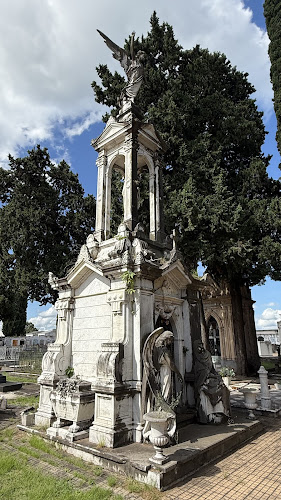
Paysandu Cemetery in Paysandú, Uruguay, simply called “el Cementerio” by many locals or “Monumento a la Perpetuidad”, is one of those rare places where the echoes of history actually rise up to meet you at every step. It's not just another cemetery—this place is woven straight into the city’s story, a real landmark for Paysandú and, to my surprise on my first visit, an open-air museum showcasing nearly two centuries of local culture, art, and personal tales.
First established in the 1830s and finished by the early 1850s, the Paysandu Cemetery stands not only as a final resting place but also as a monument (literally and figuratively) to the community’s resilience, diversity, and creativity. If you ask me, cemeteries like this are much more than rows of old stones—they’re time capsules. Walking beneath the porte-cochère, you’ll notice those Corinthian columns holding the heavy capital, which oddly reminds me of European cemeteries I’ve wandered in Italy. This design isn’t a coincidence; Italian and Spanish artisans left their mark all over Paysandú’s cementerio, and oh, it shows.
The entrance is dramatic, almost theatrical, complete with sculptures of angels carved from marble (Carrara marble, if you’re an art nerd like me) and a touch of Uruguayan bravado. The air is usually thick with the cooing of doves that dwell among the rooftop statues, and, honestly, you might feel your footsteps on the small stones echoing a little more loudly than usual—everything just feels weightier under the watch of those stone figures.
While most travelers wouldn’t think to make the Paysandu Cemetery a must-visit destination on their Uruguay itinerary, those interested in heritage, sculpture, or off-the-beaten-path spots will be in for a surprise. This place is accessible—with a wheelchair-friendly entrance and designated parking—so more visitors can take in the blend of solemn beauty and historical grandeur. And it’s not just about the architecture; Paysandu Cemetery is also a national historical monument, and, like every great historical site, it has its fair share of somber, stirring, and just plain odd stories. If you’re the curious type, you’ll find pieces of social history in every terrazzo mausoleum, every bronze medallion. It’s easy to lose an hour or two wandering and wondering.
You’ll come across sepulchers of the fallen who defended Paysandú (paysandú defense battles—December 1864 through January 1865, if you’re a history buff). You’ll see resting places of philanthropists, teachers who forged Paysandú, markers left by Freemasons (spot the signs if you’re keen-eyed), and works of art and architectural constructions crafted by celebrated artists like Giovanni del Vecchio de Morelli, Francisco Poncini, or the family of General Francia. There’s nearly always something to adore, ponder, or maybe photograph—with the sunlight painting everything gold.
Stepping away from the grand monuments and angelic statues, though, I was genuinely struck by the quieter corners. Some niches carry nothing more than a family name and a single year, simplicity reminiscent of past centuries. And you know what else? You can’t help but get caught up imagining the lives—not just the deaths—recorded here. This is the real Paysandú, lived and remembered. In a city known for its history and river culture, the cemetery stands out with its rich cultural heritage and artistry—breathtaking, but never ostentatious.
Key Features
- Architectural highlights: The main portico greets with imposing Corinthian columns; throughout the grounds you’ll see mausoleums in a patchwork of styles, from Art Deco to Neo-Gothic and beyond.
- Monument to Perpetuity: The cemetery’s name isn’t accidental—this landmark is officially recognized as a national historical monument and is closely tied to Paysandú’s defense and city pride.
- Eye-catching sculptures: Angels, lions, and other magnificent sculptures adorn many of the burial niches and tombs. Some, carved in fine Carrara marble, are true works of art.
- Resting places of notables: You’ll find tombs and sepulchers belonging to major figures—teachers, artists (like Giovanni del Vecchio), and those who made a lasting impact on Paysandú’s culture and legacy.
- Battle histories embedded in stone: The sepulchers of the fallen in the Paysandú defense battles during the siege and defeat of the city (1864–65) are poignant, with symbolism and inscriptions that invite reflection.
- Open-air art museum vibe: This isn’t just a graveyard. The array of bronze and marble masterpieces, historic iron gates, and creative personal memorials turn the place into an atmospheric outdoor gallery.
- Accessibility: Wheelchair-friendly entrance and parking lot, making it comfortable to visit for almost anyone.
- Local traditions & symbolism: Keep an eye out for Freemasonry symbols, Catholic and non-Catholic sections, and funerary art rich in symbolism (lambs, broken columns, and more).
- Tranquil setting: The serene atmosphere offers a reflective break from the bustle of downtown Paysandú; with doves cooing, mature trees, and sunlight streaming through, it can quickly become a place to gather your thoughts.
- Photography & learning: Both professional and amateur photographers find inspiration here, and guided tours are sometimes available for those wanting deeper stories behind the faces and names.
Best Time to Visit
Right, so—let's tackle the big question: Paysandu on your mind? If you’re thinking of dropping by, the weather can play a big part in your experience. Paysandú gets pretty warm and a bit humid in the summer months (think January through March). That’s when you’ll get long days and blue skies, with highs often in the upper 80s °F (30°C-ish), which can make a midday stroll pretty toasty.
Locals will tell you that the most pleasant season is usually between late March and early May, or September to November. These months offer milder temperatures, perfect for wandering through the cemetery without breaking too much of a sweat under the South American sun. If you happen to visit in the Uruguayan winter (June–August), expect cooler, often overcast weather. It can be a bit gloomy, which—depending on your aesthetic—might lend even more atmosphere to those marble angels and mossy tombs.
Pro-tip for travelers: visit in the early morning or later in the afternoon. That’s when the sunlight is golden, shadows are long, and the whole site takes on an almost magical sheen. Also, avoid visiting on Uruguayan public holidays, as some families use the cemetery as a gathering place and it can get crowded, especially on Día de los Difuntos (November 2nd).
How to Get There
Alright, let’s cut to the chase: how does one actually reach the Paysandu Cemetery if you’re new to the area? The cemetery sits a little bit outside the downtown core, in the Colón neighborhood—close enough that you don’t need to rent a car, but far enough that you probably wouldn’t want to walk from Plaza Constitución (unless you love long strolls and random city scenery like I do).
By public transport: Several local buses run toward Colón from central Paysandú. Ask anyone at your hotel or a downtown café for the next bus passing by the “cementerio”—the drivers know it well. Tickets are cheap and schedules are reliably frequent, except on Sundays and holidays when service can thin out.
By taxi or rideshare: Hailing a cab is easy in the city center—just tell the driver “Cementerio Colón” and they’ll get you there in minutes. Rideshare apps have made their way to Paysandú, though coverage can be patchy depending on the time of day or if it’s siesta time.
By car/bike: If you’re adventurous (or just have a rental car), the cemetery is a quick drive via Avenida Colón. Parking is straightforward, with a dedicated lot for visitors that includes wheelchair-accessible spaces near the entrance.
On foot: If you want the full local experience and some fresh air, you can definitely walk—it's about 20-25 minutes from the city center, and you’ll catch plenty of glimpses into Paysandú life along the way. Just watch your step, some sidewalks can be, shall we say, “well-aged”.
Tips for Visiting
- Take your time: Don’t rush. The beauty of Paysandu Cemetery is found in the slow details—the inscriptions in Spanish and Italian, the subtle signs of freemasonry, or the way the light slips over Carrara marble sculptures.
- Show respect: This is still an active cemetery. Locals come here to remember loved ones, so keep your voice low, stay on marked paths, and don’t touch memorials or decorations.
- Photography etiquette: It’s a top spot for unique, moving photos—but always be tasteful. Avoid photographing mourners, funerals, or fresh flowers unless you have explicit permission.
- Bring water and sun protection: Uruguay’s sun is no joke! The open parts of the cemetery offer little shade; hats, sunglasses, and water will make your visit way more comfortable.
- Guided tours: If you can join a guided tour (sometimes arranged through the local museo or tourism office), you’ll learn tons more about the city’s fascinating past—and likely spot details you’d otherwise miss.
- Wheelchair accessibility: The entrance and main paths are accessible, but a few older sections have uneven cobblestones and steps. If you have mobility concerns, plan your route accordingly.
- Look for unique memorials: Some of the most touching sites are simple graves for teachers or artisans who shaped Paysandú. I was especially moved by a tombstone that only read “Maestro”—a reminder that this city remembers its educators as much as its generals.
- Plan for quiet reflection: There’s something meditative about Paysandu Cemetery—it’s a brilliant place to unplug and just think (or sketch, or journal, if you’re into that!).
- Check opening hours: Opening and closing times can shift a bit especially in winter. Don’t arrive too late in the afternoon or you’ll risk missing out.
- Follow the local customs: Paysandú is a friendly place, but always ask before joining a group or photographing anything that seems particularly sacred or personal.
In my honest, slightly rambling opinion, a visit to the Paysandu Cemetery holds up against the more typical tourist places to visit in Uruguay if you’re craving a bit of history, culture, and quiet beauty. Sure, you might get some funny looks when you tell your friends you’re vacationing at a cemetery, but that’s half the fun, isn’t it? It’s the kind of spot you remember long after the trip is done.
Key Features
- Key Features
- Best Time to Visit
- How to Get There
- Tips for Visiting
More Details
Updated August 7, 2025
Table of Contents
Description
Paysandu Cemetery in Paysandú, Uruguay, simply called “el Cementerio” by many locals or “Monumento a la Perpetuidad”, is one of those rare places where the echoes of history actually rise up to meet you at every step. It’s not just another cemetery—this place is woven straight into the city’s story, a real landmark for Paysandú and, to my surprise on my first visit, an open-air museum showcasing nearly two centuries of local culture, art, and personal tales.
First established in the 1830s and finished by the early 1850s, the Paysandu Cemetery stands not only as a final resting place but also as a monument (literally and figuratively) to the community’s resilience, diversity, and creativity. If you ask me, cemeteries like this are much more than rows of old stones—they’re time capsules. Walking beneath the porte-cochère, you’ll notice those Corinthian columns holding the heavy capital, which oddly reminds me of European cemeteries I’ve wandered in Italy. This design isn’t a coincidence; Italian and Spanish artisans left their mark all over Paysandú’s cementerio, and oh, it shows.
The entrance is dramatic, almost theatrical, complete with sculptures of angels carved from marble (Carrara marble, if you’re an art nerd like me) and a touch of Uruguayan bravado. The air is usually thick with the cooing of doves that dwell among the rooftop statues, and, honestly, you might feel your footsteps on the small stones echoing a little more loudly than usual—everything just feels weightier under the watch of those stone figures.
While most travelers wouldn’t think to make the Paysandu Cemetery a must-visit destination on their Uruguay itinerary, those interested in heritage, sculpture, or off-the-beaten-path spots will be in for a surprise. This place is accessible—with a wheelchair-friendly entrance and designated parking—so more visitors can take in the blend of solemn beauty and historical grandeur. And it’s not just about the architecture; Paysandu Cemetery is also a national historical monument, and, like every great historical site, it has its fair share of somber, stirring, and just plain odd stories. If you’re the curious type, you’ll find pieces of social history in every terrazzo mausoleum, every bronze medallion. It’s easy to lose an hour or two wandering and wondering.
You’ll come across sepulchers of the fallen who defended Paysandú (paysandú defense battles—December 1864 through January 1865, if you’re a history buff). You’ll see resting places of philanthropists, teachers who forged Paysandú, markers left by Freemasons (spot the signs if you’re keen-eyed), and works of art and architectural constructions crafted by celebrated artists like Giovanni del Vecchio de Morelli, Francisco Poncini, or the family of General Francia. There’s nearly always something to adore, ponder, or maybe photograph—with the sunlight painting everything gold.
Stepping away from the grand monuments and angelic statues, though, I was genuinely struck by the quieter corners. Some niches carry nothing more than a family name and a single year, simplicity reminiscent of past centuries. And you know what else? You can’t help but get caught up imagining the lives—not just the deaths—recorded here. This is the real Paysandú, lived and remembered. In a city known for its history and river culture, the cemetery stands out with its rich cultural heritage and artistry—breathtaking, but never ostentatious.
Key Features
- Architectural highlights: The main portico greets with imposing Corinthian columns; throughout the grounds you’ll see mausoleums in a patchwork of styles, from Art Deco to Neo-Gothic and beyond.
- Monument to Perpetuity: The cemetery’s name isn’t accidental—this landmark is officially recognized as a national historical monument and is closely tied to Paysandú’s defense and city pride.
- Eye-catching sculptures: Angels, lions, and other magnificent sculptures adorn many of the burial niches and tombs. Some, carved in fine Carrara marble, are true works of art.
- Resting places of notables: You’ll find tombs and sepulchers belonging to major figures—teachers, artists (like Giovanni del Vecchio), and those who made a lasting impact on Paysandú’s culture and legacy.
- Battle histories embedded in stone: The sepulchers of the fallen in the Paysandú defense battles during the siege and defeat of the city (1864–65) are poignant, with symbolism and inscriptions that invite reflection.
- Open-air art museum vibe: This isn’t just a graveyard. The array of bronze and marble masterpieces, historic iron gates, and creative personal memorials turn the place into an atmospheric outdoor gallery.
- Accessibility: Wheelchair-friendly entrance and parking lot, making it comfortable to visit for almost anyone.
- Local traditions & symbolism: Keep an eye out for Freemasonry symbols, Catholic and non-Catholic sections, and funerary art rich in symbolism (lambs, broken columns, and more).
- Tranquil setting: The serene atmosphere offers a reflective break from the bustle of downtown Paysandú; with doves cooing, mature trees, and sunlight streaming through, it can quickly become a place to gather your thoughts.
- Photography & learning: Both professional and amateur photographers find inspiration here, and guided tours are sometimes available for those wanting deeper stories behind the faces and names.
Best Time to Visit
Right, so—let’s tackle the big question: Paysandu on your mind? If you’re thinking of dropping by, the weather can play a big part in your experience. Paysandú gets pretty warm and a bit humid in the summer months (think January through March). That’s when you’ll get long days and blue skies, with highs often in the upper 80s °F (30°C-ish), which can make a midday stroll pretty toasty.
Locals will tell you that the most pleasant season is usually between late March and early May, or September to November. These months offer milder temperatures, perfect for wandering through the cemetery without breaking too much of a sweat under the South American sun. If you happen to visit in the Uruguayan winter (June–August), expect cooler, often overcast weather. It can be a bit gloomy, which—depending on your aesthetic—might lend even more atmosphere to those marble angels and mossy tombs.
Pro-tip for travelers: visit in the early morning or later in the afternoon. That’s when the sunlight is golden, shadows are long, and the whole site takes on an almost magical sheen. Also, avoid visiting on Uruguayan public holidays, as some families use the cemetery as a gathering place and it can get crowded, especially on Día de los Difuntos (November 2nd).
How to Get There
Alright, let’s cut to the chase: how does one actually reach the Paysandu Cemetery if you’re new to the area? The cemetery sits a little bit outside the downtown core, in the Colón neighborhood—close enough that you don’t need to rent a car, but far enough that you probably wouldn’t want to walk from Plaza Constitución (unless you love long strolls and random city scenery like I do).
By public transport: Several local buses run toward Colón from central Paysandú. Ask anyone at your hotel or a downtown café for the next bus passing by the “cementerio”—the drivers know it well. Tickets are cheap and schedules are reliably frequent, except on Sundays and holidays when service can thin out.
By taxi or rideshare: Hailing a cab is easy in the city center—just tell the driver “Cementerio Colón” and they’ll get you there in minutes. Rideshare apps have made their way to Paysandú, though coverage can be patchy depending on the time of day or if it’s siesta time.
By car/bike: If you’re adventurous (or just have a rental car), the cemetery is a quick drive via Avenida Colón. Parking is straightforward, with a dedicated lot for visitors that includes wheelchair-accessible spaces near the entrance.
On foot: If you want the full local experience and some fresh air, you can definitely walk—it’s about 20-25 minutes from the city center, and you’ll catch plenty of glimpses into Paysandú life along the way. Just watch your step, some sidewalks can be, shall we say, “well-aged”.
Tips for Visiting
- Take your time: Don’t rush. The beauty of Paysandu Cemetery is found in the slow details—the inscriptions in Spanish and Italian, the subtle signs of freemasonry, or the way the light slips over Carrara marble sculptures.
- Show respect: This is still an active cemetery. Locals come here to remember loved ones, so keep your voice low, stay on marked paths, and don’t touch memorials or decorations.
- Photography etiquette: It’s a top spot for unique, moving photos—but always be tasteful. Avoid photographing mourners, funerals, or fresh flowers unless you have explicit permission.
- Bring water and sun protection: Uruguay’s sun is no joke! The open parts of the cemetery offer little shade; hats, sunglasses, and water will make your visit way more comfortable.
- Guided tours: If you can join a guided tour (sometimes arranged through the local museo or tourism office), you’ll learn tons more about the city’s fascinating past—and likely spot details you’d otherwise miss.
- Wheelchair accessibility: The entrance and main paths are accessible, but a few older sections have uneven cobblestones and steps. If you have mobility concerns, plan your route accordingly.
- Look for unique memorials: Some of the most touching sites are simple graves for teachers or artisans who shaped Paysandú. I was especially moved by a tombstone that only read “Maestro”—a reminder that this city remembers its educators as much as its generals.
- Plan for quiet reflection: There’s something meditative about Paysandu Cemetery—it’s a brilliant place to unplug and just think (or sketch, or journal, if you’re into that!).
- Check opening hours: Opening and closing times can shift a bit especially in winter. Don’t arrive too late in the afternoon or you’ll risk missing out.
- Follow the local customs: Paysandú is a friendly place, but always ask before joining a group or photographing anything that seems particularly sacred or personal.
In my honest, slightly rambling opinion, a visit to the Paysandu Cemetery holds up against the more typical tourist places to visit in Uruguay if you’re craving a bit of history, culture, and quiet beauty. Sure, you might get some funny looks when you tell your friends you’re vacationing at a cemetery, but that’s half the fun, isn’t it? It’s the kind of spot you remember long after the trip is done.
Key Highlights
- Key Features
- Best Time to Visit
- How to Get There
- Tips for Visiting
Location
Places to Stay Near Paysandu Cemetery
Find and Book a Tour
Explore More Travel Guides
No reviews found! Be the first to review!
Traveler Reviews for Paysandu Cemetery
There are no reviews yet. Be the first one to write one.
Have you visited Paysandu Cemetery? Help other travelers by sharing your review.
You Might Also Like
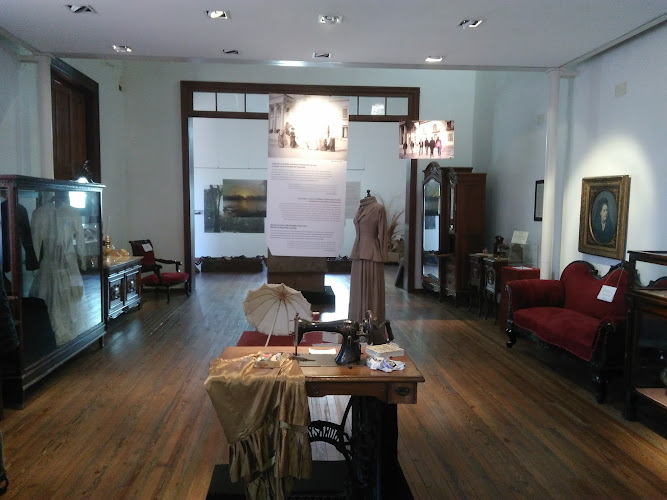
Museo Histórico
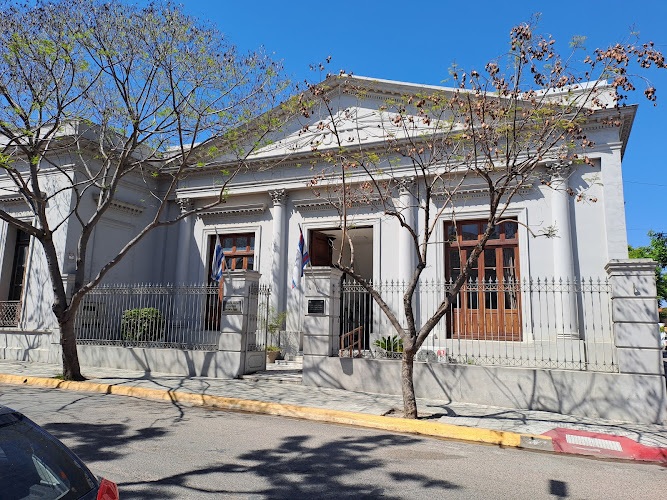
Casa de cultura

Hotel Lobato
Find Accommodations Nearby
Recommended Tours & Activities
Visitor Reviews
There are no reviews yet. Be the first one to write one.
Share Your Experience
Have you visited Paysandu Cemetery? Help other travelers by leaving a review.