
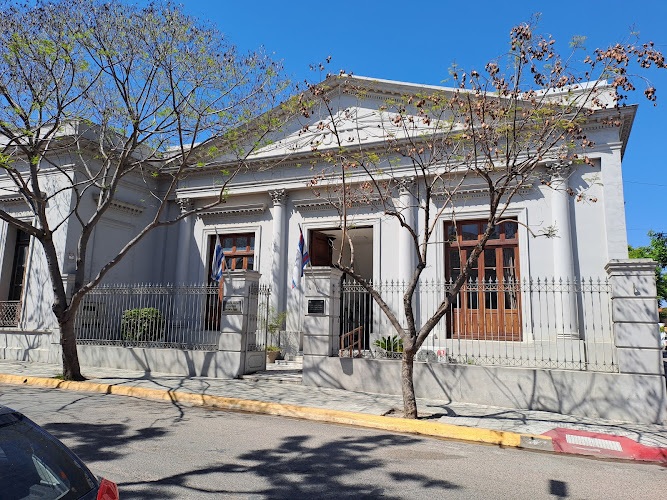
Casa de cultura
About Casa de cultura
Description
Casa de cultura stands as a unique attraction in Paysandú, Uruguay, serving as a central hub for art, education, and community life. It is not your typical stuffy museum or a place where you’re just supposed to stand quietly and shuffle along with a crowd. Stepping into Casa de cultura, you’ll notice right off—there’s an informal energy, with locals, travelers, families, and students mingling over exhibitions, workshops, and live events. To me, and plenty of others who’ve wandered in, it’s the kind of spot where curiosity actually feels welcome.
What’s fascinating here isn’t just what hangs on the walls, but the living, breathing sense of local culture you’ll catch in the air. Whether you’re passionate about history, hungry for contemporary art, or just nosy about what makes Paysandú tick, there’s a good chance you’ll leave Casa de cultura with unexpected insight or inspiration. While many cultural centers manage to feel a little out-of-reach, this place goes out of its way to be accessible for all. People of every age and ability are genuinely encouraged to explore the building and programs, which you can tell by the thoughtful layout and wheelchair-friendly facilities.
I once fell into a casual conversation here with a sculptor setting up her exhibit, and before I knew it, I was invited back for an impromptu clay workshop. That’s a snapshot of the spirit here—the sense of discovery isn’t manufactured. You’ll see this reflected in local reviews: yes, some folks have gripes, but most praise the organization’s commitment to inclusivity and dynamic range of programming. From classical music nights and poetry slams to hands-on craft classes and rotating art shows, you never know what’s next on the schedule. For anyone hoping to catch Paysandú’s creative pulse, Casa de cultura is worth a detour.
Key Features
- Rich Calendar of Events: There’s always something on, whether a gallery opening, music recital, dance workshop, or guest lecture. If you want a cultural experience beyond just looking at things, this is where to dive in.
- Exhibitions That Highlight Local and Regional Art: Focusing on works by Uruguayan artists, the exhibitions are constantly updated, with a healthy mix of paintings, sculpture, photography, and multimedia. You might stumble upon displays with homemade crafts or contemporary installations that spark a conversation—sometimes heated!
- Event Hosting & Large-Group Friendly: If you’re traveling with a group (think: school tours, study-abroad, or big traveling clans), Casa de cultura makes it pretty hassle-free to coordinate visits. Facilities can accommodate larger gatherings, and staff are accustomed to helping folks arrange guided tours or special activities for events.
- Accessibility: Wheelchair-accessible entrance, parking, and restrooms mean that every guest can participate fully—something not to take for granted in historic buildings in Uruguay.
- Restroom Facilities: Clean and maintained, the restrooms add to the visitor comfort—especially important if you’re corralling little ones or spending a full afternoon in workshops.
- Advance Tickets Recommended: On busy days or during high-profile events, snagging tickets in advance is a smart move. The place has gained popularity among both tourists and locals, so planning ahead helps dodge disappointment.
- Parking Options: There’s a wheelchair-accessible parking lot right at the venue, and street parking available nearby. Unlike some downtown spots where parking is mythical, you usually won’t circle endlessly here, but do check timings on weekdays.
- Community Engagement: You’ll often meet folks who frequent Casa de cultura not just as audience, but as participants—signing up for courses, volunteering, or teaching. If you fancy finding an authentic slice of everyday Paysandú life, this is a good place to start conversations.
Best Time to Visit
Planning the perfect visit to Casa de cultura depends a bit on what you’re after. If you want a mellow, contemplative visit—maybe you’re into journaling or sketching in a quiet corner—midweek mornings tend to be the calmest. I’ve found visiting on a Wednesday at 10am is almost meditative; you can really soak in the exhibits without feeling rushed or crowded.
On the flip side, if you crave the energy of a crowd, head over in the later afternoon or early evening, especially Thursdays or Fridays. that’s when the larger events or gallery openings seem to draw more buzz. I once wandered in on a Friday around 6pm and caught a surprise tango performance in the central patio, surrounded by clapping locals—absolutely one of those core travel memories.
If you want a shot at the most diverse programming (and maybe the best people-watching), try aligning your trip with local holidays or festivals, when Casa de cultura often rolls out special events and unique exhibitions. Summertime (December to February in Uruguay) means longer daylight hours and sometimes outdoor workshops or concerts in the plaza nearby, while the off-season can be a treasure for quieter exploration.
Here’s my tip: check local listings or the official event schedule before you set your dates, since exhibitions and performances rotate regularly. Some limited-seat workshops fill up fast, so booking in advance is wise. And if you’re the spontaneous type, don’t sweat it—there’s usually something going on that’ll catch your interest, but arriving early gives you the best choices.
How to Get There
One question I get from fellow travelers is—how are you supposed to find this place? Good news: Casa de cultura is right in the heart of Paysandú, which is a fairly walkable city if you’re staying centrally. You won’t need to trek through endless side streets; it’s centrally located, close to major landmarks and city services. If you’re hoofing it from a hotel or hostel in downtown, you can honestly stroll over in 10-15 minutes, depending on how distracted you are by bakery windows (Uruguay’s pastries—just saying).
Taking a bus? Local city buses will drop you just a few blocks away. Taxi service is also readily available—just double-check the fare with your driver. If you’re driving yourself, parking is pretty straightforward; the venue offers parking options including an accessible lot, and there are public parking spaces along the surrounding streets. For large tour groups, coordinating with the staff ahead of time can make unloading and entry pretty smooth.
Coming from farther afield? Paysandú is on several national bus routes, and the main terminal isn’t far from Casa de cultura. You might want to grab a city map or download directions if your Spanish isn’t sharp, but locals are more than happy to point you toward the center’s distinctive facade. One thing I learned quickly: Uruguayans love to help a lost tourist, sometimes too enthusiastically, so you’ll never be adrift for long.
Tips for Visiting
- Book Advance Tickets for Popular Events: Some exhibitions and performances are so popular that they sell out well ahead. If you’re set on a certain event, get those tickets as soon as they’re announced. Otherwise, walk-ins are generally okay on regular days.
- Check the Schedule Online or at the Entrance: I’ve been caught off-guard when a room was closed for a private event—schedules change, so a last-minute look saves you a headache.
- Arrive Early for Workshops or Kids’ Programs: Interactive events and kids’ activities can fill up. Early birds not only get a spot but sometimes more attention from instructors.
- Accessible for All: Wheelchair users and families with strollers will find the building friendly—don’t stress about mobility here. Staff are helpful if you need anything extra.
- Large Groups Should Contact Ahead: If you’re part of a tour, school group, or just a big family outing, a quick call or email to staff makes your visit easier. They can arrange guides or help coordinate your group’s needs.
- Parking is Decent, but Watch for Events: On normal days you’ll often find parking, but when there’s a major event or festival, arrive early or use public transport if possible.
- Photography Policies: Taking photos for personal use is usually fine, but always check signs or ask before snapping away—some art displays have copyright restrictions.
- Bring Some Cash: Uruguay is leaning into digital payments, but a few workshops or local craft stalls prefer cash—grab some pesos ahead of time.
- Don’t Skip the Small Rooms: Some of the coolest surprises are in the side halls or mini-galleries. I found a miniature puppet theater tucked away that was pure magic.
- Engage Locals and Staff: Strike up a chat—they’re passionate about the place and might tip you off to an upcoming gem or a tucked-away eatery nearby. Last time, I discovered a family-run café around the corner that’s not on any map, thanks to a friendly staffer.
To sum up, Casa de cultura is more than a place to pass an hour—it's where the everyday and the extraordinary blend. Whether you're in Paysandú for a day or a week, don’t miss the chance to experience the creativity, energy, and welcoming spirit that this remarkable cultural center offers. From practical amenities to genuine local encounters, it stands out among Uruguay’s attractions for both travelers seeking something authentic and those who like their museums with a side of surprise.
Key Features
- 19th-century historic mansion setting
- Rotating visual art exhibitions featuring local artists
- Workshops and classes in music, theatre and visual arts
- Community-oriented events and cultural programming
- Central location near downtown Paysandú landmarks
More Details
Updated August 7, 2025
Table of Contents
Description
Casa de cultura stands as a unique attraction in Paysandú, Uruguay, serving as a central hub for art, education, and community life. It is not your typical stuffy museum or a place where you’re just supposed to stand quietly and shuffle along with a crowd. Stepping into Casa de cultura, you’ll notice right off—there’s an informal energy, with locals, travelers, families, and students mingling over exhibitions, workshops, and live events. To me, and plenty of others who’ve wandered in, it’s the kind of spot where curiosity actually feels welcome.
What’s fascinating here isn’t just what hangs on the walls, but the living, breathing sense of local culture you’ll catch in the air. Whether you’re passionate about history, hungry for contemporary art, or just nosy about what makes Paysandú tick, there’s a good chance you’ll leave Casa de cultura with unexpected insight or inspiration. While many cultural centers manage to feel a little out-of-reach, this place goes out of its way to be accessible for all. People of every age and ability are genuinely encouraged to explore the building and programs, which you can tell by the thoughtful layout and wheelchair-friendly facilities.
I once fell into a casual conversation here with a sculptor setting up her exhibit, and before I knew it, I was invited back for an impromptu clay workshop. That’s a snapshot of the spirit here—the sense of discovery isn’t manufactured. You’ll see this reflected in local reviews: yes, some folks have gripes, but most praise the organization’s commitment to inclusivity and dynamic range of programming. From classical music nights and poetry slams to hands-on craft classes and rotating art shows, you never know what’s next on the schedule. For anyone hoping to catch Paysandú’s creative pulse, Casa de cultura is worth a detour.
Key Features
- Rich Calendar of Events: There’s always something on, whether a gallery opening, music recital, dance workshop, or guest lecture. If you want a cultural experience beyond just looking at things, this is where to dive in.
- Exhibitions That Highlight Local and Regional Art: Focusing on works by Uruguayan artists, the exhibitions are constantly updated, with a healthy mix of paintings, sculpture, photography, and multimedia. You might stumble upon displays with homemade crafts or contemporary installations that spark a conversation—sometimes heated!
- Event Hosting & Large-Group Friendly: If you’re traveling with a group (think: school tours, study-abroad, or big traveling clans), Casa de cultura makes it pretty hassle-free to coordinate visits. Facilities can accommodate larger gatherings, and staff are accustomed to helping folks arrange guided tours or special activities for events.
- Accessibility: Wheelchair-accessible entrance, parking, and restrooms mean that every guest can participate fully—something not to take for granted in historic buildings in Uruguay.
- Restroom Facilities: Clean and maintained, the restrooms add to the visitor comfort—especially important if you’re corralling little ones or spending a full afternoon in workshops.
- Advance Tickets Recommended: On busy days or during high-profile events, snagging tickets in advance is a smart move. The place has gained popularity among both tourists and locals, so planning ahead helps dodge disappointment.
- Parking Options: There’s a wheelchair-accessible parking lot right at the venue, and street parking available nearby. Unlike some downtown spots where parking is mythical, you usually won’t circle endlessly here, but do check timings on weekdays.
- Community Engagement: You’ll often meet folks who frequent Casa de cultura not just as audience, but as participants—signing up for courses, volunteering, or teaching. If you fancy finding an authentic slice of everyday Paysandú life, this is a good place to start conversations.
Best Time to Visit
Planning the perfect visit to Casa de cultura depends a bit on what you’re after. If you want a mellow, contemplative visit—maybe you’re into journaling or sketching in a quiet corner—midweek mornings tend to be the calmest. I’ve found visiting on a Wednesday at 10am is almost meditative; you can really soak in the exhibits without feeling rushed or crowded.
On the flip side, if you crave the energy of a crowd, head over in the later afternoon or early evening, especially Thursdays or Fridays. that’s when the larger events or gallery openings seem to draw more buzz. I once wandered in on a Friday around 6pm and caught a surprise tango performance in the central patio, surrounded by clapping locals—absolutely one of those core travel memories.
If you want a shot at the most diverse programming (and maybe the best people-watching), try aligning your trip with local holidays or festivals, when Casa de cultura often rolls out special events and unique exhibitions. Summertime (December to February in Uruguay) means longer daylight hours and sometimes outdoor workshops or concerts in the plaza nearby, while the off-season can be a treasure for quieter exploration.
Here’s my tip: check local listings or the official event schedule before you set your dates, since exhibitions and performances rotate regularly. Some limited-seat workshops fill up fast, so booking in advance is wise. And if you’re the spontaneous type, don’t sweat it—there’s usually something going on that’ll catch your interest, but arriving early gives you the best choices.
How to Get There
One question I get from fellow travelers is—how are you supposed to find this place? Good news: Casa de cultura is right in the heart of Paysandú, which is a fairly walkable city if you’re staying centrally. You won’t need to trek through endless side streets; it’s centrally located, close to major landmarks and city services. If you’re hoofing it from a hotel or hostel in downtown, you can honestly stroll over in 10-15 minutes, depending on how distracted you are by bakery windows (Uruguay’s pastries—just saying).
Taking a bus? Local city buses will drop you just a few blocks away. Taxi service is also readily available—just double-check the fare with your driver. If you’re driving yourself, parking is pretty straightforward; the venue offers parking options including an accessible lot, and there are public parking spaces along the surrounding streets. For large tour groups, coordinating with the staff ahead of time can make unloading and entry pretty smooth.
Coming from farther afield? Paysandú is on several national bus routes, and the main terminal isn’t far from Casa de cultura. You might want to grab a city map or download directions if your Spanish isn’t sharp, but locals are more than happy to point you toward the center’s distinctive facade. One thing I learned quickly: Uruguayans love to help a lost tourist, sometimes too enthusiastically, so you’ll never be adrift for long.
Tips for Visiting
- Book Advance Tickets for Popular Events: Some exhibitions and performances are so popular that they sell out well ahead. If you’re set on a certain event, get those tickets as soon as they’re announced. Otherwise, walk-ins are generally okay on regular days.
- Check the Schedule Online or at the Entrance: I’ve been caught off-guard when a room was closed for a private event—schedules change, so a last-minute look saves you a headache.
- Arrive Early for Workshops or Kids’ Programs: Interactive events and kids’ activities can fill up. Early birds not only get a spot but sometimes more attention from instructors.
- Accessible for All: Wheelchair users and families with strollers will find the building friendly—don’t stress about mobility here. Staff are helpful if you need anything extra.
- Large Groups Should Contact Ahead: If you’re part of a tour, school group, or just a big family outing, a quick call or email to staff makes your visit easier. They can arrange guides or help coordinate your group’s needs.
- Parking is Decent, but Watch for Events: On normal days you’ll often find parking, but when there’s a major event or festival, arrive early or use public transport if possible.
- Photography Policies: Taking photos for personal use is usually fine, but always check signs or ask before snapping away—some art displays have copyright restrictions.
- Bring Some Cash: Uruguay is leaning into digital payments, but a few workshops or local craft stalls prefer cash—grab some pesos ahead of time.
- Don’t Skip the Small Rooms: Some of the coolest surprises are in the side halls or mini-galleries. I found a miniature puppet theater tucked away that was pure magic.
- Engage Locals and Staff: Strike up a chat—they’re passionate about the place and might tip you off to an upcoming gem or a tucked-away eatery nearby. Last time, I discovered a family-run café around the corner that’s not on any map, thanks to a friendly staffer.
To sum up, Casa de cultura is more than a place to pass an hour—it’s where the everyday and the extraordinary blend. Whether you’re in Paysandú for a day or a week, don’t miss the chance to experience the creativity, energy, and welcoming spirit that this remarkable cultural center offers. From practical amenities to genuine local encounters, it stands out among Uruguay’s attractions for both travelers seeking something authentic and those who like their museums with a side of surprise.
Key Highlights
- 19th-century historic mansion setting
- Rotating visual art exhibitions featuring local artists
- Workshops and classes in music, theatre and visual arts
- Community-oriented events and cultural programming
- Central location near downtown Paysandú landmarks
Location
Places to Stay Near Casa de cultura
Find and Book a Tour
Explore More Travel Guides
No reviews found! Be the first to review!
Traveler Reviews for Casa de cultura
There are no reviews yet. Be the first one to write one.
Have you visited Casa de cultura? Help other travelers by sharing your review.
Nearby Attractions
You Might Also Like
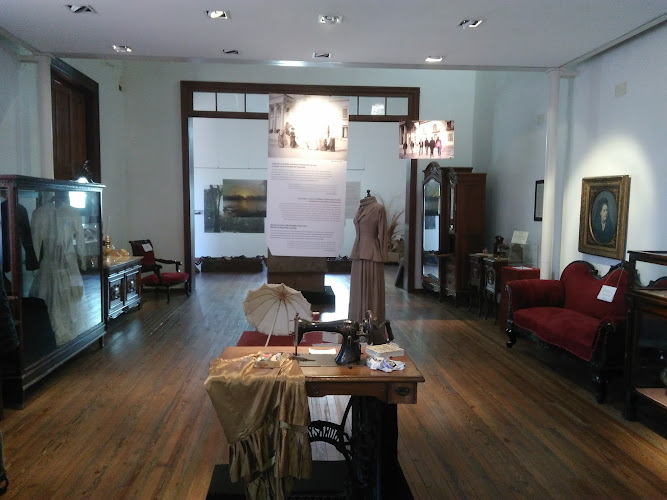
Museo Histórico
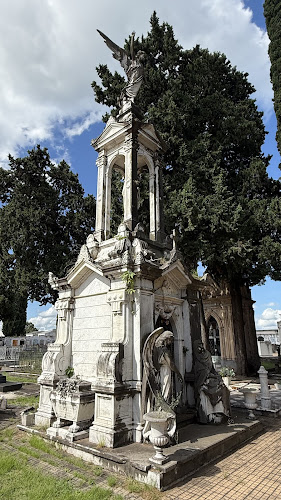
Paysandu Cemetery
Lo De Jorge (Pesca, Caza y Camping)
Find Accommodations Nearby
Recommended Tours & Activities
Visitor Reviews
There are no reviews yet. Be the first one to write one.
Share Your Experience
Have you visited Casa de cultura? Help other travelers by leaving a review.