
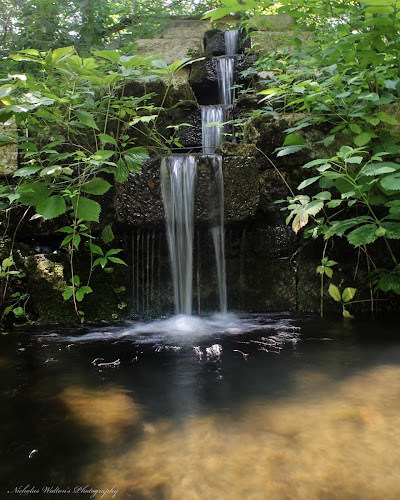
Paul E. Stry Nature Preserve
About Paul E. Stry Nature Preserve
Key Features
More Details
Updated September 18, 2025
Paul E. Stry Nature Preserve in La Crosse is a 120-acre protected bluffland offering mixed oak-hickory forest, native prairie restorations, and a network of trails with river and valley vistas. The preserve is known for its karst features—sinkholes and limestone outcrops—and supports spring wildflowers, migrating raptors, and diverse songbird populations, making it valuable for both wildlife viewing and seasonal plant study. Trails vary from easy boardwalks to steeper overlook paths, and interpretive signs explain the geology, prairie restoration efforts, and habitat management practices that distinguish the site.
Table of Contents
Key Highlights
Peaceful walking trails with easy to moderate footing and short loop options
Spring-fed ponds that attract frogs, turtles, and wading birds
Seasonal waterfalls and mossy seeps that run best after recent rain
Excellent birdwatching, especially at dawn and around the pond edges
Classic Driftless Area scenery with gentle ravines and mixed hardwoods
Family-friendly distances; you can tailor your walk from 20 minutes to 90+ minutes
Natural photo spots with reflections, woodland textures, and soft morning light
Simple access off WI-33 and generally light crowds compared with larger parks
Location
Places to Stay Near Paul E. Stry Nature Preserve
Find and Book a Tour
Explore More Travel Guides
No reviews found! Be the first to review!
Description
Paul E. Stry Nature Preserve is the kind of place you go when you want a quiet walk without driving far from La Crosse. Set along WI-33 at W5845 in La Crosse, Wisconsin, this compact nature preserve surprised me with how varied it feels—cool, shaded trails, a couple of small ponds that mirror the trees, and trickling seasonal waterfalls after a good rain. If you’re craving an easy outdoor escape that still feels wild, it’s a great pick.
The preserve sits in the heart of the Driftless Area, a swath of Wisconsin that the glaciers skipped. You can sense that immediately: the land rolls gently, the ravines hold springs, and the trails weave through pockets of oak and maple with open edges where grass and prairie plants take over. On my last visit, I followed a loop that circled a pond where chorus frogs were going full-volume, then detoured along a narrow path to a rocky seep where water slid down mossy limestone. It’s not a high-drama waterfall destination, but the sound of falling water and the cool air in those shady bends make the walk feel special.
It’s primarily a walking preserve—no playgrounds, no hustle—just well-loved paths where you’ll pass birders with binoculars, a few families, and people out for a peaceful hour between errands. The trails are mostly easy, with a couple of short inclines and roots to step over. I’ve never needed trekking poles here, but after rain the soil can get slick. It’s also a surprisingly good spot for photography. The ponds hold glassy reflections in the early morning, and after storms the small cascades photograph beautifully with a slow shutter.
I didn’t see formal facilities; expect a simple parking area, a trailhead sign with basic rules, and natural-surface paths. Bring your own water and plan to pack out anything you bring. The preserve’s size means you can explore comfortably in an hour, but I’ve stretched visits to two hours by pausing for birds and revisiting the water features. If you want a serene, low-commitment hike right in the La Crosse area, Paul E. Stry Nature Preserve is well worth your time.
Key Features
- Peaceful walking trails with easy to moderate footing and short loop options
- Spring-fed ponds that attract frogs, turtles, and wading birds
- Seasonal waterfalls and mossy seeps that run best after recent rain
- Excellent birdwatching, especially at dawn and around the pond edges
- Classic Driftless Area scenery with gentle ravines and mixed hardwoods
- Family-friendly distances; you can tailor your walk from 20 minutes to 90+ minutes
- Natural photo spots with reflections, woodland textures, and soft morning light
- Simple access off WI-33 and generally light crowds compared with larger parks
Best Time to Visit
There isn’t a wrong time, but the preserve changes character with the seasons—and that’s half the charm.
Spring (April–May): My favorite time. You’ll catch early wildflowers on the forest floor and hear chorus frogs around the ponds. The small waterfalls typically run strongest in spring, especially a day or two after rain. Morning visits give you birdsong, soft light, and fewer people.
Summer (June–August): Trails are shaded and the pond edges are alive with dragonflies. This is prime “bring a hat and bug spray” season—mosquitoes can be active after wet spells. I like to go early or late to avoid midday heat. Watch for turtles sunning on logs and great blue herons stalking the shallows.
Fall (September–October): The color show here is underrated. The mix of oak and maple turns warm gold and red, and the reflections in the ponds are stunning on calm days. Leaf litter can hide roots, so step carefully. It’s also a good time for migrating warblers if you’re into birding.
Winter (November–March): Quiet and contemplative. Snow smooths the trails, and animal tracks are easy to spot around the ponds. I’ve seen a few locals snowshoe the flatter sections after bigger storms, but trails aren’t groomed, so expect a natural winter surface. Microspikes help on icy mornings.
Weekdays are typically quiet. On weekends, arrive earlier for a more peaceful walk. Sunrise and the hour before sunset are ideal for bird activity, photography, and the gentle hush that makes this preserve memorable.
How to Get There
The preserve is located at W5845 WI-33, La Crosse, WI 54601—right along the highway. From downtown La Crosse, plan on a 15–20 minute drive depending on traffic. It’s a straightforward approach: follow WI-33 out of town, and watch for the small parking area near the address. The entrance is easy to miss on your first try, so slow down as you get close and scan for the trailhead sign.
The parking area is simple—think gravel or packed dirt rather than a formal lot. I’ve always found space, but I still like to arrive earlier on sunny Saturdays. There’s no gate or fee when I’ve visited. If you’re arriving in winter, note that plowing can vary after storms; drive cautiously and don’t block access.
Public transportation doesn’t reach the preserve conveniently, and I wouldn’t count on walking in along WI-33; the shoulder is narrow in places and traffic moves quickly. If you’re using rideshare, give your driver the full street address and pin your drop-off point clearly, then confirm you’ll have a pickup plan with good cell service.
Tips for Visiting
Footwear and surfaces: Trails are natural dirt and grass. After rain, some sections get muddy and slick. I wear lightweight hiking shoes with grip, especially if I plan to check out the small waterfalls.
Bring the basics: There were no restrooms or drinking fountains on my visits. Pack water, a snack, and a small bag to carry out any trash. A simple first-aid kit and hand sanitizer are handy if you’re out with kids.
Seasonal savvy: In late spring and early summer, apply insect repellent for mosquitoes and ticks, and do a tick check after your hike. In winter, microspikes are helpful if temperatures have been up and down, creating ice.
Dogs: I’ve seen well-behaved dogs on leashes here. Keep yours leashed, yield to others on narrow paths, and bring bags to pack out waste. Check the trailhead sign for any updates to rules.
Birdwatching: Bring binoculars. The pond edges and the transitions between forest and open areas are productive spots. Early morning is best. Keep space from nesting areas and avoid playback apps to reduce stress on birds.
Waterfalls and ponds: The small cascades are seasonal, most reliable in spring and after summer storms. Watch your footing on wet rocks and avoid trampling mossy edges—those seeps are delicate. For photos, a small tripod and a neutral density filter help blur the water even on brighter days.
Navigation: The loops are intuitive, but take a quick photo of the trailhead sign in case you want to gauge distances. If a path looks faint or veers toward private land, turn back—stay on obvious, worn routes to protect the habitat.
Family-friendly pacing: With short loops and easy terrain, it’s great for young hikers. Turn your walk into a scavenger hunt—look for different leaf shapes, listen for frogs, and count dragonfly species at the pond. Keep kids near you around water and on narrow sections.
Quiet hours: Early morning here is wonderfully calm. If you’re after solitude or bird activity, arrive near sunrise. Sunset can also be lovely, but bring a headlamp if you tend to linger; the forest gets dark quickly.
Leave No Trace: This small preserve feels wild because visitors treat it with care. Stay on trails, pack out everything, and let the soundscape remain natural—no amplified music, and gentle voices go a long way.
Photography pointers: For classic shots, look for reflections in the ponds when the breeze dies down, backlit leaves along the woodland edges, and water trails under moss if the falls are running. After leaf drop in late fall, you’ll get clean sightlines through the trees and moody textures in low light.
Pair it with more La Crosse time: If you’re exploring the area, a stop at Paul E. Stry Nature Preserve pairs easily with a relaxed day in La Crosse. It’s an easy add-on for travelers who want a peaceful walk between other attractions.
Whether you’re a local seeking a quick nature reset or a traveler collecting low-key outdoor experiences in Wisconsin, Paul E. Stry Nature Preserve offers exactly what a nature preserve should: simple trails, living water, and the kind of quiet where you can hear your own footsteps. Go early, wander slowly, and you’ll understand why people speak fondly of this little corner of La Crosse.
Traveler Reviews for Paul E. Stry Nature Preserve
There are no reviews yet. Be the first one to write one.
Have you visited Paul E. Stry Nature Preserve? Help other travelers by sharing your review.
You Might Also Like
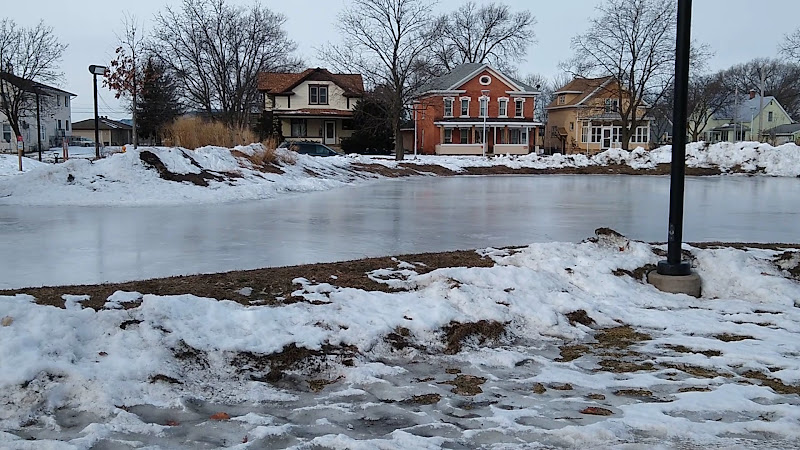
Poage Park

The Great Escape of La Crosse
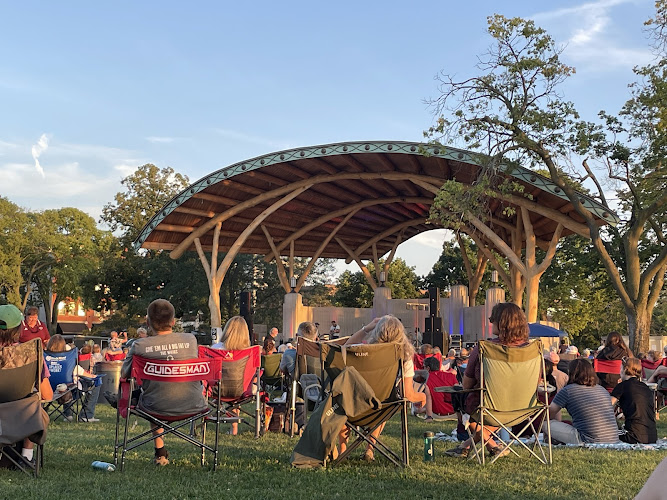
La Crosse Band Shell
Find Accommodations Nearby
Recommended Tours & Activities
Visitor Reviews
There are no reviews yet. Be the first one to write one.
Share Your Experience
Have you visited Paul E. Stry Nature Preserve? Help other travelers by leaving a review.