
Parque Natural das Serras de Aire e Candeeiros
About Parque Natural das Serras de Aire e Candeeiros
Description
Imagine a place in central Portugal where time feels like it’s slowed slightly, where you can swap deadlines for the crunch of limestone under your hiking boots, and the only crowds are clusters of wildflowers and maybe a goat or two. That’s Parque Natural das Serras de Aire e Candeeiros for you—a sweeping natural park with a landscape that seems to have leapt straight out of a forgotten legend. It’s open to anyone with a bit of curiosity and the willingness to meander along twisted paths, investigate gnarly caves, or plop down, sandwich in hand, beneath ancient olive trees.
I always found the phrase “hidden gem” a bit overused, but honestly, it fits here. The atmosphere veers between rugged and gentle, with imposing cliffs standing guard over peaceful glens and springs. There’s a wildness if you keep to the less-trodden paths, and a sense of welcome in the maintained picnic areas and playgrounds. You don’t have to be a hardcore hiker (though you’ll definitely be rewarded if you are), but the real magic, I think, appears once you let yourself stray from the obvious, breathe in the thyme-scented air, and listen for the hush of distant waterfalls. If you’re looking for a slice of Portugal where geology, history, and downright quirkiness collide, this is it.
I wouldn’t say the park is flawless—some of the signage occasionally wants re-painting, and not every spot is pristine thanks to careless visitors—but its genuine appeal lies in its raw, authentic beauty. You get those goosebump moments as you wander into giant caves like Grutas de Mira de Aire or stumble across centuries-old shepherd huts. Plus, for families, it’s just practical: accessible paths, a playground for the little ones, and picnic tables that make snack breaks a breeze.
Key Features
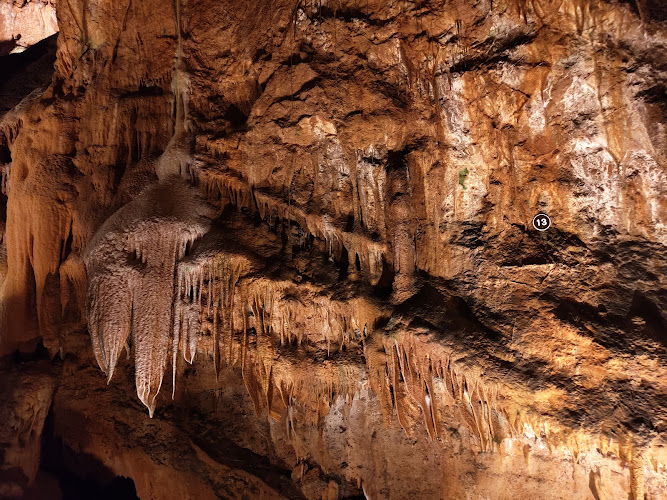
- Epic Cave Systems: Home to Portugal’s largest cave network, including the internationally famous Mira de Aire Caves—where you descend into cool, alien-looking chambers brimming with stalactites and underground rivers. Even if you’re cave-shy, I say give it a whirl. There’s nothing quite like stepping into the earth’s secret heart.
- Hiking and Trails Galore: Over 16 well-marked walking trails, with difficulty levels ranging from merry stroll to thigh-burning adventure. Kid-friendly routes exist, as well as challenging treks for the Instagram crowd in search of those epic vista shots. Just keep an eye out for slippery bits after rain.
- Jaw-Dropping Karst Landscapes: The park’s carved by wind, water, and myth—limestone ridges, dramatic sinkholes, and vast plateaus stretching as far as you care to wander. Karst means you’ll stumble upon weird holes, sudden springs, and rocky outcrops that beg for a quick photo op.
- Waterfalls and Springs: The Olhos d'Água spring and the Polje de Minde floodplain turn magical after rain. If you visit in the wetter season, you might even have the chance to spot temporary waterfalls and shimmering ponds where, honestly, you’d least expect them.
- Family Amenities: Spacious grassy picnic areas, barbecue grills (yes, you can finally have that grilled chouriço with a view), equipped playgrounds, and good restrooms. Not every trail is stroller-friendly, but several are, so parents and grandparents can come along too.
- Keen Eyes Will Spot Wildlife: Eagles, foxes, and if you’re patient (and lucky), the rare Iberian frog or even traces of bats deep in the caves. Dogs are allowed, just keep them leashed—there are sheep at pasture!
- Accessibility: Decent wheelchair access at key spots—parking, restrooms, and several flat paths. This isn’t always the case in Portugal’s parks, so that gets full marks from me.
Best Time to Visit
Some folks swear by the bloom of spring—April to June—when everything feels green and wildflowers take over like confetti. That’s prime picnic weather, with daytime temperatures hovering around 18–25°C (64–77°F). On the flipside, autumn (September to early November) brings softer light and fewer hikers, perfect if you want the view (and silence) mostly to yourself.
Steer clear of peak summer, especially July and August, if you can’t handle the Portuguese sun. The rocks bake, trails get dusty, and the caves become cool sanctuaries but queues can get long at famous spots. Winter is a toss-up: you’ll dodge the crowds, but higher rainfall may flood some trails or make the karst slippery. I actually find mid-September to early October to be an ideal compromise—crisp mornings, mild afternoons, and maybe a cheeky grape harvest festival or two in nearby villages.
How to Get There
Most travelers head out from Lisbon or Porto, planning for a day trip or (better!) an overnight stay. From Lisbon, you’re looking at a 1.5-hour drive north. Use a GPS navigation, as road signs can get, well, "creative" in the countryside. There’s solid parking at popular trailheads and all main entrances, with wheelchair spots actually marked and respected. If you’re train-or-bus-minded, hop a train to Torres Novas or Fatima, then a local taxi or bus gets you as close as Minde or Porto de Mós. Not the most public-transport-friendly region, but manageable if you enjoy the adventure of figuring things out on the fly.
If you’re renting a car (which I’ve done every time), opt for something nimble. The backroads ripple and twist, hugging cliff faces and dropping suddenly into broad valleys. I once ended up in a sheep traffic jam—horizon full of wool and the odd shepherd waving hello. Bring patience and, if it’s harvest season, an empty trunk for buying olive oil and honey from roadside stalls.
Tips for Visiting
- Plan for Layers: Caves stay a cool 17°C (about 62°F) year-round, even when it’s blazing outside. I’ve seen plenty of shivering tourists woefully underdressed in shorts and tank tops. A light sweater or travel fleece works wonders.
- Pack Water and Snacks: While there are a couple of cafes and barbecue grills, much of the park feels remote. Bring your own bottle, especially for longer hikes. Locals say the spring water is good, but check for posted signs about drinkability.
- Wear Proper Shoes: No need for top-shelf hiking boots, but trainers with good grip will save your ankles. Stones get slippery, even on the marked paths, after a touch of rain or fog.
- Respect Wildlife and Locals: Sheepdogs are doing their job, and bats in the caves are best left undisturbed. A friendly “bom dia” never goes amiss if you meet a shepherd or curious child. I’ve traded fruit with villagers more than once and never regretted it.
- Pace Yourself: Don’t rush. The magic's in the little discoveries—a fossil in a boulder, a lizard sunning itself on a remote ledge, or a sudden rainbow over the plateau. I’ve had picnics that stretched to three hours (not sorry).
- Google Maps Can Be Funky: Just because a road looks like a major route doesn’t mean it’s paved. If your GPS tries to send you down a track with grass growing in the middle, reconsider.
- Bring the Kids and the Pup: The playground, swings, and gentle paths mean younger adventurers won’t get bored. Dogs are welcome on the trails—just be courteous with the leash, especially near livestock.
- Leave No Trace: Please, take your rubbish with you. Wild boars don’t need your lunch wrappers.
In all honesty, Parque Natural das Serras de Aire e Candeeiros rewards those who take it slow. It's not about ticking off famous sites—though the caves and cliffs are worth every bit of hype—but about soaking up a very different, untamed slice of Portugal. Whether you spend a few hours or an entire day, you’ll leave a little lighter, with limestone dust on your shoes and maybe (if you’re like me) a thousand photos you’ll never get round to deleting.
Key Features
- Key Features
- Best Time to Visit
- How to Get There
- Tips for Visiting
More Details
Updated June 8, 2025
Table of Contents
- Description
- Key Features
- Best Time to Visit
- How to Get There
- Tips for Visiting
- Key Highlights
- Location
- Places to Stay Near Parque Natural das Serras de Aire e Candeeiros
- Find and Book a Tour
- Explore More Travel Guides
- Nearby Places You Might Like
- Traveler Reviews for Parque Natural das Serras de Aire e Candeeiros
- Share Your Experience
Description
Imagine a place in central Portugal where time feels like it’s slowed slightly, where you can swap deadlines for the crunch of limestone under your hiking boots, and the only crowds are clusters of wildflowers and maybe a goat or two. That’s Parque Natural das Serras de Aire e Candeeiros for you—a sweeping natural park with a landscape that seems to have leapt straight out of a forgotten legend. It’s open to anyone with a bit of curiosity and the willingness to meander along twisted paths, investigate gnarly caves, or plop down, sandwich in hand, beneath ancient olive trees.
I always found the phrase “hidden gem” a bit overused, but honestly, it fits here. The atmosphere veers between rugged and gentle, with imposing cliffs standing guard over peaceful glens and springs. There’s a wildness if you keep to the less-trodden paths, and a sense of welcome in the maintained picnic areas and playgrounds. You don’t have to be a hardcore hiker (though you’ll definitely be rewarded if you are), but the real magic, I think, appears once you let yourself stray from the obvious, breathe in the thyme-scented air, and listen for the hush of distant waterfalls. If you’re looking for a slice of Portugal where geology, history, and downright quirkiness collide, this is it.
I wouldn’t say the park is flawless—some of the signage occasionally wants re-painting, and not every spot is pristine thanks to careless visitors—but its genuine appeal lies in its raw, authentic beauty. You get those goosebump moments as you wander into giant caves like Grutas de Mira de Aire or stumble across centuries-old shepherd huts. Plus, for families, it’s just practical: accessible paths, a playground for the little ones, and picnic tables that make snack breaks a breeze.
Key Features
- Epic Cave Systems: Home to Portugal’s largest cave network, including the internationally famous Mira de Aire Caves—where you descend into cool, alien-looking chambers brimming with stalactites and underground rivers. Even if you’re cave-shy, I say give it a whirl. There’s nothing quite like stepping into the earth’s secret heart.
- Hiking and Trails Galore: Over 16 well-marked walking trails, with difficulty levels ranging from merry stroll to thigh-burning adventure. Kid-friendly routes exist, as well as challenging treks for the Instagram crowd in search of those epic vista shots. Just keep an eye out for slippery bits after rain.
- Jaw-Dropping Karst Landscapes: The park’s carved by wind, water, and myth—limestone ridges, dramatic sinkholes, and vast plateaus stretching as far as you care to wander. Karst means you’ll stumble upon weird holes, sudden springs, and rocky outcrops that beg for a quick photo op.
- Waterfalls and Springs: The Olhos d’Água spring and the Polje de Minde floodplain turn magical after rain. If you visit in the wetter season, you might even have the chance to spot temporary waterfalls and shimmering ponds where, honestly, you’d least expect them.
- Family Amenities: Spacious grassy picnic areas, barbecue grills (yes, you can finally have that grilled chouriço with a view), equipped playgrounds, and good restrooms. Not every trail is stroller-friendly, but several are, so parents and grandparents can come along too.
- Keen Eyes Will Spot Wildlife: Eagles, foxes, and if you’re patient (and lucky), the rare Iberian frog or even traces of bats deep in the caves. Dogs are allowed, just keep them leashed—there are sheep at pasture!
- Accessibility: Decent wheelchair access at key spots—parking, restrooms, and several flat paths. This isn’t always the case in Portugal’s parks, so that gets full marks from me.
Best Time to Visit
Some folks swear by the bloom of spring—April to June—when everything feels green and wildflowers take over like confetti. That’s prime picnic weather, with daytime temperatures hovering around 18–25°C (64–77°F). On the flipside, autumn (September to early November) brings softer light and fewer hikers, perfect if you want the view (and silence) mostly to yourself.
Steer clear of peak summer, especially July and August, if you can’t handle the Portuguese sun. The rocks bake, trails get dusty, and the caves become cool sanctuaries but queues can get long at famous spots. Winter is a toss-up: you’ll dodge the crowds, but higher rainfall may flood some trails or make the karst slippery. I actually find mid-September to early October to be an ideal compromise—crisp mornings, mild afternoons, and maybe a cheeky grape harvest festival or two in nearby villages.
How to Get There
Most travelers head out from Lisbon or Porto, planning for a day trip or (better!) an overnight stay. From Lisbon, you’re looking at a 1.5-hour drive north. Use a GPS navigation, as road signs can get, well, “creative” in the countryside. There’s solid parking at popular trailheads and all main entrances, with wheelchair spots actually marked and respected. If you’re train-or-bus-minded, hop a train to Torres Novas or Fatima, then a local taxi or bus gets you as close as Minde or Porto de Mós. Not the most public-transport-friendly region, but manageable if you enjoy the adventure of figuring things out on the fly.
If you’re renting a car (which I’ve done every time), opt for something nimble. The backroads ripple and twist, hugging cliff faces and dropping suddenly into broad valleys. I once ended up in a sheep traffic jam—horizon full of wool and the odd shepherd waving hello. Bring patience and, if it’s harvest season, an empty trunk for buying olive oil and honey from roadside stalls.
Tips for Visiting
- Plan for Layers: Caves stay a cool 17°C (about 62°F) year-round, even when it’s blazing outside. I’ve seen plenty of shivering tourists woefully underdressed in shorts and tank tops. A light sweater or travel fleece works wonders.
- Pack Water and Snacks: While there are a couple of cafes and barbecue grills, much of the park feels remote. Bring your own bottle, especially for longer hikes. Locals say the spring water is good, but check for posted signs about drinkability.
- Wear Proper Shoes: No need for top-shelf hiking boots, but trainers with good grip will save your ankles. Stones get slippery, even on the marked paths, after a touch of rain or fog.
- Respect Wildlife and Locals: Sheepdogs are doing their job, and bats in the caves are best left undisturbed. A friendly “bom dia” never goes amiss if you meet a shepherd or curious child. I’ve traded fruit with villagers more than once and never regretted it.
- Pace Yourself: Don’t rush. The magic’s in the little discoveries—a fossil in a boulder, a lizard sunning itself on a remote ledge, or a sudden rainbow over the plateau. I’ve had picnics that stretched to three hours (not sorry).
- Google Maps Can Be Funky: Just because a road looks like a major route doesn’t mean it’s paved. If your GPS tries to send you down a track with grass growing in the middle, reconsider.
- Bring the Kids and the Pup: The playground, swings, and gentle paths mean younger adventurers won’t get bored. Dogs are welcome on the trails—just be courteous with the leash, especially near livestock.
- Leave No Trace: Please, take your rubbish with you. Wild boars don’t need your lunch wrappers.
In all honesty, Parque Natural das Serras de Aire e Candeeiros rewards those who take it slow. It’s not about ticking off famous sites—though the caves and cliffs are worth every bit of hype—but about soaking up a very different, untamed slice of Portugal. Whether you spend a few hours or an entire day, you’ll leave a little lighter, with limestone dust on your shoes and maybe (if you’re like me) a thousand photos you’ll never get round to deleting.
Key Highlights
- Key Features
- Best Time to Visit
- How to Get There
- Tips for Visiting
Location
Places to Stay Near Parque Natural das Serras de Aire e Candeeiros
Find and Book a Tour
Explore More Travel Guides
No reviews found! Be the first to review!
Traveler Reviews for Parque Natural das Serras de Aire e Candeeiros
There are no reviews yet. Be the first one to write one.
Have you visited Parque Natural das Serras de Aire e Candeeiros? Help other travelers by sharing your review.
You Might Also Like

Sintra-Cascais Natural Park

Ecomuseu Marinha da Troncalhada
Sensory Ecopark of Pia do Urso
Find Accommodations Nearby
Recommended Tours & Activities
Visitor Reviews
There are no reviews yet. Be the first one to write one.
Share Your Experience
Have you visited Parque Natural das Serras de Aire e Candeeiros? Help other travelers by leaving a review.