
Parque de Aventuras Surf City Walter Thilo Deininger
About Parque de Aventuras Surf City Walter Thilo Deininger
Description
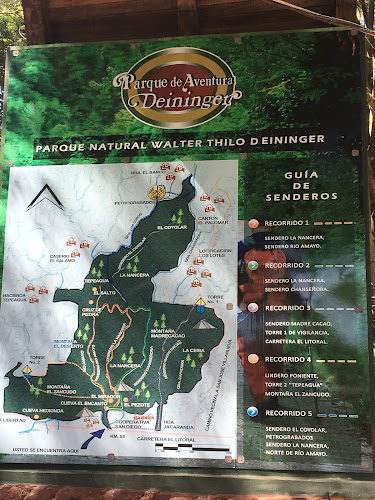
Parque de Aventuras Surf City Walter Thilo Deininger is one of those rare places where you can feel both the pulse of adventure and the calming heartbeat of nature at the same time. Located in La Libertad, just a short drive from the capital, this protected area spans over 1,047 manzanas of land gifted by philanthropist Walter Thilo Deininger back in the 20th century. Since then, it’s been a playground for hikers, researchers, and anyone who needs a break from the noise of daily life. The park is a living classroom, with its three distinct forest types—gallery forest, dry deciduous forest, and secondary forest—each offering a different mood, smell, and soundtrack of wildlife.
What really stands out here is how the park balances being a tourist attraction with being a genuine nature preserve. You get guided hikes like the “El Mirador” trail, where the reward is a sweeping view of the Pacific Ocean that honestly looks like something you’d see on a postcard (except better because it’s real and the sea breeze hits you right in the face). And yet, you also find quiet corners where you can sit under the trees, listen to the rustle of leaves, and maybe spot a curious iguana peeking out from the undergrowth.
Yes, it’s not perfect—some areas could use a bit more maintenance, and if you’re expecting manicured gardens, this isn’t that kind of park. But that’s part of its charm. It’s raw, it’s real, and it’s the kind of place where you leave with dusty shoes, a full camera roll, and that pleasantly tired feeling you only get from a day outdoors.
Key Features
- Three distinct forest ecosystems: gallery, dry deciduous, and secondary forest
- Guided hikes, including the popular “El Mirador” trail with panoramic Pacific Ocean views
- Wheelchair-accessible entrance and parking
- Kid-friendly hiking routes and open spaces for family activities
- Picnic tables and public restrooms for convenience
- Opportunities for ecological and environmental research
- Rich biodiversity with native flora and fauna
Best Time to Visit
If you want the trails dry and the views crystal clear, the dry season—roughly from November to April—is your best bet. The sky tends to be sharper blue, and you won’t have to worry about sudden downpours turning the trail into a mudslide. That said, the rainy season has its own magic. The forests turn lush and green, and the air smells fresher than any bottled “forest scent” you’ll ever find. Personally, I’ve hiked here in both seasons, and while the dry months make logistics easier, there’s something unforgettable about standing under a light rain in the middle of a tropical forest. Just wear the right shoes if you go that route.
How to Get There
Getting here is pretty straightforward. From San Salvador, it’s about a 39-kilometer drive along the coastal route. Most visitors opt for a rental car or a private shuttle, especially if they’re carrying gear or traveling with kids. Public buses are an option, but they can be slower and less predictable, so plan extra time if you go that way. The entrance is well-marked, and once you arrive, there’s accessible parking close to the main facilities. If you’re the type who likes to make a day of it, you can easily pair a visit here with a stop at one of the nearby Surf City beaches.
Tips for Visiting
First off, bring water—more than you think you’ll need. The trails aren’t overly long, but the heat can sneak up on you, especially in the dry season. Comfortable walking shoes are a must; I once made the mistake of wearing casual sneakers and ended up slipping on a patch of loose gravel. Not fun. If you’re planning to do “El Mirador,” try to start early in the morning to avoid the midday sun and get the best light for photos.
Don’t forget insect repellent, especially in the wetter months, and maybe a light rain jacket just in case. If you’re traveling with kids, the shorter trails and open picnic areas make for a relaxed day, but keep an eye on them near the steeper sections. And one last thing—give yourself time to just sit and take it all in. It’s tempting to rush from one trail to the next, but some of my favorite memories here are from simply sitting on a bench, watching the light change through the trees.
Key Features
- Three distinct forest ecosystems: gallery, dry deciduous, and secondary forest
- Guided hikes, including the popular “El Mirador” trail with panoramic Pacific Ocean views
- Wheelchair-accessible entrance and parking
- Kid-friendly hiking routes and open spaces for family activities
- Picnic tables and public restrooms for convenience
- Opportunities for ecological and environmental research
- Rich biodiversity with native flora and fauna
More Details
Updated August 11, 2025
Table of Contents
- Description
- Key Features
- Best Time to Visit
- How to Get There
- Tips for Visiting
- Key Highlights
- Location
- Places to Stay Near Parque de Aventuras Surf City Walter Thilo Deininger
- Find and Book a Tour
- Explore More Travel Guides
- Nearby Places You Might Like
- Traveler Reviews for Parque de Aventuras Surf City Walter Thilo Deininger
- Share Your Experience
Description
Parque de Aventuras Surf City Walter Thilo Deininger is one of those rare places where you can feel both the pulse of adventure and the calming heartbeat of nature at the same time. Located in La Libertad, just a short drive from the capital, this protected area spans over 1,047 manzanas of land gifted by philanthropist Walter Thilo Deininger back in the 20th century. Since then, it’s been a playground for hikers, researchers, and anyone who needs a break from the noise of daily life. The park is a living classroom, with its three distinct forest types—gallery forest, dry deciduous forest, and secondary forest—each offering a different mood, smell, and soundtrack of wildlife.
What really stands out here is how the park balances being a tourist attraction with being a genuine nature preserve. You get guided hikes like the “El Mirador” trail, where the reward is a sweeping view of the Pacific Ocean that honestly looks like something you’d see on a postcard (except better because it’s real and the sea breeze hits you right in the face). And yet, you also find quiet corners where you can sit under the trees, listen to the rustle of leaves, and maybe spot a curious iguana peeking out from the undergrowth.
Yes, it’s not perfect—some areas could use a bit more maintenance, and if you’re expecting manicured gardens, this isn’t that kind of park. But that’s part of its charm. It’s raw, it’s real, and it’s the kind of place where you leave with dusty shoes, a full camera roll, and that pleasantly tired feeling you only get from a day outdoors.
Key Features
- Three distinct forest ecosystems: gallery, dry deciduous, and secondary forest
- Guided hikes, including the popular “El Mirador” trail with panoramic Pacific Ocean views
- Wheelchair-accessible entrance and parking
- Kid-friendly hiking routes and open spaces for family activities
- Picnic tables and public restrooms for convenience
- Opportunities for ecological and environmental research
- Rich biodiversity with native flora and fauna
Best Time to Visit
If you want the trails dry and the views crystal clear, the dry season—roughly from November to April—is your best bet. The sky tends to be sharper blue, and you won’t have to worry about sudden downpours turning the trail into a mudslide. That said, the rainy season has its own magic. The forests turn lush and green, and the air smells fresher than any bottled “forest scent” you’ll ever find. Personally, I’ve hiked here in both seasons, and while the dry months make logistics easier, there’s something unforgettable about standing under a light rain in the middle of a tropical forest. Just wear the right shoes if you go that route.
How to Get There
Getting here is pretty straightforward. From San Salvador, it’s about a 39-kilometer drive along the coastal route. Most visitors opt for a rental car or a private shuttle, especially if they’re carrying gear or traveling with kids. Public buses are an option, but they can be slower and less predictable, so plan extra time if you go that way. The entrance is well-marked, and once you arrive, there’s accessible parking close to the main facilities. If you’re the type who likes to make a day of it, you can easily pair a visit here with a stop at one of the nearby Surf City beaches.
Tips for Visiting
First off, bring water—more than you think you’ll need. The trails aren’t overly long, but the heat can sneak up on you, especially in the dry season. Comfortable walking shoes are a must; I once made the mistake of wearing casual sneakers and ended up slipping on a patch of loose gravel. Not fun. If you’re planning to do “El Mirador,” try to start early in the morning to avoid the midday sun and get the best light for photos.
Don’t forget insect repellent, especially in the wetter months, and maybe a light rain jacket just in case. If you’re traveling with kids, the shorter trails and open picnic areas make for a relaxed day, but keep an eye on them near the steeper sections. And one last thing—give yourself time to just sit and take it all in. It’s tempting to rush from one trail to the next, but some of my favorite memories here are from simply sitting on a bench, watching the light change through the trees.
Key Highlights
- Three distinct forest ecosystems: gallery, dry deciduous, and secondary forest
- Guided hikes, including the popular “El Mirador” trail with panoramic Pacific Ocean views
- Wheelchair-accessible entrance and parking
- Kid-friendly hiking routes and open spaces for family activities
- Picnic tables and public restrooms for convenience
- Opportunities for ecological and environmental research
- Rich biodiversity with native flora and fauna
Location
Places to Stay Near Parque de Aventuras Surf City Walter Thilo Deininger
Find and Book a Tour
Explore More Travel Guides
No reviews found! Be the first to review!
Traveler Reviews for Parque de Aventuras Surf City Walter Thilo Deininger
There are no reviews yet. Be the first one to write one.
Have you visited Parque de Aventuras Surf City Walter Thilo Deininger? Help other travelers by sharing your review.
You Might Also Like
The New Children’s Museum

Panda Trek

San Diego Automotive Museum
Find Accommodations Nearby
Recommended Tours & Activities
Visitor Reviews
There are no reviews yet. Be the first one to write one.
Share Your Experience
Have you visited Parque de Aventuras Surf City Walter Thilo Deininger? Help other travelers by leaving a review.