
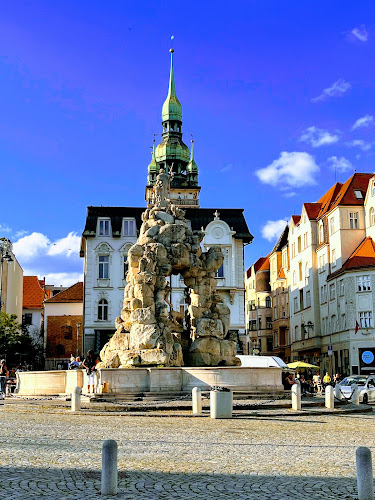
Parnas Fountain
About Parnas Fountain
Description
The Parnas Fountain sits right out in the open, doing what old fountains do best: pulling people toward it without ever asking. It’s a historical landmark, yes, but it’s also just a really pleasant place to stand around for a while. Travelers often stumble upon it by accident, thinking they’ll pause for a minute, then somehow thirty minutes disappear. That happens a lot here. The sound of water isn’t dramatic or theatrical; it’s more of a steady, calming presence, like background music you didn’t know you needed.
From a distance, the fountain reads as elegant and classical. Up close, it’s full of small details that reward a slower pace. The sculptural elements aren’t flashy, but they’re deliberate. You can tell this wasn’t built in a rush. It reflects an era when public spaces were designed to be lingered in, not just passed through. And honestly, that’s what makes the Parnas Fountain feel special today. It invites you to stop scrolling, stop walking, stop planning the next thing.
The square around the fountain tends to hum with low-key life. Locals cut through on their daily routines, kids circle the edges, dogs tug at leashes (yes, dogs are welcome), and travelers hover with cameras, trying to capture the right angle. And there’s no shame in that. The fountain photographs beautifully, especially when the light hits the water just right. But even without a camera, it’s worth being there.
One thing travelers often notice is how accessible the space feels. The fountain area is wheelchair accessible, which sounds like a small detail until you’re traveling with someone who needs that, or you do yourself. Then it becomes huge. It’s also good for kids, not in a playground sense, but in a let-them-be-curious way. They’re drawn to the water, the movement, the idea that this old stone thing is still alive in some way.
The mood around the Parnas Fountain is generally positive. Most visitors leave feeling they saw something worthwhile, even if they didn’t expect to be impressed. A few folks wish it were bigger, louder, more dramatic. But that’s missing the point. This place isn’t trying to shout. It’s content with being quietly memorable.
Key Features
- Historic fountain design with classical sculptural elements
- Located in an open square that encourages lingering and people-watching
- Wheelchair accessible entrance and pathways
- Family-friendly atmosphere, suitable for children
- Dogs allowed, making it an easy stop for pet owners
- Consistent water flow that creates a calming soundscape
- Photogenic from multiple angles, especially in natural light
- Surrounded by everyday city life, not overly staged or commercial
Best Time to Visit
The Parnas Fountain changes character depending on when you show up. Early morning is my personal favorite, and yes, that’s a biased opinion based on too many trips where I learned the hard way. In the morning, the square feels softer. Fewer people, cooler air, and that moment when the city hasn’t fully woken up yet. The light tends to be kinder too, sliding across the stone instead of blasting it.
Late afternoon is another solid choice. That’s when locals drift through after work, and the place feels lived-in rather than touristed. You’ll hear snippets of conversation in different languages, the occasional laugh, maybe a street musician nearby if you’re lucky. It’s not loud, just alive.
Midday can be busy, especially during peak travel seasons. That’s not necessarily bad, but it does change the experience. If you don’t mind sharing the space and waiting a moment to snap photos, you’ll still enjoy it. But if crowds make you itchy, aim for off-hours.
Seasonally, warmer months are the most comfortable. The fountain feels like it belongs to spring and summer, when the water sparkles and people naturally gather outdoors. In cooler months, it’s quieter and a bit more contemplative. The fountain still runs, but the mood is different. Not worse, just more introspective. Bring a jacket and lean into it.
How to Get There
Getting to the Parnas Fountain is refreshingly straightforward. It’s situated in a central square, which means public transportation will get you close without much fuss. Buses and trams typically stop within easy walking distance, and if you’re already exploring the city on foot, chances are you’ll pass nearby without even trying.
For travelers who like to wander, this is one of those spots that fits naturally into a day of walking. It doesn’t require a special detour. You can plan around it, sure, but it works just as well as an unplanned pause between museums, cafés, or shops.
If you’re driving, expect the usual city challenges. Parking nearby can be limited, and honestly, it’s often more trouble than it’s worth. Public transport or walking will save you time and a bit of stress. And less stress means you’ll actually enjoy the fountain, which is the whole point.
Once you arrive, orientation is simple. The square opens up around you, and the fountain announces itself without being obnoxious. You won’t be squinting at maps or spinning in circles wondering if you’re in the right place.
Tips for Visiting
First tip, and I say this with love: slow down. The Parnas Fountain isn’t a box to check. Give it at least ten minutes of your attention. Sit if there’s a place to sit. Stand and watch the water. You’d be surprised how much more you notice when you’re not rushing.
If you’re traveling with kids, set some gentle boundaries. They’ll want to get close to the water, maybe too close. Let them explore, but keep an eye out. The space is generally safe, but stone can be slippery. That said, watching kids interact with the fountain is half the charm.
Photographers should experiment with angles. The obvious front-on shot is fine, but the magic often happens from the side, where the background includes bits of everyday life. A passing cyclist, a dog shaking off water, someone lost in thought. Those details tell a better story.
Bring water and maybe a snack. Not because the visit is long, but because once you sit down, you might not want to leave immediately. I’ve had moments where I planned to pop by and ended up staying long enough to get hungry. Oops.
If you’re sensitive to crowds, trust your instincts and come early or later in the day. And if you’re the social type, midday can be fun. The mix of people is part of the experience.
Dogs are allowed, which is a big plus for pet owners. Just be respectful. Not everyone wants a wet nose in their lap while they’re admiring a fountain, even if you think your dog is adorable. (It probably is, though.)
Finally, don’t overthink it. The Parnas Fountain doesn’t demand deep historical knowledge to be appreciated. It’s okay if you don’t know every sculptural reference or the exact year it was built. Let it be what it is: a well-loved public space that has outlasted trends, wars, and guidebook hype.
In a world where travel often feels rushed and over-documented, places like the Parnas Fountain matter. They remind you that sometimes the best experiences aren’t attractions you conquer, but moments you allow yourself to have. And yeah, that might sound a bit sentimental. But stand there long enough, and you’ll probably feel it too.
Key Features
- Historic fountain design with classical sculptural elements
- Located in an open square that encourages lingering and people-watching
- Wheelchair accessible entrance and pathways
- Family-friendly atmosphere, suitable for children
- Dogs allowed, making it an easy stop for pet owners
- Consistent water flow that creates a calming soundscape
- Photogenic from multiple angles, especially in natural light
- Surrounded by everyday city life, not overly staged or commercial
More Details
Updated December 31, 2025
Table of Contents
Description
The Parnas Fountain sits right out in the open, doing what old fountains do best: pulling people toward it without ever asking. It’s a historical landmark, yes, but it’s also just a really pleasant place to stand around for a while. Travelers often stumble upon it by accident, thinking they’ll pause for a minute, then somehow thirty minutes disappear. That happens a lot here. The sound of water isn’t dramatic or theatrical; it’s more of a steady, calming presence, like background music you didn’t know you needed.
From a distance, the fountain reads as elegant and classical. Up close, it’s full of small details that reward a slower pace. The sculptural elements aren’t flashy, but they’re deliberate. You can tell this wasn’t built in a rush. It reflects an era when public spaces were designed to be lingered in, not just passed through. And honestly, that’s what makes the Parnas Fountain feel special today. It invites you to stop scrolling, stop walking, stop planning the next thing.
The square around the fountain tends to hum with low-key life. Locals cut through on their daily routines, kids circle the edges, dogs tug at leashes (yes, dogs are welcome), and travelers hover with cameras, trying to capture the right angle. And there’s no shame in that. The fountain photographs beautifully, especially when the light hits the water just right. But even without a camera, it’s worth being there.
One thing travelers often notice is how accessible the space feels. The fountain area is wheelchair accessible, which sounds like a small detail until you’re traveling with someone who needs that, or you do yourself. Then it becomes huge. It’s also good for kids, not in a playground sense, but in a let-them-be-curious way. They’re drawn to the water, the movement, the idea that this old stone thing is still alive in some way.
The mood around the Parnas Fountain is generally positive. Most visitors leave feeling they saw something worthwhile, even if they didn’t expect to be impressed. A few folks wish it were bigger, louder, more dramatic. But that’s missing the point. This place isn’t trying to shout. It’s content with being quietly memorable.
Key Features
- Historic fountain design with classical sculptural elements
- Located in an open square that encourages lingering and people-watching
- Wheelchair accessible entrance and pathways
- Family-friendly atmosphere, suitable for children
- Dogs allowed, making it an easy stop for pet owners
- Consistent water flow that creates a calming soundscape
- Photogenic from multiple angles, especially in natural light
- Surrounded by everyday city life, not overly staged or commercial
Best Time to Visit
The Parnas Fountain changes character depending on when you show up. Early morning is my personal favorite, and yes, that’s a biased opinion based on too many trips where I learned the hard way. In the morning, the square feels softer. Fewer people, cooler air, and that moment when the city hasn’t fully woken up yet. The light tends to be kinder too, sliding across the stone instead of blasting it.
Late afternoon is another solid choice. That’s when locals drift through after work, and the place feels lived-in rather than touristed. You’ll hear snippets of conversation in different languages, the occasional laugh, maybe a street musician nearby if you’re lucky. It’s not loud, just alive.
Midday can be busy, especially during peak travel seasons. That’s not necessarily bad, but it does change the experience. If you don’t mind sharing the space and waiting a moment to snap photos, you’ll still enjoy it. But if crowds make you itchy, aim for off-hours.
Seasonally, warmer months are the most comfortable. The fountain feels like it belongs to spring and summer, when the water sparkles and people naturally gather outdoors. In cooler months, it’s quieter and a bit more contemplative. The fountain still runs, but the mood is different. Not worse, just more introspective. Bring a jacket and lean into it.
How to Get There
Getting to the Parnas Fountain is refreshingly straightforward. It’s situated in a central square, which means public transportation will get you close without much fuss. Buses and trams typically stop within easy walking distance, and if you’re already exploring the city on foot, chances are you’ll pass nearby without even trying.
For travelers who like to wander, this is one of those spots that fits naturally into a day of walking. It doesn’t require a special detour. You can plan around it, sure, but it works just as well as an unplanned pause between museums, cafés, or shops.
If you’re driving, expect the usual city challenges. Parking nearby can be limited, and honestly, it’s often more trouble than it’s worth. Public transport or walking will save you time and a bit of stress. And less stress means you’ll actually enjoy the fountain, which is the whole point.
Once you arrive, orientation is simple. The square opens up around you, and the fountain announces itself without being obnoxious. You won’t be squinting at maps or spinning in circles wondering if you’re in the right place.
Tips for Visiting
First tip, and I say this with love: slow down. The Parnas Fountain isn’t a box to check. Give it at least ten minutes of your attention. Sit if there’s a place to sit. Stand and watch the water. You’d be surprised how much more you notice when you’re not rushing.
If you’re traveling with kids, set some gentle boundaries. They’ll want to get close to the water, maybe too close. Let them explore, but keep an eye out. The space is generally safe, but stone can be slippery. That said, watching kids interact with the fountain is half the charm.
Photographers should experiment with angles. The obvious front-on shot is fine, but the magic often happens from the side, where the background includes bits of everyday life. A passing cyclist, a dog shaking off water, someone lost in thought. Those details tell a better story.
Bring water and maybe a snack. Not because the visit is long, but because once you sit down, you might not want to leave immediately. I’ve had moments where I planned to pop by and ended up staying long enough to get hungry. Oops.
If you’re sensitive to crowds, trust your instincts and come early or later in the day. And if you’re the social type, midday can be fun. The mix of people is part of the experience.
Dogs are allowed, which is a big plus for pet owners. Just be respectful. Not everyone wants a wet nose in their lap while they’re admiring a fountain, even if you think your dog is adorable. (It probably is, though.)
Finally, don’t overthink it. The Parnas Fountain doesn’t demand deep historical knowledge to be appreciated. It’s okay if you don’t know every sculptural reference or the exact year it was built. Let it be what it is: a well-loved public space that has outlasted trends, wars, and guidebook hype.
In a world where travel often feels rushed and over-documented, places like the Parnas Fountain matter. They remind you that sometimes the best experiences aren’t attractions you conquer, but moments you allow yourself to have. And yeah, that might sound a bit sentimental. But stand there long enough, and you’ll probably feel it too.
Key Highlights
- Historic fountain design with classical sculptural elements
- Located in an open square that encourages lingering and people-watching
- Wheelchair accessible entrance and pathways
- Family-friendly atmosphere, suitable for children
- Dogs allowed, making it an easy stop for pet owners
- Consistent water flow that creates a calming soundscape
- Photogenic from multiple angles, especially in natural light
- Surrounded by everyday city life, not overly staged or commercial
Location
Places to Stay Near Parnas Fountain
Find and Book a Tour
Explore More Travel Guides
No reviews found! Be the first to review!
Traveler Reviews for Parnas Fountain
There are no reviews yet. Be the first one to write one.
Have you visited Parnas Fountain? Help other travelers by sharing your review.
You Might Also Like

Kostel sv. Jakuba

Capuchin Crypt
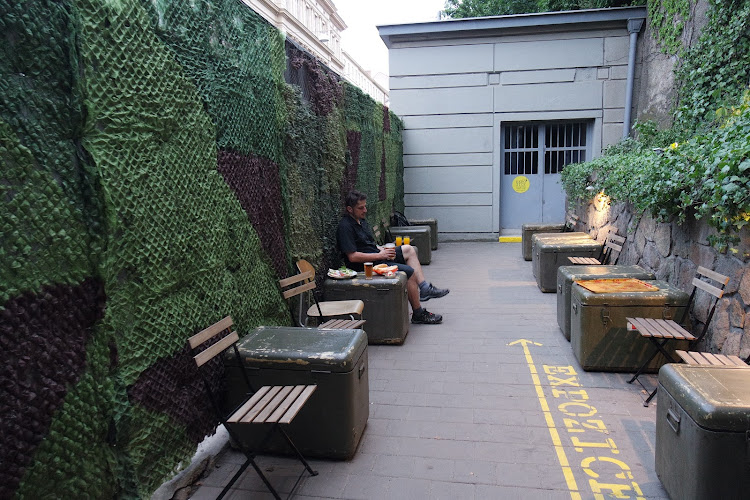
Bunker 10-Z
Find Accommodations Nearby
Recommended Tours & Activities
Visitor Reviews
There are no reviews yet. Be the first one to write one.
Share Your Experience
Have you visited Parnas Fountain? Help other travelers by leaving a review.