

Capuchin Crypt
About Capuchin Crypt
Description
The Capuchin Crypt is one of those places that quietly rewires how a traveler thinks about history, faith, and mortality. It sits beneath a Capuchin monastery and dates back to the 17th century, when friars began laying their brothers to rest in a way that was meant to be devotional, not shocking. Today, visitors walk through a series of low-ceilinged chambers lined with the mummified remains of Capuchin monks, arranged in patterns, niches, and even decorative motifs. It’s solemn, strange, oddly peaceful, and yes, unsettling if you’re not ready for it. The crypt isn’t large, but it’s dense with meaning. Hundreds of friars are preserved here, some dressed in their habits, others reduced to bones carefully organized along the walls. And while photos you’ve probably seen online lean toward the macabre, the real experience is quieter. People tend to lower their voices instinctively. There’s an unspoken agreement that this isn’t a thrill ride. It’s more like stepping into a philosophical footnote of European religious history. The Capuchin order believed strongly in humility and the transient nature of life. Their approach to burial reflected that belief. Rather than hiding death away, they incorporated it into daily spiritual reflection. There’s a famous inscription reminding visitors that what they are now, you once were, and what you are now, they shall be. Heavy stuff, but also strangely grounding. The writer remembers visiting on a rainy afternoon, expecting to rush through, only to linger far longer than planned. And that’s common. The place slows people down. Travelers should know that this is not a traditional cemetery experience. There’s no greenery, no open sky, no birdsong. Instead, there’s stone, bone, and silence. The lighting is dim but intentional, highlighting details without turning the crypt into a spectacle. And while it’s a religious site, you don’t need to be religious to appreciate it. Curiosity alone is enough. It’s also worth saying that reactions vary. Some visitors leave deeply moved, others slightly disturbed, and a few genuinely uncomfortable. That mix of reactions is part of its reputation. But even those who don’t love it tend to admit it’s memorable. And in a city packed with attractions, that counts for a lot.Key Features
- 17th-century burial chambers housing the mummified remains of Capuchin friars
- Distinct rooms, each with different arrangements and symbolic layouts
- Original religious context focused on humility, mortality, and reflection
- Preserved monk habits and skeletal displays integrated into the architecture
- Quiet, contemplative atmosphere that encourages slow, thoughtful visits
- Small museum area providing historical and cultural background
- Family-friendly policies, including discounts for children and families
- Gender-neutral restroom available on site
Best Time to Visit
Timing matters more here than people expect. The Capuchin Crypt is best visited earlier in the day, when crowds are thinner and the atmosphere feels more respectful. Late mornings tend to strike a good balance. By midday, tour groups can roll through, and while they’re usually well-behaved, the whispering multiplies and the spell can break a little. Weekdays are generally calmer than weekends. And if you can swing it, visiting outside peak travel seasons makes a noticeable difference. The crypt doesn’t change, obviously, but your experience does. Fewer people means more space to pause, read the displays, and absorb what you’re seeing without feeling rushed along. There’s also something to be said for visiting on a gray or rainy day. It sounds odd, but the subdued weather outside seems to match the interior mood. Bright, sunny days can feel jarringly cheerful in contrast, and some visitors report feeling emotionally whiplashed stepping back into sunlight afterward. Not a bad thing, just… abrupt. Avoid visiting late in the afternoon if you’re sensitive to time pressure. The crypt is not the place to speed-walk through before closing. Give yourself at least an hour, even though it’s physically small. People who try to squeeze it into a packed itinerary often regret it. This is a slow-burn attraction, not a checklist item.How to Get There
The Capuchin Crypt is well connected via public transportation, and most travelers find it easy to reach as part of a day exploring nearby neighborhoods. Buses and metro lines stop within a short walking distance, and the surrounding streets are well-marked and pedestrian-friendly. For those who prefer walking, it’s a manageable stroll from several major areas, especially if you enjoy wandering through city streets and stumbling across cafés or bakeries along the way. The walk itself becomes part of the experience, a gradual transition from the noise of the city to the hush of the crypt below ground. Taxis and rideshares are also an option, particularly for travelers with limited time. Drivers generally know the site well, so there’s little confusion. Just be aware that traffic can slow things down during peak hours, and being dropped off nearby still requires a short walk. One thing to note is accessibility. The crypt is located in an older building with stairs and narrow passages, and it’s not fully accessible for visitors with mobility challenges. This isn’t always clear beforehand, and it can be frustrating. Planning ahead helps manage expectations, even if it doesn’t solve the problem entirely.Tips for Visiting
First, prepare yourself mentally. This isn’t a haunted house, but it is a place filled with human remains. If you’re squeamish, it’s okay to admit that and decide whether it’s right for you. There’s no shame in skipping it. But if you go in with respect and curiosity, most people find it manageable, even meaningful. Dress appropriately. As a religious site, modest clothing is expected. Covered shoulders and knees are a safe bet. And comfortable shoes matter more than you’d think. The floors are uneven in places, and you’ll likely be standing and walking slowly for a while. Photography rules can be strict, and they’re enforced. Even if allowed in certain areas, the writer strongly suggests limiting phone use. Constantly framing shots creates emotional distance. This is one of those places where being present beats documenting everything. You’ll remember it anyway, trust that. Parents traveling with kids often wonder if it’s suitable. The official stance is that children are welcome, and discounts reflect that. In reality, it depends on the child. Some kids are fascinated in a thoughtful way; others get scared or bored quickly. Talking through what they’ll see beforehand helps a lot. No surprises, no drama. Read the informational panels. They’re easy to skim, but slowing down adds depth. Understanding why the friars chose this form of burial changes the experience from creepy to contemplative. Without that context, it’s just bones. With it, it’s a worldview. Finally, give yourself a buffer afterward. Don’t rush straight into a loud lunch or shopping spree. A short walk, a quiet coffee, even just sitting on a bench helps process what you’ve seen. The crypt has a way of lingering in your thoughts. Days later, sometimes years later, it pops back up. And that, in the opinion of this writer, is the mark of a powerful travel experience.Key Features
- 17th-century burial chambers housing the mummified remains of Capuchin friars
- Distinct rooms, each with different arrangements and symbolic layouts
- Original religious context focused on humility, mortality, and reflection
- Preserved monk habits and skeletal displays integrated into the architecture
- Quiet, contemplative atmosphere that encourages slow, thoughtful visits
- Small museum area providing historical and cultural background
- Family-friendly policies, including discounts for children and families
- Gender-neutral restroom available on site
More Details
Updated December 31, 2025
Table of Contents
Description
The Capuchin Crypt is one of those places that quietly rewires how a traveler thinks about history, faith, and mortality. It sits beneath a Capuchin monastery and dates back to the 17th century, when friars began laying their brothers to rest in a way that was meant to be devotional, not shocking. Today, visitors walk through a series of low-ceilinged chambers lined with the mummified remains of Capuchin monks, arranged in patterns, niches, and even decorative motifs. It’s solemn, strange, oddly peaceful, and yes, unsettling if you’re not ready for it.
The crypt isn’t large, but it’s dense with meaning. Hundreds of friars are preserved here, some dressed in their habits, others reduced to bones carefully organized along the walls. And while photos you’ve probably seen online lean toward the macabre, the real experience is quieter. People tend to lower their voices instinctively. There’s an unspoken agreement that this isn’t a thrill ride. It’s more like stepping into a philosophical footnote of European religious history.
The Capuchin order believed strongly in humility and the transient nature of life. Their approach to burial reflected that belief. Rather than hiding death away, they incorporated it into daily spiritual reflection. There’s a famous inscription reminding visitors that what they are now, you once were, and what you are now, they shall be. Heavy stuff, but also strangely grounding. The writer remembers visiting on a rainy afternoon, expecting to rush through, only to linger far longer than planned. And that’s common. The place slows people down.
Travelers should know that this is not a traditional cemetery experience. There’s no greenery, no open sky, no birdsong. Instead, there’s stone, bone, and silence. The lighting is dim but intentional, highlighting details without turning the crypt into a spectacle. And while it’s a religious site, you don’t need to be religious to appreciate it. Curiosity alone is enough.
It’s also worth saying that reactions vary. Some visitors leave deeply moved, others slightly disturbed, and a few genuinely uncomfortable. That mix of reactions is part of its reputation. But even those who don’t love it tend to admit it’s memorable. And in a city packed with attractions, that counts for a lot.
Key Features
- 17th-century burial chambers housing the mummified remains of Capuchin friars
- Distinct rooms, each with different arrangements and symbolic layouts
- Original religious context focused on humility, mortality, and reflection
- Preserved monk habits and skeletal displays integrated into the architecture
- Quiet, contemplative atmosphere that encourages slow, thoughtful visits
- Small museum area providing historical and cultural background
- Family-friendly policies, including discounts for children and families
- Gender-neutral restroom available on site
Best Time to Visit
Timing matters more here than people expect. The Capuchin Crypt is best visited earlier in the day, when crowds are thinner and the atmosphere feels more respectful. Late mornings tend to strike a good balance. By midday, tour groups can roll through, and while they’re usually well-behaved, the whispering multiplies and the spell can break a little.
Weekdays are generally calmer than weekends. And if you can swing it, visiting outside peak travel seasons makes a noticeable difference. The crypt doesn’t change, obviously, but your experience does. Fewer people means more space to pause, read the displays, and absorb what you’re seeing without feeling rushed along.
There’s also something to be said for visiting on a gray or rainy day. It sounds odd, but the subdued weather outside seems to match the interior mood. Bright, sunny days can feel jarringly cheerful in contrast, and some visitors report feeling emotionally whiplashed stepping back into sunlight afterward. Not a bad thing, just… abrupt.
Avoid visiting late in the afternoon if you’re sensitive to time pressure. The crypt is not the place to speed-walk through before closing. Give yourself at least an hour, even though it’s physically small. People who try to squeeze it into a packed itinerary often regret it. This is a slow-burn attraction, not a checklist item.
How to Get There
The Capuchin Crypt is well connected via public transportation, and most travelers find it easy to reach as part of a day exploring nearby neighborhoods. Buses and metro lines stop within a short walking distance, and the surrounding streets are well-marked and pedestrian-friendly.
For those who prefer walking, it’s a manageable stroll from several major areas, especially if you enjoy wandering through city streets and stumbling across cafés or bakeries along the way. The walk itself becomes part of the experience, a gradual transition from the noise of the city to the hush of the crypt below ground.
Taxis and rideshares are also an option, particularly for travelers with limited time. Drivers generally know the site well, so there’s little confusion. Just be aware that traffic can slow things down during peak hours, and being dropped off nearby still requires a short walk.
One thing to note is accessibility. The crypt is located in an older building with stairs and narrow passages, and it’s not fully accessible for visitors with mobility challenges. This isn’t always clear beforehand, and it can be frustrating. Planning ahead helps manage expectations, even if it doesn’t solve the problem entirely.
Tips for Visiting
First, prepare yourself mentally. This isn’t a haunted house, but it is a place filled with human remains. If you’re squeamish, it’s okay to admit that and decide whether it’s right for you. There’s no shame in skipping it. But if you go in with respect and curiosity, most people find it manageable, even meaningful.
Dress appropriately. As a religious site, modest clothing is expected. Covered shoulders and knees are a safe bet. And comfortable shoes matter more than you’d think. The floors are uneven in places, and you’ll likely be standing and walking slowly for a while.
Photography rules can be strict, and they’re enforced. Even if allowed in certain areas, the writer strongly suggests limiting phone use. Constantly framing shots creates emotional distance. This is one of those places where being present beats documenting everything. You’ll remember it anyway, trust that.
Parents traveling with kids often wonder if it’s suitable. The official stance is that children are welcome, and discounts reflect that. In reality, it depends on the child. Some kids are fascinated in a thoughtful way; others get scared or bored quickly. Talking through what they’ll see beforehand helps a lot. No surprises, no drama.
Read the informational panels. They’re easy to skim, but slowing down adds depth. Understanding why the friars chose this form of burial changes the experience from creepy to contemplative. Without that context, it’s just bones. With it, it’s a worldview.
Finally, give yourself a buffer afterward. Don’t rush straight into a loud lunch or shopping spree. A short walk, a quiet coffee, even just sitting on a bench helps process what you’ve seen. The crypt has a way of lingering in your thoughts. Days later, sometimes years later, it pops back up. And that, in the opinion of this writer, is the mark of a powerful travel experience.
Key Highlights
- 17th-century burial chambers housing the mummified remains of Capuchin friars
- Distinct rooms, each with different arrangements and symbolic layouts
- Original religious context focused on humility, mortality, and reflection
- Preserved monk habits and skeletal displays integrated into the architecture
- Quiet, contemplative atmosphere that encourages slow, thoughtful visits
- Small museum area providing historical and cultural background
- Family-friendly policies, including discounts for children and families
- Gender-neutral restroom available on site
Location
Places to Stay Near Capuchin Crypt
Find and Book a Tour
Explore More Travel Guides
No reviews found! Be the first to review!
Traveler Reviews for Capuchin Crypt
There are no reviews yet. Be the first one to write one.
Have you visited Capuchin Crypt? Help other travelers by sharing your review.
You Might Also Like

Lužánky Park
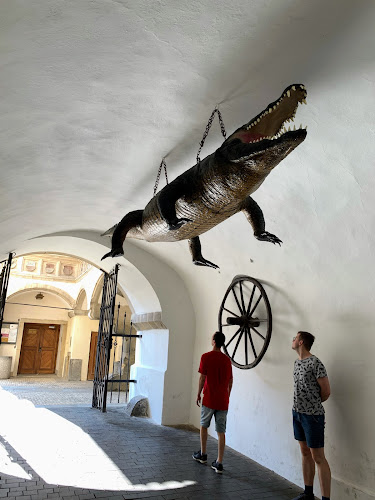
Brno Dragon

Brno Astronomical Clock
Find Accommodations Nearby
Recommended Tours & Activities
Visitor Reviews
There are no reviews yet. Be the first one to write one.
Share Your Experience
Have you visited Capuchin Crypt? Help other travelers by leaving a review.