
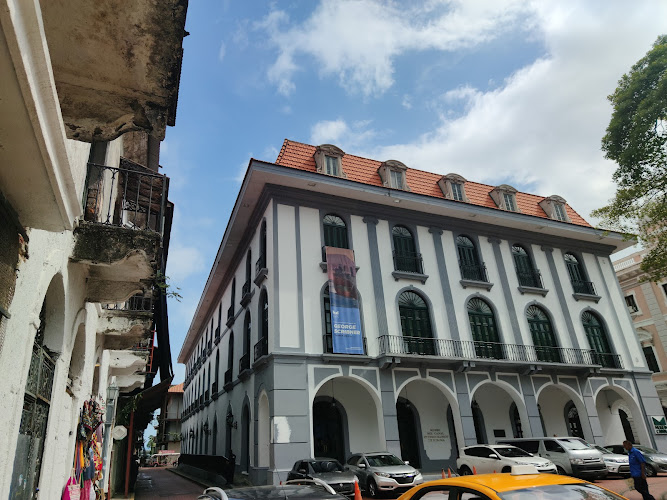
Panama Canal Museum
About Panama Canal Museum
Description
The Panama Canal Museum is one of those places that quietly sneaks up on you. From the outside, it looks like a stately, historic building—because it is—but step inside and you’re suddenly standing in the middle of one of the most ambitious engineering stories ever told. This isn’t just a building with some dusty artifacts. It’s a time machine, a storyteller, and a bit of a reality check all rolled into one. You’ll walk through exhibits that trace the incredible (and sometimes brutal) journey of connecting the Atlantic and Pacific Oceans, from early French attempts to the eventual triumph of the Americans. The displays don’t shy away from the human cost either—workers’ lives, tropical diseases, political wrangling—it’s all there, laid out in a way that makes you stop and think.
It’s not a flashy, high-tech museum with holograms and VR headsets, but honestly, that’s part of its charm. The focus is on real stories, original documents, photographs that feel almost too personal, and scale models that make you marvel at the sheer audacity of the whole project. And if you’re the kind of traveler who likes to understand the “why” behind a place, this museum is pure gold. You’ll leave not just knowing how the Panama Canal was built, but why it mattered—and still matters—to the entire world. Sure, some folks might find it a bit old-fashioned in presentation, but for history lovers, curious minds, and anyone who appreciates a good underdog story, it’s a must.
Key Features
- Detailed exhibits covering the history, engineering, and politics of the Panama Canal
- Original artifacts, photographs, and archival documents from the construction era
- Scale models that help visualize the canal’s complex design
- Live performances that bring historical characters and events to life
- Wheelchair accessible entrance, restrooms, and parking lot
- Free on-site parking for visitors
- Family-friendly environment with exhibits suitable for children
- Restrooms available inside the museum
Best Time to Visit
If you’re looking for a quieter experience where you can linger at each exhibit without feeling rushed, weekdays in the morning are your best bet. The museum tends to get busier in the afternoons and on weekends, especially when cruise ships are in port. The dry season, roughly December through April, is generally more pleasant for exploring the city overall, and since you’ll probably be pairing your museum visit with other outdoor activities, it’s worth keeping the weather in mind. That said, the museum itself is indoors and air-conditioned, so even on a hot, sticky day, you can escape the heat for a couple of hours. I once ducked in during a sudden tropical downpour, and honestly, it was one of the best accidental travel decisions I’ve made—nothing like learning about canal floods while listening to rain hammer the roof.
How to Get There
The Panama Canal Museum is located in the heart of Panama City’s historic district, which means it’s easy to reach whether you’re staying nearby or coming from other parts of the city. If you’re already exploring Casco Antiguo, you can simply wander over on foot—it’s part of the charm of this area, strolling along cobblestone streets and stumbling upon colonial architecture. Taxis and ride-hailing apps are plentiful and affordable, and they’ll drop you right at the entrance. Public buses run nearby too, though unless you’re comfortable navigating the local routes, it might be a little tricky. If you’re driving yourself, the good news is there’s free parking available, which is a rare treat in this part of town. Just be aware that streets can be narrow and parking spots limited during peak hours.
Tips for Visiting
First tip: give yourself more time than you think you’ll need. What looks like a quick hour-long stop can easily turn into half a day if you’re the kind of person who likes to read every placard and stare at old photographs. Second, don’t skip the live performances if they’re scheduled during your visit—they add a whole new dimension to the experience. Third, wear comfortable shoes. Even though the museum itself isn’t huge, you’ll likely be walking around the historic district before or after, and those cobblestones can be unforgiving.
If you’re traveling with kids, the museum is surprisingly engaging for them. The scale models and interactive elements help keep younger visitors interested, and the staff are used to families coming through. For accessibility, the museum is well-equipped—wheelchair users will find the entrance, restrooms, and parking lot all easy to navigate. One last thing: take a moment to step outside and soak in the surrounding architecture before you leave. The building itself is part of the story, and it’s worth appreciating from the outside as much as from within. And if you’re anything like me, you’ll find yourself heading off to see the actual canal afterward with a whole new sense of awe.
Key Features
- Detailed exhibits covering the history, engineering, and politics of the Panama Canal
- Original artifacts, photographs, and archival documents from the construction era
- Scale models that help visualize the canal’s complex design
- Live performances that bring historical characters and events to life
- Wheelchair accessible entrance, restrooms, and parking lot
- Free on-site parking for visitors
- Family-friendly environment with exhibits suitable for children
- Restrooms available inside the museum
More Details
Updated August 14, 2025
Table of Contents
Description
The Panama Canal Museum is one of those places that quietly sneaks up on you. From the outside, it looks like a stately, historic building—because it is—but step inside and you’re suddenly standing in the middle of one of the most ambitious engineering stories ever told. This isn’t just a building with some dusty artifacts. It’s a time machine, a storyteller, and a bit of a reality check all rolled into one. You’ll walk through exhibits that trace the incredible (and sometimes brutal) journey of connecting the Atlantic and Pacific Oceans, from early French attempts to the eventual triumph of the Americans. The displays don’t shy away from the human cost either—workers’ lives, tropical diseases, political wrangling—it’s all there, laid out in a way that makes you stop and think.
It’s not a flashy, high-tech museum with holograms and VR headsets, but honestly, that’s part of its charm. The focus is on real stories, original documents, photographs that feel almost too personal, and scale models that make you marvel at the sheer audacity of the whole project. And if you’re the kind of traveler who likes to understand the “why” behind a place, this museum is pure gold. You’ll leave not just knowing how the Panama Canal was built, but why it mattered—and still matters—to the entire world. Sure, some folks might find it a bit old-fashioned in presentation, but for history lovers, curious minds, and anyone who appreciates a good underdog story, it’s a must.
Key Features
- Detailed exhibits covering the history, engineering, and politics of the Panama Canal
- Original artifacts, photographs, and archival documents from the construction era
- Scale models that help visualize the canal’s complex design
- Live performances that bring historical characters and events to life
- Wheelchair accessible entrance, restrooms, and parking lot
- Free on-site parking for visitors
- Family-friendly environment with exhibits suitable for children
- Restrooms available inside the museum
Best Time to Visit
If you’re looking for a quieter experience where you can linger at each exhibit without feeling rushed, weekdays in the morning are your best bet. The museum tends to get busier in the afternoons and on weekends, especially when cruise ships are in port. The dry season, roughly December through April, is generally more pleasant for exploring the city overall, and since you’ll probably be pairing your museum visit with other outdoor activities, it’s worth keeping the weather in mind. That said, the museum itself is indoors and air-conditioned, so even on a hot, sticky day, you can escape the heat for a couple of hours. I once ducked in during a sudden tropical downpour, and honestly, it was one of the best accidental travel decisions I’ve made—nothing like learning about canal floods while listening to rain hammer the roof.
How to Get There
The Panama Canal Museum is located in the heart of Panama City’s historic district, which means it’s easy to reach whether you’re staying nearby or coming from other parts of the city. If you’re already exploring Casco Antiguo, you can simply wander over on foot—it’s part of the charm of this area, strolling along cobblestone streets and stumbling upon colonial architecture. Taxis and ride-hailing apps are plentiful and affordable, and they’ll drop you right at the entrance. Public buses run nearby too, though unless you’re comfortable navigating the local routes, it might be a little tricky. If you’re driving yourself, the good news is there’s free parking available, which is a rare treat in this part of town. Just be aware that streets can be narrow and parking spots limited during peak hours.
Tips for Visiting
First tip: give yourself more time than you think you’ll need. What looks like a quick hour-long stop can easily turn into half a day if you’re the kind of person who likes to read every placard and stare at old photographs. Second, don’t skip the live performances if they’re scheduled during your visit—they add a whole new dimension to the experience. Third, wear comfortable shoes. Even though the museum itself isn’t huge, you’ll likely be walking around the historic district before or after, and those cobblestones can be unforgiving.
If you’re traveling with kids, the museum is surprisingly engaging for them. The scale models and interactive elements help keep younger visitors interested, and the staff are used to families coming through. For accessibility, the museum is well-equipped—wheelchair users will find the entrance, restrooms, and parking lot all easy to navigate. One last thing: take a moment to step outside and soak in the surrounding architecture before you leave. The building itself is part of the story, and it’s worth appreciating from the outside as much as from within. And if you’re anything like me, you’ll find yourself heading off to see the actual canal afterward with a whole new sense of awe.
Key Highlights
- Detailed exhibits covering the history, engineering, and politics of the Panama Canal
- Original artifacts, photographs, and archival documents from the construction era
- Scale models that help visualize the canal’s complex design
- Live performances that bring historical characters and events to life
- Wheelchair accessible entrance, restrooms, and parking lot
- Free on-site parking for visitors
- Family-friendly environment with exhibits suitable for children
- Restrooms available inside the museum
Location
Places to Stay Near Panama Canal Museum
Find and Book a Tour
Explore More Travel Guides
No reviews found! Be the first to review!
Traveler Reviews for Panama Canal Museum
There are no reviews yet. Be the first one to write one.
Have you visited Panama Canal Museum? Help other travelers by sharing your review.
You Might Also Like

Oaks by the Bay Park

Museo Afroantillano de Panamá
Convento de Santo Domingo | Av. 7 1/2 A Sur
Find Accommodations Nearby
Recommended Tours & Activities
Visitor Reviews
There are no reviews yet. Be the first one to write one.
Share Your Experience
Have you visited Panama Canal Museum? Help other travelers by leaving a review.