

Paleo Hammock Preserve
About Paleo Hammock Preserve
Description
The Paleo Hammock Preserve is one of those places that doesn't immediately shout for attention, but once you're there, you realize it's been hiding something pretty special all along. I've visited quite a few nature preserves throughout Florida, and honestly, this one has a character that's different from the rest – maybe because it manages to blend natural beauty with genuine historical significance in a way that doesn't feel forced or overly manufactured. This preserve sits as a testament to what Florida looked like centuries ago, before development swallowed up so much of the natural landscape. The name itself gives you a hint about what you're getting into – we're talking about ancient hammock ecosystems that have survived through generations, creating this unique pocket of wilderness that feels almost frozen in time. And when I say ancient, I mean it. The hardwood hammock here showcases plant communities that have evolved over thousands of years, adapting to Florida's unique climate and geography. What really strikes most visitors is how accessible the whole experience is. You don't need to be an experienced hiker or wilderness expert to appreciate what the Paleo Hammock Preserve offers. The trails wind through different ecosystems, giving you glimpses of old Florida that most people only see in history books or faded photographs. There's something genuinely humbling about walking beneath tree canopies that have been growing for longer than any of us have been alive. The preserve serves multiple purposes – it's a nature sanctuary, sure, but it's also an outdoor classroom and a recreational space that welcomes families, solo adventurers, and everyone in between. I remember bringing my niece here a couple years back, and she was absolutely fascinated by the interpretive signs explaining how Native Americans once used these very same landscapes. That connection between past and present isn't something you find everywhere.Key Features
The Paleo Hammock Preserve packs quite a bit into its acreage, and understanding what makes it tick can really enhance your visit. Here's what you'll want to know:- Ancient Hardwood Hammock Ecosystem: The star of the show is undoubtedly the mature hardwood hammock forest, featuring species like live oaks, cabbage palms, and other native Florida vegetation that has existed here for millennia.
- Well-Maintained Trail System: The hiking trails are clearly marked and maintained, making navigation straightforward even for first-time visitors who might not be confident with wilderness navigation.
- Family-Friendly Accessibility: Unlike some preserves that cater exclusively to serious hikers, this one welcomes families with children and offers kid-friendly trails that aren't too strenuous or lengthy.
- Historical Significance: The preserve contains evidence of historical human activity, including remnants and indicators of how indigenous peoples and early settlers interacted with this landscape.
- Wildlife Viewing Opportunities: Keep your eyes open for various bird species, butterflies, and other wildlife that call this protected area home – the diversity here is impressive for such an accessible location.
- Educational Components: Interpretive signage throughout the trails provides context about the ecology, history, and conservation efforts that make this preserve possible.
- Peaceful Atmosphere: Despite being relatively well-known, the preserve rarely feels overcrowded, offering visitors a chance to experience nature without competing for space.
- Photography Opportunities: The varied landscapes and natural lighting filtering through the tree canopy create some genuinely beautiful photo opportunities for casual photographers and serious enthusiasts alike.
Best Time to Visit
Timing your visit to the Paleo Hammock Preserve can make a real difference in your experience, and I've learned this through both successful trips and a few less comfortable ones. The sweet spot for visiting is definitely during Florida's dry season, which runs from roughly November through April. During these months, you'll encounter cooler temperatures that make hiking significantly more pleasant, and – this is huge – the mosquito population drops to manageable levels. I made the mistake once of visiting in July, and let's just say I spent more time swatting bugs than actually enjoying the scenery. Not recommended. Winter months, particularly December through February, offer the most comfortable hiking conditions with temperatures typically ranging from the mid-60s to low 70s Fahrenheit. You might need a light jacket for early morning visits, but by midday, the weather is usually perfect for outdoor exploration. Plus, the lower humidity during winter means you won't feel like you're walking through soup, which is always a bonus in Florida. Spring, especially March and April, brings another advantage – wildflowers. The preserve comes alive with blooms, and the wildlife activity increases noticeably as animals become more active after the cooler winter months. But you'll want to visit earlier in spring rather than later, because by May, we're starting to transition into the wet season, and afternoon thunderstorms become almost a daily occurrence. Early mornings are magical here, regardless of the season you choose. The light filtering through the hammock canopy creates this ethereal atmosphere, and you're more likely to spot wildlife before the heat of the day sends them seeking shelter. I'm talking about arriving right around sunrise if you can manage it – yeah, it means setting an alarm, but the experience is worth losing a bit of sleep. Weekdays tend to be quieter than weekends, which matters if you're seeking solitude or hoping to have a more contemplative experience. The preserve sees a fair number of visitors, but it's not Disney World crowded – still, arriving on a Tuesday morning will give you a different experience than showing up on Saturday afternoon.How to Get There
Getting to the Paleo Hammock Preserve is refreshingly straightforward, which I appreciate because some of Florida's natural areas require you to navigate a maze of unmarked roads and vague directions. The preserve is located in South Florida, and most visitors will be coming from either Miami-Dade or Broward County areas. If you're staying in Miami or Fort Lauderdale, you're looking at a reasonable drive that won't eat up your entire day just getting there and back. For those driving – and let's be honest, that's how you'll get there since public transportation doesn't really service natural preserves – you'll want to use GPS or your preferred navigation app. The preserve does have designated parking, though the lot isn't massive, which is another reason why arriving early or visiting on weekdays makes sense. I've never personally encountered a full parking situation, but I've heard it can happen on beautiful weekend mornings during peak season. The roads leading to the preserve are paved and well-maintained, so you don't need a rugged vehicle or any special driving skills. Your standard sedan will handle the journey just fine. Once you arrive, parking is free, which is a pleasant surprise given how many attractions in South Florida charge for every little thing. If you're flying into the area specifically to explore natural spaces like this, both Miami International Airport and Fort Lauderdale-Hollywood International Airport are reasonable distances away. You'll need to rent a car, though, because rideshare services to a nature preserve aren't really practical for a visit of any length. The entrance to the preserve is clearly marked, though it doesn't have the big flashy signage you might expect from a major tourist attraction. Keep your eyes open so you don't drive right past it – ask me how I know this is possible.Tips for Visiting
Let me share some practical wisdom that'll make your visit to the Paleo Hammock Preserve better than just wandering in unprepared. First off, bring water. Like, more water than you think you'll need. Florida's climate is deceptive – even during the cooler months, you'll be surprised how much you'll drink while hiking. I usually bring at least two bottles per person, and we typically finish them. Dehydration sneaks up on you, and there's no concession stand out here selling overpriced beverages. Wear appropriate footwear, and by that I mean actual hiking shoes or sturdy sneakers with good tread. Flip-flops might be the unofficial shoe of Florida, but they're terrible for trail hiking. The paths can have roots, uneven surfaces, and occasionally muddy spots depending on recent rainfall. I learned this lesson the hard way with a twisted ankle that made the second half of my hike pretty miserable. Bug spray is non-negotiable for about nine months out of the year. Even during the dry season, you'll encounter mosquitoes and other insects, particularly in the shadier sections of the trail. Go for a spray that includes DEER or another effective ingredient, and don't forget to reapply if you're spending several hours exploring. Sunscreen matters too, even though much of the trail passes through shaded hammock. Those gaps in the canopy let through more UV rays than you'd expect, and Florida sun doesn't mess around. I've gotten some weird tan lines from forgetting this fact. Bring a camera or make sure your phone is charged. The photo opportunities here are genuinely good, and you'll want to capture some of what you're seeing. Just be present too, though – don't experience the entire preserve through your phone screen. Take your time on the trails. This isn't a race, and rushing through defeats the purpose of being in a nature preserve. The trails aren't particularly long or challenging, so there's no need to hurry. Stop when something catches your attention. Read the interpretive signs. Listen to the birds. That's the whole point. If you're bringing kids, prep them beforehand about staying on trails and respecting wildlife. The preserve is kid-friendly, but it's still a natural area that deserves respect. This is a great opportunity to teach children about conservation and appreciating nature without needing to touch or disturb everything they see. Check the weather before you go, and have a backup plan if conditions look questionable. Florida thunderstorms can roll in quickly during certain times of year, and being caught in one while hiking isn't fun. If you hear thunder, head back – lightning is a real risk in Florida. Consider bringing binoculars if you're interested in birdwatching. The preserve hosts various species, and being able to get a closer look without disturbing them enhances the experience considerably. Don't litter. This should go without saying, but I still occasionally see trash on trails, and it's infuriating. Pack out everything you pack in, and maybe even pick up any trash you encounter along the way. Leave it better than you found it. Finally, give yourself enough time. Don't schedule your visit for the hour between two other commitments. The Paleo Hammock Preserve deserves at least a couple hours of your attention to really experience what it offers. Rushing through natural spaces always feels wrong to me – you miss too much of what makes them special in the first place.Key Features
- Approximately 80-acre old-growth hammock with mature oaks and palms
- One-mile self-guided interpretive trail with archaeological context
- Rare local biodiversity including butterflies and songbirds
- Connected to adjacent preserves for extended exploration
- Quiet, shaded environment ideal for photography and birdwatching
More Details
Updated January 18, 2026
Table of Contents
Description
The Paleo Hammock Preserve is one of those places that doesn’t immediately shout for attention, but once you’re there, you realize it’s been hiding something pretty special all along. I’ve visited quite a few nature preserves throughout Florida, and honestly, this one has a character that’s different from the rest – maybe because it manages to blend natural beauty with genuine historical significance in a way that doesn’t feel forced or overly manufactured.
This preserve sits as a testament to what Florida looked like centuries ago, before development swallowed up so much of the natural landscape. The name itself gives you a hint about what you’re getting into – we’re talking about ancient hammock ecosystems that have survived through generations, creating this unique pocket of wilderness that feels almost frozen in time. And when I say ancient, I mean it. The hardwood hammock here showcases plant communities that have evolved over thousands of years, adapting to Florida’s unique climate and geography.
What really strikes most visitors is how accessible the whole experience is. You don’t need to be an experienced hiker or wilderness expert to appreciate what the Paleo Hammock Preserve offers. The trails wind through different ecosystems, giving you glimpses of old Florida that most people only see in history books or faded photographs. There’s something genuinely humbling about walking beneath tree canopies that have been growing for longer than any of us have been alive.
The preserve serves multiple purposes – it’s a nature sanctuary, sure, but it’s also an outdoor classroom and a recreational space that welcomes families, solo adventurers, and everyone in between. I remember bringing my niece here a couple years back, and she was absolutely fascinated by the interpretive signs explaining how Native Americans once used these very same landscapes. That connection between past and present isn’t something you find everywhere.
Key Features
The Paleo Hammock Preserve packs quite a bit into its acreage, and understanding what makes it tick can really enhance your visit. Here’s what you’ll want to know:
- Ancient Hardwood Hammock Ecosystem: The star of the show is undoubtedly the mature hardwood hammock forest, featuring species like live oaks, cabbage palms, and other native Florida vegetation that has existed here for millennia.
- Well-Maintained Trail System: The hiking trails are clearly marked and maintained, making navigation straightforward even for first-time visitors who might not be confident with wilderness navigation.
- Family-Friendly Accessibility: Unlike some preserves that cater exclusively to serious hikers, this one welcomes families with children and offers kid-friendly trails that aren’t too strenuous or lengthy.
- Historical Significance: The preserve contains evidence of historical human activity, including remnants and indicators of how indigenous peoples and early settlers interacted with this landscape.
- Wildlife Viewing Opportunities: Keep your eyes open for various bird species, butterflies, and other wildlife that call this protected area home – the diversity here is impressive for such an accessible location.
- Educational Components: Interpretive signage throughout the trails provides context about the ecology, history, and conservation efforts that make this preserve possible.
- Peaceful Atmosphere: Despite being relatively well-known, the preserve rarely feels overcrowded, offering visitors a chance to experience nature without competing for space.
- Photography Opportunities: The varied landscapes and natural lighting filtering through the tree canopy create some genuinely beautiful photo opportunities for casual photographers and serious enthusiasts alike.
Best Time to Visit
Timing your visit to the Paleo Hammock Preserve can make a real difference in your experience, and I’ve learned this through both successful trips and a few less comfortable ones.
The sweet spot for visiting is definitely during Florida’s dry season, which runs from roughly November through April. During these months, you’ll encounter cooler temperatures that make hiking significantly more pleasant, and – this is huge – the mosquito population drops to manageable levels. I made the mistake once of visiting in July, and let’s just say I spent more time swatting bugs than actually enjoying the scenery. Not recommended.
Winter months, particularly December through February, offer the most comfortable hiking conditions with temperatures typically ranging from the mid-60s to low 70s Fahrenheit. You might need a light jacket for early morning visits, but by midday, the weather is usually perfect for outdoor exploration. Plus, the lower humidity during winter means you won’t feel like you’re walking through soup, which is always a bonus in Florida.
Spring, especially March and April, brings another advantage – wildflowers. The preserve comes alive with blooms, and the wildlife activity increases noticeably as animals become more active after the cooler winter months. But you’ll want to visit earlier in spring rather than later, because by May, we’re starting to transition into the wet season, and afternoon thunderstorms become almost a daily occurrence.
Early mornings are magical here, regardless of the season you choose. The light filtering through the hammock canopy creates this ethereal atmosphere, and you’re more likely to spot wildlife before the heat of the day sends them seeking shelter. I’m talking about arriving right around sunrise if you can manage it – yeah, it means setting an alarm, but the experience is worth losing a bit of sleep.
Weekdays tend to be quieter than weekends, which matters if you’re seeking solitude or hoping to have a more contemplative experience. The preserve sees a fair number of visitors, but it’s not Disney World crowded – still, arriving on a Tuesday morning will give you a different experience than showing up on Saturday afternoon.
How to Get There
Getting to the Paleo Hammock Preserve is refreshingly straightforward, which I appreciate because some of Florida’s natural areas require you to navigate a maze of unmarked roads and vague directions.
The preserve is located in South Florida, and most visitors will be coming from either Miami-Dade or Broward County areas. If you’re staying in Miami or Fort Lauderdale, you’re looking at a reasonable drive that won’t eat up your entire day just getting there and back.
For those driving – and let’s be honest, that’s how you’ll get there since public transportation doesn’t really service natural preserves – you’ll want to use GPS or your preferred navigation app. The preserve does have designated parking, though the lot isn’t massive, which is another reason why arriving early or visiting on weekdays makes sense. I’ve never personally encountered a full parking situation, but I’ve heard it can happen on beautiful weekend mornings during peak season.
The roads leading to the preserve are paved and well-maintained, so you don’t need a rugged vehicle or any special driving skills. Your standard sedan will handle the journey just fine. Once you arrive, parking is free, which is a pleasant surprise given how many attractions in South Florida charge for every little thing.
If you’re flying into the area specifically to explore natural spaces like this, both Miami International Airport and Fort Lauderdale-Hollywood International Airport are reasonable distances away. You’ll need to rent a car, though, because rideshare services to a nature preserve aren’t really practical for a visit of any length.
The entrance to the preserve is clearly marked, though it doesn’t have the big flashy signage you might expect from a major tourist attraction. Keep your eyes open so you don’t drive right past it – ask me how I know this is possible.
Tips for Visiting
Let me share some practical wisdom that’ll make your visit to the Paleo Hammock Preserve better than just wandering in unprepared.
First off, bring water. Like, more water than you think you’ll need. Florida’s climate is deceptive – even during the cooler months, you’ll be surprised how much you’ll drink while hiking. I usually bring at least two bottles per person, and we typically finish them. Dehydration sneaks up on you, and there’s no concession stand out here selling overpriced beverages.
Wear appropriate footwear, and by that I mean actual hiking shoes or sturdy sneakers with good tread. Flip-flops might be the unofficial shoe of Florida, but they’re terrible for trail hiking. The paths can have roots, uneven surfaces, and occasionally muddy spots depending on recent rainfall. I learned this lesson the hard way with a twisted ankle that made the second half of my hike pretty miserable.
Bug spray is non-negotiable for about nine months out of the year. Even during the dry season, you’ll encounter mosquitoes and other insects, particularly in the shadier sections of the trail. Go for a spray that includes DEER or another effective ingredient, and don’t forget to reapply if you’re spending several hours exploring.
Sunscreen matters too, even though much of the trail passes through shaded hammock. Those gaps in the canopy let through more UV rays than you’d expect, and Florida sun doesn’t mess around. I’ve gotten some weird tan lines from forgetting this fact.
Bring a camera or make sure your phone is charged. The photo opportunities here are genuinely good, and you’ll want to capture some of what you’re seeing. Just be present too, though – don’t experience the entire preserve through your phone screen.
Take your time on the trails. This isn’t a race, and rushing through defeats the purpose of being in a nature preserve. The trails aren’t particularly long or challenging, so there’s no need to hurry. Stop when something catches your attention. Read the interpretive signs. Listen to the birds. That’s the whole point.
If you’re bringing kids, prep them beforehand about staying on trails and respecting wildlife. The preserve is kid-friendly, but it’s still a natural area that deserves respect. This is a great opportunity to teach children about conservation and appreciating nature without needing to touch or disturb everything they see.
Check the weather before you go, and have a backup plan if conditions look questionable. Florida thunderstorms can roll in quickly during certain times of year, and being caught in one while hiking isn’t fun. If you hear thunder, head back – lightning is a real risk in Florida.
Consider bringing binoculars if you’re interested in birdwatching. The preserve hosts various species, and being able to get a closer look without disturbing them enhances the experience considerably.
Don’t litter. This should go without saying, but I still occasionally see trash on trails, and it’s infuriating. Pack out everything you pack in, and maybe even pick up any trash you encounter along the way. Leave it better than you found it.
Finally, give yourself enough time. Don’t schedule your visit for the hour between two other commitments. The Paleo Hammock Preserve deserves at least a couple hours of your attention to really experience what it offers. Rushing through natural spaces always feels wrong to me – you miss too much of what makes them special in the first place.
Key Highlights
- Approximately 80-acre old-growth hammock with mature oaks and palms
- One-mile self-guided interpretive trail with archaeological context
- Rare local biodiversity including butterflies and songbirds
- Connected to adjacent preserves for extended exploration
- Quiet, shaded environment ideal for photography and birdwatching
Location
Places to Stay Near Paleo Hammock Preserve
Find and Book a Tour
Explore More Travel Guides
No reviews found! Be the first to review!
Traveler Reviews for Paleo Hammock Preserve
There are no reviews yet. Be the first one to write one.
Have you visited Paleo Hammock Preserve? Help other travelers by sharing your review.
Nearby Attractions
You Might Also Like
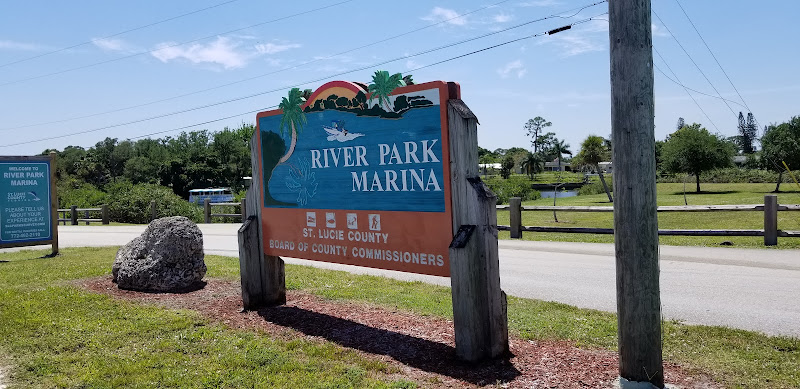
River Park Marina

Lyngate Park

North Fork Saint Lucie River Aquatic Preserve
Find Accommodations Nearby
Recommended Tours & Activities
Visitor Reviews
There are no reviews yet. Be the first one to write one.
Share Your Experience
Have you visited Paleo Hammock Preserve? Help other travelers by leaving a review.