
Oxbow Eco-Center
About Oxbow Eco-Center
Description
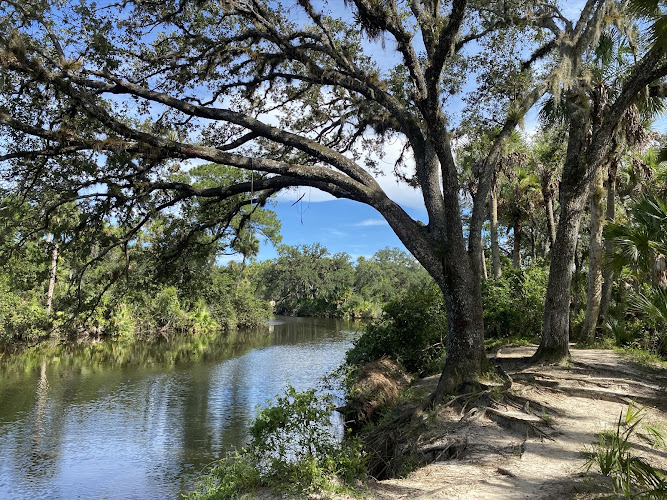
The Oxbow Eco-Center represents one of those rare finds where environmental education meets genuine outdoor adventure. Stretching across 225 acres along a beautiful riverside setting, this nature preserve offers visitors a chance to disconnect from the daily grind and reconnect with the natural world in ways that feel both meaningful and accessible. What sets this place apart from your typical nature park is its commitment to sustainability - the discovery center itself is built with green technology and serves as a living example of what thoughtful environmental design can achieve. I've always believed that the best nature experiences are the ones that teach you something while you're having fun, and that's exactly what you'll find here. The reserve doesn't just give you trails to walk - it gives you a reason to care about what you're walking through. And honestly, that makes all the difference when you're trying to decide whether to spend your precious travel time at yet another park or somewhere that'll actually stick with you. The riverside location means you're getting wetland ecosystems, forest habitats, and open meadows all in one visit. It's the kind of diversity that keeps things interesting whether you're there for an hour or planning to spend the whole afternoon. The viewing towers scattered throughout the property give you perspectives on the landscape that you simply can't get from ground level, and trust me, bringing a camera is not optional here.Key Features
The Oxbow Eco-Center packs in experiences that cater to different interests and activity levels. Here's what makes this place worth adding to your itinerary:- Sustainable Discovery Center: This isn't your grandmother's nature center with dusty taxidermy displays. The building itself demonstrates green construction principles and houses interactive exhibits that actually engage visitors of all ages. The educational programming here focuses on local ecosystems and conservation efforts in ways that feel relevant rather than preachy.
- Extensive Trail System: Multiple trails wind through the 225-acre property, ranging from easy strolls suitable for families with young children to more challenging hikes for those wanting a proper workout. The trails take you through different ecosystems, so each walk feels like a different experience.
- Observation Towers: These elevated structures provide panoramic views of the surrounding landscape and serve as excellent bird-watching stations. During migration seasons, you might spot species you won't see anywhere else in the region.
- Fully Accessible Facilities: The center takes accessibility seriously with wheelchair-accessible entrances, parking areas, and portions of the trail system designed for visitors with mobility challenges. It's refreshing to find a nature preserve that recognizes not everyone experiences the outdoors the same way.
- Riverside Access: The waterway that runs through the property creates unique habitat opportunities and provides peaceful spots for contemplation or photography. The river changes character with the seasons, offering different visual appeals throughout the year.
- Family-Friendly Amenities: A playground gives kids a place to burn off energy, while picnic tables scattered throughout the grounds make it easy to turn your visit into a full outdoor dining experience. Public restrooms mean you don't have to cut your visit short for basic necessities.
- Educational Programming: The center regularly hosts guided walks, workshops, and special events that dive deeper into specific aspects of the local environment. Check their schedule before visiting - these programs often reveal details you'd miss on your own.
Best Time to Visit
Timing your visit to the Oxbow Eco-Center can significantly impact your experience, though honestly, there's no truly bad time to go. Each season brings its own character to the preserve. Spring transforms the property into a showcase of renewal. Wildflowers carpet the meadows, migrating birds stop through in impressive numbers, and the trails aren't yet crowded with summer visitors. The weather can be unpredictable though - I've experienced gorgeous sunny mornings that turned into muddy afternoon slogs. But if you're into bird watching or wildflower photography, late April through May is absolutely your window. Summer offers the most comfortable hiking conditions and the longest daylight hours, which means you can visit after work if you're staying nearby. The tree canopy provides decent shade on the forested trails, though the open areas can get pretty warm during heat waves. This is peak season for families, so expect more company on the trails, especially on weekends. The playground area gets particularly busy during summer break. Fall might be my personal favorite time here. The changing leaves create this incredible patchwork of colors, and there's something about that crisp autumn air that just makes hiking feel right. Wildlife becomes more active as animals prepare for winter, and the reduced foliage makes spotting birds and other creatures easier. Weekday visits in October offer the best combination of beautiful scenery and peaceful trails. Winter shouldn't be overlooked, even though many travelers skip nature preserves during cold months. The bare trees reveal the landscape's underlying structure, and fresh snow transforms familiar trails into completely different experiences. You'll practically have the place to yourself on winter weekdays. Just dress appropriately and check trail conditions before heading out - some paths may be closed or challenging after heavy snow or ice. For avoiding crowds while still enjoying decent weather, aim for weekday mornings regardless of season. The center opens early enough that you can get a solid hike in before the parking lot fills up. And if you're planning to participate in their educational programs, book ahead when possible since the popular sessions fill quickly.How to Get There
Reaching the Oxbow Eco-Center is straightforward enough that you shouldn't need to stress about navigation. The facility is well-marked and accessible by multiple transportation methods, though having your own vehicle definitely provides the most flexibility. If you're driving - which most visitors do - you'll find dedicated parking areas that can accommodate a good number of vehicles. The parking lot is paved and well-maintained, with designated accessible spaces close to the entrance. During peak visiting times, particularly beautiful weekend days in spring and fall, the lot can fill up. Arriving before 10 AM or after 2 PM helps you avoid the parking crunch. The preserve sits close enough to major roads that you won't be navigating through endless back country routes, but far enough removed that you get that genuine nature preserve feeling once you're on the property. GPS systems handle the location without issues, though cell service can be spotty once you're deep into the trail system - download any maps you might need before arriving. For those relying on public transportation, options exist but require more planning. Check local bus schedules as routes and times can vary seasonally. The nearest bus stops are within walking distance, though you'll want to factor in that additional walking time when planning your visit duration. Cyclists will appreciate that the area is generally bike-friendly with roads that accommodate cycling, though there isn't dedicated bike storage on site. You can certainly bike to the center, but you'll need to bring your own lock and secure it somewhere sensible. Regional travelers should note that the Oxbow Eco-Center makes an excellent day trip destination from several nearby cities. The drive typically takes under an hour from most metropolitan areas in the region, making it feasible even for visitors on tight schedules.Tips for Visiting
Getting the most out of your Oxbow Eco-Center experience comes down to preparation and knowing a few insider details that'll make your visit smoother. Dress for the outdoors, not for Instagram. I mean, take your photos, but wear actual hiking shoes or boots with good traction. The trails can be muddy, uneven, and occasionally challenging. I've seen too many people struggling in completely inappropriate footwear, and it just ruins their whole experience. Layer your clothing too - even if it's warm when you start, temperatures can shift, especially near the river where it's typically cooler. Bring water and snacks, particularly if you're planning to hike the longer trails or spend several hours exploring. While there are picnic facilities, there's no on-site food service or vending machines. Pack out what you pack in, though - the preserve operates on leave-no-trace principles, and they're serious about it. Bug repellent during warmer months isn't just recommended, it's pretty much essential. The riverside location means mosquitos and other biting insects are facts of life, especially during summer evenings. I learned this the hard way during a lovely June visit that turned into a slapping-fest about twenty minutes into the trails. The discovery center is worth your time even if you consider yourself more of an outdoor person than a museum type. The exhibits provide context that makes your trail experience richer. Spending 30 minutes inside before hitting the trails helps you understand what you're actually looking at once you're out there. Binoculars amplify the experience considerably, especially if you're visiting during migration periods or you're interested in bird watching. The observation towers become significantly more valuable when you can actually see details of distant wildlife. Check the weather forecast and trail conditions before heading out. The center sometimes closes trails after heavy rain or during severe weather. Their website or a quick phone call can save you a wasted trip. And speaking of which, since cell service is unreliable on parts of the property, let someone know your plans if you're hiking alone. Photography enthusiasts should know that early morning and late afternoon provide the best lighting. The golden hour shots from the observation towers are genuinely spectacular. But also be present - I've watched people spend entire visits staring through camera screens and missing the actual experience happening around them. If you're visiting with kids, let them set some of the pace. The playground provides a good energy release valve, and the kid-friendly trails are genuinely designed with shorter attention spans in mind. The educational programs specifically for children are well-done and can turn a simple nature walk into something they'll actually remember. Accept credit and debit cards for any donations or purchases, which is convenient since many nature centers still operate cash-only. But carrying some cash never hurts just in case. Finally, respect the preserve's rules and other visitors. Stay on marked trails, keep noise levels reasonable, and remember that this is a shared space. The Oxbow Eco-Center's excellent reputation among travelers comes partly from the community of respectful visitors who treat it as the special place it is.Key Features
- 225-acre riverside preserve along the North Fork of the St. Lucie River
- Interpretive/education center with rotating programs and exhibits
- Network of well-marked trails and a scenic boardwalk
- Opportunities for birdwatching, butterfly viewing and native wildlife sightings
- Picnic areas and accessible paths suitable for families
More Details
Updated January 18, 2026
Description
The Oxbow Eco-Center represents one of those rare finds where environmental education meets genuine outdoor adventure. Stretching across 225 acres along a beautiful riverside setting, this nature preserve offers visitors a chance to disconnect from the daily grind and reconnect with the natural world in ways that feel both meaningful and accessible. What sets this place apart from your typical nature park is its commitment to sustainability – the discovery center itself is built with green technology and serves as a living example of what thoughtful environmental design can achieve.
I’ve always believed that the best nature experiences are the ones that teach you something while you’re having fun, and that’s exactly what you’ll find here. The reserve doesn’t just give you trails to walk – it gives you a reason to care about what you’re walking through. And honestly, that makes all the difference when you’re trying to decide whether to spend your precious travel time at yet another park or somewhere that’ll actually stick with you.
The riverside location means you’re getting wetland ecosystems, forest habitats, and open meadows all in one visit. It’s the kind of diversity that keeps things interesting whether you’re there for an hour or planning to spend the whole afternoon. The viewing towers scattered throughout the property give you perspectives on the landscape that you simply can’t get from ground level, and trust me, bringing a camera is not optional here.
Key Features
The Oxbow Eco-Center packs in experiences that cater to different interests and activity levels. Here’s what makes this place worth adding to your itinerary:
- Sustainable Discovery Center: This isn’t your grandmother’s nature center with dusty taxidermy displays. The building itself demonstrates green construction principles and houses interactive exhibits that actually engage visitors of all ages. The educational programming here focuses on local ecosystems and conservation efforts in ways that feel relevant rather than preachy.
- Extensive Trail System: Multiple trails wind through the 225-acre property, ranging from easy strolls suitable for families with young children to more challenging hikes for those wanting a proper workout. The trails take you through different ecosystems, so each walk feels like a different experience.
- Observation Towers: These elevated structures provide panoramic views of the surrounding landscape and serve as excellent bird-watching stations. During migration seasons, you might spot species you won’t see anywhere else in the region.
- Fully Accessible Facilities: The center takes accessibility seriously with wheelchair-accessible entrances, parking areas, and portions of the trail system designed for visitors with mobility challenges. It’s refreshing to find a nature preserve that recognizes not everyone experiences the outdoors the same way.
- Riverside Access: The waterway that runs through the property creates unique habitat opportunities and provides peaceful spots for contemplation or photography. The river changes character with the seasons, offering different visual appeals throughout the year.
- Family-Friendly Amenities: A playground gives kids a place to burn off energy, while picnic tables scattered throughout the grounds make it easy to turn your visit into a full outdoor dining experience. Public restrooms mean you don’t have to cut your visit short for basic necessities.
- Educational Programming: The center regularly hosts guided walks, workshops, and special events that dive deeper into specific aspects of the local environment. Check their schedule before visiting – these programs often reveal details you’d miss on your own.
Best Time to Visit
Timing your visit to the Oxbow Eco-Center can significantly impact your experience, though honestly, there’s no truly bad time to go. Each season brings its own character to the preserve.
Spring transforms the property into a showcase of renewal. Wildflowers carpet the meadows, migrating birds stop through in impressive numbers, and the trails aren’t yet crowded with summer visitors. The weather can be unpredictable though – I’ve experienced gorgeous sunny mornings that turned into muddy afternoon slogs. But if you’re into bird watching or wildflower photography, late April through May is absolutely your window.
Summer offers the most comfortable hiking conditions and the longest daylight hours, which means you can visit after work if you’re staying nearby. The tree canopy provides decent shade on the forested trails, though the open areas can get pretty warm during heat waves. This is peak season for families, so expect more company on the trails, especially on weekends. The playground area gets particularly busy during summer break.
Fall might be my personal favorite time here. The changing leaves create this incredible patchwork of colors, and there’s something about that crisp autumn air that just makes hiking feel right. Wildlife becomes more active as animals prepare for winter, and the reduced foliage makes spotting birds and other creatures easier. Weekday visits in October offer the best combination of beautiful scenery and peaceful trails.
Winter shouldn’t be overlooked, even though many travelers skip nature preserves during cold months. The bare trees reveal the landscape’s underlying structure, and fresh snow transforms familiar trails into completely different experiences. You’ll practically have the place to yourself on winter weekdays. Just dress appropriately and check trail conditions before heading out – some paths may be closed or challenging after heavy snow or ice.
For avoiding crowds while still enjoying decent weather, aim for weekday mornings regardless of season. The center opens early enough that you can get a solid hike in before the parking lot fills up. And if you’re planning to participate in their educational programs, book ahead when possible since the popular sessions fill quickly.
How to Get There
Reaching the Oxbow Eco-Center is straightforward enough that you shouldn’t need to stress about navigation. The facility is well-marked and accessible by multiple transportation methods, though having your own vehicle definitely provides the most flexibility.
If you’re driving – which most visitors do – you’ll find dedicated parking areas that can accommodate a good number of vehicles. The parking lot is paved and well-maintained, with designated accessible spaces close to the entrance. During peak visiting times, particularly beautiful weekend days in spring and fall, the lot can fill up. Arriving before 10 AM or after 2 PM helps you avoid the parking crunch.
The preserve sits close enough to major roads that you won’t be navigating through endless back country routes, but far enough removed that you get that genuine nature preserve feeling once you’re on the property. GPS systems handle the location without issues, though cell service can be spotty once you’re deep into the trail system – download any maps you might need before arriving.
For those relying on public transportation, options exist but require more planning. Check local bus schedules as routes and times can vary seasonally. The nearest bus stops are within walking distance, though you’ll want to factor in that additional walking time when planning your visit duration.
Cyclists will appreciate that the area is generally bike-friendly with roads that accommodate cycling, though there isn’t dedicated bike storage on site. You can certainly bike to the center, but you’ll need to bring your own lock and secure it somewhere sensible.
Regional travelers should note that the Oxbow Eco-Center makes an excellent day trip destination from several nearby cities. The drive typically takes under an hour from most metropolitan areas in the region, making it feasible even for visitors on tight schedules.
Tips for Visiting
Getting the most out of your Oxbow Eco-Center experience comes down to preparation and knowing a few insider details that’ll make your visit smoother.
Dress for the outdoors, not for Instagram. I mean, take your photos, but wear actual hiking shoes or boots with good traction. The trails can be muddy, uneven, and occasionally challenging. I’ve seen too many people struggling in completely inappropriate footwear, and it just ruins their whole experience. Layer your clothing too – even if it’s warm when you start, temperatures can shift, especially near the river where it’s typically cooler.
Bring water and snacks, particularly if you’re planning to hike the longer trails or spend several hours exploring. While there are picnic facilities, there’s no on-site food service or vending machines. Pack out what you pack in, though – the preserve operates on leave-no-trace principles, and they’re serious about it.
Bug repellent during warmer months isn’t just recommended, it’s pretty much essential. The riverside location means mosquitos and other biting insects are facts of life, especially during summer evenings. I learned this the hard way during a lovely June visit that turned into a slapping-fest about twenty minutes into the trails.
The discovery center is worth your time even if you consider yourself more of an outdoor person than a museum type. The exhibits provide context that makes your trail experience richer. Spending 30 minutes inside before hitting the trails helps you understand what you’re actually looking at once you’re out there.
Binoculars amplify the experience considerably, especially if you’re visiting during migration periods or you’re interested in bird watching. The observation towers become significantly more valuable when you can actually see details of distant wildlife.
Check the weather forecast and trail conditions before heading out. The center sometimes closes trails after heavy rain or during severe weather. Their website or a quick phone call can save you a wasted trip. And speaking of which, since cell service is unreliable on parts of the property, let someone know your plans if you’re hiking alone.
Photography enthusiasts should know that early morning and late afternoon provide the best lighting. The golden hour shots from the observation towers are genuinely spectacular. But also be present – I’ve watched people spend entire visits staring through camera screens and missing the actual experience happening around them.
If you’re visiting with kids, let them set some of the pace. The playground provides a good energy release valve, and the kid-friendly trails are genuinely designed with shorter attention spans in mind. The educational programs specifically for children are well-done and can turn a simple nature walk into something they’ll actually remember.
Accept credit and debit cards for any donations or purchases, which is convenient since many nature centers still operate cash-only. But carrying some cash never hurts just in case.
Finally, respect the preserve’s rules and other visitors. Stay on marked trails, keep noise levels reasonable, and remember that this is a shared space. The Oxbow Eco-Center’s excellent reputation among travelers comes partly from the community of respectful visitors who treat it as the special place it is.
Key Highlights
- 225-acre riverside preserve along the North Fork of the St. Lucie River
- Interpretive/education center with rotating programs and exhibits
- Network of well-marked trails and a scenic boardwalk
- Opportunities for birdwatching, butterfly viewing and native wildlife sightings
- Picnic areas and accessible paths suitable for families
Location
Places to Stay Near Oxbow Eco-Center
Find and Book a Tour
Explore More Travel Guides
No reviews found! Be the first to review!
Traveler Reviews for Oxbow Eco-Center
There are no reviews yet. Be the first one to write one.
Have you visited Oxbow Eco-Center? Help other travelers by sharing your review.
Nearby Attractions
You Might Also Like
Woodstork Trail/Hillmoor Lake Park
Oak Hammock Park

Turtle Run Park
Find Accommodations Nearby
Recommended Tours & Activities
Visitor Reviews
There are no reviews yet. Be the first one to write one.
Share Your Experience
Have you visited Oxbow Eco-Center? Help other travelers by leaving a review.