
Palais de la Préfecture
About Palais de la Préfecture
Description
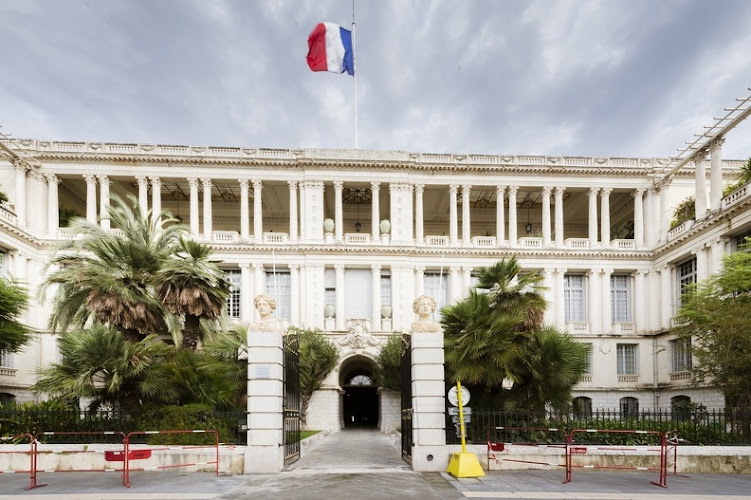
The Palais de la Préfecture in Nice, often referred to as the former Palace of the Kings of Sardinia, is one of those places that quietly commands attention. It’s not the flashiest building in the city, but it carries a kind of quiet grandeur that makes you stop for a moment and just stare. The first time I saw it, I remember thinking how it seemed to whisper stories of centuries past—of royal receptions, political debates, and candlelit banquets that probably went on long into the night.
Built in the late 16th century and later transformed under the rule of the Kings of Sardinia, this palace has seen more history than most buildings in Nice. Today, it serves as the seat of the Prefecture of the Alpes-Maritimes, housing both administrative offices and ceremonial halls. But don’t let that official title fool you—it’s far more than a government building. The architecture alone tells a fascinating story of how Nice evolved from a Sardinian stronghold to a French Riviera gem.
Stepping into the courtyard feels like walking into a living museum. The façades are adorned with neoclassical details, and the interiors—when open to visitors—reveal gilded ceilings, sweeping staircases, and frescoes that seem to glow under the Mediterranean light. I’ve always found that what makes this palace special isn’t just its beauty, but its atmosphere. There’s a sense of continuity here, as if the walls have absorbed every conversation, every decision, every celebration that’s ever taken place inside.
While some travelers might pass by without realizing its importance, those who take the time to explore (especially during guided tours or special open days) discover a side of Nice that’s deeply tied to its political and cultural identity. It’s the kind of place that rewards curiosity—you’ll walk away knowing more about the city than when you arrived.
Key Features
- Historic Legacy: Once the residence of the Kings of Sardinia, the palace now serves as the official seat of the Prefecture of the Alpes-Maritimes.
- Architectural Beauty: A blend of classical and baroque influences, featuring ornate façades, intricate ironwork, and richly decorated interiors.
- Ceremonial Halls: The palace still hosts official receptions and state ceremonies, adding a layer of living history to its walls.
- Artistic Detailing: Visitors can admire frescoes, marble staircases, and period furniture that reflect the opulence of 18th and 19th-century design.
- Accessibility: The entrance is wheelchair accessible, making it easier for all visitors to experience its charm.
- Cultural Significance: A symbol of Nice’s transition from Sardinian to French rule, representing centuries of political and artistic evolution.
And here’s something I personally love: the palace’s location makes it an easy stop while wandering through the old town. You can grab a coffee nearby, listen to the street musicians, and then step into this pocket of history—it’s like time-traveling without leaving the city center.
Best Time to Visit
If you’re anything like me, timing your visit can make all the difference. The Palais de la Préfecture isn’t open to the public every day, but when it is—often during European Heritage Days or special cultural events—it’s absolutely worth rearranging your schedule for. These occasions let you peek behind the official façade and explore rooms that are usually off-limits.
In terms of weather, spring (April to June) and early autumn (September to October) are ideal. The Mediterranean sun is warm but not overwhelming, and the light hits the palace’s stonework in the most flattering way. Summer can be crowded, especially with tourists flooding the Old Town, but if you don’t mind the bustle, the atmosphere is lively and full of energy. Winter, on the other hand, offers a quieter experience—perfect for those who like taking their time to absorb the details without the rush.
I once visited in late May, and the combination of blooming jacaranda trees and the palace’s pale yellow façade created this almost surreal contrast—it’s one of those mental snapshots I still carry. So if you get the chance, aim for late spring. It’s when Nice feels most alive yet still manageable.
How to Get There
Reaching the Palais de la Préfecture is straightforward, especially if you’re already exploring Nice’s Old Town. It sits right in the heart of the historic district, surrounded by narrow streets filled with cafés, boutiques, and local markets. You can easily walk there from the Promenade des Anglais or Place Masséna—it’s about a ten-minute stroll if you don’t get distracted by the gelato stands along the way (which, let’s be honest, is hard to resist).
Public transport is also a great option. The city’s tram system is efficient and clean, and several stops are within walking distance of the palace. If you’re coming from outside the city center, buses and trams connect directly to the area. For those driving, parking can be tricky in Old Nice, so I’d recommend leaving your car in one of the nearby public garages and walking the rest of the way.
And if you’re like me and enjoy wandering aimlessly, getting lost in the labyrinth of Vieux Nice’s streets is half the fun. You’ll stumble upon charming courtyards, hidden art galleries, and maybe even a local bakery that smells too good to ignore. Eventually, the palace will appear almost unexpectedly, standing proud yet quietly dignified amid the city’s everyday rhythm.
Tips for Visiting
Here’s the thing about visiting the Palais de la Préfecture—it’s not just about seeing a building. It’s about experiencing a piece of living history. To make the most of your visit, here are a few tips I’ve picked up over time:
- Check for Open Days: The palace isn’t open daily, so check local event listings or tourist information centers for guided tours or cultural events that include access.
- Go Early: If you’re visiting during an open day or a special event, arrive early. The lines can get long, and entry may be limited.
- Bring a Camera: Photography might be restricted inside, but the exterior alone is worth a few shots—especially in the late afternoon light.
- Dress Comfortably: Even though the palace itself isn’t huge, you’ll likely spend the day exploring the surrounding Old Town, so comfy shoes are a must.
- Learn a Little History Beforehand: Knowing the basics about the palace’s Sardinian roots and its later French transformation adds depth to your visit.
- Combine It with a Local Experience: After your visit, grab a seat at a nearby café or enjoy a socca (a local chickpea pancake) from a street vendor. It’s the perfect way to round off the experience.
One small personal tip: take a few minutes to stand across the square and just look at the palace from a distance. The symmetry, the soft pastel tones, the way it catches the light—it’s easy to see why this building has been a backdrop for so many important moments in Nice’s history.
And while the palace itself is the main draw, don’t forget to explore the surrounding area. The nearby streets are full of hidden gems—antique shops, artisan studios, and tiny wine bars where locals gather in the evenings. I once ended up chatting with an elderly local who told me stories about watching parades from the palace square as a child. It reminded me that places like this aren’t just monuments—they’re threads in the fabric of everyday life.
In the end, the Palais de la Préfecture is one of those places that quietly grows on you. It’s not flashy or overly touristy, but it carries a weight of history and elegance that’s hard to find elsewhere. Whether you’re a history buff, an architecture lover, or just someone who enjoys discovering the deeper layers of a city, this palace deserves a spot on your Nice itinerary. Take your time, look closely, and let the stories hidden in its walls unfold at their own pace. That’s the real magic of visiting.
Key Features
- Key Features
- Best Time to Visit
- How to Get There
- Tips for Visiting
More Details
Updated December 1, 2025
Table of Contents
Description
The Palais de la Préfecture in Nice, often referred to as the former Palace of the Kings of Sardinia, is one of those places that quietly commands attention. It’s not the flashiest building in the city, but it carries a kind of quiet grandeur that makes you stop for a moment and just stare. The first time I saw it, I remember thinking how it seemed to whisper stories of centuries past—of royal receptions, political debates, and candlelit banquets that probably went on long into the night.
Built in the late 16th century and later transformed under the rule of the Kings of Sardinia, this palace has seen more history than most buildings in Nice. Today, it serves as the seat of the Prefecture of the Alpes-Maritimes, housing both administrative offices and ceremonial halls. But don’t let that official title fool you—it’s far more than a government building. The architecture alone tells a fascinating story of how Nice evolved from a Sardinian stronghold to a French Riviera gem.
Stepping into the courtyard feels like walking into a living museum. The façades are adorned with neoclassical details, and the interiors—when open to visitors—reveal gilded ceilings, sweeping staircases, and frescoes that seem to glow under the Mediterranean light. I’ve always found that what makes this palace special isn’t just its beauty, but its atmosphere. There’s a sense of continuity here, as if the walls have absorbed every conversation, every decision, every celebration that’s ever taken place inside.
While some travelers might pass by without realizing its importance, those who take the time to explore (especially during guided tours or special open days) discover a side of Nice that’s deeply tied to its political and cultural identity. It’s the kind of place that rewards curiosity—you’ll walk away knowing more about the city than when you arrived.
Key Features
- Historic Legacy: Once the residence of the Kings of Sardinia, the palace now serves as the official seat of the Prefecture of the Alpes-Maritimes.
- Architectural Beauty: A blend of classical and baroque influences, featuring ornate façades, intricate ironwork, and richly decorated interiors.
- Ceremonial Halls: The palace still hosts official receptions and state ceremonies, adding a layer of living history to its walls.
- Artistic Detailing: Visitors can admire frescoes, marble staircases, and period furniture that reflect the opulence of 18th and 19th-century design.
- Accessibility: The entrance is wheelchair accessible, making it easier for all visitors to experience its charm.
- Cultural Significance: A symbol of Nice’s transition from Sardinian to French rule, representing centuries of political and artistic evolution.
And here’s something I personally love: the palace’s location makes it an easy stop while wandering through the old town. You can grab a coffee nearby, listen to the street musicians, and then step into this pocket of history—it’s like time-traveling without leaving the city center.
Best Time to Visit
If you’re anything like me, timing your visit can make all the difference. The Palais de la Préfecture isn’t open to the public every day, but when it is—often during European Heritage Days or special cultural events—it’s absolutely worth rearranging your schedule for. These occasions let you peek behind the official façade and explore rooms that are usually off-limits.
In terms of weather, spring (April to June) and early autumn (September to October) are ideal. The Mediterranean sun is warm but not overwhelming, and the light hits the palace’s stonework in the most flattering way. Summer can be crowded, especially with tourists flooding the Old Town, but if you don’t mind the bustle, the atmosphere is lively and full of energy. Winter, on the other hand, offers a quieter experience—perfect for those who like taking their time to absorb the details without the rush.
I once visited in late May, and the combination of blooming jacaranda trees and the palace’s pale yellow façade created this almost surreal contrast—it’s one of those mental snapshots I still carry. So if you get the chance, aim for late spring. It’s when Nice feels most alive yet still manageable.
How to Get There
Reaching the Palais de la Préfecture is straightforward, especially if you’re already exploring Nice’s Old Town. It sits right in the heart of the historic district, surrounded by narrow streets filled with cafés, boutiques, and local markets. You can easily walk there from the Promenade des Anglais or Place Masséna—it’s about a ten-minute stroll if you don’t get distracted by the gelato stands along the way (which, let’s be honest, is hard to resist).
Public transport is also a great option. The city’s tram system is efficient and clean, and several stops are within walking distance of the palace. If you’re coming from outside the city center, buses and trams connect directly to the area. For those driving, parking can be tricky in Old Nice, so I’d recommend leaving your car in one of the nearby public garages and walking the rest of the way.
And if you’re like me and enjoy wandering aimlessly, getting lost in the labyrinth of Vieux Nice’s streets is half the fun. You’ll stumble upon charming courtyards, hidden art galleries, and maybe even a local bakery that smells too good to ignore. Eventually, the palace will appear almost unexpectedly, standing proud yet quietly dignified amid the city’s everyday rhythm.
Tips for Visiting
Here’s the thing about visiting the Palais de la Préfecture—it’s not just about seeing a building. It’s about experiencing a piece of living history. To make the most of your visit, here are a few tips I’ve picked up over time:
- Check for Open Days: The palace isn’t open daily, so check local event listings or tourist information centers for guided tours or cultural events that include access.
- Go Early: If you’re visiting during an open day or a special event, arrive early. The lines can get long, and entry may be limited.
- Bring a Camera: Photography might be restricted inside, but the exterior alone is worth a few shots—especially in the late afternoon light.
- Dress Comfortably: Even though the palace itself isn’t huge, you’ll likely spend the day exploring the surrounding Old Town, so comfy shoes are a must.
- Learn a Little History Beforehand: Knowing the basics about the palace’s Sardinian roots and its later French transformation adds depth to your visit.
- Combine It with a Local Experience: After your visit, grab a seat at a nearby café or enjoy a socca (a local chickpea pancake) from a street vendor. It’s the perfect way to round off the experience.
One small personal tip: take a few minutes to stand across the square and just look at the palace from a distance. The symmetry, the soft pastel tones, the way it catches the light—it’s easy to see why this building has been a backdrop for so many important moments in Nice’s history.
And while the palace itself is the main draw, don’t forget to explore the surrounding area. The nearby streets are full of hidden gems—antique shops, artisan studios, and tiny wine bars where locals gather in the evenings. I once ended up chatting with an elderly local who told me stories about watching parades from the palace square as a child. It reminded me that places like this aren’t just monuments—they’re threads in the fabric of everyday life.
In the end, the Palais de la Préfecture is one of those places that quietly grows on you. It’s not flashy or overly touristy, but it carries a weight of history and elegance that’s hard to find elsewhere. Whether you’re a history buff, an architecture lover, or just someone who enjoys discovering the deeper layers of a city, this palace deserves a spot on your Nice itinerary. Take your time, look closely, and let the stories hidden in its walls unfold at their own pace. That’s the real magic of visiting.
Key Highlights
- Key Features
- Best Time to Visit
- How to Get There
- Tips for Visiting
Location
Places to Stay Near Palais de la Préfecture
Find and Book a Tour
Explore More Travel Guides
No reviews found! Be the first to review!
Traveler Reviews for Palais de la Préfecture
There are no reviews yet. Be the first one to write one.
Have you visited Palais de la Préfecture? Help other travelers by sharing your review.
You Might Also Like

Monument aux Morts de Rauba-Capeù
Centenary Monument

Cathédrale Saint-Nicolas de Nice
Find Accommodations Nearby
Recommended Tours & Activities
Visitor Reviews
There are no reviews yet. Be the first one to write one.
Share Your Experience
Have you visited Palais de la Préfecture? Help other travelers by leaving a review.