
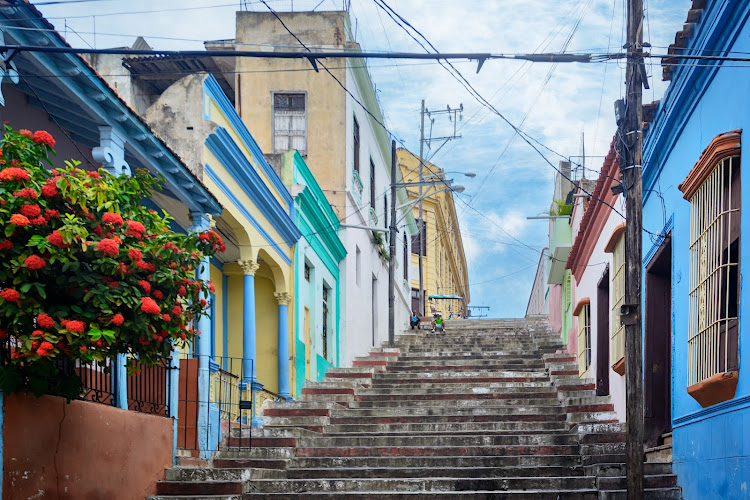
Padre Pico Steps
About Padre Pico Steps
Description
The Padre Pico Steps represent one of Santiago de Cuba's most iconic landmarks, and honestly, they're the kind of place that sneaks up on you with its significance. These aren't just any ordinary stairs connecting two parts of the city - they're a proper historical monument that tells the story of Santiago's unique geography and its revolutionary past. Located in the Tivoli neighborhood, this massive staircase climbs steeply upward, offering travelers a genuine slice of Cuban life that you simply won't find in guidebooks filled with the usual tourist spots. What makes these steps particularly special is how they blend seamlessly into the daily rhythm of local life. You'll see residents hauling groceries up and down, kids playing on the landings, and neighbors chatting while catching their breath midway. The stairs themselves were built to connect the lower and upper sections of the city, creating a vital artery through one of Santiago's oldest barrios. And let me tell you, climbing them gives you a real appreciation for the leg muscles of the locals who tackle these steps daily. The area surrounding Padre Pico Steps carries deep historical weight too. This neighborhood became famous during the Cuban Revolution, when these very stairs saw action during the armed uprising against Batista's forces in 1956. Walking up them now, you're literally following in the footsteps of history. The architecture around the steps showcases classic Cuban colonial style, with colorful houses cascading down the hillside and narrow streets that seem to defy gravity. From the top, travelers are rewarded with sweeping views across Santiago de Cuba's terracotta rooftops toward the Caribbean Sea. It's the kind of vista that makes the climb worthwhile, especially during golden hour when the light hits just right. But the real treasure here isn't just the view - it's experiencing an authentic neighborhood that hasn't been polished up for tourists.Key Features
The Padre Pico Steps offer several distinctive characteristics that make them worth adding to your Santiago itinerary:- A monumental staircase comprising over 400 individual steps that connect different elevation levels of Santiago de Cuba
- Historical significance as a site of revolutionary activity during the 1956 uprising against the Batista regime
- Panoramic viewpoints from the top landing that showcase Santiago's unique hillside layout and distant sea views
- Authentic neighborhood atmosphere with local residents going about their daily routines
- Traditional Cuban architecture surrounding the steps, featuring colonial-era buildings in various states of preservation
- Good accessibility for families with children who are comfortable with stair climbing
- No entrance fee or ticketing system - completely free to explore
- Opportunity for authentic cultural photography capturing everyday Cuban life
- Strategic location near other Tivoli neighborhood attractions and historic sites
- Year-round accessibility with no seasonal closures
Best Time to Visit
Timing your visit to the Padre Pico Steps can make a substantial difference in your experience. The early morning hours between 7 AM and 9 AM offer the most comfortable climbing conditions, before the Caribbean sun reaches its full intensity. You'll catch locals starting their day, and the lighting is absolutely gorgeous for photographs. Plus, you won't be dripping with sweat by the time you reach the top, which trust me, matters when you're tackling several hundred steps. Late afternoon around 4 PM to 6 PM presents another excellent window for visiting. The harsh midday heat has passed, and you'll experience the neighborhood coming alive as people return from work and school. This is when the steps become most animated with local activity. I've found this time particularly rewarding for anyone interested in street photography or cultural observation. Weather-wise, Santiago de Cuba's dry season from November through April provides the most pleasant conditions overall. The humidity is lower, temperatures are more manageable, and you're less likely to encounter sudden tropical downpours. But honestly, the steps are worth visiting any time of year if you're already in Santiago. Just avoid the absolute peak heat hours between noon and 3 PM - your body will thank you. Weekday mornings tend to be quieter than weekends when local families and Cuban tourists also explore the area. If you prefer a more solitary experience for contemplation or photography, aim for Tuesday through Thursday mornings. However, if you want to see the steps bustling with authentic community life, weekend afternoons deliver that energy in spades. One thing to keep in mind: the steps can become slippery during or immediately after rain. Santiago gets sudden showers, especially during the wet season from May to October. If you're visiting during these months, check the weather and maybe pack a small towel to wipe down a spot if you want to sit and rest.How to Get There
Getting to the Padre Pico Steps is relatively straightforward, though like many things in Cuba, it requires a bit of adventure and flexibility. The steps are located in the Tivoli neighborhood of Santiago de Cuba, which sits on one of the city's many hills. Most travelers staying in the city center will find the steps within reasonable walking distance, though the route itself involves some uphill trekking even before you reach the actual staircase. From Parque Céspedes, Santiago's main square, you can walk to Padre Pico in about 15-20 minutes. Head east along Calle Heredia, then navigate through the side streets toward the Tivoli district. The locals are generally friendly and helpful with directions if you ask "Dónde están las escaleras de Padre Pico?" - most everyone knows where they are. Taxis offer another convenient option, particularly the classic American cars that have become synonymous with Cuban travel. A taxi from the city center shouldn't cost more than a few CUC (or the current Cuban currency, depending on when you're reading this). Make sure to negotiate the price before getting in, and ask the driver to drop you at the bottom of the steps so you get the full experience of climbing up rather than starting from the top. For the more adventurous, the local bus system does service the area, though routes can be confusing for first-time visitors and buses run on... let's call it "flexible" schedules. If you're comfortable with a bit of uncertainty and want to save money while experiencing local transportation, it's an option. Just budget extra time. Bicycle taxis, or "bici-taxis," also operate throughout Santiago and can navigate the narrow streets leading to Padre Pico. They're cheaper than car taxis and offer a fun, open-air way to see the city streets. The drivers usually know the area well and can provide informal commentary along the way. If you're staying in accommodation further from the center, a casa particular host can provide specific directions based on your location. Many are happy to draw maps or even arrange transportation for a small fee.Tips for Visiting
Bringing water is absolutely essential - I can't stress this enough. There aren't vendors at the steps themselves, and climbing in Caribbean heat will dehydrate you faster than you'd expect. A reusable bottle filled with purified water should be part of your Padre Pico gear. Wear proper footwear with good grip and support. Those cute sandals or brand-new shoes you bought for the trip? Leave them at your casa. You need sneakers or well-worn walking shoes with actual tread. Some of the steps show their age, and surfaces can be uneven. Bringing small denominations of Cuban currency is smart if you want to interact with local vendors you might encounter in the surrounding neighborhood. Don't flash expensive cameras or large amounts of cash - use common sense about valuables like you would anywhere. The lighting changes dramatically throughout the day, so photographers should consider visiting twice if possible - once in morning light and again during the golden hour before sunset. Each offers completely different photographic opportunities. Respect the local residents who live and work in this neighborhood. These steps are part of their daily commute, not just a tourist attraction. If you want to photograph people, ask permission first. A smile and "Puedo tomar una foto?" goes a long way. Most people are friendly about it, but assuming permission is just rude. Take breaks on the landings as you climb. There's no prize for rushing to the top, and the landings offer different perspectives and viewpoints. Plus, you'll avoid arriving at the summit completely winded and unable to enjoy the view. Consider hiring a local guide if you want deeper historical context. Several knowledgeable guides operate in Santiago and can provide stories about the revolutionary history and architectural details you might otherwise miss. This also supports the local economy directly. Early risers will find fewer crowds and cooler temperatures, but afternoon visitors experience more neighborhood activity. Choose based on whether you prioritize comfort or cultural immersion. Bring sun protection - hat, sunglasses, and sunscreen. There's minimal shade on the steps themselves, and the Caribbean sun is no joke. I once underestimated this and regretted it for days afterward. If you're traveling with children, the steps are manageable for kids who can handle sustained physical activity. But keep a close eye on younger ones, as there are no barriers at the edges. The good news is that most kids seem to enjoy the challenge of climbing and the novelty of the neighborhood setting. Don't expect Western-style facilities or amenities. There aren't public restrooms at the steps, so plan accordingly. Use facilities at a nearby cafe or your accommodation before heading out. Learning a few basic Spanish phrases enhances the experience significantly. Even clumsy attempts at Spanish are usually met with warmth and encouragement from locals. "Buenos días," "gracias," and "muy bonito" will serve you well. Finally, give yourself permission to simply sit and observe for a while once you reach the top. The Padre Pico Steps aren't just about the physical climb or checking something off your list - they're about absorbing a slice of authentic Cuban life that exists largely outside the tourist bubble. That's the real value of visiting this historic staircase, and rushing through defeats the purpose.Key Features
- Historic stone steps (commonly referred to as 52 steps) connecting lower Santiago with El Tivolí
- Vibrant street life — locals play dominoes and socialize on the stairs
- Panoramic views over parts of Santiago de Cuba and its bay from higher landings
- Surrounded by colorful, colonial-style facades, paladares and small guesthouses
- Accessible on foot from central Santiago; authentic neighborhood atmosphere
More Details
Updated January 17, 2026
Table of Contents
Description
The Padre Pico Steps represent one of Santiago de Cuba’s most iconic landmarks, and honestly, they’re the kind of place that sneaks up on you with its significance. These aren’t just any ordinary stairs connecting two parts of the city – they’re a proper historical monument that tells the story of Santiago’s unique geography and its revolutionary past. Located in the Tivoli neighborhood, this massive staircase climbs steeply upward, offering travelers a genuine slice of Cuban life that you simply won’t find in guidebooks filled with the usual tourist spots.
What makes these steps particularly special is how they blend seamlessly into the daily rhythm of local life. You’ll see residents hauling groceries up and down, kids playing on the landings, and neighbors chatting while catching their breath midway. The stairs themselves were built to connect the lower and upper sections of the city, creating a vital artery through one of Santiago’s oldest barrios. And let me tell you, climbing them gives you a real appreciation for the leg muscles of the locals who tackle these steps daily.
The area surrounding Padre Pico Steps carries deep historical weight too. This neighborhood became famous during the Cuban Revolution, when these very stairs saw action during the armed uprising against Batista’s forces in 1956. Walking up them now, you’re literally following in the footsteps of history. The architecture around the steps showcases classic Cuban colonial style, with colorful houses cascading down the hillside and narrow streets that seem to defy gravity.
From the top, travelers are rewarded with sweeping views across Santiago de Cuba’s terracotta rooftops toward the Caribbean Sea. It’s the kind of vista that makes the climb worthwhile, especially during golden hour when the light hits just right. But the real treasure here isn’t just the view – it’s experiencing an authentic neighborhood that hasn’t been polished up for tourists.
Key Features
The Padre Pico Steps offer several distinctive characteristics that make them worth adding to your Santiago itinerary:
- A monumental staircase comprising over 400 individual steps that connect different elevation levels of Santiago de Cuba
- Historical significance as a site of revolutionary activity during the 1956 uprising against the Batista regime
- Panoramic viewpoints from the top landing that showcase Santiago’s unique hillside layout and distant sea views
- Authentic neighborhood atmosphere with local residents going about their daily routines
- Traditional Cuban architecture surrounding the steps, featuring colonial-era buildings in various states of preservation
- Good accessibility for families with children who are comfortable with stair climbing
- No entrance fee or ticketing system – completely free to explore
- Opportunity for authentic cultural photography capturing everyday Cuban life
- Strategic location near other Tivoli neighborhood attractions and historic sites
- Year-round accessibility with no seasonal closures
Best Time to Visit
Timing your visit to the Padre Pico Steps can make a substantial difference in your experience. The early morning hours between 7 AM and 9 AM offer the most comfortable climbing conditions, before the Caribbean sun reaches its full intensity. You’ll catch locals starting their day, and the lighting is absolutely gorgeous for photographs. Plus, you won’t be dripping with sweat by the time you reach the top, which trust me, matters when you’re tackling several hundred steps.
Late afternoon around 4 PM to 6 PM presents another excellent window for visiting. The harsh midday heat has passed, and you’ll experience the neighborhood coming alive as people return from work and school. This is when the steps become most animated with local activity. I’ve found this time particularly rewarding for anyone interested in street photography or cultural observation.
Weather-wise, Santiago de Cuba’s dry season from November through April provides the most pleasant conditions overall. The humidity is lower, temperatures are more manageable, and you’re less likely to encounter sudden tropical downpours. But honestly, the steps are worth visiting any time of year if you’re already in Santiago. Just avoid the absolute peak heat hours between noon and 3 PM – your body will thank you.
Weekday mornings tend to be quieter than weekends when local families and Cuban tourists also explore the area. If you prefer a more solitary experience for contemplation or photography, aim for Tuesday through Thursday mornings. However, if you want to see the steps bustling with authentic community life, weekend afternoons deliver that energy in spades.
One thing to keep in mind: the steps can become slippery during or immediately after rain. Santiago gets sudden showers, especially during the wet season from May to October. If you’re visiting during these months, check the weather and maybe pack a small towel to wipe down a spot if you want to sit and rest.
How to Get There
Getting to the Padre Pico Steps is relatively straightforward, though like many things in Cuba, it requires a bit of adventure and flexibility. The steps are located in the Tivoli neighborhood of Santiago de Cuba, which sits on one of the city’s many hills. Most travelers staying in the city center will find the steps within reasonable walking distance, though the route itself involves some uphill trekking even before you reach the actual staircase.
From Parque Céspedes, Santiago’s main square, you can walk to Padre Pico in about 15-20 minutes. Head east along Calle Heredia, then navigate through the side streets toward the Tivoli district. The locals are generally friendly and helpful with directions if you ask “Dónde están las escaleras de Padre Pico?” – most everyone knows where they are.
Taxis offer another convenient option, particularly the classic American cars that have become synonymous with Cuban travel. A taxi from the city center shouldn’t cost more than a few CUC (or the current Cuban currency, depending on when you’re reading this). Make sure to negotiate the price before getting in, and ask the driver to drop you at the bottom of the steps so you get the full experience of climbing up rather than starting from the top.
For the more adventurous, the local bus system does service the area, though routes can be confusing for first-time visitors and buses run on… let’s call it “flexible” schedules. If you’re comfortable with a bit of uncertainty and want to save money while experiencing local transportation, it’s an option. Just budget extra time.
Bicycle taxis, or “bici-taxis,” also operate throughout Santiago and can navigate the narrow streets leading to Padre Pico. They’re cheaper than car taxis and offer a fun, open-air way to see the city streets. The drivers usually know the area well and can provide informal commentary along the way.
If you’re staying in accommodation further from the center, a casa particular host can provide specific directions based on your location. Many are happy to draw maps or even arrange transportation for a small fee.
Tips for Visiting
Bringing water is absolutely essential – I can’t stress this enough. There aren’t vendors at the steps themselves, and climbing in Caribbean heat will dehydrate you faster than you’d expect. A reusable bottle filled with purified water should be part of your Padre Pico gear.
Wear proper footwear with good grip and support. Those cute sandals or brand-new shoes you bought for the trip? Leave them at your casa. You need sneakers or well-worn walking shoes with actual tread. Some of the steps show their age, and surfaces can be uneven.
Bringing small denominations of Cuban currency is smart if you want to interact with local vendors you might encounter in the surrounding neighborhood. Don’t flash expensive cameras or large amounts of cash – use common sense about valuables like you would anywhere.
The lighting changes dramatically throughout the day, so photographers should consider visiting twice if possible – once in morning light and again during the golden hour before sunset. Each offers completely different photographic opportunities.
Respect the local residents who live and work in this neighborhood. These steps are part of their daily commute, not just a tourist attraction. If you want to photograph people, ask permission first. A smile and “Puedo tomar una foto?” goes a long way. Most people are friendly about it, but assuming permission is just rude.
Take breaks on the landings as you climb. There’s no prize for rushing to the top, and the landings offer different perspectives and viewpoints. Plus, you’ll avoid arriving at the summit completely winded and unable to enjoy the view.
Consider hiring a local guide if you want deeper historical context. Several knowledgeable guides operate in Santiago and can provide stories about the revolutionary history and architectural details you might otherwise miss. This also supports the local economy directly.
Early risers will find fewer crowds and cooler temperatures, but afternoon visitors experience more neighborhood activity. Choose based on whether you prioritize comfort or cultural immersion.
Bring sun protection – hat, sunglasses, and sunscreen. There’s minimal shade on the steps themselves, and the Caribbean sun is no joke. I once underestimated this and regretted it for days afterward.
If you’re traveling with children, the steps are manageable for kids who can handle sustained physical activity. But keep a close eye on younger ones, as there are no barriers at the edges. The good news is that most kids seem to enjoy the challenge of climbing and the novelty of the neighborhood setting.
Don’t expect Western-style facilities or amenities. There aren’t public restrooms at the steps, so plan accordingly. Use facilities at a nearby cafe or your accommodation before heading out.
Learning a few basic Spanish phrases enhances the experience significantly. Even clumsy attempts at Spanish are usually met with warmth and encouragement from locals. “Buenos días,” “gracias,” and “muy bonito” will serve you well.
Finally, give yourself permission to simply sit and observe for a while once you reach the top. The Padre Pico Steps aren’t just about the physical climb or checking something off your list – they’re about absorbing a slice of authentic Cuban life that exists largely outside the tourist bubble. That’s the real value of visiting this historic staircase, and rushing through defeats the purpose.
Key Highlights
- Historic stone steps (commonly referred to as 52 steps) connecting lower Santiago with El Tivolí
- Vibrant street life — locals play dominoes and socialize on the stairs
- Panoramic views over parts of Santiago de Cuba and its bay from higher landings
- Surrounded by colorful, colonial-style facades, paladares and small guesthouses
- Accessible on foot from central Santiago; authentic neighborhood atmosphere
Location
Places to Stay Near Padre Pico Steps
Find and Book a Tour
Explore More Travel Guides
No reviews found! Be the first to review!
Traveler Reviews for Padre Pico Steps
There are no reviews yet. Be the first one to write one.
Have you visited Padre Pico Steps? Help other travelers by sharing your review.
Nearby Attractions
You Might Also Like
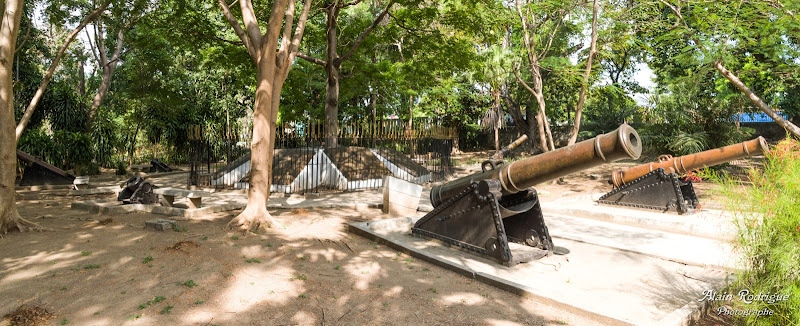
Spains troops on Santiago de Cuba Surrender Tree Memorial
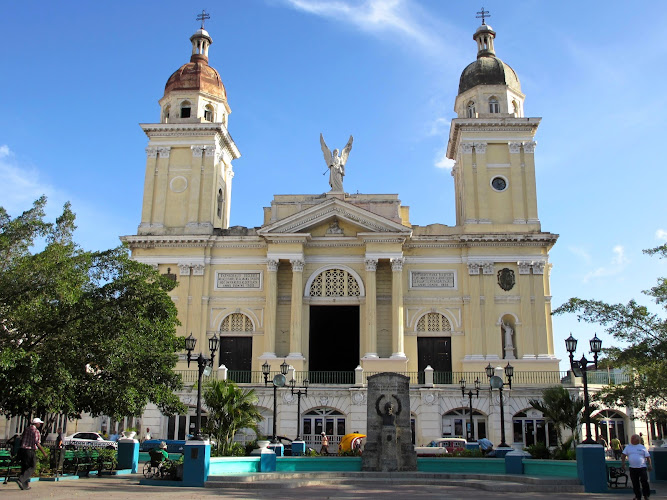
Catedral de Nuestra Señora de la Asunción
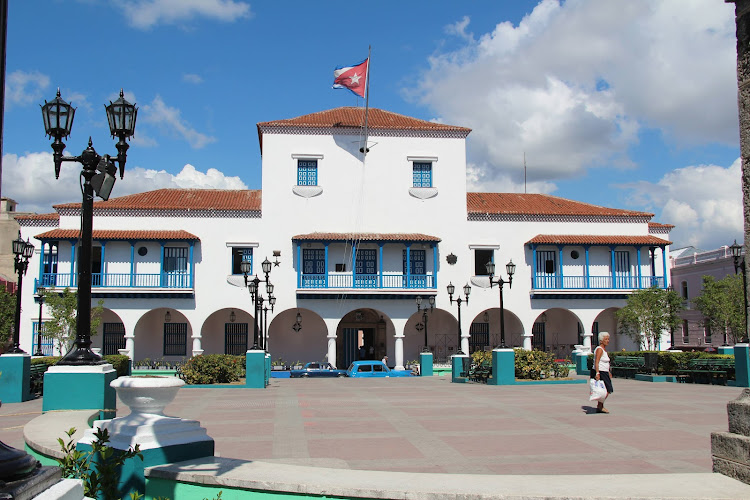
Casa de Diego Velazquez
Find Accommodations Nearby
Recommended Tours & Activities
Visitor Reviews
There are no reviews yet. Be the first one to write one.
Share Your Experience
Have you visited Padre Pico Steps? Help other travelers by leaving a review.