
Oxnard
About Oxnard
Description
Oxnard sits out there west of Los Angeles, doing its own thing while the rest of Southern California argues about traffic. It’s a seaside city with real working roots, not a glossy postcard version of the coast, and honestly that’s what makes it interesting. You can smell salt in the air most mornings, and depending on the breeze, maybe strawberries too. Yep, Oxnard is deep in farm country, and it proudly claims itself as the strawberry capital of California. I remember driving through in late spring once, windows down, thinking someone nearby was baking jam. Nope. Just fields doing what they do best.
What surprises first-time visitors is how much history quietly lives here. The Carnegie Art Museum downtown, housed in a former library built back in 1906, feels like the kind of place you stumble into on a hot afternoon and end up staying an hour longer than planned. The art leans toward contemporary California voices, sometimes challenging, sometimes playful, and always thoughtful. A short walk away, Heritage Square shows off beautifully preserved early-1900s homes. They’re the kind of houses that make you slow your pace and imagine who lived there, what their mornings looked like, and whether they also complained about the coastal fog.
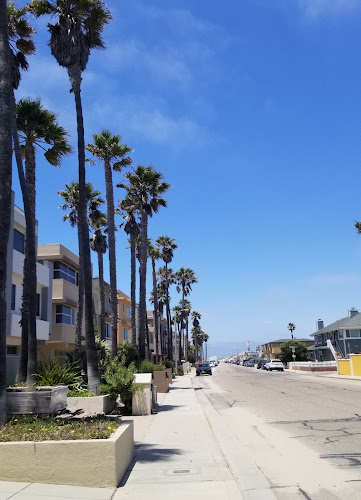
Then there’s the coastline. Oxnard Beach Park stretches wide and open, without the constant buzz you get in more famous beach towns. The sand is broad, the lawns are green and actually usable, and picnic tables face the Pacific like they’re waiting for you to show up with tacos. On clear days, the Channel Islands sit on the horizon, looking close enough to touch but still mysterious. They’re part of Channel Islands National Park and the surrounding marine sanctuary, and seeing them from shore never really gets old.
Oxnard isn’t flashy. And that’s the point. It’s a place where you can have a calm morning walk on the beach, an art-filled afternoon, and a sunset that reminds you why people keep coming back to California, even when rent makes them cry. Travelers who like authenticity over hype tend to fall for it, slowly but deeply.
Key Features
- Wide, uncrowded beaches with long sightlines toward the Channel Islands, perfect for walking, picnics, and low-key sunsets
- Carnegie Art Museum showcasing contemporary California art inside a historic 1906 building
- Heritage Square with restored early-20th-century homes that tell Oxnard’s quieter stories
- Views of Channel Islands National Park and the protected marine sanctuary from shore
- Strong agricultural identity, especially famous for strawberries grown in surrounding fields
- A more relaxed pace than Los Angeles, but close enough for easy day trips
- Large grassy areas along the beach that actually invite you to sit, eat, and linger
Best Time to Visit
The best time to visit Oxnard depends on what kind of traveler you are, and I’ll be honest here. If you’re chasing nonstop sun, summer looks tempting, but it can come with coastal fog in the mornings. Locals call it May Gray and June Gloom, and while it sounds depressing, it’s actually kind of cozy. By midday, the fog often burns off, leaving comfortable temperatures that hover in the low to mid-70s Fahrenheit. No melting. No drama.
Spring is a sweet spot. From March through May, the weather stays mild, the crowds are thinner, and the strawberry fields are in full swing. This is when Oxnard smells the best, hands down. Fall is another underrated season. September and October bring warmer water, clearer skies, and fewer visitors. I once visited in October and had long stretches of beach practically to myself, which felt like cheating.
Winter is cooler and quieter. You’ll get more clouds, occasional rain, and brisk ocean winds, but if you enjoy reflective walks and moody skies, it has its charm. Plus, winter sunsets can be surprisingly dramatic. Whale watching offshore peaks during certain winter months too, and even from land, you might catch a glimpse if you’re lucky and patient.
How to Get There
Getting to Oxnard is refreshingly straightforward. From Los Angeles, it’s roughly a one-hour drive, depending on traffic, which, let’s be real, is a big “depending.” The drive up the coast can be lovely though, especially once you leave the urban sprawl behind. If you’re coming from Santa Barbara, Oxnard is even closer, making it an easy add-on to a coastal road trip.
Oxnard is also accessible by train, which I personally love recommending. There’s something satisfying about watching the landscape shift from city blocks to open fields and ocean views without gripping a steering wheel. The train station sits close enough to downtown that you don’t feel stranded upon arrival, especially if you’re planning a relaxed visit focused on walking and local exploration.
If you’re flying in, nearby regional airports can work, and larger international airports are within reasonable driving distance. Once in town, having a car helps, especially if you want to explore different beach areas or venture toward the harbor and surrounding farmland. But for a simple stay near the beach or downtown, you won’t feel trapped without one.
Tips for Visiting
First tip: bring layers. Even on sunny days, the ocean breeze can sneak up on you. I’ve learned this the hard way, standing on the beach feeling smug about the sunshine and then shivering ten minutes later. A light jacket goes a long way.
Second, don’t rush it. Oxnard isn’t about ticking off attractions as fast as possible. It’s about wandering. Walk through Heritage Square slowly. Sit longer than planned at the beach. Let your afternoon stretch. That’s where the city shines.
Third, respect the ocean. The beaches are wide and inviting, but currents can be strong. Swimming is possible, yet better suited for experienced ocean swimmers. Many visitors stick to walking, beachcombing, or just letting their feet get wet. And that’s totally fine.
Fourth, eat local when you can. Oxnard’s agricultural roots show up on plates in subtle ways. Fresh produce tastes different here, like it hasn’t traveled a thousand miles to meet you. If you’re visiting during strawberry season, do not skip them. Seriously. I still talk about a strawberry I ate here years ago. It ruined grocery store berries for me forever.
Lastly, keep your expectations open. Oxnard doesn’t scream for attention. It doesn’t try to impress you every second. But if you let it be what it is, a coastal city with history, art, farmland, and space to breathe, it quietly wins you over. And you might find yourself planning a return trip before you’ve even left.
Oxnard rewards travelers who notice details, who enjoy contrast, and who don’t need constant stimulation to feel engaged. It’s a place where the ocean meets art, where old homes still stand proud, and where the horizon always seems just a little wider than expected. And that feeling, the sense of space and calm, is what most visitors end up taking home with them.
Key Features
- Wide, uncrowded beaches with long sightlines toward the Channel Islands, perfect for walking, picnics, and low-key sunsets
- Carnegie Art Museum showcasing contemporary California art inside a historic 1906 building
- Heritage Square with restored early-20th-century homes that tell Oxnard’s quieter stories
- Views of Channel Islands National Park and the protected marine sanctuary from shore
- Strong agricultural identity, especially famous for strawberries grown in surrounding fields
- A more relaxed pace than Los Angeles, but close enough for easy day trips
- Large grassy areas along the beach that actually invite you to sit, eat, and linger
More Details
Updated December 31, 2025
Table of Contents
Description
Oxnard sits out there west of Los Angeles, doing its own thing while the rest of Southern California argues about traffic. It’s a seaside city with real working roots, not a glossy postcard version of the coast, and honestly that’s what makes it interesting. You can smell salt in the air most mornings, and depending on the breeze, maybe strawberries too. Yep, Oxnard is deep in farm country, and it proudly claims itself as the strawberry capital of California. I remember driving through in late spring once, windows down, thinking someone nearby was baking jam. Nope. Just fields doing what they do best.
What surprises first-time visitors is how much history quietly lives here. The Carnegie Art Museum downtown, housed in a former library built back in 1906, feels like the kind of place you stumble into on a hot afternoon and end up staying an hour longer than planned. The art leans toward contemporary California voices, sometimes challenging, sometimes playful, and always thoughtful. A short walk away, Heritage Square shows off beautifully preserved early-1900s homes. They’re the kind of houses that make you slow your pace and imagine who lived there, what their mornings looked like, and whether they also complained about the coastal fog.
Then there’s the coastline. Oxnard Beach Park stretches wide and open, without the constant buzz you get in more famous beach towns. The sand is broad, the lawns are green and actually usable, and picnic tables face the Pacific like they’re waiting for you to show up with tacos. On clear days, the Channel Islands sit on the horizon, looking close enough to touch but still mysterious. They’re part of Channel Islands National Park and the surrounding marine sanctuary, and seeing them from shore never really gets old.
Oxnard isn’t flashy. And that’s the point. It’s a place where you can have a calm morning walk on the beach, an art-filled afternoon, and a sunset that reminds you why people keep coming back to California, even when rent makes them cry. Travelers who like authenticity over hype tend to fall for it, slowly but deeply.
Key Features
- Wide, uncrowded beaches with long sightlines toward the Channel Islands, perfect for walking, picnics, and low-key sunsets
- Carnegie Art Museum showcasing contemporary California art inside a historic 1906 building
- Heritage Square with restored early-20th-century homes that tell Oxnard’s quieter stories
- Views of Channel Islands National Park and the protected marine sanctuary from shore
- Strong agricultural identity, especially famous for strawberries grown in surrounding fields
- A more relaxed pace than Los Angeles, but close enough for easy day trips
- Large grassy areas along the beach that actually invite you to sit, eat, and linger
Best Time to Visit
The best time to visit Oxnard depends on what kind of traveler you are, and I’ll be honest here. If you’re chasing nonstop sun, summer looks tempting, but it can come with coastal fog in the mornings. Locals call it May Gray and June Gloom, and while it sounds depressing, it’s actually kind of cozy. By midday, the fog often burns off, leaving comfortable temperatures that hover in the low to mid-70s Fahrenheit. No melting. No drama.
Spring is a sweet spot. From March through May, the weather stays mild, the crowds are thinner, and the strawberry fields are in full swing. This is when Oxnard smells the best, hands down. Fall is another underrated season. September and October bring warmer water, clearer skies, and fewer visitors. I once visited in October and had long stretches of beach practically to myself, which felt like cheating.
Winter is cooler and quieter. You’ll get more clouds, occasional rain, and brisk ocean winds, but if you enjoy reflective walks and moody skies, it has its charm. Plus, winter sunsets can be surprisingly dramatic. Whale watching offshore peaks during certain winter months too, and even from land, you might catch a glimpse if you’re lucky and patient.
How to Get There
Getting to Oxnard is refreshingly straightforward. From Los Angeles, it’s roughly a one-hour drive, depending on traffic, which, let’s be real, is a big “depending.” The drive up the coast can be lovely though, especially once you leave the urban sprawl behind. If you’re coming from Santa Barbara, Oxnard is even closer, making it an easy add-on to a coastal road trip.
Oxnard is also accessible by train, which I personally love recommending. There’s something satisfying about watching the landscape shift from city blocks to open fields and ocean views without gripping a steering wheel. The train station sits close enough to downtown that you don’t feel stranded upon arrival, especially if you’re planning a relaxed visit focused on walking and local exploration.
If you’re flying in, nearby regional airports can work, and larger international airports are within reasonable driving distance. Once in town, having a car helps, especially if you want to explore different beach areas or venture toward the harbor and surrounding farmland. But for a simple stay near the beach or downtown, you won’t feel trapped without one.
Tips for Visiting
First tip: bring layers. Even on sunny days, the ocean breeze can sneak up on you. I’ve learned this the hard way, standing on the beach feeling smug about the sunshine and then shivering ten minutes later. A light jacket goes a long way.
Second, don’t rush it. Oxnard isn’t about ticking off attractions as fast as possible. It’s about wandering. Walk through Heritage Square slowly. Sit longer than planned at the beach. Let your afternoon stretch. That’s where the city shines.
Third, respect the ocean. The beaches are wide and inviting, but currents can be strong. Swimming is possible, yet better suited for experienced ocean swimmers. Many visitors stick to walking, beachcombing, or just letting their feet get wet. And that’s totally fine.
Fourth, eat local when you can. Oxnard’s agricultural roots show up on plates in subtle ways. Fresh produce tastes different here, like it hasn’t traveled a thousand miles to meet you. If you’re visiting during strawberry season, do not skip them. Seriously. I still talk about a strawberry I ate here years ago. It ruined grocery store berries for me forever.
Lastly, keep your expectations open. Oxnard doesn’t scream for attention. It doesn’t try to impress you every second. But if you let it be what it is, a coastal city with history, art, farmland, and space to breathe, it quietly wins you over. And you might find yourself planning a return trip before you’ve even left.
Oxnard rewards travelers who notice details, who enjoy contrast, and who don’t need constant stimulation to feel engaged. It’s a place where the ocean meets art, where old homes still stand proud, and where the horizon always seems just a little wider than expected. And that feeling, the sense of space and calm, is what most visitors end up taking home with them.
Key Highlights
- Wide, uncrowded beaches with long sightlines toward the Channel Islands, perfect for walking, picnics, and low-key sunsets
- Carnegie Art Museum showcasing contemporary California art inside a historic 1906 building
- Heritage Square with restored early-20th-century homes that tell Oxnard’s quieter stories
- Views of Channel Islands National Park and the protected marine sanctuary from shore
- Strong agricultural identity, especially famous for strawberries grown in surrounding fields
- A more relaxed pace than Los Angeles, but close enough for easy day trips
- Large grassy areas along the beach that actually invite you to sit, eat, and linger
Location
Places to Stay Near Oxnard
Find and Book a Tour
Explore More Travel Guides
No reviews found! Be the first to review!
Traveler Reviews for Oxnard
There are no reviews yet. Be the first one to write one.
Have you visited Oxnard? Help other travelers by sharing your review.
You Might Also Like

La Jenelle Park
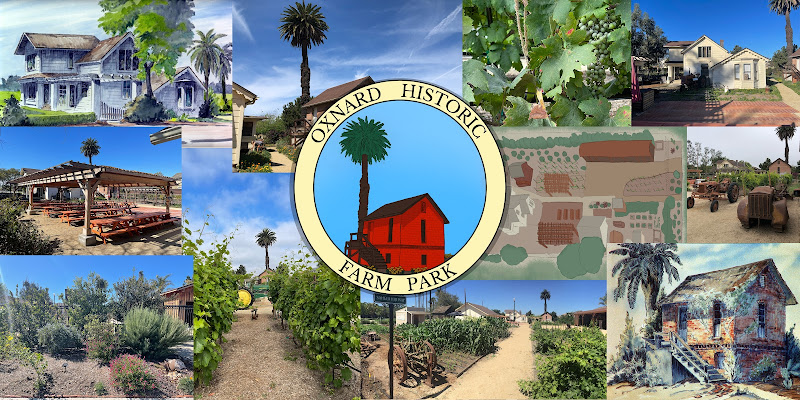
Oxnard Historic Farm Park
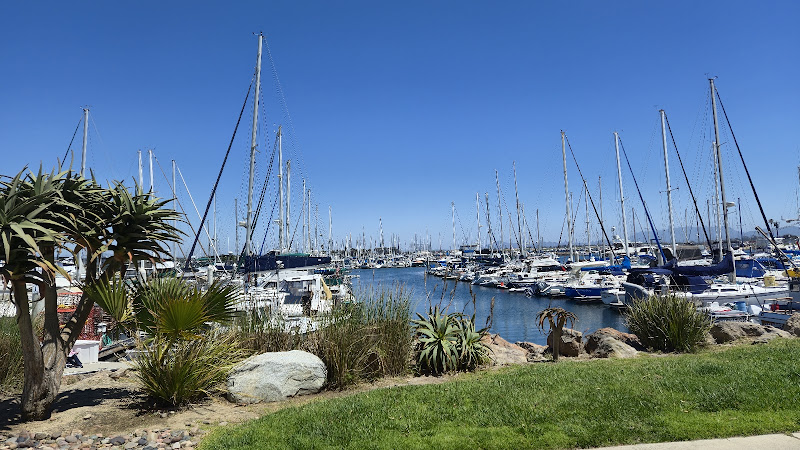
Harbor View Park
Find Accommodations Nearby
Recommended Tours & Activities
Visitor Reviews
There are no reviews yet. Be the first one to write one.
Share Your Experience
Have you visited Oxnard? Help other travelers by leaving a review.