
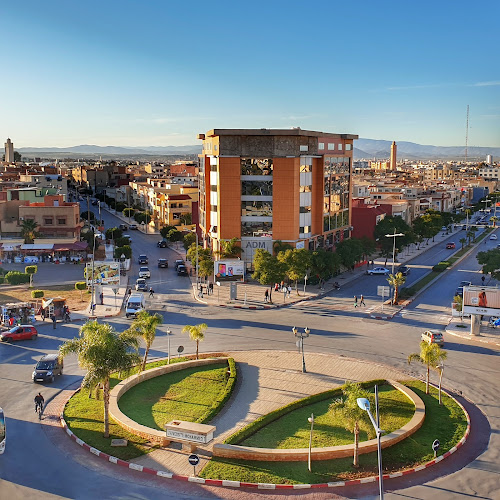
Oujda-Angad Prefecture
About Oujda-Angad Prefecture
Description
Oujda-Angad Prefecture sits in the northeast corner of Morocco, a region that most travelers rushing between Marrakech and Fes tend to overlook. And honestly, that's part of its charm. This urban prefecture in the Oriental Region has managed to maintain an authentic Moroccan character precisely because it hasn't been overrun by tour buses and selfie sticks. With a population hovering around 551,767 as of the 2014 census, it strikes that perfect balance between having proper infrastructure and retaining genuine local culture. The northern stretches of this prefecture have deep roots in the Béni Iznassen tribal territories, which gives the whole area a distinctive cultural flavor you won't find replicated elsewhere in Morocco. I've always found that places with strong tribal heritage tend to have more interesting stories, better food, and locals who are genuinely curious about visitors rather than viewing them as walking ATMs. What makes Oujda-Angad particularly interesting for travelers is its position as a crossroads. You're practically at the Algerian border here, which means the cultural influences blend in unexpected ways. The architecture tells stories of French colonial periods, Arabic traditions, and Berber heritage all mixed together. It's not trying to be a postcard-perfect destination, and thats exactly what makes it worth your time. The prefecture serves as both an urban center and a gateway to exploring the wider Oriental Region, which remains one of Morocco's least touristy areas. You'll find modern amenities when you need them but can easily venture into territories where life moves at a completely different pace. The landscape shifts from urban streets to agricultural plains to mountainous terrain surprisingly quickly, making it ideal for travelers who get restless staying in one type of environment.Key Features
- Strategic location in northeast Morocco offering easy access to both mountain and plain landscapes
- Rich Béni Iznassen tribal heritage particularly prominent in the northern areas of the prefecture
- Authentic Moroccan urban experience without overwhelming tourist crowds
- Proximity to the Algerian border creating unique cultural crossover influences
- Well-developed infrastructure with a population base that supports good services and amenities
- Gateway position for exploring the broader Oriental Region of Morocco
- Blend of French colonial, Arabic, and Berber architectural styles throughout the urban areas
- Traditional markets and souks that cater primarily to locals rather than tourists
- Access to agricultural regions where traditional farming practices are still visible
- Less commercialized atmosphere allowing for more genuine interactions with residents
- Diverse landscape within short distances from urban centers to rural countryside
- Historic significance as a trading crossroads between Morocco and Algeria
Best Time to Visit
Let me be straight with you about timing because it matters more here than in coastal Morocco. The Oriental Region experiences a semi-arid climate, and Oujda-Angad Prefecture definitely feels those temperature swings throughout the year. Spring, specifically March through May, is absolutely your best bet. The temperatures hover in that comfortable 18-25°C range, and the landscape actually shows some green after winter rains. I remember visiting in April once and being surprised by how pleasant the mornings were for walking around. You'll want to bring layers though because mornings can still be cool. Fall, particularly September through November, comes in as a close second. The brutal summer heat has backed off, but you're still getting plenty of sunshine. October especially tends to be gorgeous, with temperatures similar to spring but with clearer skies. The light in autumn here is something special for photography if that's your thing. Summer? Well, it gets hot. Like really hot. We're talking temperatures that can push past 40°C in July and August. But here's the thing - if you can handle the heat and plan your activities for early morning and evening, you'll have the place almost to yourself. Hotels drop their prices, and locals are more relaxed because the pace of life naturally slows down. Just don't plan on doing much between noon and 5 PM. Winter runs from December through February and brings its own considerations. It's not Mediterranean-coast mild here. Temperatures can drop to 5-10°C, and while snow in the city is rare, it's not impossible in the surrounding areas. Some travelers actually prefer this time because it feels more "real" - you're experiencing the place as locals do, bundled up and sipping mint tea to stay warm. Ramadan deserves a mention regardless of when it falls. Many restaurants close during daylight hours, and the rhythm of daily life shifts significantly. It's not a reason to avoid visiting, but you should be prepared and respectful. Actually, the evening iftar meals breaking the fast can be incredible cultural experiences if you're invited to join.How to Get There
Getting to Oujda-Angad Prefecture is more straightforward than you might expect for such an off-the-beaten-path destination. The prefecture is served by Angads Airport, which sits about 15 kilometers north of Oujda city. Royal Air Maroc operates regular flights from Casablanca, which means you can connect from pretty much anywhere internationally through Casa. The flight from Casablanca takes roughly 90 minutes, and honestly, it beats the 8-hour drive if you're short on time. Regional flights also connect Oujda to other Moroccan cities, though schedules can be irregular so you'll want to check current timetables. Some European cities offer seasonal direct flights, particularly from France given the historical connections and diaspora communities. If you're the type who prefers ground transportation, trains run from major Moroccan cities to Oujda. The journey from Fes takes about 4 hours, from Casablanca you're looking at around 8-9 hours. Moroccan trains are actually pretty decent - they're punctual by North African standards and reasonably comfortable. The first-class cars are worth the extra dirhams for longer journeys. Buses present another option, with CTM and Supratours being the most reliable companies. They're cheaper than trains but take longer and aren't quite as comfortable. But if you're on a tight budget, they'll get you there just fine. Driving yourself is totally doable if you're comfortable with Moroccan road conditions. The main highways are well-maintained, and the route from Fes via the A2 motorway is straightforward. Just be aware that driving styles here require a certain level of defensive awareness. Rental cars are available at the airport and in major cities. From Algeria, there's technically a border crossing, but its been closed for years due to political tensions. Don't plan on crossing overland from Algeria until you've confirmed the current situation.Tips for Visiting
Money matters first because it catches people off guard. ATMs are readily available in Oujda city, but they become scarce once you venture into rural areas. Carry cash in smaller denominations - trying to break a 200 dirham note at a small shop creates awkward situations. Credit cards work at larger hotels and some restaurants, but Morocco remains largely a cash society. Language will be your biggest practical challenge. French is widely spoken alongside Arabic and Berber languages, but English isn't as common as in tourist hotspots like Marrakech. Learn basic French phrases if you can, or at minimum have a translation app downloaded and working offline. The effort goes a long way with locals who appreciate attempts to communicate in their languages. Dress appropriately, especially if you're female. This isn't Casablanca or Rabat - the Oriental Region tends toward more conservative norms. That doesn't mean you need to cover everything, but shoulders and knees covered in public spaces shows respect and reduces unwanted attention. Men should avoid going shirtless outside of pool or beach areas. The tap water question comes up constantly. Officially, Moroccan tap water is treated and safe. Realistically, if your stomach isn't used to it, you might have issues. I stick to bottled water for drinking and use tap water for brushing teeth without problems. Your call based on your constitution. Food safety follows similar logic. Street food from busy stalls where you see locals eating is generally fine - high turnover means fresh ingredients. Empty restaurants at meal times should raise questions. Trust your instincts and watch where locals choose to eat. Bargaining in markets is expected but don't be aggressive about it. The goal isn't to pay the absolute minimum possible - it's to reach a price that feels fair to both parties. Starting at half the asking price and negotiating up works in most situations. And sometimes just accepting a price close to what they're asking builds goodwill that pays off in other ways. Photography requires awareness and permission. Don't photograph people without asking, especially women. Military and government buildings are off-limits for photos. When in doubt, ask or simply don't. Friday afternoons are quiet because many shops close for prayers and the day of rest. Plan your shopping and activities accordingly. Conversely, markets are often liveliest on Friday mornings and Sundays. Internet access exists but can be spotty outside main urban areas. Download maps, translation tools, and any essential information before you need them. Most hotels and many cafes offer WiFi, though speeds vary wildly. Lastly, embrace the pace here. Things move slower than in Western countries, and getting frustrated won't change that. Appointments are approximate, shops close unexpectedly, and schedules are flexible. This isn't inefficiency - it's a different approach to time. Roll with it and you'll have a much better experience.Key Features
- Historic medina and bustling souks in Oujda city
- Distinctive cultural mix with Raï music heritage
- French-colonial and Islamic architectural landmarks
- Proximity to Algeria border and cross-border cultural influences
- Access point to Oriental region’s countryside and small Berber towns
More Details
Updated March 30, 2026
Table of Contents
Description
Oujda-Angad Prefecture sits in the northeast corner of Morocco, a region that most travelers rushing between Marrakech and Fes tend to overlook. And honestly, that’s part of its charm. This urban prefecture in the Oriental Region has managed to maintain an authentic Moroccan character precisely because it hasn’t been overrun by tour buses and selfie sticks. With a population hovering around 551,767 as of the 2014 census, it strikes that perfect balance between having proper infrastructure and retaining genuine local culture.
The northern stretches of this prefecture have deep roots in the Béni Iznassen tribal territories, which gives the whole area a distinctive cultural flavor you won’t find replicated elsewhere in Morocco. I’ve always found that places with strong tribal heritage tend to have more interesting stories, better food, and locals who are genuinely curious about visitors rather than viewing them as walking ATMs.
What makes Oujda-Angad particularly interesting for travelers is its position as a crossroads. You’re practically at the Algerian border here, which means the cultural influences blend in unexpected ways. The architecture tells stories of French colonial periods, Arabic traditions, and Berber heritage all mixed together. It’s not trying to be a postcard-perfect destination, and thats exactly what makes it worth your time.
The prefecture serves as both an urban center and a gateway to exploring the wider Oriental Region, which remains one of Morocco’s least touristy areas. You’ll find modern amenities when you need them but can easily venture into territories where life moves at a completely different pace. The landscape shifts from urban streets to agricultural plains to mountainous terrain surprisingly quickly, making it ideal for travelers who get restless staying in one type of environment.
Key Features
- Strategic location in northeast Morocco offering easy access to both mountain and plain landscapes
- Rich Béni Iznassen tribal heritage particularly prominent in the northern areas of the prefecture
- Authentic Moroccan urban experience without overwhelming tourist crowds
- Proximity to the Algerian border creating unique cultural crossover influences
- Well-developed infrastructure with a population base that supports good services and amenities
- Gateway position for exploring the broader Oriental Region of Morocco
- Blend of French colonial, Arabic, and Berber architectural styles throughout the urban areas
- Traditional markets and souks that cater primarily to locals rather than tourists
- Access to agricultural regions where traditional farming practices are still visible
- Less commercialized atmosphere allowing for more genuine interactions with residents
- Diverse landscape within short distances from urban centers to rural countryside
- Historic significance as a trading crossroads between Morocco and Algeria
Best Time to Visit
Let me be straight with you about timing because it matters more here than in coastal Morocco. The Oriental Region experiences a semi-arid climate, and Oujda-Angad Prefecture definitely feels those temperature swings throughout the year.
Spring, specifically March through May, is absolutely your best bet. The temperatures hover in that comfortable 18-25°C range, and the landscape actually shows some green after winter rains. I remember visiting in April once and being surprised by how pleasant the mornings were for walking around. You’ll want to bring layers though because mornings can still be cool.
Fall, particularly September through November, comes in as a close second. The brutal summer heat has backed off, but you’re still getting plenty of sunshine. October especially tends to be gorgeous, with temperatures similar to spring but with clearer skies. The light in autumn here is something special for photography if that’s your thing.
Summer? Well, it gets hot. Like really hot. We’re talking temperatures that can push past 40°C in July and August. But here’s the thing – if you can handle the heat and plan your activities for early morning and evening, you’ll have the place almost to yourself. Hotels drop their prices, and locals are more relaxed because the pace of life naturally slows down. Just don’t plan on doing much between noon and 5 PM.
Winter runs from December through February and brings its own considerations. It’s not Mediterranean-coast mild here. Temperatures can drop to 5-10°C, and while snow in the city is rare, it’s not impossible in the surrounding areas. Some travelers actually prefer this time because it feels more “real” – you’re experiencing the place as locals do, bundled up and sipping mint tea to stay warm.
Ramadan deserves a mention regardless of when it falls. Many restaurants close during daylight hours, and the rhythm of daily life shifts significantly. It’s not a reason to avoid visiting, but you should be prepared and respectful. Actually, the evening iftar meals breaking the fast can be incredible cultural experiences if you’re invited to join.
How to Get There
Getting to Oujda-Angad Prefecture is more straightforward than you might expect for such an off-the-beaten-path destination. The prefecture is served by Angads Airport, which sits about 15 kilometers north of Oujda city. Royal Air Maroc operates regular flights from Casablanca, which means you can connect from pretty much anywhere internationally through Casa. The flight from Casablanca takes roughly 90 minutes, and honestly, it beats the 8-hour drive if you’re short on time.
Regional flights also connect Oujda to other Moroccan cities, though schedules can be irregular so you’ll want to check current timetables. Some European cities offer seasonal direct flights, particularly from France given the historical connections and diaspora communities.
If you’re the type who prefers ground transportation, trains run from major Moroccan cities to Oujda. The journey from Fes takes about 4 hours, from Casablanca you’re looking at around 8-9 hours. Moroccan trains are actually pretty decent – they’re punctual by North African standards and reasonably comfortable. The first-class cars are worth the extra dirhams for longer journeys.
Buses present another option, with CTM and Supratours being the most reliable companies. They’re cheaper than trains but take longer and aren’t quite as comfortable. But if you’re on a tight budget, they’ll get you there just fine.
Driving yourself is totally doable if you’re comfortable with Moroccan road conditions. The main highways are well-maintained, and the route from Fes via the A2 motorway is straightforward. Just be aware that driving styles here require a certain level of defensive awareness. Rental cars are available at the airport and in major cities.
From Algeria, there’s technically a border crossing, but its been closed for years due to political tensions. Don’t plan on crossing overland from Algeria until you’ve confirmed the current situation.
Tips for Visiting
Money matters first because it catches people off guard. ATMs are readily available in Oujda city, but they become scarce once you venture into rural areas. Carry cash in smaller denominations – trying to break a 200 dirham note at a small shop creates awkward situations. Credit cards work at larger hotels and some restaurants, but Morocco remains largely a cash society.
Language will be your biggest practical challenge. French is widely spoken alongside Arabic and Berber languages, but English isn’t as common as in tourist hotspots like Marrakech. Learn basic French phrases if you can, or at minimum have a translation app downloaded and working offline. The effort goes a long way with locals who appreciate attempts to communicate in their languages.
Dress appropriately, especially if you’re female. This isn’t Casablanca or Rabat – the Oriental Region tends toward more conservative norms. That doesn’t mean you need to cover everything, but shoulders and knees covered in public spaces shows respect and reduces unwanted attention. Men should avoid going shirtless outside of pool or beach areas.
The tap water question comes up constantly. Officially, Moroccan tap water is treated and safe. Realistically, if your stomach isn’t used to it, you might have issues. I stick to bottled water for drinking and use tap water for brushing teeth without problems. Your call based on your constitution.
Food safety follows similar logic. Street food from busy stalls where you see locals eating is generally fine – high turnover means fresh ingredients. Empty restaurants at meal times should raise questions. Trust your instincts and watch where locals choose to eat.
Bargaining in markets is expected but don’t be aggressive about it. The goal isn’t to pay the absolute minimum possible – it’s to reach a price that feels fair to both parties. Starting at half the asking price and negotiating up works in most situations. And sometimes just accepting a price close to what they’re asking builds goodwill that pays off in other ways.
Photography requires awareness and permission. Don’t photograph people without asking, especially women. Military and government buildings are off-limits for photos. When in doubt, ask or simply don’t.
Friday afternoons are quiet because many shops close for prayers and the day of rest. Plan your shopping and activities accordingly. Conversely, markets are often liveliest on Friday mornings and Sundays.
Internet access exists but can be spotty outside main urban areas. Download maps, translation tools, and any essential information before you need them. Most hotels and many cafes offer WiFi, though speeds vary wildly.
Lastly, embrace the pace here. Things move slower than in Western countries, and getting frustrated won’t change that. Appointments are approximate, shops close unexpectedly, and schedules are flexible. This isn’t inefficiency – it’s a different approach to time. Roll with it and you’ll have a much better experience.
Key Highlights
- Historic medina and bustling souks in Oujda city
- Distinctive cultural mix with Raï music heritage
- French-colonial and Islamic architectural landmarks
- Proximity to Algeria border and cross-border cultural influences
- Access point to Oriental region’s countryside and small Berber towns
Location
Places to Stay Near Oujda-Angad Prefecture
Find and Book a Tour
Explore More Travel Guides
No reviews found! Be the first to review!
Oujda-Angad Prefecture is a prominent Attractions located in MA.
Traveler Reviews for Oujda-Angad Prefecture
There are no reviews yet. Be the first one to write one.
Have you visited Oujda-Angad Prefecture? Help other travelers by sharing your review.
Nearby Attractions
You Might Also Like

Kasbat El Mehdia

Province de Sidi Bennour

Gara Medouar, Marocco
Find Accommodations Nearby
Recommended Tours & Activities
Visitor Reviews
There are no reviews yet. Be the first one to write one.
Share Your Experience
Have you visited Oujda-Angad Prefecture? Help other travelers by leaving a review.