
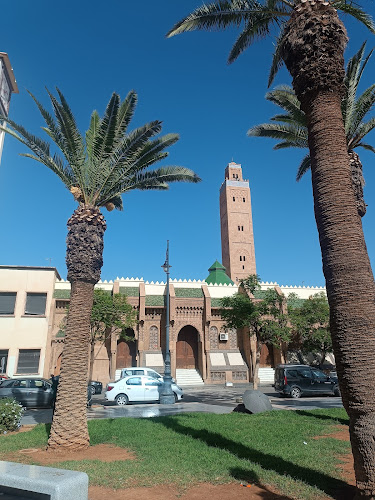
Oued Nachef
About Oued Nachef
Description
Oued Nachef represents one of those river destinations that manages to surprise travelers who venture beyond the typical tourist circuits. When I first heard about this place, I'll admit I wasn't expecting much—just another riverbed in North Africa, right? But the reality proved quite different from my initial assumptions. This watercourse cuts through the landscape with a quiet determination that's characteristic of rivers in this region. The surrounding terrain shifts between rocky outcrops and gentler slopes, creating a natural corridor that's been shaped by centuries of water flow and geological activity. What makes Oued Nachef particularly interesting is how it transforms throughout the year, offering completely different experiences depending on when you show up. The river attracts a diverse crowd of visitors, from local families seeking respite from urban life to international travelers looking for authentic natural experiences. You'll find that it's not overly developed or commercialized, which can be both a blessing and a challenge depending on what you're after. The area maintains a raw, unpolished character that some travelers absolutely love while others might find it lacking in amenities. And here's something I found fascinating—the ecosystem around Oued Nachef supports a variety of plant and animal species that have adapted to the semi-arid conditions. The vegetation clings to life along the riverbanks, creating pockets of greenery that contrast sharply with the surrounding landscape. It's this interplay between water and arid land that gives the place its distinctive character.Key Features
Oued Nachef offers several distinctive characteristics that make it worth considering for your travel itinerary:- Natural river environment that changes dramatically between wet and dry seasons, providing different visual experiences throughout the year
- Relatively undiscovered by mass tourism, allowing for quieter exploration and genuine encounters with the landscape
- Rocky terrain and interesting geological formations that appeal to photography enthusiasts and nature lovers
- Traditional local atmosphere where you can observe how communities interact with river systems in North African contexts
- Opportunities for hiking and walking along the riverbanks, though trails aren't always well-marked or maintained
- Bird watching possibilities, especially during migration periods when the water sources attract various species
- Picnic-friendly areas where families and groups gather, particularly on weekends and holidays
- Minimal infrastructure development means you're getting a more authentic, unfiltered natural experience
- Accessible for day trips without requiring extensive camping equipment or overnight stays
- Free admission allows budget-conscious travelers to enjoy the natural beauty without entry fees
Best Time to Visit
Timing your visit to Oued Nachef can literally make or break your experience, and I can't stress this enough. The river doesn't maintain consistent water levels year-round, so what you see in March might look nothing like what's there in August. Spring months from March through May generally offer the most rewarding conditions. During this period, you'll likely find the river flowing with decent water levels following winter rains. The temperatures are also manageable—not too scorching hot yet—making outdoor exploration actually pleasant rather than an endurance test. The landscape comes alive during these months with whatever vegetation can take hold in this environment showing its best colors. But if you visit during the summer months, particularly July and August, you need to adjust your expectations accordingly. The river might be reduced to a trickle or completely dry in sections. Some travelers actually prefer this because you can walk along the riverbed itself and examine the geological features up close. However, the heat can be pretty intense, so you'd better prepare yourself with adequate sun protection and hydration. Autumn, especially September and October, presents another decent window for visiting. The brutal summer heat starts backing off, and occasional early rains might begin replenishing the water sources. The lighting during these months can be spectacular for photography, with that golden quality that makes landscapes pop. Winter visits are possible but can be unpredictable. You might encounter rain, which transforms the area but also makes access more challenging. Some visitors have found winter to be rewarding for its dramatic skies and the possibility of seeing the river in full flow, though this comes with the risk of encountering inclement weather. Weekends tend to attract more local visitors, so if you're seeking solitude, aim for weekday visits. Friday afternoons through Saturdays see increased activity from families and groups enjoying their time off.How to Get There
Getting to Oued Nachef requires some planning since it's not located in the middle of a major urban center with straightforward public transportation options. Most travelers find that having access to a private vehicle makes the journey considerably easier and gives you flexibility in timing and exploration. If you're coming from the nearest significant town or city, you'll typically be looking at a drive that takes you through varied terrain. The road conditions can vary—some sections are reasonably maintained while others might test your vehicle's suspension a bit. I'd recommend a car with decent ground clearance if possible, though many visitors do manage with standard vehicles during dry conditions. Public transportation options exist but they're not always frequent or convenient. Local buses or shared taxis might get you to the general area, but you'll likely need to arrange additional transportation for the final approach to the river. This can involve negotiating with local drivers or walking a fair distance, so factor that into your planning. Navigation can be tricky since the area doesn't have the kind of signage you'd find at major tourist sites. Using GPS coordinates is helpful, and downloading offline maps before you go is just smart planning. Mobile coverage can be spotty in the area, so don't rely solely on your phone for navigation. For international travelers, coordinating with a local guide or tour operator might eliminate much of the uncertainty, though this obviously comes at additional cost. Some visitors have had success connecting with local residents who know the area well and can provide both transportation and insights about the best spots to explore. Parking isn't formalized in most areas near the river, so you'll essentially be finding a safe spot to leave your vehicle and proceeding on foot. Be mindful of the terrain and avoid parking in areas that could become problematic if weather conditions change.Tips for Visiting
After gathering information from numerous visitors who've experienced Oued Nachef firsthand, several practical recommendations emerge that can significantly improve your visit. Water is non-negotiable. Bring more than you think you'll need because there aren't convenient stores or facilities nearby where you can purchase refreshments. I'm talking multiple liters per person, especially if you're visiting during warmer months. And honestly, throwing in some electrolyte replacement isn't a bad idea either. Sun protection goes beyond just slapping on some sunscreen—though definitely do that too. A wide-brimmed hat, sunglasses, and light-colored, long-sleeved clothing can make the difference between an enjoyable outing and a miserable sunburn experience. The intensity of sunlight in this region catches many visitors off guard. Footwear matters more than you might initially think. The terrain includes rocks, potentially slippery surfaces near the water, and uneven ground. Those cute sandals or brand-new hiking boots you haven't broken in yet? Leave them behind. Sturdy, comfortable shoes with good traction and ankle support are what you want. Pack out everything you pack in. This should go without saying, but unfortunately it needs to be said. The area doesn't have regular cleaning services or trash collection, so whatever you bring needs to leave with you. Bringing an extra bag specifically for collecting your trash makes this easier to manage. Wildlife awareness is important, though you're not dealing with dangerous large animals. However, snakes and insects do inhabit the area. Watch where you step and where you put your hands, especially when scrambling over rocks or sitting down in vegetated areas. Check weather forecasts before heading out and be prepared to reschedule if conditions look questionable. Flash flooding can occur in river systems like this during heavy rains, even if the weather seems fine at the river itself. Rain falling in upstream areas can send water rushing through surprisingly quickly. Photography equipment deserves special consideration. The dust and potential water exposure mean you should have protective gear for your cameras and phones. A simple plastic bag can save expensive equipment from disaster. Respect local customs and other visitors. If you encounter families or groups, a friendly greeting goes a long way. Modest dress is generally appreciated, particularly if you're visiting areas where local families gather. Don't expect facilities like restrooms, food vendors, or first aid stations. This is genuinely a bring-everything-you-need situation. Some visitors have mentioned feeling unprepared when they realized just how undeveloped the area is. Consider visiting with a companion rather than solo, particularly if you're unfamiliar with the region. Having someone else along provides both safety backup and makes the experience more enjoyable for many people. Time your visit to allow for exploration without rushing. The landscape reveals its character slowly, and the best experiences often come from simply sitting by the water—when there is water—and observing the environment rather than frantically trying to see everything in an hour.Key Features
- Urban-adjacent stream flowing through Oujda outskirts
- Seasonal flow with pools after winter rains
- Nearby residential neighborhoods (Hay Ettouba, Hay Ettaqaddom)
- Opportunities for birdwatching and low-impact photography
- Authentic local atmosphere and informal irrigation sites
More Details
Updated March 30, 2026
Table of Contents
Description
Oued Nachef represents one of those river destinations that manages to surprise travelers who venture beyond the typical tourist circuits. When I first heard about this place, I’ll admit I wasn’t expecting much—just another riverbed in North Africa, right? But the reality proved quite different from my initial assumptions.
This watercourse cuts through the landscape with a quiet determination that’s characteristic of rivers in this region. The surrounding terrain shifts between rocky outcrops and gentler slopes, creating a natural corridor that’s been shaped by centuries of water flow and geological activity. What makes Oued Nachef particularly interesting is how it transforms throughout the year, offering completely different experiences depending on when you show up.
The river attracts a diverse crowd of visitors, from local families seeking respite from urban life to international travelers looking for authentic natural experiences. You’ll find that it’s not overly developed or commercialized, which can be both a blessing and a challenge depending on what you’re after. The area maintains a raw, unpolished character that some travelers absolutely love while others might find it lacking in amenities.
And here’s something I found fascinating—the ecosystem around Oued Nachef supports a variety of plant and animal species that have adapted to the semi-arid conditions. The vegetation clings to life along the riverbanks, creating pockets of greenery that contrast sharply with the surrounding landscape. It’s this interplay between water and arid land that gives the place its distinctive character.
Key Features
Oued Nachef offers several distinctive characteristics that make it worth considering for your travel itinerary:
- Natural river environment that changes dramatically between wet and dry seasons, providing different visual experiences throughout the year
- Relatively undiscovered by mass tourism, allowing for quieter exploration and genuine encounters with the landscape
- Rocky terrain and interesting geological formations that appeal to photography enthusiasts and nature lovers
- Traditional local atmosphere where you can observe how communities interact with river systems in North African contexts
- Opportunities for hiking and walking along the riverbanks, though trails aren’t always well-marked or maintained
- Bird watching possibilities, especially during migration periods when the water sources attract various species
- Picnic-friendly areas where families and groups gather, particularly on weekends and holidays
- Minimal infrastructure development means you’re getting a more authentic, unfiltered natural experience
- Accessible for day trips without requiring extensive camping equipment or overnight stays
- Free admission allows budget-conscious travelers to enjoy the natural beauty without entry fees
Best Time to Visit
Timing your visit to Oued Nachef can literally make or break your experience, and I can’t stress this enough. The river doesn’t maintain consistent water levels year-round, so what you see in March might look nothing like what’s there in August.
Spring months from March through May generally offer the most rewarding conditions. During this period, you’ll likely find the river flowing with decent water levels following winter rains. The temperatures are also manageable—not too scorching hot yet—making outdoor exploration actually pleasant rather than an endurance test. The landscape comes alive during these months with whatever vegetation can take hold in this environment showing its best colors.
But if you visit during the summer months, particularly July and August, you need to adjust your expectations accordingly. The river might be reduced to a trickle or completely dry in sections. Some travelers actually prefer this because you can walk along the riverbed itself and examine the geological features up close. However, the heat can be pretty intense, so you’d better prepare yourself with adequate sun protection and hydration.
Autumn, especially September and October, presents another decent window for visiting. The brutal summer heat starts backing off, and occasional early rains might begin replenishing the water sources. The lighting during these months can be spectacular for photography, with that golden quality that makes landscapes pop.
Winter visits are possible but can be unpredictable. You might encounter rain, which transforms the area but also makes access more challenging. Some visitors have found winter to be rewarding for its dramatic skies and the possibility of seeing the river in full flow, though this comes with the risk of encountering inclement weather.
Weekends tend to attract more local visitors, so if you’re seeking solitude, aim for weekday visits. Friday afternoons through Saturdays see increased activity from families and groups enjoying their time off.
How to Get There
Getting to Oued Nachef requires some planning since it’s not located in the middle of a major urban center with straightforward public transportation options. Most travelers find that having access to a private vehicle makes the journey considerably easier and gives you flexibility in timing and exploration.
If you’re coming from the nearest significant town or city, you’ll typically be looking at a drive that takes you through varied terrain. The road conditions can vary—some sections are reasonably maintained while others might test your vehicle’s suspension a bit. I’d recommend a car with decent ground clearance if possible, though many visitors do manage with standard vehicles during dry conditions.
Public transportation options exist but they’re not always frequent or convenient. Local buses or shared taxis might get you to the general area, but you’ll likely need to arrange additional transportation for the final approach to the river. This can involve negotiating with local drivers or walking a fair distance, so factor that into your planning.
Navigation can be tricky since the area doesn’t have the kind of signage you’d find at major tourist sites. Using GPS coordinates is helpful, and downloading offline maps before you go is just smart planning. Mobile coverage can be spotty in the area, so don’t rely solely on your phone for navigation.
For international travelers, coordinating with a local guide or tour operator might eliminate much of the uncertainty, though this obviously comes at additional cost. Some visitors have had success connecting with local residents who know the area well and can provide both transportation and insights about the best spots to explore.
Parking isn’t formalized in most areas near the river, so you’ll essentially be finding a safe spot to leave your vehicle and proceeding on foot. Be mindful of the terrain and avoid parking in areas that could become problematic if weather conditions change.
Tips for Visiting
After gathering information from numerous visitors who’ve experienced Oued Nachef firsthand, several practical recommendations emerge that can significantly improve your visit.
Water is non-negotiable. Bring more than you think you’ll need because there aren’t convenient stores or facilities nearby where you can purchase refreshments. I’m talking multiple liters per person, especially if you’re visiting during warmer months. And honestly, throwing in some electrolyte replacement isn’t a bad idea either.
Sun protection goes beyond just slapping on some sunscreen—though definitely do that too. A wide-brimmed hat, sunglasses, and light-colored, long-sleeved clothing can make the difference between an enjoyable outing and a miserable sunburn experience. The intensity of sunlight in this region catches many visitors off guard.
Footwear matters more than you might initially think. The terrain includes rocks, potentially slippery surfaces near the water, and uneven ground. Those cute sandals or brand-new hiking boots you haven’t broken in yet? Leave them behind. Sturdy, comfortable shoes with good traction and ankle support are what you want.
Pack out everything you pack in. This should go without saying, but unfortunately it needs to be said. The area doesn’t have regular cleaning services or trash collection, so whatever you bring needs to leave with you. Bringing an extra bag specifically for collecting your trash makes this easier to manage.
Wildlife awareness is important, though you’re not dealing with dangerous large animals. However, snakes and insects do inhabit the area. Watch where you step and where you put your hands, especially when scrambling over rocks or sitting down in vegetated areas.
Check weather forecasts before heading out and be prepared to reschedule if conditions look questionable. Flash flooding can occur in river systems like this during heavy rains, even if the weather seems fine at the river itself. Rain falling in upstream areas can send water rushing through surprisingly quickly.
Photography equipment deserves special consideration. The dust and potential water exposure mean you should have protective gear for your cameras and phones. A simple plastic bag can save expensive equipment from disaster.
Respect local customs and other visitors. If you encounter families or groups, a friendly greeting goes a long way. Modest dress is generally appreciated, particularly if you’re visiting areas where local families gather.
Don’t expect facilities like restrooms, food vendors, or first aid stations. This is genuinely a bring-everything-you-need situation. Some visitors have mentioned feeling unprepared when they realized just how undeveloped the area is.
Consider visiting with a companion rather than solo, particularly if you’re unfamiliar with the region. Having someone else along provides both safety backup and makes the experience more enjoyable for many people.
Time your visit to allow for exploration without rushing. The landscape reveals its character slowly, and the best experiences often come from simply sitting by the water—when there is water—and observing the environment rather than frantically trying to see everything in an hour.
Key Highlights
- Urban-adjacent stream flowing through Oujda outskirts
- Seasonal flow with pools after winter rains
- Nearby residential neighborhoods (Hay Ettouba, Hay Ettaqaddom)
- Opportunities for birdwatching and low-impact photography
- Authentic local atmosphere and informal irrigation sites
Location
Places to Stay Near Oued Nachef
Find and Book a Tour
Explore More Travel Guides
No reviews found! Be the first to review!
Oued Nachef is a prominent Attractions located in MA.
Traveler Reviews for Oued Nachef
There are no reviews yet. Be the first one to write one.
Have you visited Oued Nachef? Help other travelers by sharing your review.
Nearby Attractions
You Might Also Like

Plage Souani

VGK Karting

Barrage Al-Hassan Addakhil
Find Accommodations Nearby
Recommended Tours & Activities
Visitor Reviews
There are no reviews yet. Be the first one to write one.
Share Your Experience
Have you visited Oued Nachef? Help other travelers by leaving a review.