
Fez-Meknès
About Fez-Meknès
Description
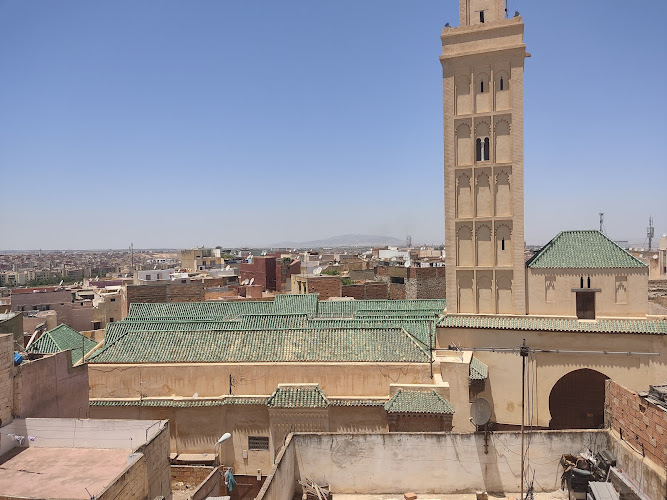
Travelers who venture into the Fez-Meknès region discover one of Morocco's most historically rich territories, home to over 4.4 million residents spread across landscapes that shift dramatically from ancient medinas to rolling agricultural plains. This administrative region sits in the northern-central part of the country, and honestly, it's where you'll find some of the most authentic Moroccan experiences without the overwhelming tourist crowds you might encounter elsewhere. The region takes its name from its two major cities - Fez, which serves as the capital, and Meknès, both imperial cities that have shaped Moroccan history for centuries. I remember my first trip here, getting completely turned around in the labyrinthine streets of Fez's medina, and thinking there's simply no digital map that could've prepared me for the sensory overload that awaited. The smell of leather from the tanneries, the calls of shopkeepers, the narrow alleyways where donkeys still transport goods just like they did hundreds of years ago - it all creates an atmosphere that feels genuinely untouched by modern tourism's homogenizing effects. What makes Fez-Meknès stand out isn't just its urban centers, though. The region extends into countryside dotted with olive groves, vineyards, and Middle Atlas mountain ranges where Berber communities maintain traditional ways of life. You've got Roman ruins at Volubilis, sacred sites like Moulay Idriss, and natural landscapes that range from cedar forests to dramatic gorges. It's this diversity that keeps drawing people back, because you can't possibly absorb everything in just one visit. The administrative structure under President Abdelouhed El Ansari and Wali Mouaad Jamai works to balance preservation of cultural heritage with modern development needs, though like anywhere, it's an ongoing challenge. You'll notice this tension throughout your travels - ancient crafts surviving alongside newer industries, traditional lifestyles coexisting with contemporary aspirations.Key Features
The Fez-Meknès region offers travelers a collection of experiences that span different eras and interests:- Fez el-Bali - The old medina of Fez is recognized as one of the world's largest car-free urban areas and a UNESCO World Heritage site, where medieval Islamic architecture remains remarkably intact
- Volubilis Archaeological Site - These exceptionally preserved Roman ruins showcase mosaics and structures from when this was a provincial capital, offering insight into Morocco's pre-Islamic history
- Meknès Imperial City - Built by Sultan Moulay Ismail in the 17th century, this city features massive gates, royal stables, and granaries that demonstrate Morocco's imperial ambitions during that period
- Traditional Tanneries - The Chouara Tannery in Fez continues using methods unchanged since medieval times, where workers still dye leather in stone vessels filled with natural pigments
- Al-Qarawiyyin University - Founded in 859 CE, it holds the Guinness World Record as the world's oldest continuously operating educational institution, though non-Muslims cannot enter the prayer areas
- Middle Atlas Landscapes - The region's southern portions include cedar forests, mountain villages, and cooler climates that contrast sharply with the desert stereotypes many visitors expect
- Artisan Quarters - Neighborhoods dedicated to specific crafts like woodworking, metalwork, and textile weaving where master craftsmen train apprentices in centuries-old techniques
- Moulay Idriss Zerhoun - This holy town built on two hills contains the tomb of Morocco's founder and attracts pilgrims while maintaining an atmosphere quite different from larger cities
- Regional Cuisine - The area's food traditions include dishes like pastilla, harira, and regional variations of tagine that differ noticeably from coastal Moroccan cooking
- Agricultural Production - Olive oil, wine, cereals, and other agricultural products come from the region's fertile plains, contributing significantly to Morocco's food production
Best Time to Visit
Timing your visit to Fez-Meknès really depends on what you can tolerate heat-wise and what kind of experience you're after. The region experiences a continental climate with hot summers and cold winters, which is different from Morocco's coastal areas. Spring months from March through May offer probably the most pleasant conditions overall. Temperatures hover in the comfortable 20-25°C range, the countryside blooms with wildflowers, and you won't be competing with peak summer crowds. I've found April particularly lovely, when the days are warm enough for comfortable exploration but evenings retain a coolness that makes those rooftop restaurant dinners actually enjoyable rather than sweaty affairs. Fall, specifically September through November, runs a close second. The harvest season brings fresh produce to markets, the intense summer heat has broken, and there's something special about watching the light change as autumn progresses. October can be especially good because the Sufi music festivals sometimes happen around this time, adding cultural events to the usual historical attractions. Summer visits from June to August require some mental preparation. Temperatures regularly climb above 35°C, and wandering through the medina's covered souks becomes an exercise in heat management. But there's advantages too - fewer international tourists, lower accommodation prices, and a chance to see how locals actually live during their hottest months. Just plan your sightseeing for early mornings and late afternoons, taking proper siesta breaks like the residents do. Winter months can surprise unprepared visitors. December through February brings cold nights, occasional rain, and even snow in higher elevations. The medinas feel atmospheric with fewer crowds, but pack layers because those stone buildings retain the cold. And honestly? Winter visits can be magical if you're prepared - seeing the ancient architecture dusted with snow or rain creates photographs you won't get during standard tourist season. Religious calendar considerations matter here too. During Ramadan, restaurants close during daylight hours, attractions keep reduced schedules, and the rhythm of daily life shifts completely. Some travelers find this fascinating and respectful if they're prepared; others find it challenging for practical touring purposes.How to Get There
Fez-Saïss Airport serves as the region's main international gateway, located about 15 kilometers south of Fez city center. Direct flights connect from European cities like Paris, Brussels, Madrid, and several others, though routes vary seasonally. From the airport, taxis run on fixed rates to the city - make sure you agree on the price before departing or insist on the meter, because the airport taxi situation can get sketchy with drivers trying to overcharge obviously foreign visitors. Many travelers actually fly into Casablanca's Mohammed V International Airport instead, which has more international connections and often cheaper flights. From there, you've got options. The train journey from Casablanca to Fez takes roughly four hours and costs a fraction of what you'd pay for internal flights or private transfers. The trains run regularly, offer first and second class options, and provide comfortable views of Morocco's changing landscapes as you travel inland. If you're already in Morocco, the country's train network connects Fez-Meknès with most major cities pretty efficiently. The ONCF rail system links Fez with Tangier in the north, Marrakech in the south, and Rabat in the west. Second class is perfectly comfortable and lets you mingle with locals; first class provides more space and air conditioning that actually works consistently. Bus services through CTM and Supratours cover routes that trains don't reach, especially to smaller towns within the region like Ifrane or various Middle Atlas destinations. These companies offer more reliability and comfort than local bus services, though departures sometimes run on "Moroccan time" rather than strict schedules. Driving gives you the most flexibility for exploring the region's countryside, Roman ruins, and mountain areas that public transport serves poorly. Car rentals are available at airports and in cities, though navigating medina areas is absolutely not recommended - the narrow streets weren't designed for cars, and you'll create traffic chaos while stressing yourself out unnecessarily. Many visitors rent cars specifically for day trips while keeping accommodation in walkable medina riads. Within the region, grand taxis (shared taxis) connect cities and towns using a system that confuses newcomers but works efficiently once you understand it. These vintage Mercedes fit six passengers and depart when full, offering a budget option that's faster than buses but requires some patience and basic French or Arabic to negotiate.Tips for Visiting
Getting around the medinas requires accepting that you will get lost - not if, but when and how often. Those winding streets developed organically over centuries following foot traffic patterns, not any logical grid system. Download offline maps beforehand, but don't rely on them exclusively because GPS signals bounce unpredictably off the high walls. Instead, learn major landmarks and ask directions frequently. Moroccans generally help lost tourists, and the occasional wrong turn leads to discoveries you wouldn't find following guidebook routes. Dress considerations matter more here than in coastal Moroccan cities. The Fez-Meknès region tends toward more conservative social norms, particularly outside main tourist areas. Both men and women should cover shoulders and knees when visiting religious sites or wandering residential neighborhoods. This isn't strict like some Middle Eastern countries, but showing respect through clothing choices opens doors literally and figuratively. The tanneries present an olfactory challenge that catches unprepared visitors off guard. Those traditional leather-dying methods involve pigeon droppings, cow urine, and other natural but pungent ingredients. Guides offer mint sprigs to hold under your nose - take them. The smell hits hard, though you somewhat adjust after a few minutes. The visual spectacle of colored dye pits and workers laboring in conditions unchanged for generations makes it worthwhile despite the assault on your nostrils. Money matters require attention because credit cards aren't universally accepted, especially in smaller shops and restaurants. ATMs exist throughout the cities, though they sometimes run out of cash on weekends or before holidays. Carrying small denomination dirhams helps with tipping, taxis, and market purchases where breaking large bills creates drama. And yes, bargaining remains standard practice in souks - starting at about 40% of the initial asking price isn't insulting, it's expected. Language wise, French serves you better than English in Fez-Meknès compared to places like Marrakech or coastal resorts. Many residents speak Darija (Moroccan Arabic) and French, with English more common among younger people in tourist industries. Learning basic French greetings and numbers makes practical sense. A few Arabic phrases show respect and generally earn smiles, even when your pronunciation massacres the words. Hiring guides makes sense for certain sites, particularly the medinas where you'll otherwise spend hours wandering without understanding what you're seeing. Official guides wear badges and charge regulated rates, though unofficial guides approach tourists constantly offering cheaper services. The unofficial ones range from genuinely knowledgeable locals to scammers, so it's a gamble. For major sites like Volubilis or important medina sections, budgeting for an official guide enhances understanding significantly. Food adventures should include trying street food and local restaurants rather than just tourist-oriented places. The best meals often come from tiny restaurants frequented entirely by residents, where menus might not exist and you'll eat whatever they're serving that day. These spots offer authentic flavors and prices that don't carry the tourist markup. Just follow basic food safety practices - choose busy places with high turnover and cooked-to-order items. Photography requires cultural sensitivity here more than technical skill. Always ask before photographing people, especially women, and respect refusals graciously. Some craftsmen in the souks happily pose with their work; others view cameras as preludes to demands for money without purchases. Religious sites generally prohibit interior photography - respect these rules because security takes them seriously. Accommodation booking benefits from choosing riads in the medinas rather than generic hotels if you want authentic atmosphere. These traditional houses converted into guesthouses offer architectural beauty and central locations, though understand that "central medina location" means lugging your suitcase through narrow streets because cars can't reach the entrance. Many riads arrange porter services that make this easier. The region rewards travelers who slow down rather than rushing through a checklist of sites. The point isn't collecting Instagram photos from every UNESCO location but absorbing the rhythm of places where medieval trade routes, Islamic scholarship, and traditional craftsmanship still shape daily existence. Give yourself permission to spend an afternoon just watching artisans work, or sitting in a cafe observing street life, or returning to that restaurant from three nights ago because the tagine was that good.Key Features
- Key Features
- Best Time to Visit
- How to Get There
- Tips for Visiting
More Details
Updated March 30, 2026
Table of Contents
Description
Travelers who venture into the Fez-Meknès region discover one of Morocco’s most historically rich territories, home to over 4.4 million residents spread across landscapes that shift dramatically from ancient medinas to rolling agricultural plains. This administrative region sits in the northern-central part of the country, and honestly, it’s where you’ll find some of the most authentic Moroccan experiences without the overwhelming tourist crowds you might encounter elsewhere.
The region takes its name from its two major cities – Fez, which serves as the capital, and Meknès, both imperial cities that have shaped Moroccan history for centuries. I remember my first trip here, getting completely turned around in the labyrinthine streets of Fez’s medina, and thinking there’s simply no digital map that could’ve prepared me for the sensory overload that awaited. The smell of leather from the tanneries, the calls of shopkeepers, the narrow alleyways where donkeys still transport goods just like they did hundreds of years ago – it all creates an atmosphere that feels genuinely untouched by modern tourism’s homogenizing effects.
What makes Fez-Meknès stand out isn’t just its urban centers, though. The region extends into countryside dotted with olive groves, vineyards, and Middle Atlas mountain ranges where Berber communities maintain traditional ways of life. You’ve got Roman ruins at Volubilis, sacred sites like Moulay Idriss, and natural landscapes that range from cedar forests to dramatic gorges. It’s this diversity that keeps drawing people back, because you can’t possibly absorb everything in just one visit.
The administrative structure under President Abdelouhed El Ansari and Wali Mouaad Jamai works to balance preservation of cultural heritage with modern development needs, though like anywhere, it’s an ongoing challenge. You’ll notice this tension throughout your travels – ancient crafts surviving alongside newer industries, traditional lifestyles coexisting with contemporary aspirations.
Key Features
The Fez-Meknès region offers travelers a collection of experiences that span different eras and interests:
- Fez el-Bali – The old medina of Fez is recognized as one of the world’s largest car-free urban areas and a UNESCO World Heritage site, where medieval Islamic architecture remains remarkably intact
- Volubilis Archaeological Site – These exceptionally preserved Roman ruins showcase mosaics and structures from when this was a provincial capital, offering insight into Morocco’s pre-Islamic history
- Meknès Imperial City – Built by Sultan Moulay Ismail in the 17th century, this city features massive gates, royal stables, and granaries that demonstrate Morocco’s imperial ambitions during that period
- Traditional Tanneries – The Chouara Tannery in Fez continues using methods unchanged since medieval times, where workers still dye leather in stone vessels filled with natural pigments
- Al-Qarawiyyin University – Founded in 859 CE, it holds the Guinness World Record as the world’s oldest continuously operating educational institution, though non-Muslims cannot enter the prayer areas
- Middle Atlas Landscapes – The region’s southern portions include cedar forests, mountain villages, and cooler climates that contrast sharply with the desert stereotypes many visitors expect
- Artisan Quarters – Neighborhoods dedicated to specific crafts like woodworking, metalwork, and textile weaving where master craftsmen train apprentices in centuries-old techniques
- Moulay Idriss Zerhoun – This holy town built on two hills contains the tomb of Morocco’s founder and attracts pilgrims while maintaining an atmosphere quite different from larger cities
- Regional Cuisine – The area’s food traditions include dishes like pastilla, harira, and regional variations of tagine that differ noticeably from coastal Moroccan cooking
- Agricultural Production – Olive oil, wine, cereals, and other agricultural products come from the region’s fertile plains, contributing significantly to Morocco’s food production
Best Time to Visit
Timing your visit to Fez-Meknès really depends on what you can tolerate heat-wise and what kind of experience you’re after. The region experiences a continental climate with hot summers and cold winters, which is different from Morocco’s coastal areas.
Spring months from March through May offer probably the most pleasant conditions overall. Temperatures hover in the comfortable 20-25°C range, the countryside blooms with wildflowers, and you won’t be competing with peak summer crowds. I’ve found April particularly lovely, when the days are warm enough for comfortable exploration but evenings retain a coolness that makes those rooftop restaurant dinners actually enjoyable rather than sweaty affairs.
Fall, specifically September through November, runs a close second. The harvest season brings fresh produce to markets, the intense summer heat has broken, and there’s something special about watching the light change as autumn progresses. October can be especially good because the Sufi music festivals sometimes happen around this time, adding cultural events to the usual historical attractions.
Summer visits from June to August require some mental preparation. Temperatures regularly climb above 35°C, and wandering through the medina’s covered souks becomes an exercise in heat management. But there’s advantages too – fewer international tourists, lower accommodation prices, and a chance to see how locals actually live during their hottest months. Just plan your sightseeing for early mornings and late afternoons, taking proper siesta breaks like the residents do.
Winter months can surprise unprepared visitors. December through February brings cold nights, occasional rain, and even snow in higher elevations. The medinas feel atmospheric with fewer crowds, but pack layers because those stone buildings retain the cold. And honestly? Winter visits can be magical if you’re prepared – seeing the ancient architecture dusted with snow or rain creates photographs you won’t get during standard tourist season.
Religious calendar considerations matter here too. During Ramadan, restaurants close during daylight hours, attractions keep reduced schedules, and the rhythm of daily life shifts completely. Some travelers find this fascinating and respectful if they’re prepared; others find it challenging for practical touring purposes.
How to Get There
Fez-Saïss Airport serves as the region’s main international gateway, located about 15 kilometers south of Fez city center. Direct flights connect from European cities like Paris, Brussels, Madrid, and several others, though routes vary seasonally. From the airport, taxis run on fixed rates to the city – make sure you agree on the price before departing or insist on the meter, because the airport taxi situation can get sketchy with drivers trying to overcharge obviously foreign visitors.
Many travelers actually fly into Casablanca’s Mohammed V International Airport instead, which has more international connections and often cheaper flights. From there, you’ve got options. The train journey from Casablanca to Fez takes roughly four hours and costs a fraction of what you’d pay for internal flights or private transfers. The trains run regularly, offer first and second class options, and provide comfortable views of Morocco’s changing landscapes as you travel inland.
If you’re already in Morocco, the country’s train network connects Fez-Meknès with most major cities pretty efficiently. The ONCF rail system links Fez with Tangier in the north, Marrakech in the south, and Rabat in the west. Second class is perfectly comfortable and lets you mingle with locals; first class provides more space and air conditioning that actually works consistently.
Bus services through CTM and Supratours cover routes that trains don’t reach, especially to smaller towns within the region like Ifrane or various Middle Atlas destinations. These companies offer more reliability and comfort than local bus services, though departures sometimes run on “Moroccan time” rather than strict schedules.
Driving gives you the most flexibility for exploring the region’s countryside, Roman ruins, and mountain areas that public transport serves poorly. Car rentals are available at airports and in cities, though navigating medina areas is absolutely not recommended – the narrow streets weren’t designed for cars, and you’ll create traffic chaos while stressing yourself out unnecessarily. Many visitors rent cars specifically for day trips while keeping accommodation in walkable medina riads.
Within the region, grand taxis (shared taxis) connect cities and towns using a system that confuses newcomers but works efficiently once you understand it. These vintage Mercedes fit six passengers and depart when full, offering a budget option that’s faster than buses but requires some patience and basic French or Arabic to negotiate.
Tips for Visiting
Getting around the medinas requires accepting that you will get lost – not if, but when and how often. Those winding streets developed organically over centuries following foot traffic patterns, not any logical grid system. Download offline maps beforehand, but don’t rely on them exclusively because GPS signals bounce unpredictably off the high walls. Instead, learn major landmarks and ask directions frequently. Moroccans generally help lost tourists, and the occasional wrong turn leads to discoveries you wouldn’t find following guidebook routes.
Dress considerations matter more here than in coastal Moroccan cities. The Fez-Meknès region tends toward more conservative social norms, particularly outside main tourist areas. Both men and women should cover shoulders and knees when visiting religious sites or wandering residential neighborhoods. This isn’t strict like some Middle Eastern countries, but showing respect through clothing choices opens doors literally and figuratively.
The tanneries present an olfactory challenge that catches unprepared visitors off guard. Those traditional leather-dying methods involve pigeon droppings, cow urine, and other natural but pungent ingredients. Guides offer mint sprigs to hold under your nose – take them. The smell hits hard, though you somewhat adjust after a few minutes. The visual spectacle of colored dye pits and workers laboring in conditions unchanged for generations makes it worthwhile despite the assault on your nostrils.
Money matters require attention because credit cards aren’t universally accepted, especially in smaller shops and restaurants. ATMs exist throughout the cities, though they sometimes run out of cash on weekends or before holidays. Carrying small denomination dirhams helps with tipping, taxis, and market purchases where breaking large bills creates drama. And yes, bargaining remains standard practice in souks – starting at about 40% of the initial asking price isn’t insulting, it’s expected.
Language wise, French serves you better than English in Fez-Meknès compared to places like Marrakech or coastal resorts. Many residents speak Darija (Moroccan Arabic) and French, with English more common among younger people in tourist industries. Learning basic French greetings and numbers makes practical sense. A few Arabic phrases show respect and generally earn smiles, even when your pronunciation massacres the words.
Hiring guides makes sense for certain sites, particularly the medinas where you’ll otherwise spend hours wandering without understanding what you’re seeing. Official guides wear badges and charge regulated rates, though unofficial guides approach tourists constantly offering cheaper services. The unofficial ones range from genuinely knowledgeable locals to scammers, so it’s a gamble. For major sites like Volubilis or important medina sections, budgeting for an official guide enhances understanding significantly.
Food adventures should include trying street food and local restaurants rather than just tourist-oriented places. The best meals often come from tiny restaurants frequented entirely by residents, where menus might not exist and you’ll eat whatever they’re serving that day. These spots offer authentic flavors and prices that don’t carry the tourist markup. Just follow basic food safety practices – choose busy places with high turnover and cooked-to-order items.
Photography requires cultural sensitivity here more than technical skill. Always ask before photographing people, especially women, and respect refusals graciously. Some craftsmen in the souks happily pose with their work; others view cameras as preludes to demands for money without purchases. Religious sites generally prohibit interior photography – respect these rules because security takes them seriously.
Accommodation booking benefits from choosing riads in the medinas rather than generic hotels if you want authentic atmosphere. These traditional houses converted into guesthouses offer architectural beauty and central locations, though understand that “central medina location” means lugging your suitcase through narrow streets because cars can’t reach the entrance. Many riads arrange porter services that make this easier.
The region rewards travelers who slow down rather than rushing through a checklist of sites. The point isn’t collecting Instagram photos from every UNESCO location but absorbing the rhythm of places where medieval trade routes, Islamic scholarship, and traditional craftsmanship still shape daily existence. Give yourself permission to spend an afternoon just watching artisans work, or sitting in a cafe observing street life, or returning to that restaurant from three nights ago because the tagine was that good.
Key Highlights
- Key Features
- Best Time to Visit
- How to Get There
- Tips for Visiting
Location
Places to Stay Near Fez-Meknès
Find and Book a Tour
Explore More Travel Guides
No reviews found! Be the first to review!
Fez-Meknès is a prominent Attractions located in MA.
Visit us at: VG8M+25M, Fez, Meknes, Morocco.
Traveler Reviews for Fez-Meknès
There are no reviews yet. Be the first one to write one.
Have you visited Fez-Meknès? Help other travelers by sharing your review.
You Might Also Like
Oujda-Angad Prefecture
Tit Mellil

Anima (André Heller Garden)
Find Accommodations Nearby
Recommended Tours & Activities
Visitor Reviews
There are no reviews yet. Be the first one to write one.
Share Your Experience
Have you visited Fez-Meknès? Help other travelers by leaving a review.