
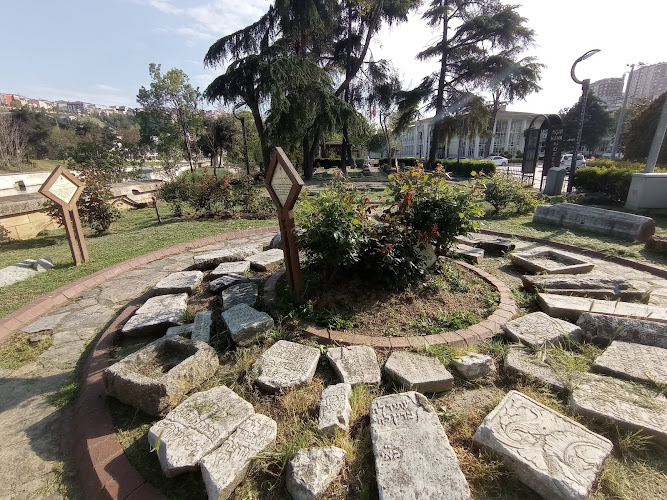
Open Air Museum
About Open Air Museum
The Open Air Museum offers visitors a fascinating journey through time, presenting historical architecture and cultural heritage in an authentic outdoor setting. This museum takes the traditional concept of indoor exhibitions and turns it completely on its head by bringing history to life in the open air where visitors can walk through actual historical buildings and experience what life was like in bygone eras.
What makes this particular museum special is its commitment to preserving architectural history in the most genuine way possible. Instead of just reading about old structures in books or looking at photographs behind glass cases, visitors get to step inside real historical buildings that have been carefully relocated and restored. I've always thought there's something magical about being able to touch the same wooden beams that someone crafted centuries ago or walking across floors that have felt countless footsteps throughout history.
The museum does an excellent job of creating an immersive experience. You're not just observing history from a distance—you're actually walking through it. The collection typically includes farmhouses, workshops, mills, and other structures that tell the story of how people lived, worked, and built their communities in past centuries. Each building has been meticulously preserved or reconstructed to maintain historical accuracy, giving visitors a genuine sense of stepping back in time.
Families will find this museum particularly rewarding since it's designed to be accessible and engaging for kids. Children naturally love exploring old buildings, and the open-air format means they can move around freely without the usual museum restrictions that make little ones feel confined. And honestly, even adults who think they don't care much about history often find themselves captivated by the tangible connection to the past that this place provides.
Key Features
The Open Air Museum stands out for several distinctive characteristics that make it worth adding to any travel itinerary:
- Historical Architecture Collection - The museum showcases authentic buildings from various time periods, each telling its own story about architectural evolution and cultural practices. These aren't replicas—they're actual historical structures that have been carefully moved and preserved.
- Interactive Learning Experience - Unlike traditional museums where you're expected to just look and not touch, this venue encourages hands-on exploration. Visitors can enter buildings, examine tools and household items, and get a real feel for historical living conditions.
- Family-Friendly Environment - The outdoor setting and engaging displays make this an ideal destination for visitors traveling with children. Kids can run around a bit more freely than in conventional indoor museums while still learning valuable lessons about history and culture.
- Seasonal Demonstrations - Throughout the year, the museum often features craftspeople demonstrating traditional skills like blacksmithing, weaving, or carpentry. These live demonstrations add another layer of authenticity to the experience.
- Walking Paths and Natural Setting - The museum grounds typically include well-maintained paths that connect different historical areas, creating a pleasant outdoor walking experience combined with cultural education.
- Educational Signage - Each building and exhibit comes with informative displays that provide context without overwhelming visitors with too much text. The information is presented in an accessible way that works for both casual tourists and serious history enthusiasts.
- Photography Opportunities - The combination of historical architecture and natural outdoor settings creates countless opportunities for memorable photos. The visual appeal of these preserved structures in their outdoor environment is genuinely striking.
Best Time to Visit
Timing your visit to the Open Air Museum can significantly impact your experience. Spring and early summer typically offer the most comfortable conditions for exploring outdoor exhibits. The weather is usually mild enough for extended walking, and the grounds often look particularly beautiful as vegetation comes back to life. I'd say late April through June represents the sweet spot for many open air museums.
Summer months bring longer daylight hours, which means more time to explore the grounds thoroughly. However, peak summer can also mean larger crowds and occasionally uncomfortable heat, especially since much of your visit will be spent outdoors with limited shade in some areas. If you're planning a summer visit, try to arrive early in the morning when temperatures are cooler and before tour groups show up.
Fall presents another excellent option. The changing leaves create a stunning backdrop for historical buildings, and the cooler temperatures make walking around more comfortable. September and October generally offer that perfect balance of good weather and fewer crowds. There's something particularly fitting about experiencing historical architecture surrounded by autumn colors—it somehow makes the connection to the past feel even stronger.
Winter visits are certainly possible, but they come with obvious limitations. Some open air museums reduce their hours or close certain outdoor sections during the coldest months. But if you don't mind bundling up, a winter visit can offer a unique perspective on how people survived harsh conditions in earlier times. Just check ahead to make sure the museum is fully operational during your intended visit date.
Weekdays typically see fewer visitors than weekends, regardless of season. If your schedule allows it, planning a Tuesday or Wednesday visit usually means you'll have more space to explore at your own pace without constantly navigating around other groups.
How to Get There
Getting to the Open Air Museum requires some planning since these facilities are often located in areas that provide enough space for multiple historical buildings and walking paths. The exact transportation options will depend on your starting point and the specific museum location, but here are general approaches that tend to work well.
If you're driving, having your own vehicle offers the most flexibility and is often the most straightforward option. Open air museums typically provide parking facilities for visitors, though parking areas might be a short walk from the actual entrance. Check if there's a parking fee so you can have appropriate payment ready. The advantage of driving is that you're not bound by public transportation schedules and can take your time exploring without worrying about catching a return bus or train.
Public transportation can certainly work, but you'll need to do some homework beforehand. Many open air museums have seasonal shuttle services or are accessible via local bus routes during peak tourist months. The key is checking current schedules before you leave your accommodation—transportation to attractions in less urban areas can be infrequent, and you definitely don't want to find yourself stranded.
Taxi or rideshare services offer another option, especially if you're traveling as a group and can split the cost. The expense might be comparable to renting a car for the day, particularly once you factor in parking fees and gas. Just be aware that getting a return ride might require advance booking rather than just opening an app and requesting a car on demand.
Some travelers have found that organized tours which include the Open Air Museum as part of a broader itinerary work well. These tours handle all the transportation logistics and often provide additional context through guide commentary. The downside is you'll be working within a fixed time schedule rather than exploring at your own pace.
Tips for Visiting
Making the most of your Open Air Museum experience requires some practical preparation. First and foremost, wear comfortable walking shoes—this cannot be emphasized enough. You'll be covering significant ground, often on uneven surfaces or gravel paths. Those cute sandals or brand new sneakers you haven't broken in yet? Leave them at the hotel. Your feet will thank you.
Dress in layers because outdoor temperatures can fluctuate throughout the day, and you'll be moving between sunny open areas and shaded spots or building interiors. Even on what starts as a warm morning, having a light jacket or sweater in your bag provides insurance against unexpected weather changes or cooling afternoon breezes.
Bring water and snacks since not all open air museums have restaurants or cafes on site. Even those that do might have limited food options or hours of operation that don't align with when you get hungry. A few energy bars and a refillable water bottle can make the difference between an enjoyable visit and an uncomfortable one.
Plan to spend at least two to three hours exploring, though dedicated history enthusiasts could easily fill an entire day. Don't try to squeeze this into a tight schedule between other activities. The museum deserves your unhurried attention, and rushing through diminishes the experience considerably.
Arrive early if possible. Morning visitors not only avoid crowds but also have better lighting for photography and cooler temperatures for walking. Plus, there's something peaceful about being among the first people exploring historical spaces each day.
Check the museum's calendar before visiting because many open air museums schedule special events, demonstrations, or seasonal activities that can enhance your experience. A random Tuesday might feature a blacksmithing demonstration or traditional cooking display that brings the historical setting to life in ways that regular exhibits can't quite match.
If you're visiting with children, consider creating a simple scavenger hunt or game to keep them engaged. Ask them to find specific architectural features, count windows on buildings, or identify different tools in workshops. This transforms what might feel like an educational obligation into an actual adventure for younger visitors.
Don't skip the informational placards, even if reading every sign seems tedious. The context they provide transforms buildings from just old structures into meaningful historical artifacts. You don't need to read every word, but getting the basic background on each major building significantly enriches your understanding.
Take your time in the smaller exhibits and outbuildings. Many visitors rush toward the most impressive structures and barely glance at workshops or storage buildings, but these spaces often reveal the most about daily life in historical periods. The big fancy buildings tell one story, but the utilitarian spaces tell another—often more interesting—one.
Finally, be respectful of preservation efforts. These buildings have survived for centuries, and careless behavior can cause damage that erases irreplaceable history. Follow any posted guidelines about which areas are accessible and what you can touch. We're all temporary visitors to these spaces, but they need to remain for future generations to experience as well.
Key Features
- Outdoor exhibition of traditional Anatolian houses and folk structures
- Restored interiors showing period furnishings and domestic life
- Informational placards and guided-tour opportunities explaining regional building techniques
- Photogenic courtyards, gardens and period details for photography
- Accessible pathways and a relaxed, family-friendly atmosphere
Nearby Attractions
You Might Also Like

*BDT BELEK DOGA TOUR | Daily Tours, Day Trips and Excursions in Antalya*

1464. Sk. No:55
2006. Sk. No:2
Tours & Activities
GetYourGuide provides this tour inventory. We may earn a commission if you book through it; verify current availability, prices, and terms with the provider.
Visitor Reviews
There are no reviews yet. Be the first one to write one.
Share Your Experience
Have you visited Open Air Museum? Help other travelers by leaving a review.