
Ōmori Shell Mounds Garden
About Ōmori Shell Mounds Garden
Description
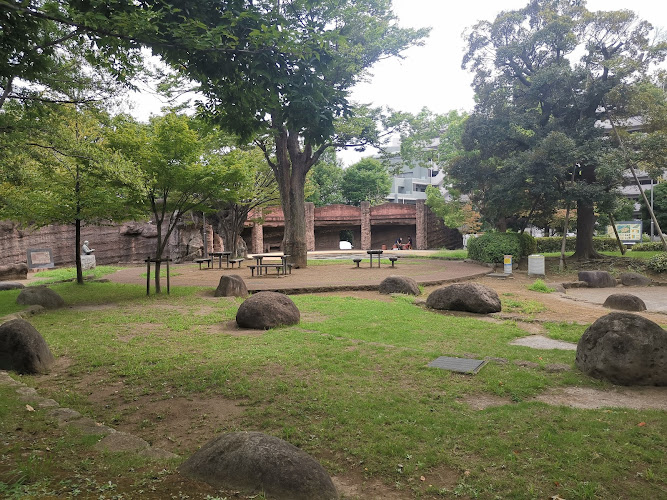
The Ōmori Shell Mounds Garden is one of those places in Tokyo that feels like it’s hiding in plain sight. On the surface, it looks like a quiet little park with trees, walkways, and a few monuments. But when you dig into its story (pun intended), you realize this patch of land is actually the birthplace of modern Japanese archaeology. Back in 1877, an American zoologist named Edward Sylvester Morse stumbled upon layers of shells, pottery fragments, and animal bones here, sparking the very first scientific excavation in Japan. That discovery opened the door to understanding the Jōmon period, a prehistoric era that stretched thousands of years before recorded history.
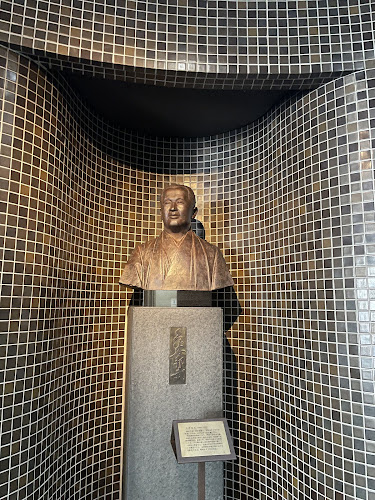
Walking through the garden today, you won’t see towering ruins or flashy displays. Instead, you’ll find a bust of Morse, a stone monument, and a preserved shell layer that gives a fascinating glimpse into how people lived over 2,000 years ago. It’s simple, yes, but there’s a quiet charm in knowing you’re standing on the same ground where hunter-gatherers once ate, worked, and tossed away their clam shells. Some visitors find it underwhelming, expecting a grander site, while others appreciate the understated authenticity. Personally, I think it’s refreshing to visit a historical landmark that doesn’t try too hard—it lets you fill in the gaps with your imagination.
And let’s be honest: part of the appeal is the contrast. You’re in one of the busiest cities in the world, yet here’s this little pocket of stillness that whispers about a completely different Tokyo—one with no skyscrapers, no neon lights, just people living off the sea and land. If you’re into archaeology, history, or just quirky corners of the city, Ōmori Shell Mounds Garden is worth your time.
Key Features
- Authentic archaeological site from the late Jōmon period
- Bust of Edward Sylvester Morse, the zoologist who discovered the site
- Visible shell layers showing ancient refuse deposits
- Peaceful garden setting ideal for picnics and quiet walks
- Wheelchair accessible entrance (though parking options nearby can be tricky)
- Public restrooms available on site
- Kid-friendly environment with open space for exploration
- Dogs are welcome, making it a nice stop for pet owners
Best Time to Visit
Honestly, this place works year-round, but the experience changes with the seasons. Spring brings cherry blossoms that soften the historical vibe with a splash of color, and autumn paints the garden in warm reds and oranges that make you want to linger. Summer can be hot and sticky in Tokyo, but if you bring some cold drinks and grab a shady spot, it’s still enjoyable. Winter is the quietest season—bare trees, crisp air, and fewer people around, which somehow makes the history feel even closer. If I had to pick, I’d say late March or early April is the sweet spot. You get the blossoms, pleasant weather, and that perfect mix of nature and history.
How to Get There
Reaching Ōmori Shell Mounds Garden is straightforward, especially if you’re already exploring southern Tokyo. The nearest train stations put you within a short walking distance, and the area is well connected by local lines. If you’re coming from central Tokyo, it’s just a quick hop on the JR Keihin-Tōhoku Line or other nearby routes. Once you arrive, the garden is tucked into a neighborhood setting, so don’t expect big flashy signs pointing the way. That’s part of its charm though—it feels like you’ve stumbled onto a local secret. Just keep your map handy, and you’ll find it without too much trouble.
Tips for Visiting
Here’s the thing: this isn’t a theme park or a massive museum, so set your expectations accordingly. If you go in expecting giant ruins or elaborate exhibits, you might walk away unimpressed. But if you approach it as a peaceful historical park with a deep backstory, you’ll probably enjoy it a lot more.
Bring a picnic blanket and some snacks—it’s a surprisingly nice spot to just sit and relax, especially if you’re traveling with kids or a dog. The garden has restrooms, which is always a plus, but keep in mind there’s no café or vending machine inside, so grab your drinks beforehand. Accessibility is decent, with a wheelchair-friendly entrance, though parking can be tricky if you’re driving.
One little tip I wish someone had told me: take a few minutes to read up on the Jōmon period before you go. It makes the shell layers and artifacts way more meaningful when you can picture the people who left them behind. And if you’re already visiting Shinagawa or Haneda, it’s a convenient side trip that doesn’t eat up your whole day.
In short, go with curiosity, not with a checklist. The Ōmori Shell Mounds Garden is more about atmosphere and imagination than spectacle. And sometimes, that’s exactly what you need in a city like Tokyo.
Key Features
- Authentic archaeological site from the late Jōmon period
- Bust of Edward Sylvester Morse, the zoologist who discovered the site
- Visible shell layers showing ancient refuse deposits
- Peaceful garden setting ideal for picnics and quiet walks
- Wheelchair accessible entrance (though parking options nearby can be tricky)
- Public restrooms available on site
- Kid-friendly environment with open space for exploration
- Dogs are welcome, making it a nice stop for pet owners
More Details
Updated September 23, 2025
Table of Contents
Description
The Ōmori Shell Mounds Garden is one of those places in Tokyo that feels like it’s hiding in plain sight. On the surface, it looks like a quiet little park with trees, walkways, and a few monuments. But when you dig into its story (pun intended), you realize this patch of land is actually the birthplace of modern Japanese archaeology. Back in 1877, an American zoologist named Edward Sylvester Morse stumbled upon layers of shells, pottery fragments, and animal bones here, sparking the very first scientific excavation in Japan. That discovery opened the door to understanding the Jōmon period, a prehistoric era that stretched thousands of years before recorded history.
Walking through the garden today, you won’t see towering ruins or flashy displays. Instead, you’ll find a bust of Morse, a stone monument, and a preserved shell layer that gives a fascinating glimpse into how people lived over 2,000 years ago. It’s simple, yes, but there’s a quiet charm in knowing you’re standing on the same ground where hunter-gatherers once ate, worked, and tossed away their clam shells. Some visitors find it underwhelming, expecting a grander site, while others appreciate the understated authenticity. Personally, I think it’s refreshing to visit a historical landmark that doesn’t try too hard—it lets you fill in the gaps with your imagination.
And let’s be honest: part of the appeal is the contrast. You’re in one of the busiest cities in the world, yet here’s this little pocket of stillness that whispers about a completely different Tokyo—one with no skyscrapers, no neon lights, just people living off the sea and land. If you’re into archaeology, history, or just quirky corners of the city, Ōmori Shell Mounds Garden is worth your time.
Key Features
- Authentic archaeological site from the late Jōmon period
- Bust of Edward Sylvester Morse, the zoologist who discovered the site
- Visible shell layers showing ancient refuse deposits
- Peaceful garden setting ideal for picnics and quiet walks
- Wheelchair accessible entrance (though parking options nearby can be tricky)
- Public restrooms available on site
- Kid-friendly environment with open space for exploration
- Dogs are welcome, making it a nice stop for pet owners
Best Time to Visit
Honestly, this place works year-round, but the experience changes with the seasons. Spring brings cherry blossoms that soften the historical vibe with a splash of color, and autumn paints the garden in warm reds and oranges that make you want to linger. Summer can be hot and sticky in Tokyo, but if you bring some cold drinks and grab a shady spot, it’s still enjoyable. Winter is the quietest season—bare trees, crisp air, and fewer people around, which somehow makes the history feel even closer. If I had to pick, I’d say late March or early April is the sweet spot. You get the blossoms, pleasant weather, and that perfect mix of nature and history.
How to Get There
Reaching Ōmori Shell Mounds Garden is straightforward, especially if you’re already exploring southern Tokyo. The nearest train stations put you within a short walking distance, and the area is well connected by local lines. If you’re coming from central Tokyo, it’s just a quick hop on the JR Keihin-Tōhoku Line or other nearby routes. Once you arrive, the garden is tucked into a neighborhood setting, so don’t expect big flashy signs pointing the way. That’s part of its charm though—it feels like you’ve stumbled onto a local secret. Just keep your map handy, and you’ll find it without too much trouble.
Tips for Visiting
Here’s the thing: this isn’t a theme park or a massive museum, so set your expectations accordingly. If you go in expecting giant ruins or elaborate exhibits, you might walk away unimpressed. But if you approach it as a peaceful historical park with a deep backstory, you’ll probably enjoy it a lot more.
Bring a picnic blanket and some snacks—it’s a surprisingly nice spot to just sit and relax, especially if you’re traveling with kids or a dog. The garden has restrooms, which is always a plus, but keep in mind there’s no café or vending machine inside, so grab your drinks beforehand. Accessibility is decent, with a wheelchair-friendly entrance, though parking can be tricky if you’re driving.
One little tip I wish someone had told me: take a few minutes to read up on the Jōmon period before you go. It makes the shell layers and artifacts way more meaningful when you can picture the people who left them behind. And if you’re already visiting Shinagawa or Haneda, it’s a convenient side trip that doesn’t eat up your whole day.
In short, go with curiosity, not with a checklist. The Ōmori Shell Mounds Garden is more about atmosphere and imagination than spectacle. And sometimes, that’s exactly what you need in a city like Tokyo.
Key Highlights
- Authentic archaeological site from the late Jōmon period
- Bust of Edward Sylvester Morse, the zoologist who discovered the site
- Visible shell layers showing ancient refuse deposits
- Peaceful garden setting ideal for picnics and quiet walks
- Wheelchair accessible entrance (though parking options nearby can be tricky)
- Public restrooms available on site
- Kid-friendly environment with open space for exploration
- Dogs are welcome, making it a nice stop for pet owners
Location
Places to Stay Near Ōmori Shell Mounds Garden
Find and Book a Tour
Explore More Travel Guides
No reviews found! Be the first to review!
Traveler Reviews for Ōmori Shell Mounds Garden
There are no reviews yet. Be the first one to write one.
Have you visited Ōmori Shell Mounds Garden? Help other travelers by sharing your review.
You Might Also Like
Kume Museum of Art

Gotanda Minami Park

Musashi-Koyama Shopping Street “Palm”
Find Accommodations Nearby
Recommended Tours & Activities
Visitor Reviews
There are no reviews yet. Be the first one to write one.
Share Your Experience
Have you visited Ōmori Shell Mounds Garden? Help other travelers by leaving a review.