
Bond Street
About Bond Street
Description
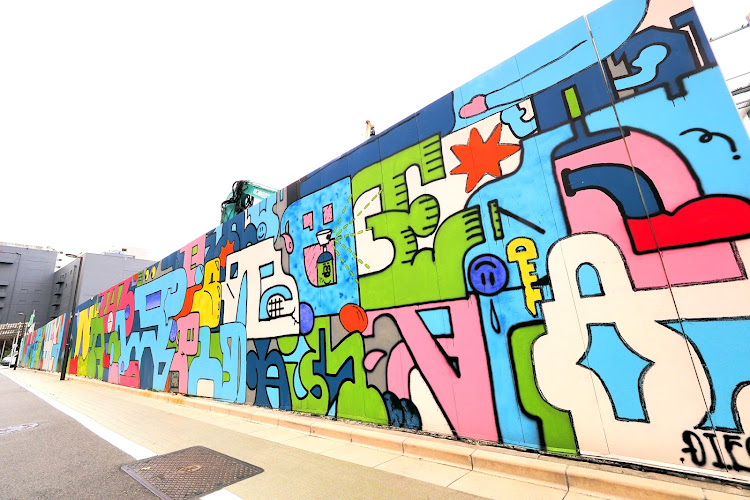
Bond Street in Tokyo is one of those places that quietly sneaks up on you. It doesn’t scream for attention like some of the louder attractions in the city, but it has a kind of understated charm that travelers who love art and urban aesthetics often appreciate. The moment someone steps into the area, there’s this mix of modern Tokyo energy and artistic flair that feels both polished and raw at the same time. It’s not the kind of spot where you’ll find massive crowds with cameras around their necks—thankfully—but rather a place that invites you to slow down, look closer, and notice the details that make it what it is.
Now, if you’re expecting a massive art district filled with galleries on every corner, you might be surprised. Bond Street is more subtle. It’s a curated slice of Tokyo’s creative side, offering an experience that feels personal, almost like discovering a secret that the city only whispers about. The street itself is lined with contemporary art installations and design-focused spaces that seem to evolve with every visit. Some people say it’s a little too minimalist, others call it refreshing—honestly, it depends on your taste. For those who appreciate modern design, architecture, and the way art interacts with public space, this place can be deeply satisfying.
What struck me most when I visited was how the atmosphere changes depending on the time of day. In the morning, there’s a calm, almost meditative quality to it. By afternoon, the area starts to hum with quiet energy as locals and travelers wander through. It’s the kind of place where you might find yourself pausing mid-walk to admire the way sunlight hits a sculpture or how a reflection in a glass window suddenly turns into an abstract art piece of its own. There’s a subtle poetry in that, don’t you think?
And here’s a little thing I noticed—Bond Street has this knack for making you feel like part of the art. Maybe it’s the clean lines of the buildings or the way the space is designed to flow naturally, but it feels immersive. You don’t just look at art here; you walk through it, breathe it in. It’s not perfect, of course. Some installations could use better upkeep, and accessibility could be improved, especially for visitors with mobility challenges. Still, imperfections aside, it’s a space that sparks curiosity and creativity, which, to me, is the whole point of art in the first place.
Key Features
- Public art installations that change periodically, offering something new with each visit
- Modern architectural design blending glass, steel, and natural elements
- Small galleries and design studios showcasing local and international artists
- Quiet atmosphere ideal for photography and reflective walks
- Convenient proximity to other cultural and commercial areas in Tokyo
- Occasional pop-up exhibits and seasonal displays
- Nearby cafés and boutique shops with a creative, minimalist touch
One of my favorite things about Bond Street is how it manages to balance the line between being an art space and a public street. You’ll see business professionals walking by, students sketching in notebooks, and travelers like you and me trying to capture the perfect photo. It’s not a place that tries too hard to impress—it just is. And that authenticity is what makes it stand out.
Best Time to Visit
Timing really makes a difference here. Personally, I’d say late spring or early autumn is ideal. The weather in Tokyo during those months is comfortable enough to stroll without rushing, and the natural light is perfect for taking photos of the installations. The air feels crisp, and there’s something about the soft sunlight that makes the textures and colors of the street pop more vividly. If you go in summer, expect the humidity to test your patience a bit—it’s Tokyo, after all—but the vibe is still lively.
Morning visits tend to be quieter, which I love. You can take your time, grab a coffee from a nearby café, and just wander without feeling hurried. By midday, more people start showing up, especially locals on lunch breaks. Evenings, though, have their own charm. The lighting design along the street transforms the space into something almost cinematic. Shadows play across the surfaces, and the whole area takes on a slightly mysterious tone. If you’re into photography or simply enjoy seeing a place shift character throughout the day, this is worth experiencing.
How to Get There
Getting to Bond Street is relatively straightforward, though it depends on where you’re coming from. Tokyo’s public transportation system is famously efficient, and several train and bus routes can get you close to the area. Once you’re nearby, it’s usually just a short walk to reach the main stretch. For those who prefer taxis or rideshares, that’s an option too, though traffic in Tokyo can be unpredictable at times—especially during rush hours.
If you’re like me and enjoy exploring on foot, I’d recommend walking from one of the nearby stations. You get to see more of the surrounding neighborhood, which in itself has plenty of interesting corners—small shops, hidden eateries, and the occasional street art mural. It’s one of those walks where every turn seems to reveal something new. Just make sure you wear comfortable shoes; Tokyo’s streets can be deceptively long when you’re caught up in sightseeing.
For international travelers, the signage around the area is fairly easy to follow, and most locals are happy to help if you ask for directions. Even if your Japanese isn’t great (mine certainly isn’t), a friendly smile and a few basic phrases can go a long way. You might even end up chatting with someone who tells you about a nearby café or shop you wouldn’t have found otherwise—that’s how I stumbled into one of the best matcha lattes I’ve ever had.
Tips for Visiting
Here’s where a few personal insights might help make your visit smoother. First off, plan a bit of extra time. Bond Street isn’t massive, but it’s the kind of place that rewards slow exploration. You’ll want time to pause, reflect, and maybe even people-watch for a bit. Bring a camera or at least your phone fully charged because there are plenty of photo-worthy angles—especially around the art installations.
Since the area isn’t overly commercialized, don’t expect tons of souvenir shops or food stalls. That’s part of its charm, though. Instead, look for the smaller cafés and design stores tucked between buildings. Some of them are run by local artists or designers who love chatting about their work. I once ended up talking with a ceramic artist there for almost an hour—completely unplanned, but one of those travel moments that sticks with you.
Another thing to keep in mind: check ahead if there are any temporary exhibitions or events happening. Bond Street occasionally hosts pop-up art shows or seasonal displays that can completely change the feel of the area. These events aren’t always heavily advertised, but they’re worth catching if you can. And if you’re traveling with someone who’s not as into art as you are, don’t worry—the street’s atmosphere is enjoyable even for casual visitors. There’s enough visual interest and calm space to keep anyone engaged.
One minor downside is that accessibility could be better. The area isn’t fully equipped with wheelchair-accessible parking or pathways, so visitors with mobility challenges might find it a bit tricky to navigate. Hopefully, that’s something that will improve over time, as it’s such a beautiful and inclusive space otherwise.
Lastly, don’t rush. Tokyo can sometimes make you feel like you need to see everything at once, but Bond Street really isn’t that kind of destination. It’s about slowing down, taking in the details, and maybe letting your mind wander a little. If you’re lucky, you might even catch a local artist setting up a new installation or a photographer capturing that perfect shot. It’s those little unscripted moments that make travel special, isn’t it?
In the end, Bond Street is one of those places that quietly leaves an impression. It’s not flashy or over-the-top, but it has depth—something that reveals itself the longer you linger. Whether you’re an art lover, a curious traveler, or just someone looking for a different side of Tokyo, this street offers a gentle reminder of how creativity can transform even the simplest of spaces into something memorable.
Key Features
- Public art installations that change periodically, offering something new with each visit
- Modern architectural design blending glass, steel, and natural elements
- Small galleries and design studios showcasing local and international artists
- Quiet atmosphere ideal for photography and reflective walks
- Convenient proximity to other cultural and commercial areas in Tokyo
- Occasional pop-up exhibits and seasonal displays
- Nearby cafés and boutique shops with a creative, minimalist touch
More Details
Updated November 7, 2025
Table of Contents
Description
Bond Street in Tokyo is one of those places that quietly sneaks up on you. It doesn’t scream for attention like some of the louder attractions in the city, but it has a kind of understated charm that travelers who love art and urban aesthetics often appreciate. The moment someone steps into the area, there’s this mix of modern Tokyo energy and artistic flair that feels both polished and raw at the same time. It’s not the kind of spot where you’ll find massive crowds with cameras around their necks—thankfully—but rather a place that invites you to slow down, look closer, and notice the details that make it what it is.
Now, if you’re expecting a massive art district filled with galleries on every corner, you might be surprised. Bond Street is more subtle. It’s a curated slice of Tokyo’s creative side, offering an experience that feels personal, almost like discovering a secret that the city only whispers about. The street itself is lined with contemporary art installations and design-focused spaces that seem to evolve with every visit. Some people say it’s a little too minimalist, others call it refreshing—honestly, it depends on your taste. For those who appreciate modern design, architecture, and the way art interacts with public space, this place can be deeply satisfying.
What struck me most when I visited was how the atmosphere changes depending on the time of day. In the morning, there’s a calm, almost meditative quality to it. By afternoon, the area starts to hum with quiet energy as locals and travelers wander through. It’s the kind of place where you might find yourself pausing mid-walk to admire the way sunlight hits a sculpture or how a reflection in a glass window suddenly turns into an abstract art piece of its own. There’s a subtle poetry in that, don’t you think?
And here’s a little thing I noticed—Bond Street has this knack for making you feel like part of the art. Maybe it’s the clean lines of the buildings or the way the space is designed to flow naturally, but it feels immersive. You don’t just look at art here; you walk through it, breathe it in. It’s not perfect, of course. Some installations could use better upkeep, and accessibility could be improved, especially for visitors with mobility challenges. Still, imperfections aside, it’s a space that sparks curiosity and creativity, which, to me, is the whole point of art in the first place.
Key Features
- Public art installations that change periodically, offering something new with each visit
- Modern architectural design blending glass, steel, and natural elements
- Small galleries and design studios showcasing local and international artists
- Quiet atmosphere ideal for photography and reflective walks
- Convenient proximity to other cultural and commercial areas in Tokyo
- Occasional pop-up exhibits and seasonal displays
- Nearby cafés and boutique shops with a creative, minimalist touch
One of my favorite things about Bond Street is how it manages to balance the line between being an art space and a public street. You’ll see business professionals walking by, students sketching in notebooks, and travelers like you and me trying to capture the perfect photo. It’s not a place that tries too hard to impress—it just is. And that authenticity is what makes it stand out.
Best Time to Visit
Timing really makes a difference here. Personally, I’d say late spring or early autumn is ideal. The weather in Tokyo during those months is comfortable enough to stroll without rushing, and the natural light is perfect for taking photos of the installations. The air feels crisp, and there’s something about the soft sunlight that makes the textures and colors of the street pop more vividly. If you go in summer, expect the humidity to test your patience a bit—it’s Tokyo, after all—but the vibe is still lively.
Morning visits tend to be quieter, which I love. You can take your time, grab a coffee from a nearby café, and just wander without feeling hurried. By midday, more people start showing up, especially locals on lunch breaks. Evenings, though, have their own charm. The lighting design along the street transforms the space into something almost cinematic. Shadows play across the surfaces, and the whole area takes on a slightly mysterious tone. If you’re into photography or simply enjoy seeing a place shift character throughout the day, this is worth experiencing.
How to Get There
Getting to Bond Street is relatively straightforward, though it depends on where you’re coming from. Tokyo’s public transportation system is famously efficient, and several train and bus routes can get you close to the area. Once you’re nearby, it’s usually just a short walk to reach the main stretch. For those who prefer taxis or rideshares, that’s an option too, though traffic in Tokyo can be unpredictable at times—especially during rush hours.
If you’re like me and enjoy exploring on foot, I’d recommend walking from one of the nearby stations. You get to see more of the surrounding neighborhood, which in itself has plenty of interesting corners—small shops, hidden eateries, and the occasional street art mural. It’s one of those walks where every turn seems to reveal something new. Just make sure you wear comfortable shoes; Tokyo’s streets can be deceptively long when you’re caught up in sightseeing.
For international travelers, the signage around the area is fairly easy to follow, and most locals are happy to help if you ask for directions. Even if your Japanese isn’t great (mine certainly isn’t), a friendly smile and a few basic phrases can go a long way. You might even end up chatting with someone who tells you about a nearby café or shop you wouldn’t have found otherwise—that’s how I stumbled into one of the best matcha lattes I’ve ever had.
Tips for Visiting
Here’s where a few personal insights might help make your visit smoother. First off, plan a bit of extra time. Bond Street isn’t massive, but it’s the kind of place that rewards slow exploration. You’ll want time to pause, reflect, and maybe even people-watch for a bit. Bring a camera or at least your phone fully charged because there are plenty of photo-worthy angles—especially around the art installations.
Since the area isn’t overly commercialized, don’t expect tons of souvenir shops or food stalls. That’s part of its charm, though. Instead, look for the smaller cafés and design stores tucked between buildings. Some of them are run by local artists or designers who love chatting about their work. I once ended up talking with a ceramic artist there for almost an hour—completely unplanned, but one of those travel moments that sticks with you.
Another thing to keep in mind: check ahead if there are any temporary exhibitions or events happening. Bond Street occasionally hosts pop-up art shows or seasonal displays that can completely change the feel of the area. These events aren’t always heavily advertised, but they’re worth catching if you can. And if you’re traveling with someone who’s not as into art as you are, don’t worry—the street’s atmosphere is enjoyable even for casual visitors. There’s enough visual interest and calm space to keep anyone engaged.
One minor downside is that accessibility could be better. The area isn’t fully equipped with wheelchair-accessible parking or pathways, so visitors with mobility challenges might find it a bit tricky to navigate. Hopefully, that’s something that will improve over time, as it’s such a beautiful and inclusive space otherwise.
Lastly, don’t rush. Tokyo can sometimes make you feel like you need to see everything at once, but Bond Street really isn’t that kind of destination. It’s about slowing down, taking in the details, and maybe letting your mind wander a little. If you’re lucky, you might even catch a local artist setting up a new installation or a photographer capturing that perfect shot. It’s those little unscripted moments that make travel special, isn’t it?
In the end, Bond Street is one of those places that quietly leaves an impression. It’s not flashy or over-the-top, but it has depth—something that reveals itself the longer you linger. Whether you’re an art lover, a curious traveler, or just someone looking for a different side of Tokyo, this street offers a gentle reminder of how creativity can transform even the simplest of spaces into something memorable.
Key Highlights
- Public art installations that change periodically, offering something new with each visit
- Modern architectural design blending glass, steel, and natural elements
- Small galleries and design studios showcasing local and international artists
- Quiet atmosphere ideal for photography and reflective walks
- Convenient proximity to other cultural and commercial areas in Tokyo
- Occasional pop-up exhibits and seasonal displays
- Nearby cafés and boutique shops with a creative, minimalist touch
Location
Places to Stay Near Bond Street
Find and Book a Tour
Explore More Travel Guides
No reviews found! Be the first to review!
Traveler Reviews for Bond Street
There are no reviews yet. Be the first one to write one.
Have you visited Bond Street? Help other travelers by sharing your review.
You Might Also Like

The Museum of Package Culture
Higashi-Shinagawa Kaijo Park

Shinagawa Shrine
Find Accommodations Nearby
Recommended Tours & Activities
Visitor Reviews
There are no reviews yet. Be the first one to write one.
Share Your Experience
Have you visited Bond Street? Help other travelers by leaving a review.