
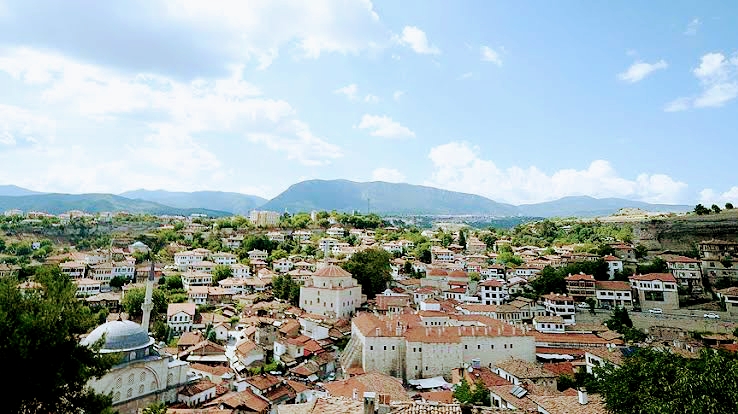
Old Safranbolu Bazaar
About Old Safranbolu Bazaar
Description
The Old Safranbolu Bazaar stands as one of Turkey's most authentic Ottoman-era marketplaces, where centuries of commerce and culture converge in a maze of narrow cobblestone alleys. This historic trading hub has been serving locals and travelers since the 15th century, maintaining its original character despite the passage of time. Walking through these ancient passages feels like stepping into a living museum where the art of traditional craftsmanship still thrives.
Unlike the touristy bazaars you'll find in Istanbul or other major cities, Safranbolu's Old Bazaar retains an intimate, small-town charm that makes every visit feel personal. The scent of freshly ground spices mingles with the aroma of Turkish coffee, while the sound of artisans hammering copper and weaving textiles creates a symphony that's been playing for generations. And honestly, there's something magical about shopping in a place where your great-grandmother might have bargained for the same types of goods centuries ago.
The bazaar serves as the beating heart of Safranbolu's UNESCO World Heritage Old Town, seamlessly integrated into the daily life of locals while offering visitors an authentic glimpse into Ottoman commercial traditions. But don't expect a sanitized tourist experience – this is a working market where real people conduct real business, making it all the more genuine and captivating.
Key Features
The Old Safranbolu Bazaar offers visitors a treasure trove of experiences that showcase the region's rich cultural heritage and artisanal traditions:
• Traditional Ottoman Architecture: The bazaar's covered sections feature classic Ottoman stonework and wooden beams that have withstood centuries of use, creating an authentic historical atmosphere that modern constructions simply cannot replicate. • Local Saffron Products: As the town's namesake spice, saffron takes center stage here, with vendors offering everything from pure saffron threads to saffron-infused honey, Turkish delight, and traditional medicines. • Handcrafted Copperware: Master coppersmiths continue age-old techniques, creating beautiful pots, trays, and decorative items that serve as both functional pieces and stunning souvenirs. • Traditional Textiles: Locally woven fabrics, including the famous Ottoman-style patterns, are available alongside modern interpretations of classic designs. • Antique and Vintage Items: Hidden gems await in the form of genuine Ottoman-era artifacts, vintage jewelry, and collectibles that tell stories of bygone eras. • Turkish Coffee Culture: Several traditional coffee houses within the bazaar serve authentic Turkish coffee prepared using methods passed down through generations. • Local Food Specialties: From Turkish delight to regional pastries and preserved fruits, the food vendors offer tastes that are difficult to find elsewhere. • Artisan Workshops: Many shops double as working studios where visitors can watch craftsmen create their wares using traditional techniques.Best Time to Visit
The Old Safranbolu Bazaar operates year-round, but timing your visit can significantly enhance your experience. Spring and early fall emerge as the ideal seasons, particularly between April and June, then again from September through early November. During these months, the weather remains comfortable for walking through the covered and open-air sections, and you'll avoid the intense summer heat that can make the enclosed spaces feel stuffy.
I'd recommend visiting on weekday mornings between 9 AM and 11 AM when the locals are doing their shopping but before the tour groups arrive. This timing gives you the chance to interact with vendors when they're not overwhelmed with customers and provides better opportunities for genuine conversations about their crafts and products.
However, if you're looking for atmosphere over convenience, Saturday mornings bring the bazaar to life with additional vendors and a bustling energy that's infectious. The downside? Expect crowds and higher prices, especially for tourist-oriented items. But the upside is experiencing the market as a true community gathering place.
Winter visits have their own charm, particularly during the holiday season when the bazaar takes on a cozy, intimate feel. The copper braziers keep the covered areas warm, and hot Turkish tea flows freely. Just be aware that some outdoor vendors might not set up during particularly cold or snowy days, reducing your options slightly.
Avoid visiting during major Turkish holidays like Eid, when many shops close for extended periods. Also, some vendors take long lunch breaks between 12 PM and 2 PM, so plan accordingly if you're on a tight schedule.
How to Get There
Reaching the Old Safranbolu Bazaar requires some planning, but the journey is part of the adventure. The bazaar sits in the heart of Safranbolu's Old Town, making it easily accessible once you arrive in the city.
From Istanbul, your best bet is taking a bus to Karabük, which takes about 4-5 hours depending on traffic and your departure time. Several bus companies including Metro Turizm and Kamil Koç operate regular services. From Karabük, local buses and dolmuş (shared minibuses) run frequently to Safranbolu's center, dropping you within walking distance of the bazaar.
If you're driving, the route from Ankara takes approximately 2.5 hours via the D-100 highway. Parking can be challenging in the Old Town, but free street parking is available on the outskirts, requiring a 5-10 minute walk to reach the bazaar. And trust me, that short walk through the historic streets is worth it – you'll pass beautiful Ottoman houses that set the perfect mood for your bazaar exploration.
The closest major airport is in Ankara, about 200 kilometers away. Renting a car gives you the flexibility to explore the surrounding region, including other attractions like Tokatlı Canyon and Yörük Village. But honestly, if you're staying in Safranbolu for a few days, everything important is walkable from the town center.
Once in Safranbolu, the bazaar is clearly signposted as "Eski Çarşı" and sits near other major attractions like the Clock Tower and various historic houses. The narrow streets of the Old Town create a natural walking tour route that inevitably leads to the bazaar.
Tips for Visiting
Successfully navigating the Old Safranbolu Bazaar requires a blend of respect for local customs and smart shopping strategies that I've learned through multiple visits to similar markets across Turkey.
First and foremost, bring cash – Turkish Lira specifically. While some larger shops might accept credit cards, most vendors operate on a cash-only basis. Having small bills makes negotiations smoother and shows vendors you're a seasoned traveler who understands local practices.
Bargaining is expected and part of the cultural experience, but approach it respectfully. Start by showing genuine interest in the craftsmanship, ask about the item's origins, and then discuss price. Don't insult vendors with ridiculously low offers, but don't accept the first price either. A good rule of thumb is to offer about 60-70% of the asking price and negotiate from there.
Learn a few basic Turkish phrases like "merhaba" (hello), "teşekkürler" (thank you), and "ne kadar?" (how much?). Even minimal effort to speak the language earns smiles and often better prices. And don't be surprised if vendors want to practice their English with you – these conversations often lead to the most memorable interactions.
Wear comfortable walking shoes because the cobblestones can be uneven and sometimes slippery, especially after rain. The covered sections provide shelter, but much of your exploration will be outdoors on historic stone surfaces that weren't designed for modern footwear.
Take your time examining handcrafted items carefully before purchasing. Look for genuine craftsmanship versus mass-produced items that might be passed off as local work. Real copper should feel heavy, authentic textiles will have slight irregularities that indicate hand-weaving, and genuine saffron commands premium prices for good reason.
Consider shipping larger purchases home rather than trying to fit everything in your luggage. Many vendors offer reliable shipping services, and the convenience is worth the extra cost, especially for delicate items like ceramics or bulky copperware.
The bazaar is kid-friendly, and children often enjoy watching the craftsmen work. However, keep an eye on little ones in the narrow passageways where small motorbikes and handcarts occasionally pass through.
Finally, don't rush your visit. The Old Safranbolu Bazaar rewards those who wander slowly, strike up conversations, and allow themselves to be drawn into its timeless rhythm. Some of my best discoveries happened when I followed interesting sounds or smells down side alleys I hadn't planned to explore.
Key Features
- Key Features
- Best Time to Visit
- How to Get There
- Tips for Visiting
More Details
Updated September 14, 2025
Table of Contents
Description
The Old Safranbolu Bazaar stands as one of Turkey’s most authentic Ottoman-era marketplaces, where centuries of commerce and culture converge in a maze of narrow cobblestone alleys. This historic trading hub has been serving locals and travelers since the 15th century, maintaining its original character despite the passage of time. Walking through these ancient passages feels like stepping into a living museum where the art of traditional craftsmanship still thrives.
Unlike the touristy bazaars you’ll find in Istanbul or other major cities, Safranbolu’s Old Bazaar retains an intimate, small-town charm that makes every visit feel personal. The scent of freshly ground spices mingles with the aroma of Turkish coffee, while the sound of artisans hammering copper and weaving textiles creates a symphony that’s been playing for generations. And honestly, there’s something magical about shopping in a place where your great-grandmother might have bargained for the same types of goods centuries ago.
The bazaar serves as the beating heart of Safranbolu’s UNESCO World Heritage Old Town, seamlessly integrated into the daily life of locals while offering visitors an authentic glimpse into Ottoman commercial traditions. But don’t expect a sanitized tourist experience – this is a working market where real people conduct real business, making it all the more genuine and captivating.
Key Features
The Old Safranbolu Bazaar offers visitors a treasure trove of experiences that showcase the region’s rich cultural heritage and artisanal traditions:
• Traditional Ottoman Architecture: The bazaar’s covered sections feature classic Ottoman stonework and wooden beams that have withstood centuries of use, creating an authentic historical atmosphere that modern constructions simply cannot replicate.
• Local Saffron Products: As the town’s namesake spice, saffron takes center stage here, with vendors offering everything from pure saffron threads to saffron-infused honey, Turkish delight, and traditional medicines.
• Handcrafted Copperware: Master coppersmiths continue age-old techniques, creating beautiful pots, trays, and decorative items that serve as both functional pieces and stunning souvenirs.
• Traditional Textiles: Locally woven fabrics, including the famous Ottoman-style patterns, are available alongside modern interpretations of classic designs.
• Antique and Vintage Items: Hidden gems await in the form of genuine Ottoman-era artifacts, vintage jewelry, and collectibles that tell stories of bygone eras.
• Turkish Coffee Culture: Several traditional coffee houses within the bazaar serve authentic Turkish coffee prepared using methods passed down through generations.
• Local Food Specialties: From Turkish delight to regional pastries and preserved fruits, the food vendors offer tastes that are difficult to find elsewhere.
• Artisan Workshops: Many shops double as working studios where visitors can watch craftsmen create their wares using traditional techniques.
Best Time to Visit
The Old Safranbolu Bazaar operates year-round, but timing your visit can significantly enhance your experience. Spring and early fall emerge as the ideal seasons, particularly between April and June, then again from September through early November. During these months, the weather remains comfortable for walking through the covered and open-air sections, and you’ll avoid the intense summer heat that can make the enclosed spaces feel stuffy.
I’d recommend visiting on weekday mornings between 9 AM and 11 AM when the locals are doing their shopping but before the tour groups arrive. This timing gives you the chance to interact with vendors when they’re not overwhelmed with customers and provides better opportunities for genuine conversations about their crafts and products.
However, if you’re looking for atmosphere over convenience, Saturday mornings bring the bazaar to life with additional vendors and a bustling energy that’s infectious. The downside? Expect crowds and higher prices, especially for tourist-oriented items. But the upside is experiencing the market as a true community gathering place.
Winter visits have their own charm, particularly during the holiday season when the bazaar takes on a cozy, intimate feel. The copper braziers keep the covered areas warm, and hot Turkish tea flows freely. Just be aware that some outdoor vendors might not set up during particularly cold or snowy days, reducing your options slightly.
Avoid visiting during major Turkish holidays like Eid, when many shops close for extended periods. Also, some vendors take long lunch breaks between 12 PM and 2 PM, so plan accordingly if you’re on a tight schedule.
How to Get There
Reaching the Old Safranbolu Bazaar requires some planning, but the journey is part of the adventure. The bazaar sits in the heart of Safranbolu’s Old Town, making it easily accessible once you arrive in the city.
From Istanbul, your best bet is taking a bus to Karabük, which takes about 4-5 hours depending on traffic and your departure time. Several bus companies including Metro Turizm and Kamil Koç operate regular services. From Karabük, local buses and dolmuş (shared minibuses) run frequently to Safranbolu’s center, dropping you within walking distance of the bazaar.
If you’re driving, the route from Ankara takes approximately 2.5 hours via the D-100 highway. Parking can be challenging in the Old Town, but free street parking is available on the outskirts, requiring a 5-10 minute walk to reach the bazaar. And trust me, that short walk through the historic streets is worth it – you’ll pass beautiful Ottoman houses that set the perfect mood for your bazaar exploration.
The closest major airport is in Ankara, about 200 kilometers away. Renting a car gives you the flexibility to explore the surrounding region, including other attractions like Tokatlı Canyon and Yörük Village. But honestly, if you’re staying in Safranbolu for a few days, everything important is walkable from the town center.
Once in Safranbolu, the bazaar is clearly signposted as “Eski Çarşı” and sits near other major attractions like the Clock Tower and various historic houses. The narrow streets of the Old Town create a natural walking tour route that inevitably leads to the bazaar.
Tips for Visiting
Successfully navigating the Old Safranbolu Bazaar requires a blend of respect for local customs and smart shopping strategies that I’ve learned through multiple visits to similar markets across Turkey.
First and foremost, bring cash – Turkish Lira specifically. While some larger shops might accept credit cards, most vendors operate on a cash-only basis. Having small bills makes negotiations smoother and shows vendors you’re a seasoned traveler who understands local practices.
Bargaining is expected and part of the cultural experience, but approach it respectfully. Start by showing genuine interest in the craftsmanship, ask about the item’s origins, and then discuss price. Don’t insult vendors with ridiculously low offers, but don’t accept the first price either. A good rule of thumb is to offer about 60-70% of the asking price and negotiate from there.
Learn a few basic Turkish phrases like “merhaba” (hello), “teşekkürler” (thank you), and “ne kadar?” (how much?). Even minimal effort to speak the language earns smiles and often better prices. And don’t be surprised if vendors want to practice their English with you – these conversations often lead to the most memorable interactions.
Wear comfortable walking shoes because the cobblestones can be uneven and sometimes slippery, especially after rain. The covered sections provide shelter, but much of your exploration will be outdoors on historic stone surfaces that weren’t designed for modern footwear.
Take your time examining handcrafted items carefully before purchasing. Look for genuine craftsmanship versus mass-produced items that might be passed off as local work. Real copper should feel heavy, authentic textiles will have slight irregularities that indicate hand-weaving, and genuine saffron commands premium prices for good reason.
Consider shipping larger purchases home rather than trying to fit everything in your luggage. Many vendors offer reliable shipping services, and the convenience is worth the extra cost, especially for delicate items like ceramics or bulky copperware.
The bazaar is kid-friendly, and children often enjoy watching the craftsmen work. However, keep an eye on little ones in the narrow passageways where small motorbikes and handcarts occasionally pass through.
Finally, don’t rush your visit. The Old Safranbolu Bazaar rewards those who wander slowly, strike up conversations, and allow themselves to be drawn into its timeless rhythm. Some of my best discoveries happened when I followed interesting sounds or smells down side alleys I hadn’t planned to explore.
Key Highlights
- Key Features
- Best Time to Visit
- How to Get There
- Tips for Visiting
Location
Places to Stay Near Old Safranbolu Bazaar
Find and Book a Tour
Explore More Travel Guides
No reviews found! Be the first to review!
Traveler Reviews for Old Safranbolu Bazaar
There are no reviews yet. Be the first one to write one.
Have you visited Old Safranbolu Bazaar? Help other travelers by sharing your review.
You Might Also Like
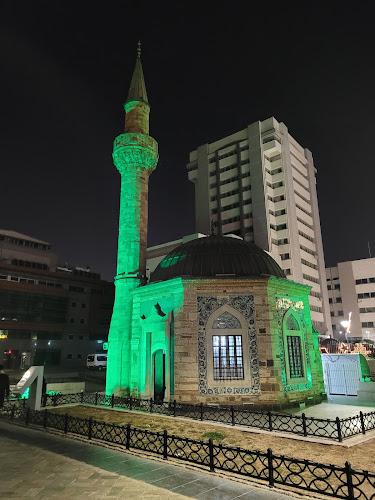
Clock Tower of İzmir

FACE2FACE WAX MUSEUM
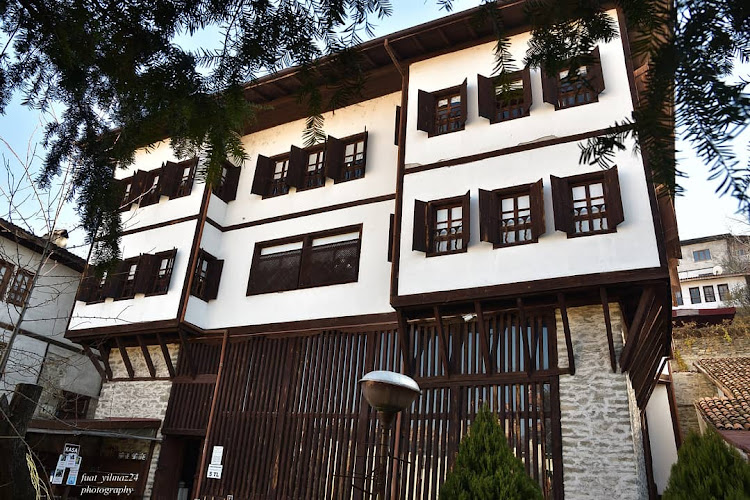
Kaymakamlar Travel House
Find Accommodations Nearby
Recommended Tours & Activities
Visitor Reviews
There are no reviews yet. Be the first one to write one.
Share Your Experience
Have you visited Old Safranbolu Bazaar? Help other travelers by leaving a review.