
Odessa Meteor Crater
About Odessa Meteor Crater
Description
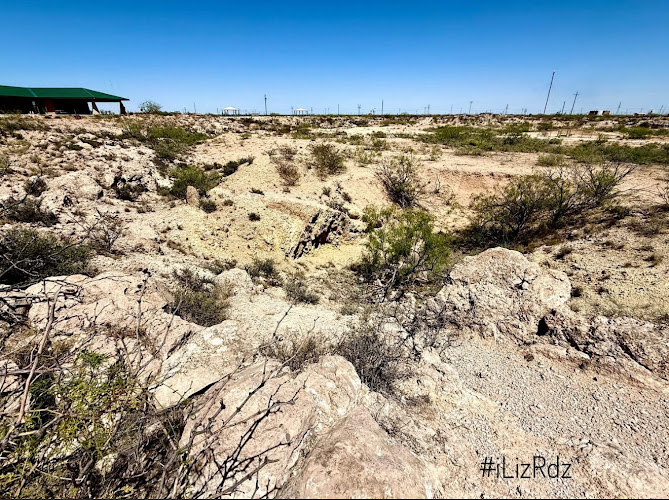
There’s something quietly humbling about standing on the edge of a meteor crater. The Odessa Meteor Crater in West Texas isn’t the biggest hole in the ground you’ll ever see, but it’s got a story that’s literally out of this world. Formed roughly 50,000 years ago when a meteorite slammed into the Earth’s surface, this site reminds visitors just how small we really are compared to the forces of the universe. The crater itself is about 560 feet in diameter and around 17 feet deep today—though it was once much deeper before thousands of years of wind and dust softened its edges. What’s left is a shallow depression surrounded by the wide-open plains of Ector County, giving it that classic West Texas vibe: quiet, vast, and a bit mysterious.
The Odessa Meteor Crater is more than just a hole in the ground—it’s a full-on learning experience. The small but fascinating Meteor Crater Museum nearby does a great job telling the story of how this massive impact happened and what scientists have discovered since. Inside, visitors can see actual fragments of the meteorite, geological samples, and displays that explain how such impacts shape our planet. It’s not flashy or high-tech, but it feels authentic, like a place run by people who really care about preserving a piece of cosmic history. And honestly, that’s part of its charm.
Some travelers expect a giant, cinematic crater like the one in Arizona and end up surprised by how subtle this one looks. But if you take the time to walk the short trail around it, you start to notice details—the scattered iron fragments, the layers of sediment, the way the sunlight shifts across the rim. It’s a quiet, meditative place that rewards those who slow down. Families, geology buffs, and anyone with a curious mind will find plenty to appreciate here. It’s not a thrill ride—it’s an invitation to wonder.
Key Features
- Ancient Impact Site: Formed about 50,000 years ago by a meteorite collision that left one of the largest known craters in the United States.
- Educational Museum: The Meteor Crater Museum showcases meteorite fragments, geological exhibits, and interactive displays that explain the science behind the impact.
- Walking Trail: A short, easy loop trail lets visitors explore the crater’s rim and take in panoramic views of the surrounding desert landscape.
- Accessibility: The site offers wheelchair-accessible parking, restrooms, and entrances, making it convenient for all visitors.
- Family-Friendly: Kids often love seeing “space rocks” up close and learning how something from outer space could shape the land right beneath their feet.
- Peaceful Atmosphere: The wide-open West Texas scenery provides a calm, almost otherworldly environment perfect for reflection or photography.
Best Time to Visit
West Texas can get hot—really hot—so timing your visit makes a big difference. The best times to visit the Odessa Meteor Crater are during the cooler months, from late October through early April. The temperatures then are mild enough for a comfortable walk around the crater, and the skies are often clear, making for great photos. Morning visits are especially nice; the light hits the crater rim just right, and you’ll likely have the place mostly to yourself. Summer afternoons, on the other hand, can be brutal, with temperatures soaring past 100°F. If you do visit in summer, bring water, sunscreen, and maybe a hat that won’t fly off in the West Texas wind (trust me—it’s stronger than you think).
Spring also brings a few wildflowers to the area, which adds a surprising splash of color to the otherwise rugged landscape. And if you’re lucky, you might catch one of those fiery West Texas sunsets that seem to stretch forever. There’s something poetic about watching the sun dip below the horizon while standing in a crater made by a meteorite—it’s like time folding in on itself for a moment.
How to Get There
Getting to the Odessa Meteor Crater is pretty straightforward. It’s located southwest of Odessa, Texas, and only a short drive from Interstate 20. Once you take the exit, you’ll follow a quiet country road that winds through open ranchland until you spot the small visitor center and museum. There’s plenty of parking, and the site is well-marked, so you won’t miss it. The drive itself is part of the experience—those endless stretches of road and big skies are pure West Texas.
If you’re coming from Midland, it’s about a 30-minute drive, and from Odessa proper, it’s even shorter. Most people combine the crater visit with a road trip through the Permian Basin or a stop at other local attractions like the Stonehenge replica at the University of Texas of the Permian Basin. And if you’re the type who loves quirky roadside stops, this one fits right in. It’s easy to spend an hour or two here before continuing your journey deeper into Texas oil country or heading west toward the desert landscapes near Fort Stockton.
Tips for Visiting
First things first—don’t expect a massive canyon. The Odessa Meteor Crater is subtle, and that’s part of its appeal. Go in with curiosity rather than expectations, and you’ll enjoy it a lot more. Here are a few practical tips to make your visit smoother and more enjoyable:
- Bring Water: Even if the walk is short, the Texas sun doesn’t play around. Stay hydrated, especially in warmer months.
- Wear Comfortable Shoes: The trail is easy, but it’s still dusty and uneven in spots. A good pair of sneakers or hiking shoes will do the trick.
- Check the Museum Hours: The Meteor Crater Museum has limited hours, so it’s smart to check before you go. It’s worth timing your visit so you can explore both the crater and the exhibits.
- Watch for Wildlife: You might spot lizards, jackrabbits, or even the occasional roadrunner darting across the trail. Keep your camera ready.
- Take Your Time: It’s tempting to do a quick loop and move on, but if you linger a bit, you’ll notice more—the textures of the rock, the silence of the desert, the sense of deep time all around you.
- Respect the Site: It’s a protected geological landmark, so avoid picking up rocks or meteorite fragments. Leave it as you found it for others to enjoy.
One thing that always strikes visitors is how quiet it is out there. You can stand on the edge of the crater and hear nothing but the wind. It’s almost eerie, but in a good way—like the Earth itself is taking a breath. I remember visiting on a road trip years ago, pulling off the highway just to stretch my legs, and ending up staying for nearly two hours. There’s something about the scale of it—the idea that a rock from space once hit this exact spot—that makes you think about life differently for a bit. It’s not the flashiest stop, but it sticks with you.
For travelers who love offbeat destinations, the Odessa Meteor Crater is a gem. It’s one of those places that feels both ancient and personal, where science meets solitude. Whether you’re a geology enthusiast, a family looking for a quick educational stop, or a road-tripper chasing the weird and wonderful corners of Texas, this crater offers a glimpse into the extraordinary forces that shaped our planet. And who knows—you might leave feeling just a little more connected to the universe.
Key Features
- Key Features
- Best Time to Visit
- How to Get There
- Tips for Visiting
More Details
Updated October 9, 2025
Table of Contents
Description
There’s something quietly humbling about standing on the edge of a meteor crater. The Odessa Meteor Crater in West Texas isn’t the biggest hole in the ground you’ll ever see, but it’s got a story that’s literally out of this world. Formed roughly 50,000 years ago when a meteorite slammed into the Earth’s surface, this site reminds visitors just how small we really are compared to the forces of the universe. The crater itself is about 560 feet in diameter and around 17 feet deep today—though it was once much deeper before thousands of years of wind and dust softened its edges. What’s left is a shallow depression surrounded by the wide-open plains of Ector County, giving it that classic West Texas vibe: quiet, vast, and a bit mysterious.
The Odessa Meteor Crater is more than just a hole in the ground—it’s a full-on learning experience. The small but fascinating Meteor Crater Museum nearby does a great job telling the story of how this massive impact happened and what scientists have discovered since. Inside, visitors can see actual fragments of the meteorite, geological samples, and displays that explain how such impacts shape our planet. It’s not flashy or high-tech, but it feels authentic, like a place run by people who really care about preserving a piece of cosmic history. And honestly, that’s part of its charm.
Some travelers expect a giant, cinematic crater like the one in Arizona and end up surprised by how subtle this one looks. But if you take the time to walk the short trail around it, you start to notice details—the scattered iron fragments, the layers of sediment, the way the sunlight shifts across the rim. It’s a quiet, meditative place that rewards those who slow down. Families, geology buffs, and anyone with a curious mind will find plenty to appreciate here. It’s not a thrill ride—it’s an invitation to wonder.
Key Features
- Ancient Impact Site: Formed about 50,000 years ago by a meteorite collision that left one of the largest known craters in the United States.
- Educational Museum: The Meteor Crater Museum showcases meteorite fragments, geological exhibits, and interactive displays that explain the science behind the impact.
- Walking Trail: A short, easy loop trail lets visitors explore the crater’s rim and take in panoramic views of the surrounding desert landscape.
- Accessibility: The site offers wheelchair-accessible parking, restrooms, and entrances, making it convenient for all visitors.
- Family-Friendly: Kids often love seeing “space rocks” up close and learning how something from outer space could shape the land right beneath their feet.
- Peaceful Atmosphere: The wide-open West Texas scenery provides a calm, almost otherworldly environment perfect for reflection or photography.
Best Time to Visit
West Texas can get hot—really hot—so timing your visit makes a big difference. The best times to visit the Odessa Meteor Crater are during the cooler months, from late October through early April. The temperatures then are mild enough for a comfortable walk around the crater, and the skies are often clear, making for great photos. Morning visits are especially nice; the light hits the crater rim just right, and you’ll likely have the place mostly to yourself. Summer afternoons, on the other hand, can be brutal, with temperatures soaring past 100°F. If you do visit in summer, bring water, sunscreen, and maybe a hat that won’t fly off in the West Texas wind (trust me—it’s stronger than you think).
Spring also brings a few wildflowers to the area, which adds a surprising splash of color to the otherwise rugged landscape. And if you’re lucky, you might catch one of those fiery West Texas sunsets that seem to stretch forever. There’s something poetic about watching the sun dip below the horizon while standing in a crater made by a meteorite—it’s like time folding in on itself for a moment.
How to Get There
Getting to the Odessa Meteor Crater is pretty straightforward. It’s located southwest of Odessa, Texas, and only a short drive from Interstate 20. Once you take the exit, you’ll follow a quiet country road that winds through open ranchland until you spot the small visitor center and museum. There’s plenty of parking, and the site is well-marked, so you won’t miss it. The drive itself is part of the experience—those endless stretches of road and big skies are pure West Texas.
If you’re coming from Midland, it’s about a 30-minute drive, and from Odessa proper, it’s even shorter. Most people combine the crater visit with a road trip through the Permian Basin or a stop at other local attractions like the Stonehenge replica at the University of Texas of the Permian Basin. And if you’re the type who loves quirky roadside stops, this one fits right in. It’s easy to spend an hour or two here before continuing your journey deeper into Texas oil country or heading west toward the desert landscapes near Fort Stockton.
Tips for Visiting
First things first—don’t expect a massive canyon. The Odessa Meteor Crater is subtle, and that’s part of its appeal. Go in with curiosity rather than expectations, and you’ll enjoy it a lot more. Here are a few practical tips to make your visit smoother and more enjoyable:
- Bring Water: Even if the walk is short, the Texas sun doesn’t play around. Stay hydrated, especially in warmer months.
- Wear Comfortable Shoes: The trail is easy, but it’s still dusty and uneven in spots. A good pair of sneakers or hiking shoes will do the trick.
- Check the Museum Hours: The Meteor Crater Museum has limited hours, so it’s smart to check before you go. It’s worth timing your visit so you can explore both the crater and the exhibits.
- Watch for Wildlife: You might spot lizards, jackrabbits, or even the occasional roadrunner darting across the trail. Keep your camera ready.
- Take Your Time: It’s tempting to do a quick loop and move on, but if you linger a bit, you’ll notice more—the textures of the rock, the silence of the desert, the sense of deep time all around you.
- Respect the Site: It’s a protected geological landmark, so avoid picking up rocks or meteorite fragments. Leave it as you found it for others to enjoy.
One thing that always strikes visitors is how quiet it is out there. You can stand on the edge of the crater and hear nothing but the wind. It’s almost eerie, but in a good way—like the Earth itself is taking a breath. I remember visiting on a road trip years ago, pulling off the highway just to stretch my legs, and ending up staying for nearly two hours. There’s something about the scale of it—the idea that a rock from space once hit this exact spot—that makes you think about life differently for a bit. It’s not the flashiest stop, but it sticks with you.
For travelers who love offbeat destinations, the Odessa Meteor Crater is a gem. It’s one of those places that feels both ancient and personal, where science meets solitude. Whether you’re a geology enthusiast, a family looking for a quick educational stop, or a road-tripper chasing the weird and wonderful corners of Texas, this crater offers a glimpse into the extraordinary forces that shaped our planet. And who knows—you might leave feeling just a little more connected to the universe.
Key Highlights
- Key Features
- Best Time to Visit
- How to Get There
- Tips for Visiting
Location
Places to Stay Near Odessa Meteor Crater
Find and Book a Tour
Explore More Travel Guides
No reviews found! Be the first to review!
Traveler Reviews for Odessa Meteor Crater
There are no reviews yet. Be the first one to write one.
Have you visited Odessa Meteor Crater? Help other travelers by sharing your review.
You Might Also Like

UTPB Park Sprayground

Memorial Garden Park
Lawndale Park
Find Accommodations Nearby
Recommended Tours & Activities
Visitor Reviews
There are no reviews yet. Be the first one to write one.
Share Your Experience
Have you visited Odessa Meteor Crater? Help other travelers by leaving a review.