
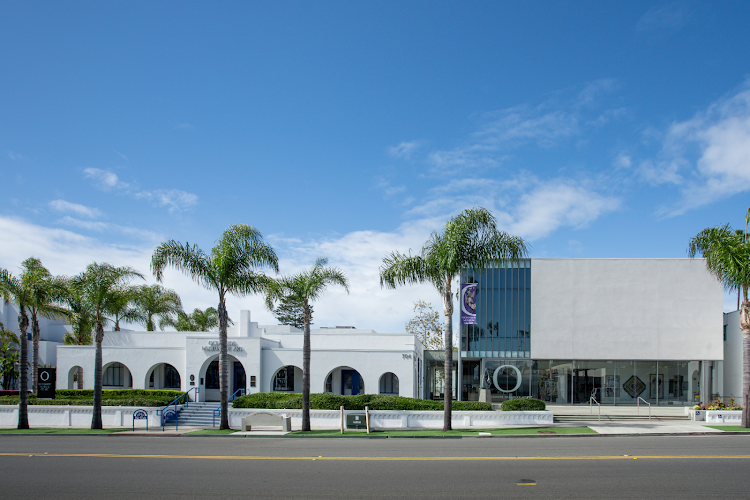
Oceanside Museum of Art
About Oceanside Museum of Art
Description
The Oceanside Museum of Art occupies a sleek contemporary building that presents a rotating collection of modern art and cultural programming. As an arts organization, gallery, event venue and small museum store all rolled into one, it focuses on regional and nationally recognized contemporary artists, community-driven exhibitions, and live performances. Exhibition rooms are arranged to encourage lingering — the kind of place where a single piece can change the mood of an entire afternoon.
Visitors will notice a thoughtful balance between large-scale installations and intimate works on paper, plus frequent thematic shows that explore local culture, environmental issues, and experimental practices. The museum also functions as an event and wedding venue; its architecture and outdoor terraces make it a popular choice for receptions and community events. On any given weekend there might be a family art day, a gallery talk, a musical performance, or an artist-led workshop — so it pays to check the calendar before arriving.
Beyond formal exhibitions, the museum operates as a cultural hub: it runs guided tours, hosts live music and dance, and maintains a shop stocked with artist-made objects and art books. A small café offers coffee and light bites, and free Wi-Fi means visitors can look up artists’ bios or snap a few photos to send home. Practical accessibility features are in place, including wheelchair-accessible entrances, restrooms, and parking, along with wheelchair rental. That practical attention to detail helps make the museum more inclusive and easier to navigate for families, seniors, and visitors with mobility needs.
The overall experience leans toward approachable contemporary art rather than intimidating theory. Staff and docents are normally friendly and ready to explain a piece or point out highlights; the museum’s educational mission is evident without ever feeling preachy. And yes, admission is charged, but there are discounts for active military and other offerings that make the visit feel like a worthwhile cultural investment rather than a budget break.
Key Features
- Contemporary and rotating exhibitions featuring regional and national artists
- Onsite guided tours and docent talks for deeper context
- Live performances and periodic cultural events
- Event and wedding rental spaces with indoor and outdoor options
- Gift shop with local artist goods and art books
- Café offering light refreshments and a casual place to rest
- Wheelchair-accessible entrance, parking, restroom, and wheelchair rental
- Family-friendly programming and activities for children
- Discounts available for active military
- Free street parking nearby (varies by time of day)
- Wi-Fi available for visitors
- Admission fee required, with occasional free or reduced admission days
Best Time to Visit
The ideal time to visit is on a weekday morning or early afternoon when galleries are quieter and light is generous. Weekends tend to host larger crowds, both from locals and tourists, especially during special exhibitions and live events. For those who prefer a more contemplative visit — fewer pushy selfie-sticks, more breathing room — a weekday visit is the safer bet.
Seasonally, late spring through early fall brings pleasant weather, but the museum experience itself is mostly climate-controlled, so it’s comfortable year-round. If the museum has an outdoor art walk or terrace event, those happen more often in warmer months. Community festivals and artwalk nights in downtown Oceanside sometimes coincide with extended gallery hours, which can be a fun way to pair the museum with local restaurants and the waterfront scene.
Special events and exhibition openings are worth timing a visit for, though be warned: openings are social affairs. If the aim is to study works closely, avoid opening nights and large public programs. Conversely, if the goal is to soak up the local arts scene and meet artists or curators, schedule a visit around a lecture or opening reception — that’s where conversations happen and where the museum’s role as an arts organization really shines.
How to Get There
The museum sits within Oceanside’s cultural corridor, making it reachable by several modes of transport. Drivers will find free street parking in many nearby blocks, though the availability changes with events and peak times; allow extra minutes for hunting a spot on event evenings. For those driving from the greater San Diego area, major coastal highways feed into Oceanside — but the specific route depends on starting point, so planning a route in advance is recommended.
Public transit offers a convenient alternative. Commuter rail and regional transit bring visitors into the central transit hub; from there a short bus ride, rideshare, or a quick taxi can deliver cultural pilgrims to the museum doorstep. Walking from the transit center is possible for those who like a 15–25 minute stroll, and it can be a pleasant way to take in the downtown streetscape before hitting the galleries.
Rideshare and taxis are popular for evening events, when parking can be tighter. Bicyclists will find bike-friendly streets and bike racks near the entrance; if arriving by bike, the author recommends bringing a sturdy lock because bike theft is a true annoyance in some coastal cities.
Tips for Visiting
Visitors should buy tickets ahead of time for special exhibitions and popular event nights to avoid disappointment. The museum runs docent-led tours that are short, informative, and a smart way to get oriented — a quick tour transforms a casual look into something much more memorable. If the schedule lists artist talks, the reader should consider attending; hearing an artist explain their own work can change the way a piece lands.
Bring comfortable shoes. Even a small museum requires standing and pacing — one shouldn’t underestimate how much walking a thorough gallery tour demands. The café is a nice pause point; the writer notes that a quick coffee break between galleries resets the brain and helps make connections between what’s been seen earlier and what’s still to come.
Families with children will appreciate the kid-friendly programming, and hands-on workshops are often available. For parents: pack a small sketchbook or crayons to keep little ones engaged during a slower gallery section. That little trick has saved many parents from the sigh-of-defeat moment on a Friday afternoon.
Accessibility matters here. Wheelchair users will find accessible routes and restrooms, but if specific assistance is needed, contacting the museum in advance is recommended to confirm wheelchair rental or any special accommodations for events. The staff is generally helpful and responsive when notified ahead of time.
Photography policies vary by exhibition; some shows permit non-flash photography, others restrict it. If a visitor cares about taking photos, the wisest move is to ask at the front desk or check the signage. Also, cell phone etiquette matters — it’s nice to step into a lobby for calls rather than talking through a delicate sound piece in an installation room.
Budget-savvy visitors should look for discount days and military rates. Memberships can be an economical choice for those who anticipate two or more visits a year; memberships often include previews, discounts at the gift shop, and waived admission for certain shows. The author has seen memberships pay for themselves in a single well-timed opening night visit, so if the museum starts to feel like a going concern in a visitor’s travel plans, joining might be worth it.
Finally, the museum’s gift shop is worth a browse even for non-shoppers. It’s one of those small cultural caches where interesting artist-made goods, local prints, and books reveal a lot about the local art scene. Buying a small print or zine not only supports artists but also gives a more personal souvenir than a magnet ever could.
In short, the Oceanside Museum of Art is more than a place to see art — it’s a local cultural engine with exhibitions that change often, programming that invites participation, and facilities that welcome a broad range of visitors. For travelers who enjoy thoughtful contemporary art, social events tied to art, and a museum that doubles as a lively community space, a visit here is rewarding and, if planned well, pleasantly effortless.
Key Features
- Contemporary and rotating exhibitions featuring regional and national artists
- Onsite guided tours and docent talks for deeper context
- Live performances and periodic cultural events
- Event and wedding rental spaces with indoor and outdoor options
- Gift shop with local artist goods and art books
- Café offering light refreshments and a casual place to rest
- Wheelchair-accessible entrance, parking, restroom, and wheelchair rental
- Family-friendly programming and activities for children
More Details
Updated August 30, 2025
Table of Contents
Description
The Oceanside Museum of Art occupies a sleek contemporary building that presents a rotating collection of modern art and cultural programming. As an arts organization, gallery, event venue and small museum store all rolled into one, it focuses on regional and nationally recognized contemporary artists, community-driven exhibitions, and live performances. Exhibition rooms are arranged to encourage lingering — the kind of place where a single piece can change the mood of an entire afternoon.
Visitors will notice a thoughtful balance between large-scale installations and intimate works on paper, plus frequent thematic shows that explore local culture, environmental issues, and experimental practices. The museum also functions as an event and wedding venue; its architecture and outdoor terraces make it a popular choice for receptions and community events. On any given weekend there might be a family art day, a gallery talk, a musical performance, or an artist-led workshop — so it pays to check the calendar before arriving.
Beyond formal exhibitions, the museum operates as a cultural hub: it runs guided tours, hosts live music and dance, and maintains a shop stocked with artist-made objects and art books. A small café offers coffee and light bites, and free Wi-Fi means visitors can look up artists’ bios or snap a few photos to send home. Practical accessibility features are in place, including wheelchair-accessible entrances, restrooms, and parking, along with wheelchair rental. That practical attention to detail helps make the museum more inclusive and easier to navigate for families, seniors, and visitors with mobility needs.
The overall experience leans toward approachable contemporary art rather than intimidating theory. Staff and docents are normally friendly and ready to explain a piece or point out highlights; the museum’s educational mission is evident without ever feeling preachy. And yes, admission is charged, but there are discounts for active military and other offerings that make the visit feel like a worthwhile cultural investment rather than a budget break.
Key Features
- Contemporary and rotating exhibitions featuring regional and national artists
- Onsite guided tours and docent talks for deeper context
- Live performances and periodic cultural events
- Event and wedding rental spaces with indoor and outdoor options
- Gift shop with local artist goods and art books
- Café offering light refreshments and a casual place to rest
- Wheelchair-accessible entrance, parking, restroom, and wheelchair rental
- Family-friendly programming and activities for children
- Discounts available for active military
- Free street parking nearby (varies by time of day)
- Wi-Fi available for visitors
- Admission fee required, with occasional free or reduced admission days
Best Time to Visit
The ideal time to visit is on a weekday morning or early afternoon when galleries are quieter and light is generous. Weekends tend to host larger crowds, both from locals and tourists, especially during special exhibitions and live events. For those who prefer a more contemplative visit — fewer pushy selfie-sticks, more breathing room — a weekday visit is the safer bet.
Seasonally, late spring through early fall brings pleasant weather, but the museum experience itself is mostly climate-controlled, so it’s comfortable year-round. If the museum has an outdoor art walk or terrace event, those happen more often in warmer months. Community festivals and artwalk nights in downtown Oceanside sometimes coincide with extended gallery hours, which can be a fun way to pair the museum with local restaurants and the waterfront scene.
Special events and exhibition openings are worth timing a visit for, though be warned: openings are social affairs. If the aim is to study works closely, avoid opening nights and large public programs. Conversely, if the goal is to soak up the local arts scene and meet artists or curators, schedule a visit around a lecture or opening reception — that’s where conversations happen and where the museum’s role as an arts organization really shines.
How to Get There
The museum sits within Oceanside’s cultural corridor, making it reachable by several modes of transport. Drivers will find free street parking in many nearby blocks, though the availability changes with events and peak times; allow extra minutes for hunting a spot on event evenings. For those driving from the greater San Diego area, major coastal highways feed into Oceanside — but the specific route depends on starting point, so planning a route in advance is recommended.
Public transit offers a convenient alternative. Commuter rail and regional transit bring visitors into the central transit hub; from there a short bus ride, rideshare, or a quick taxi can deliver cultural pilgrims to the museum doorstep. Walking from the transit center is possible for those who like a 15–25 minute stroll, and it can be a pleasant way to take in the downtown streetscape before hitting the galleries.
Rideshare and taxis are popular for evening events, when parking can be tighter. Bicyclists will find bike-friendly streets and bike racks near the entrance; if arriving by bike, the author recommends bringing a sturdy lock because bike theft is a true annoyance in some coastal cities.
Tips for Visiting
Visitors should buy tickets ahead of time for special exhibitions and popular event nights to avoid disappointment. The museum runs docent-led tours that are short, informative, and a smart way to get oriented — a quick tour transforms a casual look into something much more memorable. If the schedule lists artist talks, the reader should consider attending; hearing an artist explain their own work can change the way a piece lands.
Bring comfortable shoes. Even a small museum requires standing and pacing — one shouldn’t underestimate how much walking a thorough gallery tour demands. The café is a nice pause point; the writer notes that a quick coffee break between galleries resets the brain and helps make connections between what’s been seen earlier and what’s still to come.
Families with children will appreciate the kid-friendly programming, and hands-on workshops are often available. For parents: pack a small sketchbook or crayons to keep little ones engaged during a slower gallery section. That little trick has saved many parents from the sigh-of-defeat moment on a Friday afternoon.
Accessibility matters here. Wheelchair users will find accessible routes and restrooms, but if specific assistance is needed, contacting the museum in advance is recommended to confirm wheelchair rental or any special accommodations for events. The staff is generally helpful and responsive when notified ahead of time.
Photography policies vary by exhibition; some shows permit non-flash photography, others restrict it. If a visitor cares about taking photos, the wisest move is to ask at the front desk or check the signage. Also, cell phone etiquette matters — it’s nice to step into a lobby for calls rather than talking through a delicate sound piece in an installation room.
Budget-savvy visitors should look for discount days and military rates. Memberships can be an economical choice for those who anticipate two or more visits a year; memberships often include previews, discounts at the gift shop, and waived admission for certain shows. The author has seen memberships pay for themselves in a single well-timed opening night visit, so if the museum starts to feel like a going concern in a visitor’s travel plans, joining might be worth it.
Finally, the museum’s gift shop is worth a browse even for non-shoppers. It’s one of those small cultural caches where interesting artist-made goods, local prints, and books reveal a lot about the local art scene. Buying a small print or zine not only supports artists but also gives a more personal souvenir than a magnet ever could.
In short, the Oceanside Museum of Art is more than a place to see art — it’s a local cultural engine with exhibitions that change often, programming that invites participation, and facilities that welcome a broad range of visitors. For travelers who enjoy thoughtful contemporary art, social events tied to art, and a museum that doubles as a lively community space, a visit here is rewarding and, if planned well, pleasantly effortless.
Key Highlights
- Contemporary and rotating exhibitions featuring regional and national artists
- Onsite guided tours and docent talks for deeper context
- Live performances and periodic cultural events
- Event and wedding rental spaces with indoor and outdoor options
- Gift shop with local artist goods and art books
- Café offering light refreshments and a casual place to rest
- Wheelchair-accessible entrance, parking, restroom, and wheelchair rental
- Family-friendly programming and activities for children
Location
Places to Stay Near Oceanside Museum of Art
Find and Book a Tour
Explore More Travel Guides
No reviews found! Be the first to review!
Traveler Reviews for Oceanside Museum of Art
There are no reviews yet. Be the first one to write one.
Have you visited Oceanside Museum of Art? Help other travelers by sharing your review.
You Might Also Like
Buena Vista Audubon Society
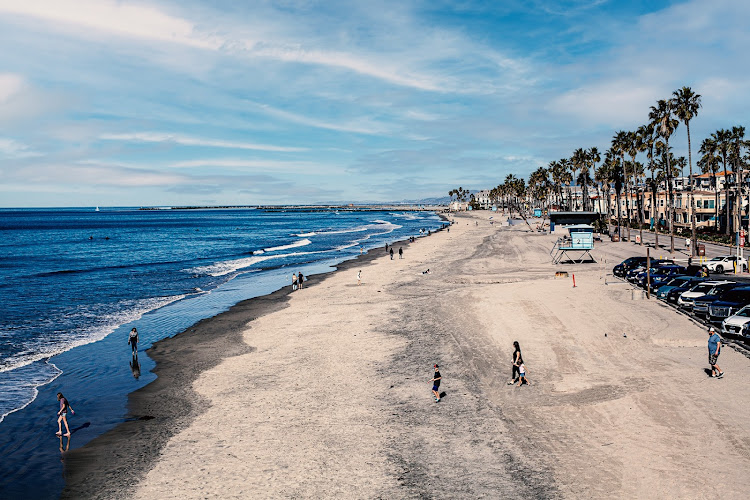
Oceanside Harbor Beach

Mance Buchanon Park
Find Accommodations Nearby
Recommended Tours & Activities
Visitor Reviews
There are no reviews yet. Be the first one to write one.
Share Your Experience
Have you visited Oceanside Museum of Art? Help other travelers by leaving a review.