

Novo Hamburgo
About Novo Hamburgo
Description
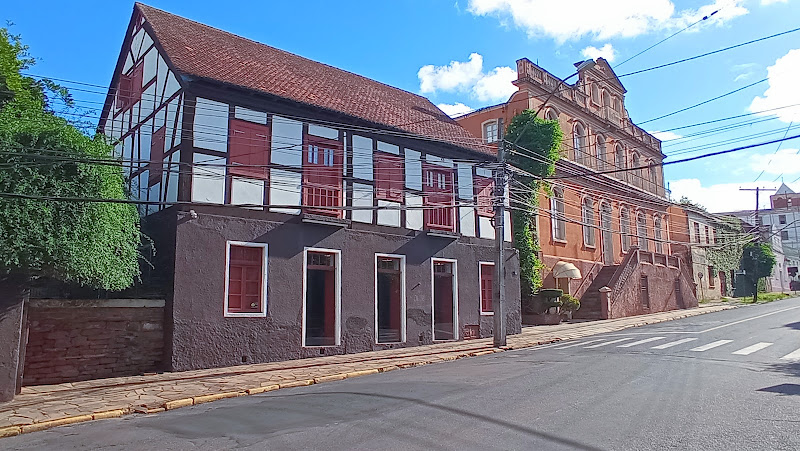
Novo Hamburgo in the state of Rio Grande do Sul, Brazil, is a fascinating mix of tradition, industry, and cultural heritage. Founded in the 19th century by German immigrants, the city has grown into an important hub for trade and manufacturing while still proudly showcasing its roots. Known as the Brazilian capital of shoes, Novo Hamburgo takes footwear seriously. Walking through the streets, it’s not hard to notice the strong influence of craftsmanship and the entrepreneurial spirit that have shaped its character. That said, the city isn’t only about factories and shopping outlets. It’s also about its people and the way German traditions coexist with Brazilian rhythms, creating a unique local identity.
Travelers often describe Novo Hamburgo as a city that offers authenticity rather than tourist gimmicks. There are museums that trace the story of immigration, public squares where you can sit with a chimarrão in hand, and cultural events that celebrate everything from German-style beer festivals to Brazilian music performances. Some say the city feels industrial at first glance, but once you dig a little deeper, you’ll uncover a community that values family, history, and progress. It’s not the kind of place where everything is polished perfectly, and honestly, that rough-around-the-edges charm is precisely what makes it feel real.
As part of the Vale do Sinos region near Porto Alegre, Novo Hamburgo is well connected and surrounded by smaller towns that each bring their own cultural gems. The city itself has a population of over 200,000 residents and maintains the energy of a busy metropolitan area while still being small enough to explore comfortably in a few days. If you love understanding the deeper fabric of a region rather than ticking off the standard list of tourist attractions, Novo Hamburgo has plenty to offer.
Key Features
- Historic roots tied to 19th-century German immigration.
- Considered the Brazilian capital of shoes, with outlets, workshops, and the National Museum of Shoes dedicated to the craft.
- Strong cultural scene blending German traditions with Brazilian customs.
- Close proximity to Porto Alegre, just about 40 kilometers away, making it easy for day trips or weekend stays.
- A growing gastronomy scene with German-inspired dishes—think sausages and beer alongside Brazilian staples like barbecue.
- Important regional industrial and commercial hub within the Vale dos Sinos (Sinos Valley).
- Parks and squares that offer a pause from the city’s busy streets and are popular gathering spots for locals.
Best Time to Visit
The climate in Novo Hamburgo is subtropical, which means visitors should expect warm summers and cooler winters. Personally, I find spring (September to November) and autumn (March to May) the most enjoyable times. The air feels fresher, the days are comfortably warm, and festivals and open-air events are more frequent. If you’re arriving in summer, temperatures can climb, and though you’ll get sunshine for outdoor exploring, be prepared for some pretty intense heat. Winter, on the other hand, is surprisingly chilly for Brazil—temperatures sometimes dip close to freezing. It adds a cozy atmosphere—you might even appreciate a German-style hot meal on those cold nights.
The city comes alive during cultural events such as the Fenac fairs, which are trade exhibitions that showcase the region’s industries, from footwear to technology. Timing your visit around such events can give you deeper insights into why Novo Hamburgo is more than just an average Brazilian city. And if you’re a fan of traditional festivals, keep an eye out for local beer events and heritage celebrations that reveal the city’s German side.
How to Get There
Novo Hamburgo is situated about 40 kilometers north of Porto Alegre, the state capital of Rio Grande do Sul. The Salgado Filho International Airport in Porto Alegre is the closest major airport, and from there it’s pretty straightforward to reach the city. Travelers can hop on a car ride, a shuttle, or the Trensurb commuter train, which links Porto Alegre to cities like Canoas, Esteio, São Leopoldo, and Novo Hamburgo itself. The train is one of the easiest and most affordable routes, and it drops passengers right in the central area.
If you’re already traveling around southern Brazil, road access is also excellent. Highways connect Novo Hamburgo with other parts of the state, including Gramado and Canela, two popular spots in the Serra Gaúcha, which are not too far away. Personally, I recommend taking the train if you’re coming from Porto Alegre—there’s some charm to riding alongside locals, watching the urban landscape gradually shift as you get closer to the Sinos Valley. But for flexibility, especially if you’re planning to explore beyond the city, driving is your best bet.
Tips for Visiting
When it comes to visiting Novo Hamburgo, expect a mix of German influence alongside that unmistakable Brazilian warmth. Here are some insights to make your trip smoother:
- Explore the museums – The National Museum of Shoes is not just about footwear; it’s about how a city’s economy and identity were built around a craft. Don’t miss it if you like stories behind objects.
- Try the food – Order a typical churrasco (Brazilian barbecue), but also try dishes with German roots. Local bakeries serve hearty breads, cakes, and sausages that tell their own story of immigration and adaptation.
- Language tip – Portuguese is widely spoken, but you might hear some German dialects among older communities. Even if you just learn “Obrigado” (thank you), locals will appreciate your effort.
- Walk the city center – The downtown area has shops, squares, and casual dining spots. It’s not always conventionally pretty, but there’s a character to it, and it helps you see everyday life up close.
- Pace yourself – Novo Hamburgo isn’t necessarily a tourist-heavy place. This means you won’t find every corner designed for sightseeing, but that’s part of its appeal. Take your time to let the city reveal itself.
- Day trips – Being so close to Porto Alegre, São Leopoldo, and Gramado, it makes sense to use Novo Hamburgo as a base for exploring the wider region. Each place has its own identity shaped by immigrants, industries, and traditions.
- Participate in local life – If you see locals gathered in parks sharing chimarrão (a traditional herbal tea), accept the invitation if offered. It’s a simple but genuine way to feel connected here.
All in all, Novo Hamburgo is not the kind of city where you’ll have a list of “must-see attractions” to check off. Instead, it’s a place where history, industry, and human stories weave together. And if you go with an open mind, you might find that those little discoveries—the taste of regional barbecue, the buzz of a local fair, or a conversation with a resident—turn out to be the most memorable parts of your trip.
Key Features
- Historic roots tied to 19th-century German immigration.
- Considered the Brazilian capital of shoes, with outlets, workshops, and the National Museum of Shoes dedicated to the craft.
- Strong cultural scene blending German traditions with Brazilian customs.
- Close proximity to Porto Alegre, just about 40 kilometers away, making it easy for day trips or weekend stays.
- A growing gastronomy scene with German-inspired dishes—think sausages and beer alongside Brazilian staples like barbecue.
- Important regional industrial and commercial hub within the Vale dos Sinos (Sinos Valley).
- Parks and squares that offer a pause from the city’s busy streets and are popular gathering spots for locals.
More Details
Updated October 2, 2025
Table of Contents
Description
Novo Hamburgo in the state of Rio Grande do Sul, Brazil, is a fascinating mix of tradition, industry, and cultural heritage. Founded in the 19th century by German immigrants, the city has grown into an important hub for trade and manufacturing while still proudly showcasing its roots. Known as the Brazilian capital of shoes, Novo Hamburgo takes footwear seriously. Walking through the streets, it’s not hard to notice the strong influence of craftsmanship and the entrepreneurial spirit that have shaped its character. That said, the city isn’t only about factories and shopping outlets. It’s also about its people and the way German traditions coexist with Brazilian rhythms, creating a unique local identity.
Travelers often describe Novo Hamburgo as a city that offers authenticity rather than tourist gimmicks. There are museums that trace the story of immigration, public squares where you can sit with a chimarrão in hand, and cultural events that celebrate everything from German-style beer festivals to Brazilian music performances. Some say the city feels industrial at first glance, but once you dig a little deeper, you’ll uncover a community that values family, history, and progress. It’s not the kind of place where everything is polished perfectly, and honestly, that rough-around-the-edges charm is precisely what makes it feel real.
As part of the Vale do Sinos region near Porto Alegre, Novo Hamburgo is well connected and surrounded by smaller towns that each bring their own cultural gems. The city itself has a population of over 200,000 residents and maintains the energy of a busy metropolitan area while still being small enough to explore comfortably in a few days. If you love understanding the deeper fabric of a region rather than ticking off the standard list of tourist attractions, Novo Hamburgo has plenty to offer.
Key Features
- Historic roots tied to 19th-century German immigration.
- Considered the Brazilian capital of shoes, with outlets, workshops, and the National Museum of Shoes dedicated to the craft.
- Strong cultural scene blending German traditions with Brazilian customs.
- Close proximity to Porto Alegre, just about 40 kilometers away, making it easy for day trips or weekend stays.
- A growing gastronomy scene with German-inspired dishes—think sausages and beer alongside Brazilian staples like barbecue.
- Important regional industrial and commercial hub within the Vale dos Sinos (Sinos Valley).
- Parks and squares that offer a pause from the city’s busy streets and are popular gathering spots for locals.
Best Time to Visit
The climate in Novo Hamburgo is subtropical, which means visitors should expect warm summers and cooler winters. Personally, I find spring (September to November) and autumn (March to May) the most enjoyable times. The air feels fresher, the days are comfortably warm, and festivals and open-air events are more frequent. If you’re arriving in summer, temperatures can climb, and though you’ll get sunshine for outdoor exploring, be prepared for some pretty intense heat. Winter, on the other hand, is surprisingly chilly for Brazil—temperatures sometimes dip close to freezing. It adds a cozy atmosphere—you might even appreciate a German-style hot meal on those cold nights.
The city comes alive during cultural events such as the Fenac fairs, which are trade exhibitions that showcase the region’s industries, from footwear to technology. Timing your visit around such events can give you deeper insights into why Novo Hamburgo is more than just an average Brazilian city. And if you’re a fan of traditional festivals, keep an eye out for local beer events and heritage celebrations that reveal the city’s German side.
How to Get There
Novo Hamburgo is situated about 40 kilometers north of Porto Alegre, the state capital of Rio Grande do Sul. The Salgado Filho International Airport in Porto Alegre is the closest major airport, and from there it’s pretty straightforward to reach the city. Travelers can hop on a car ride, a shuttle, or the Trensurb commuter train, which links Porto Alegre to cities like Canoas, Esteio, São Leopoldo, and Novo Hamburgo itself. The train is one of the easiest and most affordable routes, and it drops passengers right in the central area.
If you’re already traveling around southern Brazil, road access is also excellent. Highways connect Novo Hamburgo with other parts of the state, including Gramado and Canela, two popular spots in the Serra Gaúcha, which are not too far away. Personally, I recommend taking the train if you’re coming from Porto Alegre—there’s some charm to riding alongside locals, watching the urban landscape gradually shift as you get closer to the Sinos Valley. But for flexibility, especially if you’re planning to explore beyond the city, driving is your best bet.
Tips for Visiting
When it comes to visiting Novo Hamburgo, expect a mix of German influence alongside that unmistakable Brazilian warmth. Here are some insights to make your trip smoother:
- Explore the museums – The National Museum of Shoes is not just about footwear; it’s about how a city’s economy and identity were built around a craft. Don’t miss it if you like stories behind objects.
- Try the food – Order a typical churrasco (Brazilian barbecue), but also try dishes with German roots. Local bakeries serve hearty breads, cakes, and sausages that tell their own story of immigration and adaptation.
- Language tip – Portuguese is widely spoken, but you might hear some German dialects among older communities. Even if you just learn “Obrigado” (thank you), locals will appreciate your effort.
- Walk the city center – The downtown area has shops, squares, and casual dining spots. It’s not always conventionally pretty, but there’s a character to it, and it helps you see everyday life up close.
- Pace yourself – Novo Hamburgo isn’t necessarily a tourist-heavy place. This means you won’t find every corner designed for sightseeing, but that’s part of its appeal. Take your time to let the city reveal itself.
- Day trips – Being so close to Porto Alegre, São Leopoldo, and Gramado, it makes sense to use Novo Hamburgo as a base for exploring the wider region. Each place has its own identity shaped by immigrants, industries, and traditions.
- Participate in local life – If you see locals gathered in parks sharing chimarrão (a traditional herbal tea), accept the invitation if offered. It’s a simple but genuine way to feel connected here.
All in all, Novo Hamburgo is not the kind of city where you’ll have a list of “must-see attractions” to check off. Instead, it’s a place where history, industry, and human stories weave together. And if you go with an open mind, you might find that those little discoveries—the taste of regional barbecue, the buzz of a local fair, or a conversation with a resident—turn out to be the most memorable parts of your trip.
Key Highlights
- Historic roots tied to 19th-century German immigration.
- Considered the Brazilian capital of shoes, with outlets, workshops, and the National Museum of Shoes dedicated to the craft.
- Strong cultural scene blending German traditions with Brazilian customs.
- Close proximity to Porto Alegre, just about 40 kilometers away, making it easy for day trips or weekend stays.
- A growing gastronomy scene with German-inspired dishes—think sausages and beer alongside Brazilian staples like barbecue.
- Important regional industrial and commercial hub within the Vale dos Sinos (Sinos Valley).
- Parks and squares that offer a pause from the city’s busy streets and are popular gathering spots for locals.
Location
Places to Stay Near Novo Hamburgo
Find and Book a Tour
Explore More Travel Guides
No reviews found! Be the first to review!
Traveler Reviews for Novo Hamburgo
There are no reviews yet. Be the first one to write one.
Have you visited Novo Hamburgo? Help other travelers by sharing your review.
You Might Also Like
Schmitt-Presser Museum
93351-325

Swan Novo Hamburgo
Find Accommodations Nearby
Recommended Tours & Activities
Visitor Reviews
There are no reviews yet. Be the first one to write one.
Share Your Experience
Have you visited Novo Hamburgo? Help other travelers by leaving a review.