
Nottingham Industrial Museum
About Nottingham Industrial Museum
Description
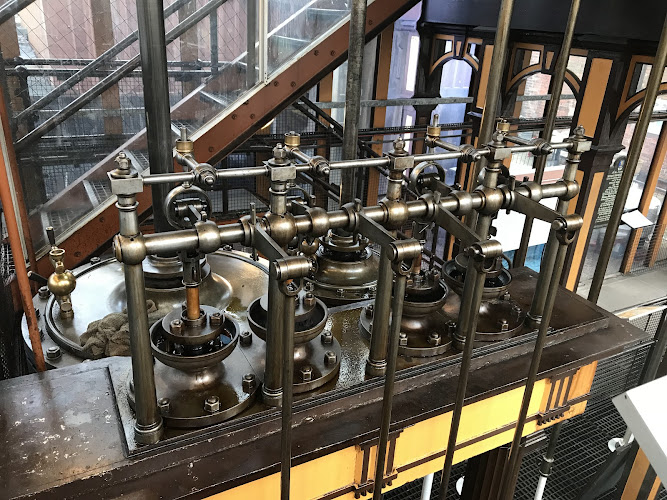
The Nottingham Industrial Museum sits within the historic stable block at Wollaton Hall, Gardens and Deer Park and invites visitors into a hands-on story of Nottinghamshire industry that is equal parts museum and working workshop. Housed in 17th century stables, the museum preserves an authentic sense of place: low-beamed rooms, brick-and-timber details, and the smell—yes, the smell—of oil and coal that somehow makes the whole experience feel more honest. It focuses on local industries and technologies: lace and textile machines that once shaped the city, mining and transport artefacts, model railways, and a selection of working diesel and steam engines that still turn on demonstration days.
This is not a polished, glass-box gallery of untouchable objects. Instead, the layout emphasizes machines, tools, and processes. Items are displayed with clear labels and, crucially, volunteers who love to chat. The museum is run largely by volunteers who repair, maintain and operate the machinery; visitors often find themselves pulled into an impromptu explanation of how a beam engine works or why a particular belt drive was revolutionary. Those conversations are the secret sauce here: they add narrative, personality and an unexpected chance to ask questions that go beyond a standard information panel.
Expect to see working steam and diesel engines, some restored to running condition and occasionally fired up for live demonstrations. These demonstrations are more than a gimmick; they are a tactile reminder that industrial heritage is about motion and noise as much as about objects. The Basford beam engine and similar engines are represented and explained in accessible terms, so even if you are not mechanically inclined you will come away understanding why these machines mattered. For those who like to get close, the museum often allows close viewing of parts and moving mechanisms—safely, of course—so you can see engineering details that would otherwise be invisible in many larger institutions.
The collections tell local stories. Nottingham’s lace and textile heritage is reflected through machines and displays that map technological advances to social and economic change. Mining tools and transport artefacts connect the museum to Nottinghamshire’s broader industrial landscape. There are also smaller human-scale exhibits: tools from everyday workshops, domestic machines that changed household life, and signage or photographs that place the objects in context. The balance between large, impressive machines and small, telling items works well; it never feels like a random jumble but rather like a coherent narrative about industry, innovation, and the people who made it happen.
Accessibility and practical amenities are a positive note. The museum provides a wheelchair accessible entrance, designated parking, and accessible restrooms. For families, the space is welcoming: children are encouraged to ask questions, there are hands-on elements that engage younger visitors, and the atmosphere is relaxed rather than austere. It is a place where curiosity is rewarded and where learning happens through seeing, hearing, and sometimes smelling history in action. Restrooms are available on site, though there is no full-service restaurant within the museum itself—so bring snacks or plan to enjoy the wider Wollaton Park picnic areas afterward.
Live performances and demonstrations add a dynamic layer to the visit. On scheduled days, volunteers run the engines, host themed talks or demonstrations, and sometimes stage small-scale events that make the museum feel alive. If one thing sticks in the memory of many visitors, it is standing near a slowly turning flywheel or hearing a steam whistle cut across the courtyard; it’s theatrical but it’s history too. The Courtyard setting inside the Wollaton complex means that a trip to the museum can easily be combined with a walk through the gardens, watching the deer in the park, or exploring Wollaton Hall for a full day out.
There is an intimacy to the museum that larger sites sometimes lack. Its location in the 17th century stable block means exhibits are close together and the storytelling is compact—perfect for a focused visit. This intimacy fosters chances for meaningful interactions with volunteer staff who, by and large, know the collections intimately and are proud to share local industrial heritage. That pride is infectious: visitors often leave with a better appreciation for how industries like lace making or coal supply shaped daily life in Nottingham and beyond.
Practical visitors will appreciate the clarity of exhibits and the way information is layered. Basic facts are easy to find on panels, while extra detail is available for those who want it. The museum does well at explaining technical content in plain language, avoiding heavy jargon so that readers of all ages and backgrounds can follow. At the same time, there is enough depth for enthusiasts: model railway buffs, steam aficionados and students of industrial archaeology will find material that warrants slow, careful looking.
Here is a small personal aside about atmosphere: the author remembers a grey afternoon visit when a volunteer started up an old diesel engine and, for a few minutes, the entire stable block seemed to hold its breath—then shudder into life. There was something oddly moving about seeing the metal come alive after decades of quiet. That moment underlines a recurring theme across the museum: machines are stories about people, labour and ingenuity. The objects are not relics frozen in time but active witnesses to change.
Not everything is grand in scale; many of the most fascinating displays are humbly domestic. The museum shows how industrial techniques filtered into everyday life, from home laundry machines to small workshop tools. These quieter exhibits often prompt the kind of reflection that stays with visitors: how did ordinary people adapt to new technologies? What did it feel like to work a machine every day? The museum encourages those questions, and that makes the visit richer than a mere checklist of objects.
For photographers and content creators the site offers texture: brick walls, aged timber, cast-iron machinery, and pockets of sunlight through small windows create compelling shots. But be mindful—some exhibits are fragile and the staff will advise on photography limits. Also, sound plays a role. On quieter days the museum is introspective, on demonstration days it can be loud and bustling. Both are valid. Plan accordingly if you want to record audio or video; bringing a small external microphone is overkill for most people, but a smartphone will capture good material if you’re respectful of the setting and other visitors.
The museum also quietly contributes to community memory. Volunteer-run operations like this are repositories of skills that are fading elsewhere: welding, engine overhaul, pattern-making and other mechanical crafts survive here because people care enough to practice and teach them. That element of living heritage is a draw for anyone interested in craft, conservation, or community-led history projects. The museum feels like part classroom, part workshop, and part social hub; sometimes visitors end up joining a conversation that extends far beyond the exhibit labels.
While it is family-friendly, it also suits solo explorers and small interest groups. School groups visit on curriculum-linked trips, model railway clubs arrange special viewings, and transport enthusiasts time visits for engine runs. The volunteer team is usually generous with time, and if a visitor expresses genuine interest they will often show additional items from storage or explain restoration projects in progress. For that reason, allowing a little extra time beyond the basic visit is wise; curiosity often leads to delightful detours.
Practical notes woven through the experience: the museum offers onsite services and restroom facilities but does not have a restaurant, so planning a picnic in the park or heading to nearby cafes afterwards is typical. It sits within the larger Wollaton estate, which means combining a museum visit with a walk in the deer park or a tour of Wollaton Hall itself creates a satisfying full-day itinerary. Parking for accessible visitors is available and the entrance is wheelchair-friendly; this makes the site easier to plan for families or visitors with mobility needs.
In short, the Nottingham Industrial Museum provides a grounded, tactile snapshot of regional industry. It is particularly recommended for visitors who appreciate machines and the human stories that surround them. It is also an excellent choice for those seeking something off the beaten path: a museum where volunteers care deeply, demonstrations bring objects alive, and the building itself contributes to the narrative. The experience lingers, not as a polished historical performance but as an honest, often hands-on encounter with the technologies that shaped Nottinghamshire.
Key Features
More Details
Updated August 29, 2025
Table of Contents
Description
The Nottingham Industrial Museum sits within the historic stable block at Wollaton Hall, Gardens and Deer Park and invites visitors into a hands-on story of Nottinghamshire industry that is equal parts museum and working workshop. Housed in 17th century stables, the museum preserves an authentic sense of place: low-beamed rooms, brick-and-timber details, and the smell—yes, the smell—of oil and coal that somehow makes the whole experience feel more honest. It focuses on local industries and technologies: lace and textile machines that once shaped the city, mining and transport artefacts, model railways, and a selection of working diesel and steam engines that still turn on demonstration days.
This is not a polished, glass-box gallery of untouchable objects. Instead, the layout emphasizes machines, tools, and processes. Items are displayed with clear labels and, crucially, volunteers who love to chat. The museum is run largely by volunteers who repair, maintain and operate the machinery; visitors often find themselves pulled into an impromptu explanation of how a beam engine works or why a particular belt drive was revolutionary. Those conversations are the secret sauce here: they add narrative, personality and an unexpected chance to ask questions that go beyond a standard information panel.
Expect to see working steam and diesel engines, some restored to running condition and occasionally fired up for live demonstrations. These demonstrations are more than a gimmick; they are a tactile reminder that industrial heritage is about motion and noise as much as about objects. The Basford beam engine and similar engines are represented and explained in accessible terms, so even if you are not mechanically inclined you will come away understanding why these machines mattered. For those who like to get close, the museum often allows close viewing of parts and moving mechanisms—safely, of course—so you can see engineering details that would otherwise be invisible in many larger institutions.
The collections tell local stories. Nottingham’s lace and textile heritage is reflected through machines and displays that map technological advances to social and economic change. Mining tools and transport artefacts connect the museum to Nottinghamshire’s broader industrial landscape. There are also smaller human-scale exhibits: tools from everyday workshops, domestic machines that changed household life, and signage or photographs that place the objects in context. The balance between large, impressive machines and small, telling items works well; it never feels like a random jumble but rather like a coherent narrative about industry, innovation, and the people who made it happen.
Accessibility and practical amenities are a positive note. The museum provides a wheelchair accessible entrance, designated parking, and accessible restrooms. For families, the space is welcoming: children are encouraged to ask questions, there are hands-on elements that engage younger visitors, and the atmosphere is relaxed rather than austere. It is a place where curiosity is rewarded and where learning happens through seeing, hearing, and sometimes smelling history in action. Restrooms are available on site, though there is no full-service restaurant within the museum itself—so bring snacks or plan to enjoy the wider Wollaton Park picnic areas afterward.
Live performances and demonstrations add a dynamic layer to the visit. On scheduled days, volunteers run the engines, host themed talks or demonstrations, and sometimes stage small-scale events that make the museum feel alive. If one thing sticks in the memory of many visitors, it is standing near a slowly turning flywheel or hearing a steam whistle cut across the courtyard; it’s theatrical but it’s history too. The Courtyard setting inside the Wollaton complex means that a trip to the museum can easily be combined with a walk through the gardens, watching the deer in the park, or exploring Wollaton Hall for a full day out.
There is an intimacy to the museum that larger sites sometimes lack. Its location in the 17th century stable block means exhibits are close together and the storytelling is compact—perfect for a focused visit. This intimacy fosters chances for meaningful interactions with volunteer staff who, by and large, know the collections intimately and are proud to share local industrial heritage. That pride is infectious: visitors often leave with a better appreciation for how industries like lace making or coal supply shaped daily life in Nottingham and beyond.
Practical visitors will appreciate the clarity of exhibits and the way information is layered. Basic facts are easy to find on panels, while extra detail is available for those who want it. The museum does well at explaining technical content in plain language, avoiding heavy jargon so that readers of all ages and backgrounds can follow. At the same time, there is enough depth for enthusiasts: model railway buffs, steam aficionados and students of industrial archaeology will find material that warrants slow, careful looking.
Here is a small personal aside about atmosphere: the author remembers a grey afternoon visit when a volunteer started up an old diesel engine and, for a few minutes, the entire stable block seemed to hold its breath—then shudder into life. There was something oddly moving about seeing the metal come alive after decades of quiet. That moment underlines a recurring theme across the museum: machines are stories about people, labour and ingenuity. The objects are not relics frozen in time but active witnesses to change.
Not everything is grand in scale; many of the most fascinating displays are humbly domestic. The museum shows how industrial techniques filtered into everyday life, from home laundry machines to small workshop tools. These quieter exhibits often prompt the kind of reflection that stays with visitors: how did ordinary people adapt to new technologies? What did it feel like to work a machine every day? The museum encourages those questions, and that makes the visit richer than a mere checklist of objects.
For photographers and content creators the site offers texture: brick walls, aged timber, cast-iron machinery, and pockets of sunlight through small windows create compelling shots. But be mindful—some exhibits are fragile and the staff will advise on photography limits. Also, sound plays a role. On quieter days the museum is introspective, on demonstration days it can be loud and bustling. Both are valid. Plan accordingly if you want to record audio or video; bringing a small external microphone is overkill for most people, but a smartphone will capture good material if you’re respectful of the setting and other visitors.
The museum also quietly contributes to community memory. Volunteer-run operations like this are repositories of skills that are fading elsewhere: welding, engine overhaul, pattern-making and other mechanical crafts survive here because people care enough to practice and teach them. That element of living heritage is a draw for anyone interested in craft, conservation, or community-led history projects. The museum feels like part classroom, part workshop, and part social hub; sometimes visitors end up joining a conversation that extends far beyond the exhibit labels.
While it is family-friendly, it also suits solo explorers and small interest groups. School groups visit on curriculum-linked trips, model railway clubs arrange special viewings, and transport enthusiasts time visits for engine runs. The volunteer team is usually generous with time, and if a visitor expresses genuine interest they will often show additional items from storage or explain restoration projects in progress. For that reason, allowing a little extra time beyond the basic visit is wise; curiosity often leads to delightful detours.
Practical notes woven through the experience: the museum offers onsite services and restroom facilities but does not have a restaurant, so planning a picnic in the park or heading to nearby cafes afterwards is typical. It sits within the larger Wollaton estate, which means combining a museum visit with a walk in the deer park or a tour of Wollaton Hall itself creates a satisfying full-day itinerary. Parking for accessible visitors is available and the entrance is wheelchair-friendly; this makes the site easier to plan for families or visitors with mobility needs.
In short, the Nottingham Industrial Museum provides a grounded, tactile snapshot of regional industry. It is particularly recommended for visitors who appreciate machines and the human stories that surround them. It is also an excellent choice for those seeking something off the beaten path: a museum where volunteers care deeply, demonstrations bring objects alive, and the building itself contributes to the narrative. The experience lingers, not as a polished historical performance but as an honest, often hands-on encounter with the technologies that shaped Nottinghamshire.
Key Highlights
Nottingham Industrial Museum
Location
Places to Stay Near Nottingham Industrial Museum
Find and Book a Tour
Explore More Travel Guides
No reviews found! Be the first to review!
Traveler Reviews for Nottingham Industrial Museum
There are no reviews yet. Be the first one to write one.
Have you visited Nottingham Industrial Museum? Help other travelers by sharing your review.
You Might Also Like
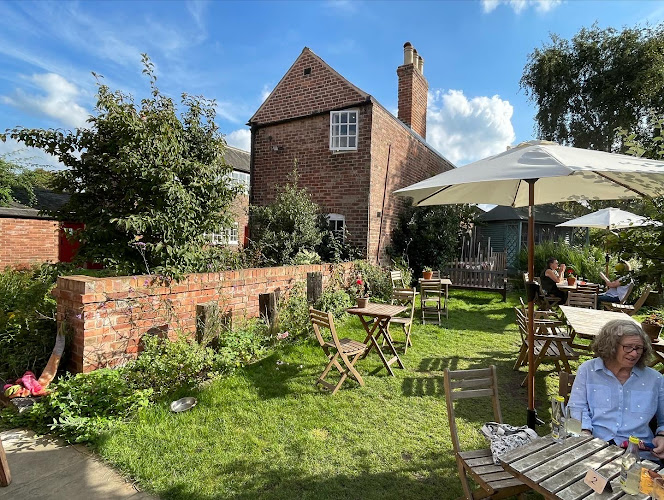
Framework Knitters Museum
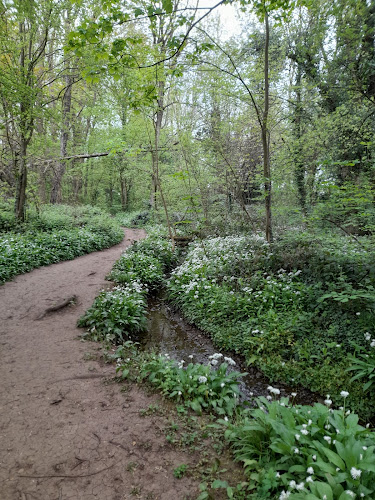
Bulwell Hall Park
City of Caves
Find Accommodations Nearby
Recommended Tours & Activities
Visitor Reviews
There are no reviews yet. Be the first one to write one.
Share Your Experience
Have you visited Nottingham Industrial Museum? Help other travelers by leaving a review.