
Notre Dame de Lourdes
About Notre Dame de Lourdes
Description
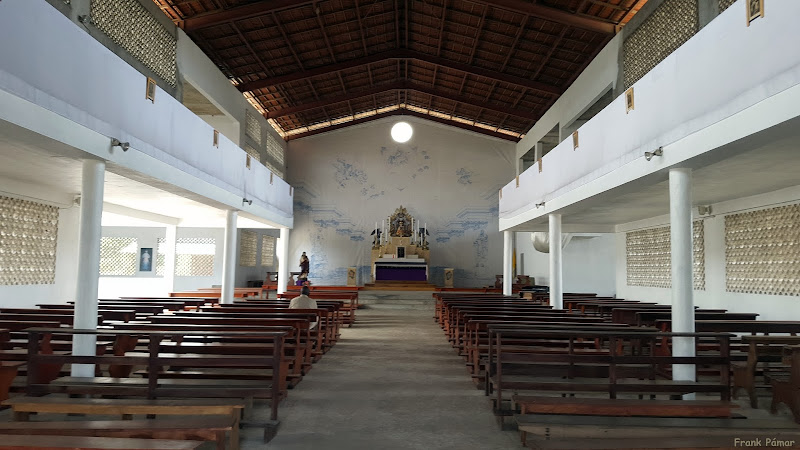
Notre Dame de Lourdes in Libreville carries an atmosphere that feels both sacred and deeply human. It’s one of those places where you step inside, and the world outside seems to soften a little. The church sits quietly above the city, and while it’s not as grand as the cathedrals you might find in Paris or Rome, there’s a warmth here that’s hard to describe until you’ve felt it yourself. The air smells faintly of incense, and when sunlight filters through the stained-glass windows, it paints the pews in soft shades of blue and gold.
What makes this church special isn’t just its architecture—it’s the sense of peace that lingers even when it’s full of visitors. People come here for many reasons: to pray, to admire the art, or simply to sit in silence for a few minutes. I remember my first visit; a local woman smiled and handed me a candle to light. She didn’t speak English, and I didn’t speak much French, but somehow that small gesture said everything. That’s the kind of quiet kindness that seems to live in the walls of this place.
The building itself is beautifully maintained, with a clean white façade and a delicate bell tower that rises just high enough to catch the eye from a distance. Inside, the acoustics are remarkable—every note of the choir fills the space with clarity. It’s not unusual to see travelers lingering long after Mass, just letting the sound wash over them. Of course, not every visitor walks away completely enchanted; some find it a bit crowded or wish for more interpretive information about its history. But overall, the experience tends to leave people feeling grounded and grateful.
Key Features
- Architectural Beauty: A graceful blend of traditional Catholic design with local Gabonese touches that give it a unique identity.
- Stained Glass Windows: Vibrant panels depict scenes from the life of the Virgin Mary, casting colorful light across the interior.
- Peaceful Ambience: Despite being a popular site, the church maintains a calm, reflective atmosphere ideal for prayer or quiet thought.
- Accessibility: The entrance and parking area are wheelchair accessible, making it easier for all visitors to explore comfortably.
- Facilities: Restrooms are available on-site, which is always a practical plus for travelers.
- Spiritual Significance: A cherished pilgrimage site for local Catholics and a meaningful stop for anyone interested in Gabon’s religious heritage.
- Community Events: Occasional masses, choir performances, and feast day celebrations bring locals and visitors together.
Best Time to Visit
If you’re planning a trip, mornings are often the most magical time to visit. The sunlight streams through the stained glass at just the right angle, and the church is usually quieter before the midday rush. Sundays, of course, are special—though expect larger crowds due to Mass. For travelers who prefer a more peaceful experience, weekday mornings or late afternoons work best.
Weather-wise, Libreville’s tropical climate means it’s warm year-round, but the dry season (typically from June to September) makes exploring the area much more comfortable. The humidity drops a bit, and the skies are clearer—ideal for photography. I once visited during the rainy season, and while the downpour was relentless, there was something poetic about hearing the rain patter against the church roof during a quiet service. So even if you come in the wet months, it’s far from a bad experience—just bring an umbrella.
How to Get There
Reaching Notre Dame de Lourdes is fairly straightforward, especially if you’re staying in central Libreville. Most taxis know the location well, and rides are generally affordable. If you’re the adventurous type, you can also take a local bus—though schedules can be unpredictable, and routes aren’t always clearly marked. Personally, I’d suggest taking a taxi the first time; it’s less stressful, and you can always walk around the nearby streets afterward to soak in the local atmosphere.
For those renting a car, parking is available near the church grounds, and the lot is accessible for visitors with mobility needs. The route leading up to the church winds a bit, but it’s scenic, with glimpses of the city and coastline peeking through the trees. I’d recommend keeping your camera ready because the view from just outside the church gates is surprisingly photogenic—especially around sunset.
Tips for Visiting
Here’s where a few insider tips can make your visit smoother—and more meaningful. First, if you plan to attend Mass or any religious service, dress modestly. It’s a functioning place of worship, and locals appreciate visitors who show respect for the customs. Lightweight clothing is fine, just avoid anything too revealing.
Second, consider arriving a little early. The church can get busy, especially on weekends or during religious holidays. Getting there ahead of the crowd gives you time to explore quietly and maybe snap a few photos before the service begins. And if you’re into photography, remember to turn off your flash—it’s both polite and helps preserve the serene atmosphere.
Tickets aren’t usually required for general visits, but if there’s a special event or guided tour, it’s smart to book ahead. Some travelers have mentioned that local guides provide fascinating insights into the church’s history and the role it plays in Gabonese culture. Even if you’re not religious, hearing those stories adds so much depth to the experience.
Another small but useful tip: bring some cash. Donations are welcome, and there’s often a small stand nearby selling candles or religious souvenirs. I still have a little wooden rosary I picked up there—it wasn’t expensive, but it carries a memory that feels priceless.
And don’t rush your visit. Take a moment to sit quietly, even if you’re not the praying type. There’s something about the stillness of this place that encourages reflection. Maybe it’s the hum of distant traffic mixed with the faint echo of footsteps on marble floors. Maybe it’s the way people from all walks of life come together under one roof, united by curiosity or faith. Whatever it is, it leaves an impression that lingers long after you’ve stepped back into the sunlight.
To sum it up, Notre Dame de Lourdes isn’t just another stop on a travel itinerary—it’s a space that invites you to pause and breathe. Whether you’re a believer, a history buff, or simply someone who appreciates beautiful places, this church offers a glimpse into the soul of Libreville. And honestly, that’s what travel is all about: finding those quiet, unexpected moments that remind you how connected we all are, even halfway across the world.
Key Features
- Key Features
- Best Time to Visit
- How to Get There
- Tips for Visiting
More Details
Updated October 8, 2025
Description
Notre Dame de Lourdes in Libreville carries an atmosphere that feels both sacred and deeply human. It’s one of those places where you step inside, and the world outside seems to soften a little. The church sits quietly above the city, and while it’s not as grand as the cathedrals you might find in Paris or Rome, there’s a warmth here that’s hard to describe until you’ve felt it yourself. The air smells faintly of incense, and when sunlight filters through the stained-glass windows, it paints the pews in soft shades of blue and gold.
What makes this church special isn’t just its architecture—it’s the sense of peace that lingers even when it’s full of visitors. People come here for many reasons: to pray, to admire the art, or simply to sit in silence for a few minutes. I remember my first visit; a local woman smiled and handed me a candle to light. She didn’t speak English, and I didn’t speak much French, but somehow that small gesture said everything. That’s the kind of quiet kindness that seems to live in the walls of this place.
The building itself is beautifully maintained, with a clean white façade and a delicate bell tower that rises just high enough to catch the eye from a distance. Inside, the acoustics are remarkable—every note of the choir fills the space with clarity. It’s not unusual to see travelers lingering long after Mass, just letting the sound wash over them. Of course, not every visitor walks away completely enchanted; some find it a bit crowded or wish for more interpretive information about its history. But overall, the experience tends to leave people feeling grounded and grateful.
Key Features
- Architectural Beauty: A graceful blend of traditional Catholic design with local Gabonese touches that give it a unique identity.
- Stained Glass Windows: Vibrant panels depict scenes from the life of the Virgin Mary, casting colorful light across the interior.
- Peaceful Ambience: Despite being a popular site, the church maintains a calm, reflective atmosphere ideal for prayer or quiet thought.
- Accessibility: The entrance and parking area are wheelchair accessible, making it easier for all visitors to explore comfortably.
- Facilities: Restrooms are available on-site, which is always a practical plus for travelers.
- Spiritual Significance: A cherished pilgrimage site for local Catholics and a meaningful stop for anyone interested in Gabon’s religious heritage.
- Community Events: Occasional masses, choir performances, and feast day celebrations bring locals and visitors together.
Best Time to Visit
If you’re planning a trip, mornings are often the most magical time to visit. The sunlight streams through the stained glass at just the right angle, and the church is usually quieter before the midday rush. Sundays, of course, are special—though expect larger crowds due to Mass. For travelers who prefer a more peaceful experience, weekday mornings or late afternoons work best.
Weather-wise, Libreville’s tropical climate means it’s warm year-round, but the dry season (typically from June to September) makes exploring the area much more comfortable. The humidity drops a bit, and the skies are clearer—ideal for photography. I once visited during the rainy season, and while the downpour was relentless, there was something poetic about hearing the rain patter against the church roof during a quiet service. So even if you come in the wet months, it’s far from a bad experience—just bring an umbrella.
How to Get There
Reaching Notre Dame de Lourdes is fairly straightforward, especially if you’re staying in central Libreville. Most taxis know the location well, and rides are generally affordable. If you’re the adventurous type, you can also take a local bus—though schedules can be unpredictable, and routes aren’t always clearly marked. Personally, I’d suggest taking a taxi the first time; it’s less stressful, and you can always walk around the nearby streets afterward to soak in the local atmosphere.
For those renting a car, parking is available near the church grounds, and the lot is accessible for visitors with mobility needs. The route leading up to the church winds a bit, but it’s scenic, with glimpses of the city and coastline peeking through the trees. I’d recommend keeping your camera ready because the view from just outside the church gates is surprisingly photogenic—especially around sunset.
Tips for Visiting
Here’s where a few insider tips can make your visit smoother—and more meaningful. First, if you plan to attend Mass or any religious service, dress modestly. It’s a functioning place of worship, and locals appreciate visitors who show respect for the customs. Lightweight clothing is fine, just avoid anything too revealing.
Second, consider arriving a little early. The church can get busy, especially on weekends or during religious holidays. Getting there ahead of the crowd gives you time to explore quietly and maybe snap a few photos before the service begins. And if you’re into photography, remember to turn off your flash—it’s both polite and helps preserve the serene atmosphere.
Tickets aren’t usually required for general visits, but if there’s a special event or guided tour, it’s smart to book ahead. Some travelers have mentioned that local guides provide fascinating insights into the church’s history and the role it plays in Gabonese culture. Even if you’re not religious, hearing those stories adds so much depth to the experience.
Another small but useful tip: bring some cash. Donations are welcome, and there’s often a small stand nearby selling candles or religious souvenirs. I still have a little wooden rosary I picked up there—it wasn’t expensive, but it carries a memory that feels priceless.
And don’t rush your visit. Take a moment to sit quietly, even if you’re not the praying type. There’s something about the stillness of this place that encourages reflection. Maybe it’s the hum of distant traffic mixed with the faint echo of footsteps on marble floors. Maybe it’s the way people from all walks of life come together under one roof, united by curiosity or faith. Whatever it is, it leaves an impression that lingers long after you’ve stepped back into the sunlight.
To sum it up, Notre Dame de Lourdes isn’t just another stop on a travel itinerary—it’s a space that invites you to pause and breathe. Whether you’re a believer, a history buff, or simply someone who appreciates beautiful places, this church offers a glimpse into the soul of Libreville. And honestly, that’s what travel is all about: finding those quiet, unexpected moments that remind you how connected we all are, even halfway across the world.
Key Highlights
- Key Features
- Best Time to Visit
- How to Get There
- Tips for Visiting
Location
Places to Stay Near Notre Dame de Lourdes
Find and Book a Tour
Explore More Travel Guides
No reviews found! Be the first to review!
Traveler Reviews for Notre Dame de Lourdes
There are no reviews yet. Be the first one to write one.
Have you visited Notre Dame de Lourdes? Help other travelers by sharing your review.
You Might Also Like
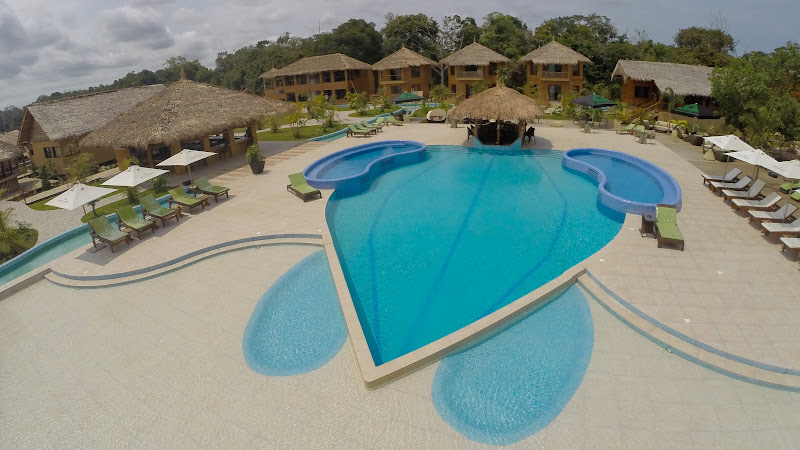
La Baie des Tortues Luth Hotel

Hassan II Mosquee
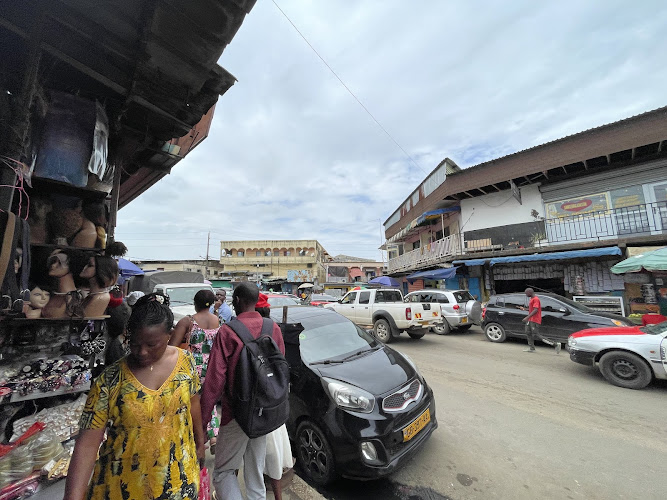
Marchés des petit paris
Find Accommodations Nearby
Recommended Tours & Activities
Visitor Reviews
There are no reviews yet. Be the first one to write one.
Share Your Experience
Have you visited Notre Dame de Lourdes? Help other travelers by leaving a review.