
Northern Sierra Madre Natural Park
About Northern Sierra Madre Natural Park
Description
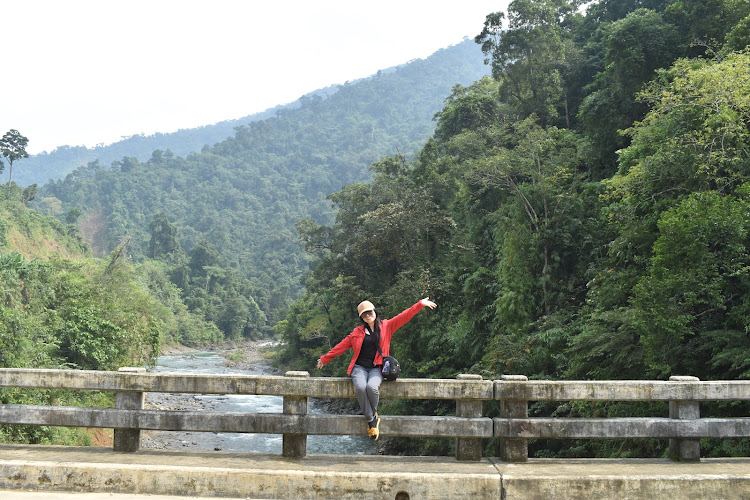
The Northern Sierra Madre Natural Park in the province of Isabela is one of those rare places where the word “wild” still means what it should. This is the largest protected area in the Philippines, sprawling over 360,000 hectares of rugged mountains, thick rainforests, and remote coastlines. It’s the kind of destination that makes you realize just how small you are compared to nature’s scale. The park isn’t manicured or overly developed for tourism—thankfully—and that’s exactly its charm. You’ll find landscapes that shift from lowland dipterocarp forests to misty montane rainforests, plus stretches of mangroves and coral reefs along its edges. It’s a biodiversity hotspot, home to hundreds of bird species (many of them endemic), rare mammals like the Philippine eagle, and plant life you’ve probably never seen before.
It’s not a place you “pop into” for an hour or two—getting here takes commitment, and exploring it demands a bit of grit. But if you’ve ever longed to stand in a forest where the only sounds are the rustle of leaves and the call of a hornbill, or to hike a trail that feels like it could lead you to the edge of the known world, this is it. The air is clean, the views are unfiltered, and the human footprint is refreshingly light. You’ll encounter locals in small communities who live in harmony with the land, and if you’re lucky, they might share stories about the forest that you won’t find in any guidebook.
It’s not all easy-going—weather can be unpredictable, trails can be muddy and steep, and you’ll need to plan ahead for supplies. But that’s part of the adventure. And honestly, in a world where so many “natural” attractions are crowded and commercialized, the Northern Sierra Madre feels like a rare privilege to experience.
Key Features
- Largest protected area in the Philippines, covering around 360,000 hectares
- Two distinct ecoregions: lowland Luzon rain forest and montane rain forest above 1,000 meters
- Home to over 290 bird species, including the critically endangered Philippine eagle
- Rich mix of ecosystems—rainforests, mangroves, coral reefs, and coastal areas
- Opportunities for trekking, wildlife spotting, and cultural encounters with local communities
- Remote location that offers a true off-the-grid travel experience
- Unspoiled beaches and river systems within park boundaries
Best Time to Visit
If you want to avoid the heavy rains and the occasional typhoon drama, the dry season—roughly December to May—is your best bet. The trails are more manageable, rivers are calmer, and you’ll have clearer skies for those sweeping mountain views. I’ve been here in March, and the mornings were cool enough for a light jacket while afternoons warmed up just right for exploring. That said, the wet season has its own magic: waterfalls are fuller, the forest feels even more alive, and you’ll probably have the place almost to yourself. Just be ready for mud, leeches, and the occasional downpour that laughs at your raincoat.
How to Get There
Reaching the park isn’t exactly a quick hop from Manila—it’s part of what keeps it so pristine. Most travelers start by flying or taking a bus to Tuguegarao or Cauayan City. From there, you’ll need to arrange land transport to coastal towns like Palanan or Divilacan, which serve as common gateways. Here’s the catch: there are no direct roads cutting through the Sierra Madre to these towns from the west. You either take a small plane, hop on a boat along the coast, or, if you’re feeling adventurous, trek for days through the mountains.
I once took the boat route from Dinapigue, and while the sea can be choppy, the sight of the coastline—jagged cliffs, hidden coves, and dense forest right up to the waterline—was worth every splash. Whichever route you choose, factor in extra time for weather delays. Out here, nature calls the shots.
Tips for Visiting
First and foremost, plan ahead. This isn’t the kind of trip where you can wing it and hope for the best. Accommodation is basic, often in small guesthouses or homestays, and you’ll need to coordinate with local guides for treks and boat transfers. Bring enough cash—ATMs are rare to nonexistent in the remote areas.
Pack light but smart: sturdy hiking shoes, quick-dry clothes, a good rain jacket, insect repellent, and a reliable water filter or purifier. If you’re into photography, bring extra batteries because charging options are limited. And please, respect the park’s rules—don’t leave trash, don’t disturb wildlife, and don’t wander off trails without a guide.
One more thing: be open to the unexpected. You might plan for a jungle trek and end up joining a local fishing trip instead. Or you could be stuck an extra day because the waves are too high for the boat. Take it in stride. In places like the Northern Sierra Madre, the unplanned moments often become the best stories you’ll tell later.
Key Features
- Largest protected area in the Philippines, covering around 360,000 hectares
- Two distinct ecoregions: lowland Luzon rain forest and montane rain forest above 1,000 meters
- Home to over 290 bird species, including the critically endangered Philippine eagle
- Rich mix of ecosystems—rainforests, mangroves, coral reefs, and coastal areas
- Opportunities for trekking, wildlife spotting, and cultural encounters with local communities
- Remote location that offers a true off-the-grid travel experience
- Unspoiled beaches and river systems within park boundaries
More Details
Updated August 10, 2025
Table of Contents
- Description
- Key Features
- Best Time to Visit
- How to Get There
- Tips for Visiting
- Key Highlights
- Location
- Places to Stay Near Northern Sierra Madre Natural Park
- Find and Book a Tour
- Explore More Travel Guides
- Nearby Places You Might Like
- Traveler Reviews for Northern Sierra Madre Natural Park
- Share Your Experience
Description
The Northern Sierra Madre Natural Park in the province of Isabela is one of those rare places where the word “wild” still means what it should. This is the largest protected area in the Philippines, sprawling over 360,000 hectares of rugged mountains, thick rainforests, and remote coastlines. It’s the kind of destination that makes you realize just how small you are compared to nature’s scale. The park isn’t manicured or overly developed for tourism—thankfully—and that’s exactly its charm. You’ll find landscapes that shift from lowland dipterocarp forests to misty montane rainforests, plus stretches of mangroves and coral reefs along its edges. It’s a biodiversity hotspot, home to hundreds of bird species (many of them endemic), rare mammals like the Philippine eagle, and plant life you’ve probably never seen before.
It’s not a place you “pop into” for an hour or two—getting here takes commitment, and exploring it demands a bit of grit. But if you’ve ever longed to stand in a forest where the only sounds are the rustle of leaves and the call of a hornbill, or to hike a trail that feels like it could lead you to the edge of the known world, this is it. The air is clean, the views are unfiltered, and the human footprint is refreshingly light. You’ll encounter locals in small communities who live in harmony with the land, and if you’re lucky, they might share stories about the forest that you won’t find in any guidebook.
It’s not all easy-going—weather can be unpredictable, trails can be muddy and steep, and you’ll need to plan ahead for supplies. But that’s part of the adventure. And honestly, in a world where so many “natural” attractions are crowded and commercialized, the Northern Sierra Madre feels like a rare privilege to experience.
Key Features
- Largest protected area in the Philippines, covering around 360,000 hectares
- Two distinct ecoregions: lowland Luzon rain forest and montane rain forest above 1,000 meters
- Home to over 290 bird species, including the critically endangered Philippine eagle
- Rich mix of ecosystems—rainforests, mangroves, coral reefs, and coastal areas
- Opportunities for trekking, wildlife spotting, and cultural encounters with local communities
- Remote location that offers a true off-the-grid travel experience
- Unspoiled beaches and river systems within park boundaries
Best Time to Visit
If you want to avoid the heavy rains and the occasional typhoon drama, the dry season—roughly December to May—is your best bet. The trails are more manageable, rivers are calmer, and you’ll have clearer skies for those sweeping mountain views. I’ve been here in March, and the mornings were cool enough for a light jacket while afternoons warmed up just right for exploring. That said, the wet season has its own magic: waterfalls are fuller, the forest feels even more alive, and you’ll probably have the place almost to yourself. Just be ready for mud, leeches, and the occasional downpour that laughs at your raincoat.
How to Get There
Reaching the park isn’t exactly a quick hop from Manila—it’s part of what keeps it so pristine. Most travelers start by flying or taking a bus to Tuguegarao or Cauayan City. From there, you’ll need to arrange land transport to coastal towns like Palanan or Divilacan, which serve as common gateways. Here’s the catch: there are no direct roads cutting through the Sierra Madre to these towns from the west. You either take a small plane, hop on a boat along the coast, or, if you’re feeling adventurous, trek for days through the mountains.
I once took the boat route from Dinapigue, and while the sea can be choppy, the sight of the coastline—jagged cliffs, hidden coves, and dense forest right up to the waterline—was worth every splash. Whichever route you choose, factor in extra time for weather delays. Out here, nature calls the shots.
Tips for Visiting
First and foremost, plan ahead. This isn’t the kind of trip where you can wing it and hope for the best. Accommodation is basic, often in small guesthouses or homestays, and you’ll need to coordinate with local guides for treks and boat transfers. Bring enough cash—ATMs are rare to nonexistent in the remote areas.
Pack light but smart: sturdy hiking shoes, quick-dry clothes, a good rain jacket, insect repellent, and a reliable water filter or purifier. If you’re into photography, bring extra batteries because charging options are limited. And please, respect the park’s rules—don’t leave trash, don’t disturb wildlife, and don’t wander off trails without a guide.
One more thing: be open to the unexpected. You might plan for a jungle trek and end up joining a local fishing trip instead. Or you could be stuck an extra day because the waves are too high for the boat. Take it in stride. In places like the Northern Sierra Madre, the unplanned moments often become the best stories you’ll tell later.
Key Highlights
- Largest protected area in the Philippines, covering around 360,000 hectares
- Two distinct ecoregions: lowland Luzon rain forest and montane rain forest above 1,000 meters
- Home to over 290 bird species, including the critically endangered Philippine eagle
- Rich mix of ecosystems—rainforests, mangroves, coral reefs, and coastal areas
- Opportunities for trekking, wildlife spotting, and cultural encounters with local communities
- Remote location that offers a true off-the-grid travel experience
- Unspoiled beaches and river systems within park boundaries
Location
Places to Stay Near Northern Sierra Madre Natural Park
Find and Book a Tour
Explore More Travel Guides
No reviews found! Be the first to review!
Traveler Reviews for Northern Sierra Madre Natural Park
There are no reviews yet. Be the first one to write one.
Have you visited Northern Sierra Madre Natural Park? Help other travelers by sharing your review.
You Might Also Like
Fuyot Springs National Park
Mamangi Park
Paguirigan Memorial Park
Find Accommodations Nearby
Recommended Tours & Activities
Visitor Reviews
There are no reviews yet. Be the first one to write one.
Share Your Experience
Have you visited Northern Sierra Madre Natural Park? Help other travelers by leaving a review.